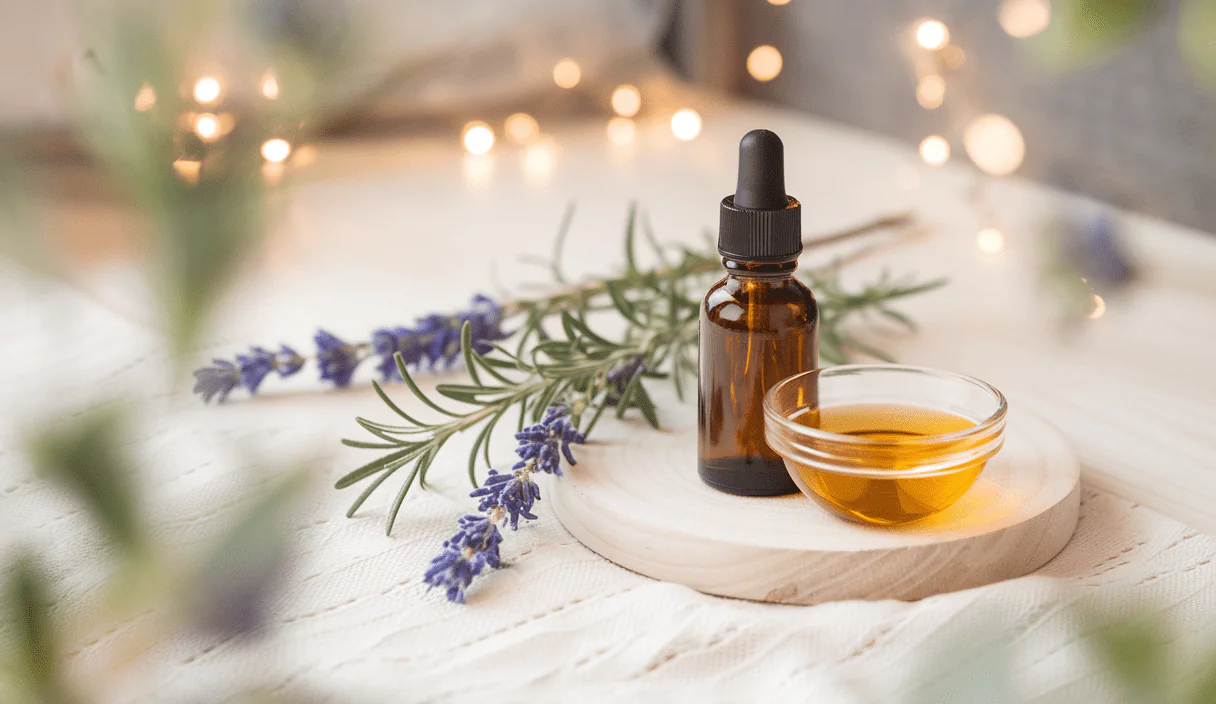

Natural essential oil for hair growth Guide
Natural essential oil for hair growth is an easy, low-cost way to support thicker, healthier hair. In this guide you’ll learn which oils work, how to use them safely, and simple DIY blends you can try at home. If you want a gentle, natural approach to stronger roots, read on.
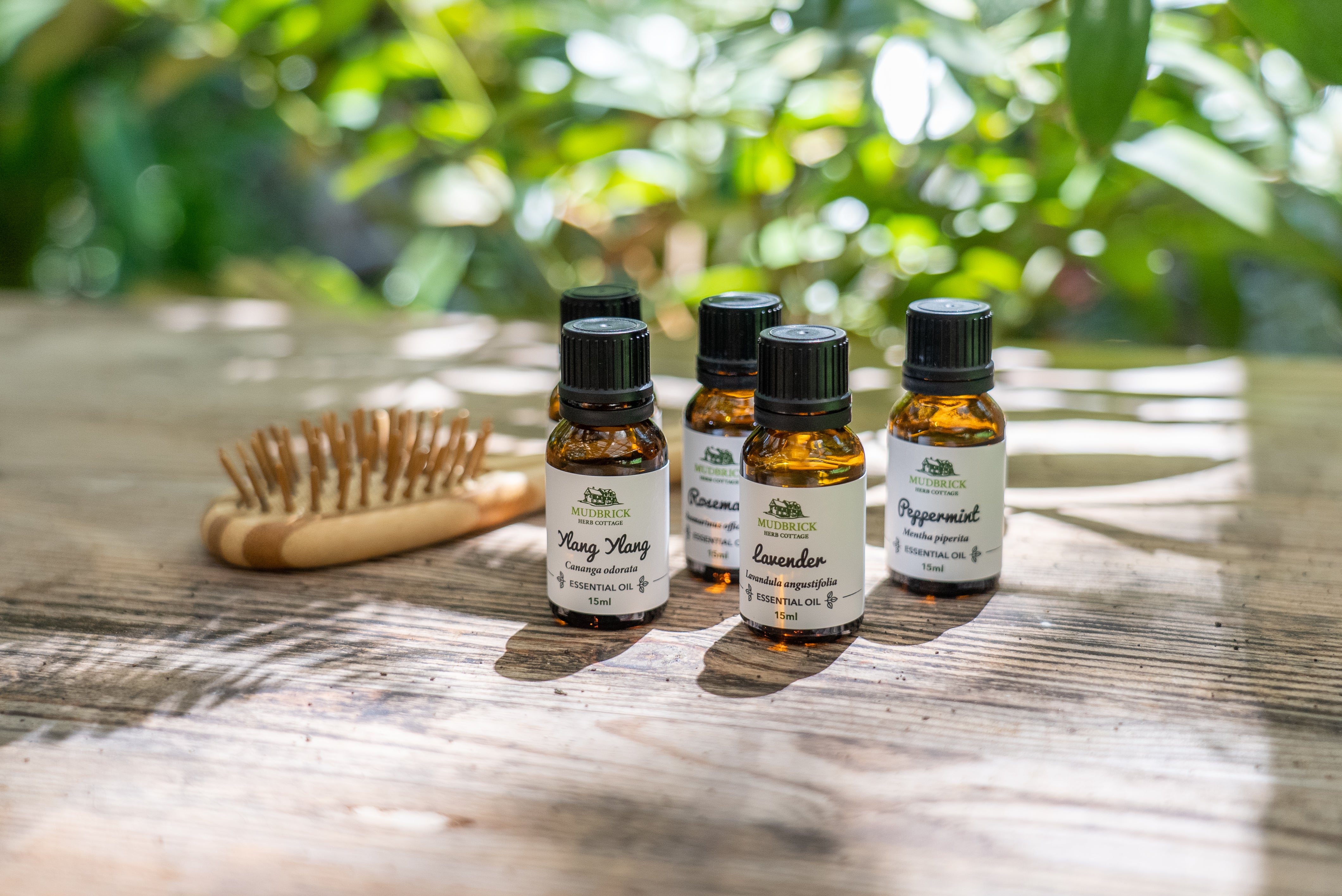
Natural essential oil for hair growth: Top picks
Some essential oils have been studied for scalp health and hair growth. These oils act by improving circulation, calming inflammation, and strengthening hair follicles. Below are the most popular, evidence-backed options you can try.
1. Rosemary oil
Why it helps: Rosemary oil is one of the best-known options to support hair growth. It may boost circulation to the scalp and protect hair follicles from damage. Research shows rosemary can be as effective as some topical treatments for hair thinning when used consistently.

Use a few drops mixed into a carrier oil or shampoo. For more on rosemary oil benefits, see this Amazon product page with user reviews and product details: Rosemary Oil for Hair Growth.
2. Lavender oil
Lavender oil is calming and may promote hair growth. It can help reduce stress-related hair shedding by soothing the scalp.
3. Peppermint oil
Peppermint gives a cooling sensation and can increase blood flow to the scalp. Studies in animals suggest peppermint oil may boost hair growth when applied topically.
4. Cedarwood oil
Cedarwood is often used for scalp balance. It may help regulate oil production and create a healthier environment for hair to grow.
5. Lemongrass, clary sage and others
Other useful oils include lemongrass, clary sage, and thyme. These are often combined in blends for added benefit.
How essential oils support hair growth
Essential oils work in several simple ways:
- Improve circulation: Better blood flow brings nutrients to hair roots.
- Reduce inflammation: A calmer scalp supports healthier follicles.
- Fight microbes: Some oils have antibacterial or antifungal properties that keep the scalp clean.
How to use oils safely (simple steps)
Essential oils are powerful. Always dilute them. Follow these safe steps:
- Choose a carrier oil like jojoba, coconut, or sweet almond.
- Mix 3–5 drops of essential oil per tablespoon of carrier oil for scalp use.
- Do a patch test on inner arm 24 hours before full use.
- Massage blend into the scalp for 5–10 minutes, then leave on 30–60 minutes or overnight if tolerated.
- Wash out with a gentle shampoo.
Tip: Always avoid getting undiluted essential oil directly on your scalp or in your eyes.
DIY blends for different needs
Here are safe, easy blends for common goals. Each recipe uses one tablespoon of carrier oil (about 15 ml).
Daily scalp tonic (gentle)
- 1 tbsp jojoba oil
- 3 drops rosemary oil
- 2 drops lavender oil
Overnight stimulation blend
- 1 tbsp coconut oil
- 3 drops peppermint oil
- 3 drops rosemary oil
Clarifying mix for oily scalp
- 1 tbsp grapeseed oil
- 3 drops cedarwood oil
- 2 drops lemongrass oil
Store blends in a dark bottle away from direct sunlight. Use within 6 months for best freshness.

Carrier oils and scalp massage
Carrier oils matter. Jojoba mimics scalp oils and is lightweight. Coconut penetrates hair shafts and adds protein. Sweet almond softens hair and helps detangle.
A 5-minute scalp massage with an oil blend can help. Massage increases blood flow and helps essential oils reach follicles. For best results, make scalp massage part of your weekly routine.
When to expect results
Hair growth is slow. Expect to see visible changes in 2–6 months of consistent use. Keep track with photos and measure progress. If you have significant hair loss, also consult a dermatologist.
Which oils does research support?
Multiple sources list the same effective oils. For a quick reference see this helpful roundup at Herb Cottage which names lavender, peppermint, rosemary, cedarwood, and lemongrass among top picks. Healthline also summarizes studies showing lavender, peppermint, and rosemary may help with hair growth: Healthline – Essential oils for hair growth.
Choosing products and brands
Look for pure, undiluted essential oils from reputable sellers. Check for:
- Botanical name on the label (e.g., Rosmarinus officinalis)
- Packed in dark glass bottles
- Free from synthetic additives
Many shoppers buy small trial bottles first. If you prefer ready-made blends, read reviews. For example, some bestselling Rosemary blends and hair oil blends are listed on Amazon and other retailers where customers share results: Amazon.

Common questions and myths
Will essential oils regrow a receding hairline?
Essential oils can support hair health and may slow thinning, but they are not a guaranteed cure for a receding hairline. For pattern baldness, combine topical care with medical advice.
Are essential oils safe during pregnancy?
Some essential oils are not recommended during pregnancy. Always consult your healthcare provider before use. When in doubt, avoid potent oils and use only mild, pregnancy-safe options under medical guidance.
Where to learn more
Trusted health sites review essential oil studies. Verywell Health and Healthline offer balanced summaries of research and safety tips: Verywell Health and Healthline. For lifestyle and beauty angles, media outlets such as the Times of India show how rosemary and other oils support cellular regeneration and circulation to the scalp.
Practical routine to start this week
Here is a simple, realistic routine to add to your week. It focuses on consistency and gentle care.
- Monday: Patch test a new blend on inner arm.
- Wednesday: Scalp massage with rosemary-lavender blend (30–60 mins).
- Friday: Clarifying wash; follow with a light carrier oil if hair feels dry.
- Weekly: Take a photo so you can compare progress every month.
When to see a doctor
If you notice sudden, heavy shedding, scalp pain, or patches of hair loss, see a dermatologist. Essential oils are a helpful, natural addition for many people, but they are not a substitute for medical care when an underlying condition exists.
Shopping checklist
Before buying an essential oil, check these points:
- Botanical name present
- Packed in dark glass
- Third-party testing or clear company sourcing
- Positive, specific reviews (not just vague praise)
Final tips
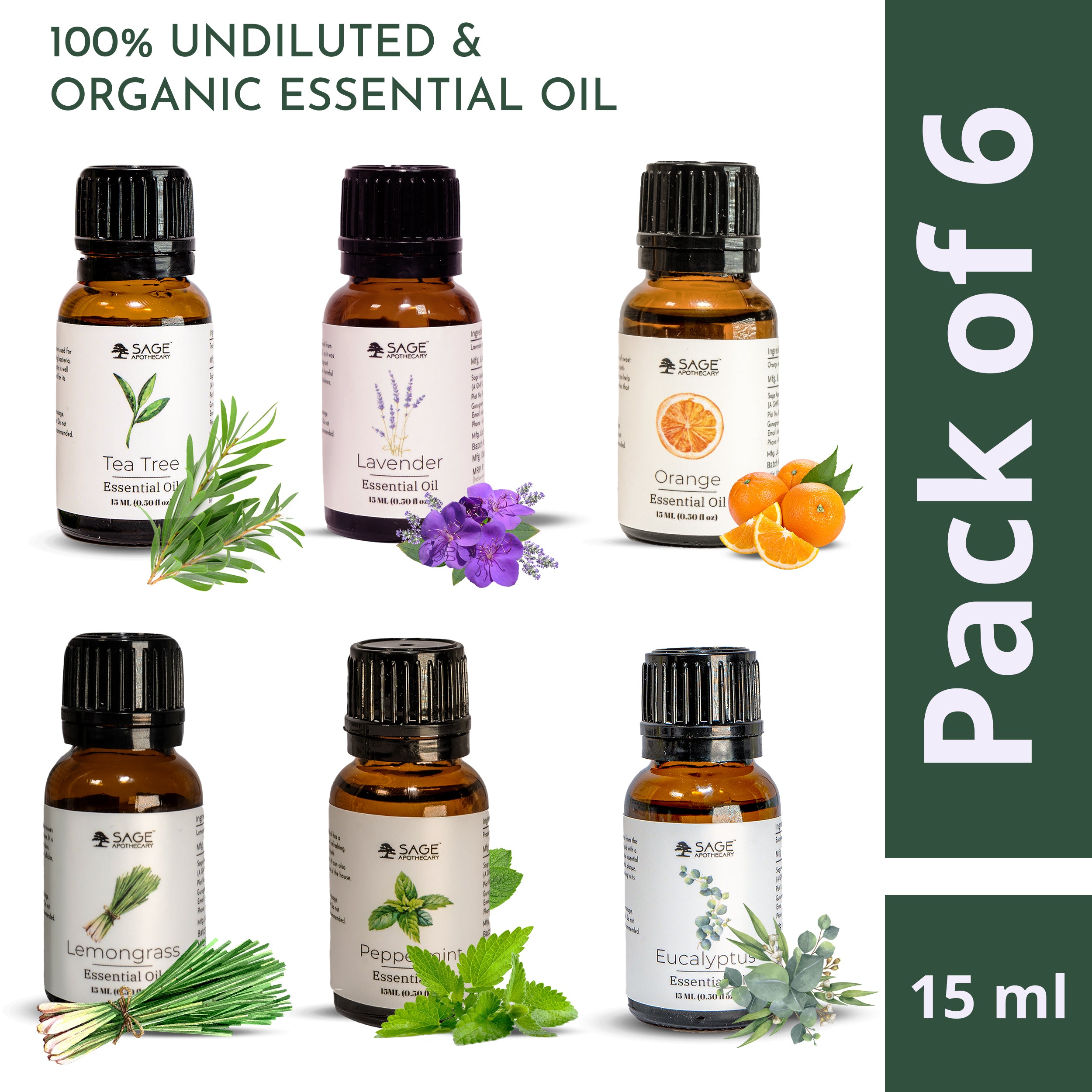
Use essential oils as part of a wider hair-care plan. Maintain good nutrition, manage stress, and avoid harsh styling. A little effort each week can add up. Try to keep the approach gentle and natural. If you prefer ready-made sets, many small brands sell curated kits for beginners that make it easy to get started.
Video: Quick how-to for blends and massage
Watch this short guide to basic blending and a scalp massage routine:
For more oil lists and user-friendly guides, check the Herb Cottage roundup on essential oils for hair growth: Which essential oils grow hair?
Summary: Essential oils like rosemary, lavender, and peppermint can support scalp health when used correctly. Start with low dilution, do a patch test, and be patient—results take time. A consistent, gentle routine is your best path to fuller, healthier hair using a natural approach.
Next step: Pick one blend above and try it for 8–12 weeks. Track photos and adjust as needed.
Ready to explore more guides and DIY hair-care routines? Visit zenpulsehub.com for more tips and step-by-step plans to support healthy hair naturally.
How often should I use essential oils for hair growth?
Start with 1–2 scalp treatments per week. If your scalp tolerates it well, you can increase to 3 times per week. Consistent use for several months is key.
Can I put essential oils directly on my scalp?
No. Always dilute essential oils in a carrier oil. Use about 3–5 drops of essential oil per tablespoon of carrier oil to avoid irritation.
Which essential oil is best for thinning hair?
Rosemary oil is widely recommended for thinning hair and is supported by studies. Lavender and peppermint are also popular choices.
Are essential oils safe for colored or treated hair?
Most essential oils are safe when diluted. Avoid heavy oils that may interfere with color. Do a strand test if you’re concerned, and consult your stylist for personal advice.