
Protein Needs for Active Adults: Simple Guide
Protein Needs for Active Adults can feel confusing — how much to eat, when, and which foods work best. This friendly guide breaks it down into clear steps so you can fuel workouts, recover faster, and support overall health.
Why protein matters for active adults
Protein is the building block for muscles, enzymes, and many hormones. If you train regularly, your body needs more protein to repair tissues, adapt to training, and keep your energy steady. Think of protein as the repair crew that works after each workout.
How much protein do active adults need?
Official minimums (the RDA) set a baseline but active adults usually need more. For most active people, a good range is 1.2 to 2.0 grams per kilogram of body weight per day, depending on training type and goals.
Here are practical ranges:
- Light activity / maintenance: 0.8–1.2 g/kg
- Regular endurance training: 1.2–1.6 g/kg
- Strength training or muscle gain: 1.6–2.0 g/kg
- Cutting weight while keeping muscle: 1.8–2.2 g/kg
Example: a 75 kg person aiming for muscle growth would target about 120–150 g protein daily (75 kg × 1.6–2.0 g/kg).
Where these numbers come from
Research and reviews (including sources like the Dietary Guidelines and sports nutrition research) show extra protein supports recovery and muscle adaptation. For quick reading on protein recommendations, see this practical guide from Examine: examine.com guide to protein.

Protein Needs for Active Adults: Timing and distribution
How you spread protein across the day matters. Aim for moderate protein at each meal rather than one heavy dose. This helps muscle protein synthesis run throughout the day.
- Meals: Target 20–40 g protein per meal (depending on body size).
- Post-workout: 20–40 g within 1–2 hours after training helps recovery.
- Before bed: A small protein serving before sleep (e.g., 20–30 g casein or dairy) can support overnight repair.
Practical daily pattern
Breakfast, lunch, dinner plus one or two protein-rich snacks is a simple structure. Example for a person aiming for ~120 g/day:
- Breakfast: 30 g (eggs + Greek yogurt)
- Lunch: 30 g (chicken or tofu salad)
- Snack: 15–20 g (protein shake or cottage cheese)
- Dinner: 30–35 g (fish, legumes, or lean beef)
Protein quality: animal vs plant
Protein quality refers to amino acid profile and digestibility. Animal proteins (meat, fish, eggs, dairy) are complete, meaning they contain all essential amino acids. Many plant proteins are lower in one or more amino acids but combining plants across the day solves this.
- High-quality animal sources: chicken, turkey, fish, eggs, dairy
- Plant sources: beans, lentils, tofu, tempeh, quinoa, nuts, seeds
- Tip: Pair grains and legumes (rice + dal, hummus + bread) to boost amino acid balance.

How to calculate your target
Follow these quick steps to set a daily protein target:
- Weigh yourself in kilograms (kg). If you know pounds, divide by 2.2 to get kg.
- Choose your multiplier from the activity ranges above (1.2–2.0 g/kg).
- Multiply weight (kg) × chosen g/kg to get grams per day.
For example, a 68 kg runner training regularly might choose 1.4 g/kg: 68 × 1.4 = ~95 g protein/day.
Adjust for goals
Increase the multiplier when cutting calories, during heavy strength phases, or if you are older and trying to preserve muscle.

Sample meal ideas for active adults
Below are easy, flexible options to reach daily protein targets. Mix and match based on taste and dietary preferences.
Breakfasts
- Omelet with veggies + whole-grain toast + Greek yogurt (30+ g)
- Protein oats: oats cooked with milk + protein powder + nut butter (25–35 g)
Lunches
- Grilled chicken salad with quinoa and beans (30–40 g)
- Tofu stir-fry with brown rice and mixed veggies (20–30 g)
Dinners
- Baked salmon + sweet potato + broccoli (35–45 g)
- Chickpea curry with paneer and whole-grain roti (25–35 g)
Snacks
- Cottage cheese with fruit (15–20 g)
- Protein shake or bar (15–30 g)
- Handful of nuts + boiled egg (10–15 g)
Supplements: when they help
Whole foods should be the foundation. Supplements (whey, casein, plant protein powders) can fill gaps when meals fall short or after intense sessions.
Use protein powders: for convenience, post-workout recovery, or when appetite is low. Choose a product with minimal added sugar and transparent labeling.
Special considerations: older adults and recovery
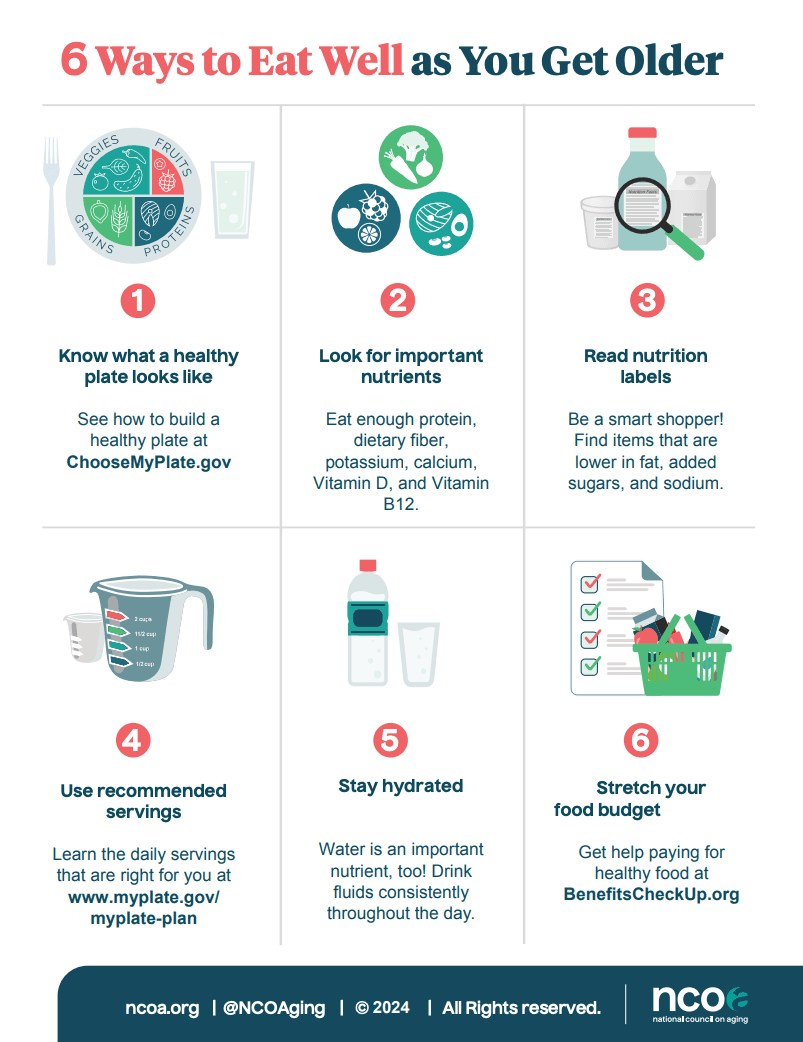
As people age, protein needs can increase to preserve muscle and function. Resources like MyPlate and the National Institute on Aging provide practical tips about getting enough protein and fortified foods for older adults: MyPlate on older adults and NIA healthy meal planning tips.
Safety and upper limits
Most healthy adults tolerate higher protein intakes well. If you have kidney disease or other medical conditions, consult a healthcare provider. For general population guidance, check the Dietary Guidelines 2020–2025 for context on balanced eating patterns: Dietary Guidelines 2020–2025.
Evidence and expert reading
For an accessible review on how much protein adults need and why, Harvard’s blog is a clear read: Harvard Health on protein needs. For applied science and muscle-focused guidance, the Examine guide is also a helpful resource (linked earlier).
Practical tips to hit your protein target
- Plan meals: include a protein source every time you eat.
- Track for a week: note how much protein you eat to find gaps.
- Cook in batches: grilled chicken, boiled eggs, and beans store well.
- Mix sources: combine plant and animal proteins if needed to meet your goal.
Common questions
Will extra protein make me bulky?
No. Protein alone doesn’t make you bulky. Bulking requires a calorie surplus plus specific training. Protein helps build and preserve lean tissue.
Can I get enough protein on a vegan diet?
Yes. Eat slightly more total protein and include diverse plant sources like legumes, soy, seitan, and quinoa. Consider fortified foods or a plant protein powder if needed.
Watch and learn: quick video
Short visual explainer to reinforce the basics:
Putting it together (checklist)
- Calculate weight in kg and pick a target multiplier (1.2–2.0 g/kg).
- Distribute protein evenly across meals and snacks.
- Prioritize whole food sources; use powders for convenience.
- Adjust intake based on training phase, age, and goals.
Protein Needs for Active Adults is about consistent, practical choices — not perfection. With a simple plan and a few habit changes, you can support training, recovery, and long-term health.
Ready to build a daily protein plan? Try calculating your target and planning meals for one week — small consistency beats occasional extremes.
How many times should I eat protein each day?
Aim for protein at every meal and at least one protein-rich snack. Spreading protein across 3–5 eating occasions supports muscle repair and steady recovery.
Is protein timing more important than total protein?
Total daily protein is the primary driver for gains. Timing helps (post-workout and before bed are useful), but meeting your daily total is the first priority.
Should older adults eat more protein?
Yes. Older adults often need higher protein per meal to preserve muscle. See MyPlate’s tips for older adults for practical ideas: MyPlate: older adults.
Can I rely only on protein supplements?
Supplements are convenient but whole foods provide extra nutrients (vitamins, minerals, fiber). Use powders as a supplement, not a replacement.
Want more simple guides? Explore more nutrition and fitness guides on zenpulsehub.com to stay informed and motivated.