
Reasons for Not Sleeping Well: 10 Common Causes
Reasons for not sleeping well are more common than you think. If you find yourself tossing and turning, waking up tired, or depending on caffeine to get through the day, this guide walks through the causes, simple fixes, and when to seek help.
Why you may be awake: quick overview
Sleep problems usually come from lifestyle habits, environment, or a medical issue. Below are the most common culprits — and practical steps you can try tonight. This article pulls together trusted sources like the Mayo Clinic, the Cleveland Clinic, and Harvard Health to give clear, evidence-based tips.
Common reasons for not sleeping well
Here are the 10 frequent causes that disrupt sleep. Each one is followed by practical fixes you can try right away.
1. Stress and racing thoughts
Why it matters: Worry keeps your brain in alert mode. The Mayo Clinic notes that concerns about work, money, and health often trigger nights of poor sleep.
Quick fixes:
- Try a 10-minute journaling routine before bed to clear your mind.
- Practice deep breathing or a short guided meditation.
- Set a nightly cut-off for work and news — no screens 30–60 minutes before bed.
2. Poor sleep environment
Small factors like light, noise, and temperature add up. The NHS highlights how noise or a room that’s too hot or cold can trigger insomnia.
Quick fixes:
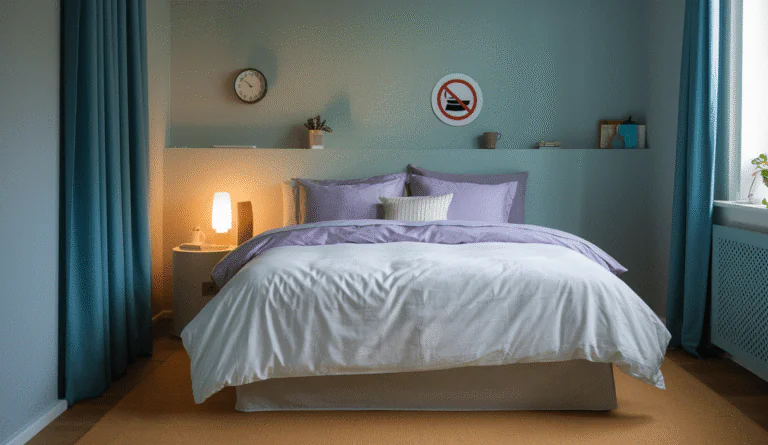
- Make the room cool and dark. Use blackout curtains and a fan or white-noise app.
- Invest in a comfortable mattress and pillow — your body will thank you.
3. Caffeine, alcohol, and late eating
Caffeine can stay in your system for hours. Alcohol may help you fall asleep but fragments it later. Eating large meals late can cause reflux or discomfort.
Quick fixes:
- Stop caffeine after mid-afternoon.
- Limit alcohol and avoid heavy meals within 2–3 hours of bedtime.
- If you need a snack, choose a light option like yogurt or a banana.
4. Irregular schedule and screen time
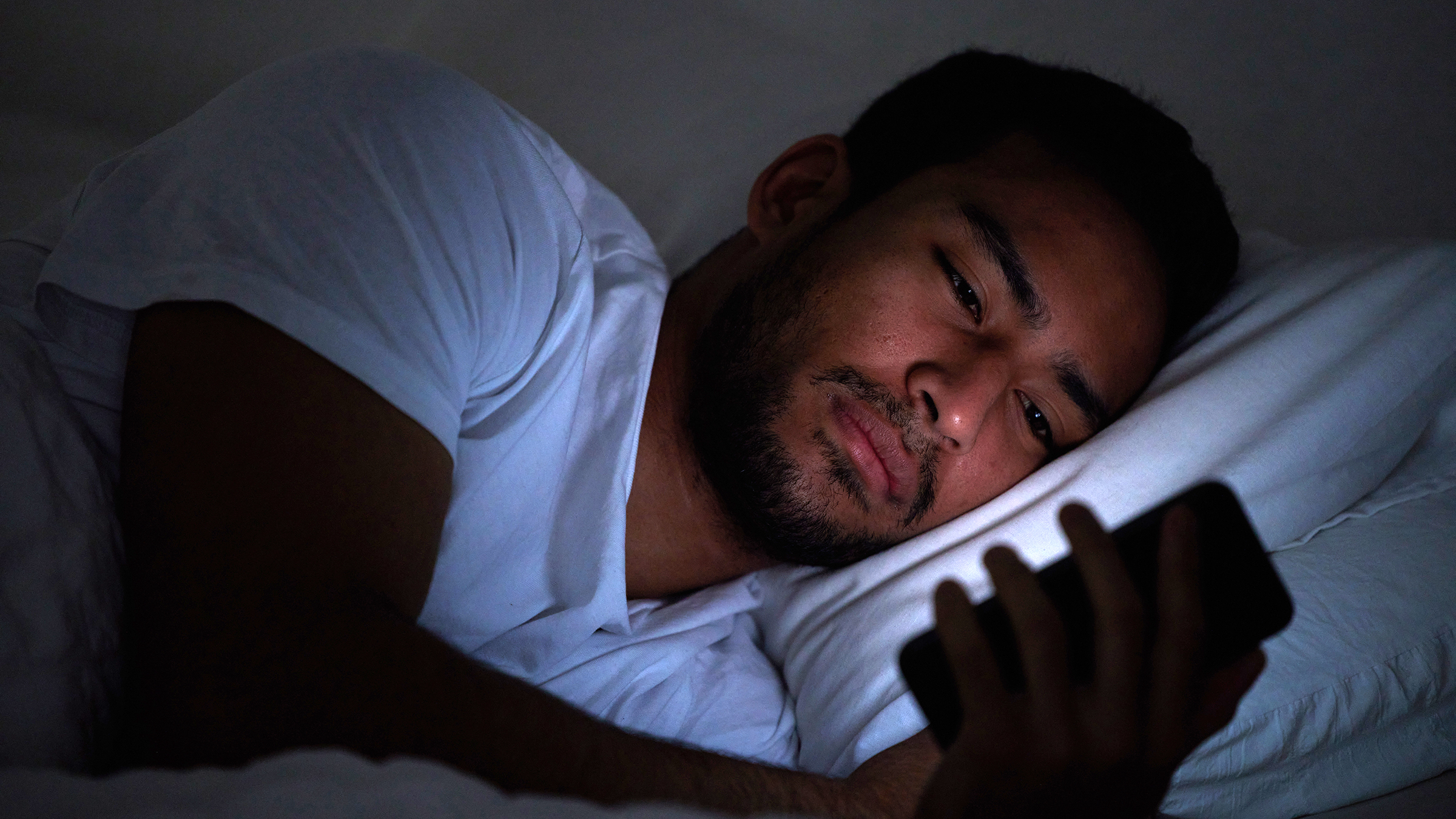
Going to bed at vastly different times confuses your body clock. Blue light from phones and laptops suppresses melatonin, the sleep hormone.
Quick fixes:
- Keep a consistent sleep-wake schedule, even on weekends.
- Use night mode, blue-light filters, or better yet, stop screens an hour before bed.
5. Sleep disorders (sleep apnea, restless legs)
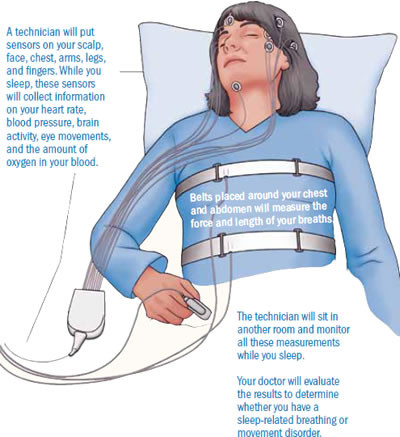
Sometimes the reason for not sleeping well is a medical condition. Sleep apnea, for example, causes breathing pauses that disrupt sleep. Harvard Health lists sleep apnea and restless legs among common medical causes of poor sleep (Harvard Health).
When to see a doctor: If you snore loudly, gasp in your sleep, or have unexplained daytime sleepiness, consult a clinician. The Cleveland Clinic recommends seeking help if sleep loss affects your daily life.
6. Pain and chronic illness
Ongoing pain and some chronic conditions make it hard to fall or stay asleep. Talk to your provider about pain management or adjusting medications that affect sleep.
Quick fixes:
- Use targeted supports such as pillows for back pain.
- Discuss medication timing and alternatives with your clinician.
7. Mental health: anxiety and depression
Depression and anxiety often change sleep patterns. Harvard Health explains that mood disorders are frequent drivers of poor sleep (source).
Quick fixes:
- Talk therapy, exercise, and consistent routines can help.
- If symptoms are strong or persistent, consult a mental health professional.
8. Lack of exercise or daytime activity
Not moving enough during the day can make it harder to feel sleepy at night. Regular exercise improves sleep quality, but avoid vigorous workouts right before bed.
Quick fixes:
- Aim for 20–60 minutes of moderate activity most days.
- Try a walk after dinner to help digestion and promote sleepiness.
9. Jet lag or shift work
Travel and night shifts force your internal clock to shift. The body needs time to adapt, and frequent changes make sleep inconsistent.
Quick fixes:
- When traveling, expose yourself to daylight at the destination to reset the clock.
- For shift work, use blackout curtains and schedule consistent sleep blocks.
10. Medication side effects
Some prescriptions and over-the-counter drugs interfere with sleep. Ask your prescriber whether timing or alternative medicines could help.
How to test which reason fits you
To solve sleep loss, match the cause to the symptom. Try this short checklist for two weeks:
- Keep a simple sleep log: bed time, wake time, number of awakenings, and how you feel in the morning.
- Note caffeine, alcohol, and exercise timing.
- Track stress level and evening screen use.
After two weeks, review patterns. If the log shows frequent awakenings with snoring, prioritize a medical visit. If poor sleep follows late-night screen use or caffeine, start there.

Practical nightly routine to improve sleep
Consistency is the most powerful change. Try this simple routine for two weeks:
- Set a regular bedtime and wake time.
- Wind down for 30–60 minutes: read, stretch, or take a warm shower.
- Avoid screens and bright lights; dim lamps instead.
- Manage stress with 5–10 minutes of breathing or journaling.
Small habits add up. If you stick to a routine, you should notice better sleep within a couple of weeks.
When to see a professional
If self-help steps don’t improve your sleep within a month, or if you have loud snoring, breathing pauses, severe daytime sleepiness, or signs of depression, see a doctor. The Cleveland Clinic suggests consulting a healthcare provider to look for causes and treatments.
Reliable resources with detailed guidance include the Mayo Clinic and the Harvard Health pages. The NHS also offers practical tips for managing insomnia at home.
Lifestyle changes that really help
Long-term sleep improvement often comes from a few steady lifestyle shifts:
- Regular exercise. Aim for most days of the week.
- Mindful caffeine and alcohol use. Time them earlier in the day.
- Consistent sleep schedule. Your body loves predictability.
- Healthy daytime light exposure. Bright light during the day helps nighttime sleepiness.
Resources and further reading
If you want to dig deeper, check these trusted resources:
- Mayo Clinic: Insomnia causes and tips — covers stress, travel, and other triggers.
- Cleveland Clinic: Insomnia overview — when to talk to a healthcare provider.
- Harvard Health: 8 reasons why you’re not sleeping — concise medical causes and solutions.
- NHS: Practical insomnia advice — tips for home remedies and when to seek help.
Watch: quick video summary
Below is a short video that summarizes common causes and fixes for poor sleep.
Putting it together: a 4-week plan
Try this simple plan to track improvement:
- Week 1: Log sleep, remove evening screens, set a bedtime.
- Week 2: Add 20–30 minutes of daytime exercise and limit caffeine.
- Week 3: Optimize your bedroom (dark, cool, quiet) and tweak diet.
- Week 4: Evaluate results. If problems persist, contact a provider.
Final thoughts
There are many reasons for not sleeping well, and most are fixable with targeted steps. Start with the simplest changes — consistent schedule, better sleep environment, fewer evening stimulants — and track your progress. If symptoms persist, consult a professional to rule out sleep disorders or medical issues.
Ready to sleep better? Try one small change this week and build from there. For more guides, tips, and routines, explore other articles at zenpulsehub.com.
Frequently Asked Questions
Why am I not sleeping even when I feel tired?
Feeling tired but unable to sleep is often due to stress, screens, or an irregular schedule. Start with a consistent bedtime and a 30-minute wind-down routine to calm your mind.
Could a medical condition be the reason I’m not sleeping well?
Yes. Conditions like sleep apnea, restless legs, pain, and mood disorders can disrupt sleep. If you snore, gasp at night, or feel sleepy during the day, consult a clinician. Trusted resources include the Mayo Clinic and Cleveland Clinic pages linked above.
How long should I try lifestyle changes before seeing a doctor?
Try consistent lifestyle changes for 2–4 weeks. If your sleep does not improve or daytime function is affected, see a healthcare provider for further evaluation.
Are sleep aids safe to use long-term?
Over-the-counter and prescription sleep aids can help short-term but often are not a long-term solution. Discuss risks and alternatives with a healthcare professional before using them regularly.