


Sleep as a Coping Mechanism: Healthy or Harmful?
Sleep as a coping mechanism is something many of us turn to when stress feels overwhelming. It can feel like a safe, quiet place to escape racing thoughts or painful feelings. In this post we’ll explore why people use sleep to cope, when it helps, when it harms, and practical steps you can try to get balance and healthier stress relief.
Why people use sleep as a coping mechanism
When stress hits, sleep can feel like a refuge. People may use sleep as a coping mechanism to:
- Avoid painful emotions — sleeping lets you temporarily escape painful thoughts.
- Reset the mind — after restful sleep, problems sometimes feel more manageable.
- Reduce physiological arousal — sleep lowers heart rate and stress hormones.
Is this always a bad sign?
Not always. Using sleep occasionally to regroup isn’t necessarily harmful. But when sleep becomes the default way to handle stress — especially if it cuts into daily life or uses many hours — it can be a red flag for avoidance or untreated mood issues.

Is sleep as a coping mechanism helping or hurting?
The honest answer: it depends. Sleep can be restorative and support recovery from short-term stress. But relying on sleep as a chronic coping strategy can create problems like oversleeping, social withdrawal, and worsened mood.
When sleep helps
Sleep helps when it’s used sparingly and as part of a broader set of healthy coping tools:
- Short naps after a late night can improve focus.
- A full night’s sleep restores memory, mood, and stress resilience.
- When combined with therapy, exercise, or social support, sleep supports recovery.
When sleep hurts
Sleep becomes harmful when it is used to dodge life consistently:
- Sleeping away responsibilities or relationships.
- Using sleep to avoid processing emotions long-term.
- Developing irregular sleep patterns that worsen anxiety or depression.
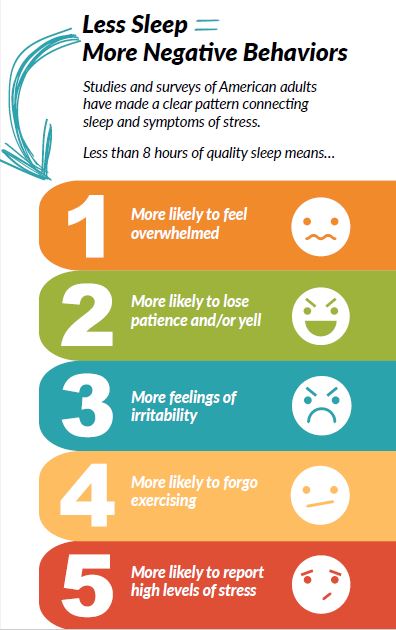
How stress and coping style affect sleep
Research shows coping styles shape how stress impacts sleep. A flexible coping approach — combining problem-solving, social support, and rest — tends to protect sleep. Conversely, avoidant coping like using sleep to escape can make sleep patterns irregular and less restorative. For deeper reading, see this review on coping styles and sleep mechanisms: Coping styles and behavioural flexibility.
Typical patterns you might notice
- Increased sleep duration: Sleeping much longer than usual after stressful events.
- Fragmented sleep: Waking often at night with racing thoughts.
- Daytime sleepiness: Difficulty functioning despite long sleep.
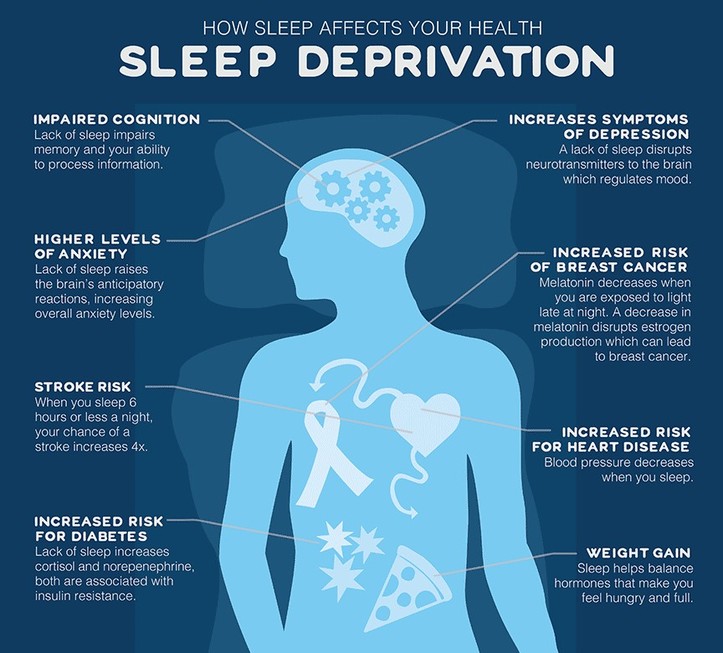
Signs sleep as a coping mechanism has become unhealthy
Watch for these warning signs that your sleep habit has shifted from helpful to harmful:
- You’re using sleep to avoid social interactions or responsibilities.
- You feel guilty or ashamed about how much you sleep.
- Your sleep pattern is unpredictable and affects work or studies.
- You notice worsening mood, low energy, or difficulty concentrating.
Real experiences people share
Many in online communities talk about using sleep to cope. For example, someone on Reddit asked if others use sleep as an unhealthy coping strategy after rough nights — a common experience among those coping with trauma: read the discussion. Another thread explores using sleep extensively as a way to heal: people’s perspectives on excessive sleep.
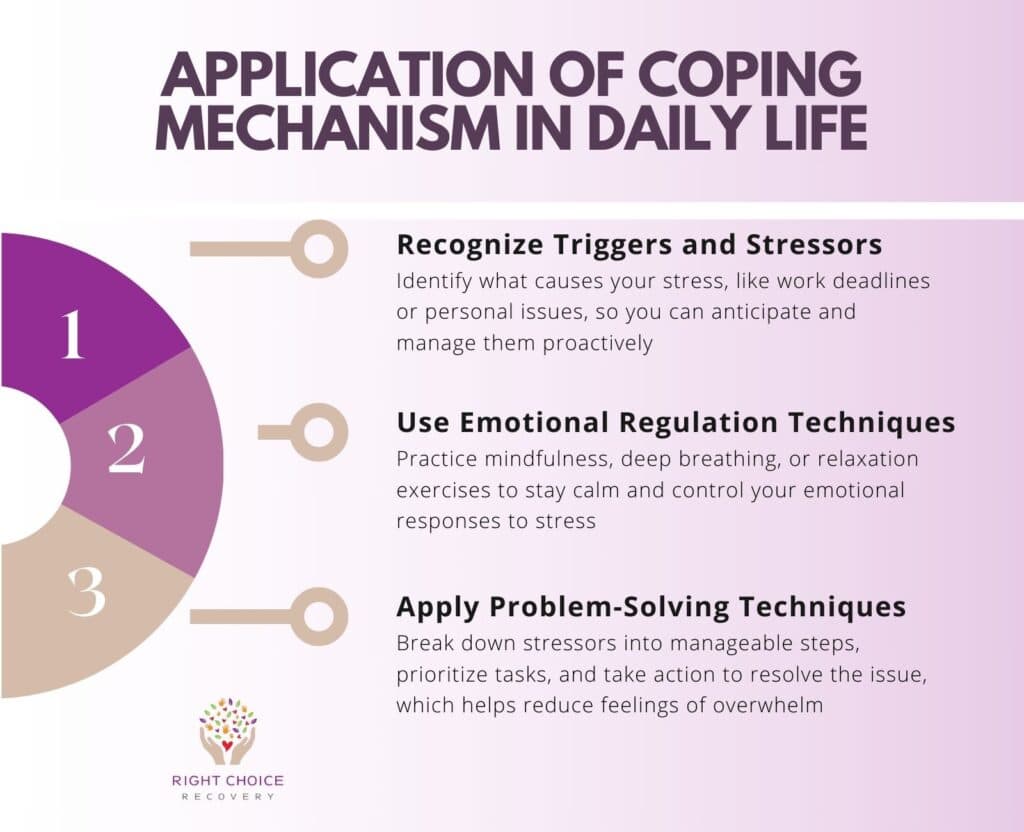
Practical steps to shift toward healthier coping
If you notice you’re turning to sleep as a coping mechanism too often, try these steps. They balance rest with active coping so you can manage stress without losing time or motivation.
1. Build a gentle sleep routine
Stabilize your sleep by setting consistent sleep and wake times. Short-term intentional naps (20–30 minutes) can help without disrupting nighttime sleep. The CDC suggests routines help with better sleep and overall coping during stressful times: CDC guidance on living with stress.
2. Add low-effort activities before bed
- Light stretching or a short walk.
- Listening to calming music or a guided relaxation.
- Journaling for 10 minutes to process emotions instead of escaping them.
3. Use sleep as one tool among many
Healthy coping includes problem-focused tools (planning, setting boundaries), emotion-focused tools (talking, mindfulness), and restorative tools like sleep. Mixing strategies makes you more resilient and reduces the urge to hide in sleep.
4. Seek social and professional support
Talking to a friend, joining a support community, or seeing a counselor can help you process stress rather than avoid it. If sleep patterns or mood interfere with daily life, consider professional help.
How to tell if sleep is short-term rescue or chronic avoidance
Ask yourself these quick questions:
- Am I sleeping more only for a few days after an acute stressor?
- Does sleep help me return to normal functioning afterward?
- Is sleep interfering with my responsibilities or relationships?
If you answered “yes” to the last question, sleep may have become a chronic avoidance strategy rather than a short-term rescue.
Making small changes that stick
Try swapping one hour of daytime sleep for an activity that helps you feel grounded — a short walk, a phone call to someone you trust, or a five-minute breathing exercise. Small swaps build new habits without harsh rules.
Simple daily plan to replace excessive sleep with balanced coping
Here’s a short, realistic plan to shift toward healthier coping without giving up rest:
- Morning: Wake at a set time, sunlight exposure, 5–10 minutes of stretching.
- Midday: Short movement break, hydrate, one 20–30 minute nap if needed.
- Evening: Wind-down routine, limit screens for 60 minutes before bed, journaling.
Evidence and resources
To understand the science behind coping and sleep, this review examines how coping style moderates stress effects on sleep: Coping styles and behavioural flexibility. For a personal-perspective piece on using sleep as a coping strategy, see this thoughtful Medium article: Do You Use Sleep As A Coping Mechanism? Read This. And if you need practical community support during traumatic events or disasters, the CDC provides coping guidance here: CDC: Coping with stress.
When to get professional help
Consider reaching out to a mental health professional if:
- Your sleep is harming work, study, or relationships.
- You use sleep to completely avoid emotions or responsibilities.
- You have persistent low mood, anxiety, or thoughts of harming yourself.
What a therapist might help with
A therapist can help you:
- Identify triggers that lead to avoidance via sleep.
- Learn emotion-regulation strategies that don’t rely solely on sleep.
- Create a sustainable plan to improve sleep hygiene and daily structure.
Quick takeaways
- Sleep as a coping mechanism can be restorative short-term but risky if it becomes avoidance.
- Mix sleep with active coping strategies for the best results.
- Look for warning signs like missed responsibilities, persistent fatigue, or social withdrawal.
- Reach out for support if sleep is interfering with life — help is available.
Remember: sleep is a tool, not a cure. When used thoughtfully alongside problem-solving and emotional support, it boosts resilience. When it becomes the only tool, it can hide problems and slow healing.
Can sleeping more make anxiety worse?
Yes. Oversleeping can disrupt circadian rhythms and reduce daytime activity, which may increase anxiety or low mood for some people. Balancing sleep with daylight exposure and movement can help.
How many times should I nap if I’m stressed?
Short naps (20–30 minutes) can be refreshing. Limit naps to avoid interfering with nighttime sleep. If you nap daily for long periods to avoid stress, consider talking with a professional.
Is sleeping through stress the same as depression?
Not always, but there’s overlap. Both can involve changes in sleep. If you notice persistent low mood, hopelessness, or loss of interest plus heavy sleep, reach out for evaluation.
Where can I read personal stories about using sleep to cope?
Online forums like Reddit’s CPTSD community include many personal accounts about using sleep as a coping tool. See threads such as this discussion and this conversation.
If you found this helpful, explore more guides and practical tips on stress, sleep, and coping at zenpulsehub.com. Try one small change today — your next day can feel noticeably better.






