

sleep for stress management: Better Rest, Less Stress
Learn simple, science-backed ways to use sleep for stress management and feel calmer, clearer, and more resilient.
Sleep for stress management is one of the most powerful, low-cost tools you already have. Good sleep helps your brain process emotions, lowers daily tension, and restores focus. If you feel wired and overwhelmed, improving sleep can cut stress in practical, lasting ways.
Why use sleep for stress management?
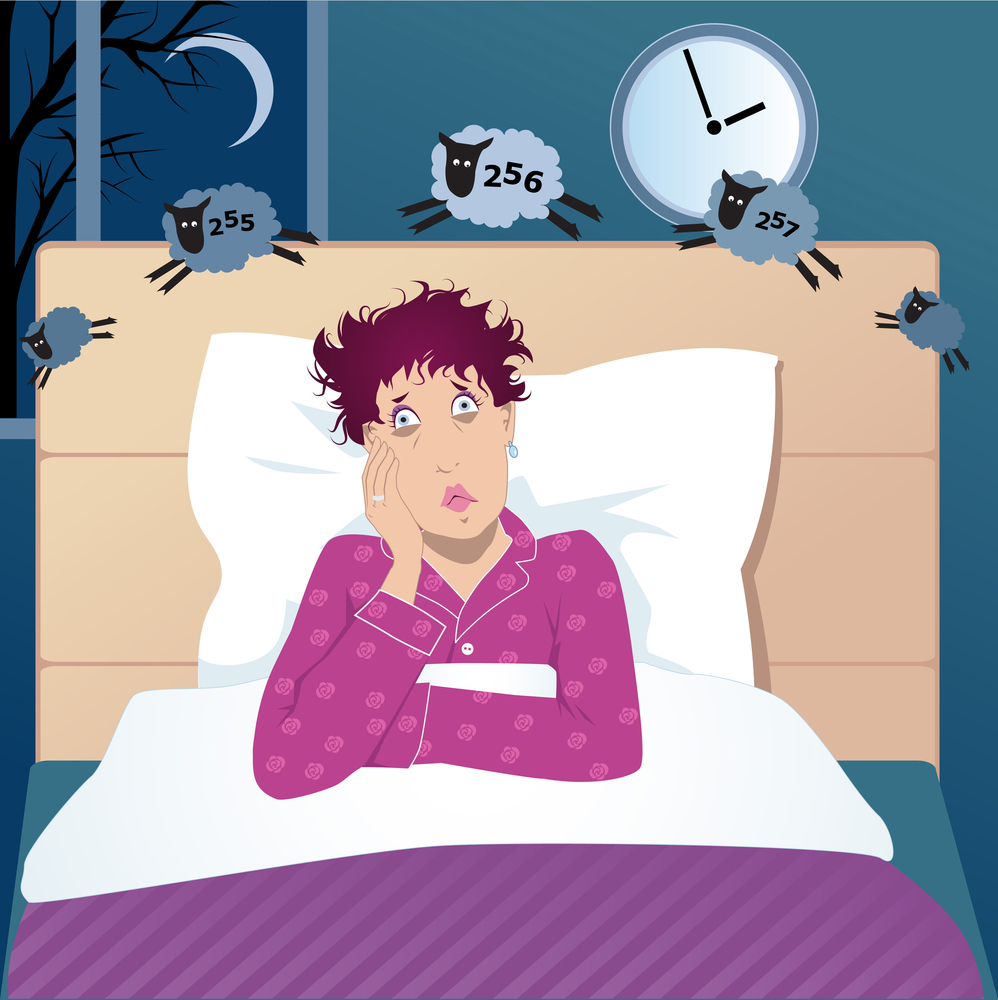
Stress and sleep are tightly linked. When you sleep well, your brain clears stress hormones and consolidates emotional memories. When you don’t, your reactivity rises and problems feel bigger. Research shows that poor sleep makes it harder to cope with everyday pressures and can create a vicious sleep-stress cycle (see resources from the American Psychological Association).
What the science says
Studies link chronic sleep loss with higher perceived stress and reduced emotional regulation. For example, a review in PubMed Central highlights how sleep duration and quality affect stress response systems and mood (PMC5923838). Banner Health explains how ongoing sleep deprivation reduces your brain’s ability to manage stress and concentrate (Banner Health).
How sleep improves stress resilience
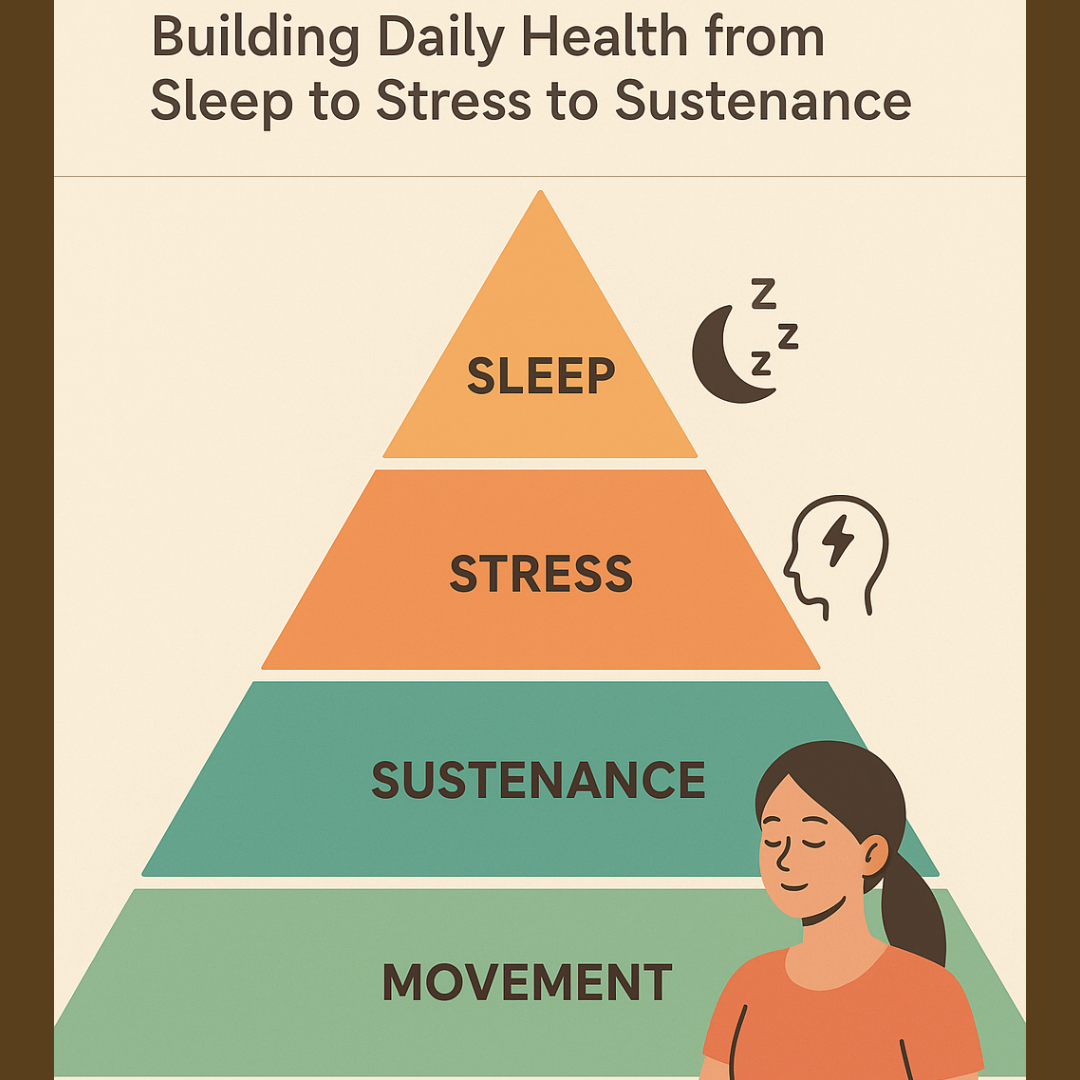
Using sleep for stress management works because sleep:
- Reduces cortisol: Deep sleep lowers stress-hormone levels.
- Balances emotions: REM sleep helps process feelings and reduce emotional charge.
- Boosts focus: Rested brains plan and solve problems better, so stressors feel manageable.
- Restores energy: More energy means a calmer reaction to daily demands.

Practical sleep tips to lower stress
Below are clear, doable habits you can start tonight. These are focused on using sleep for stress management so results show fast.
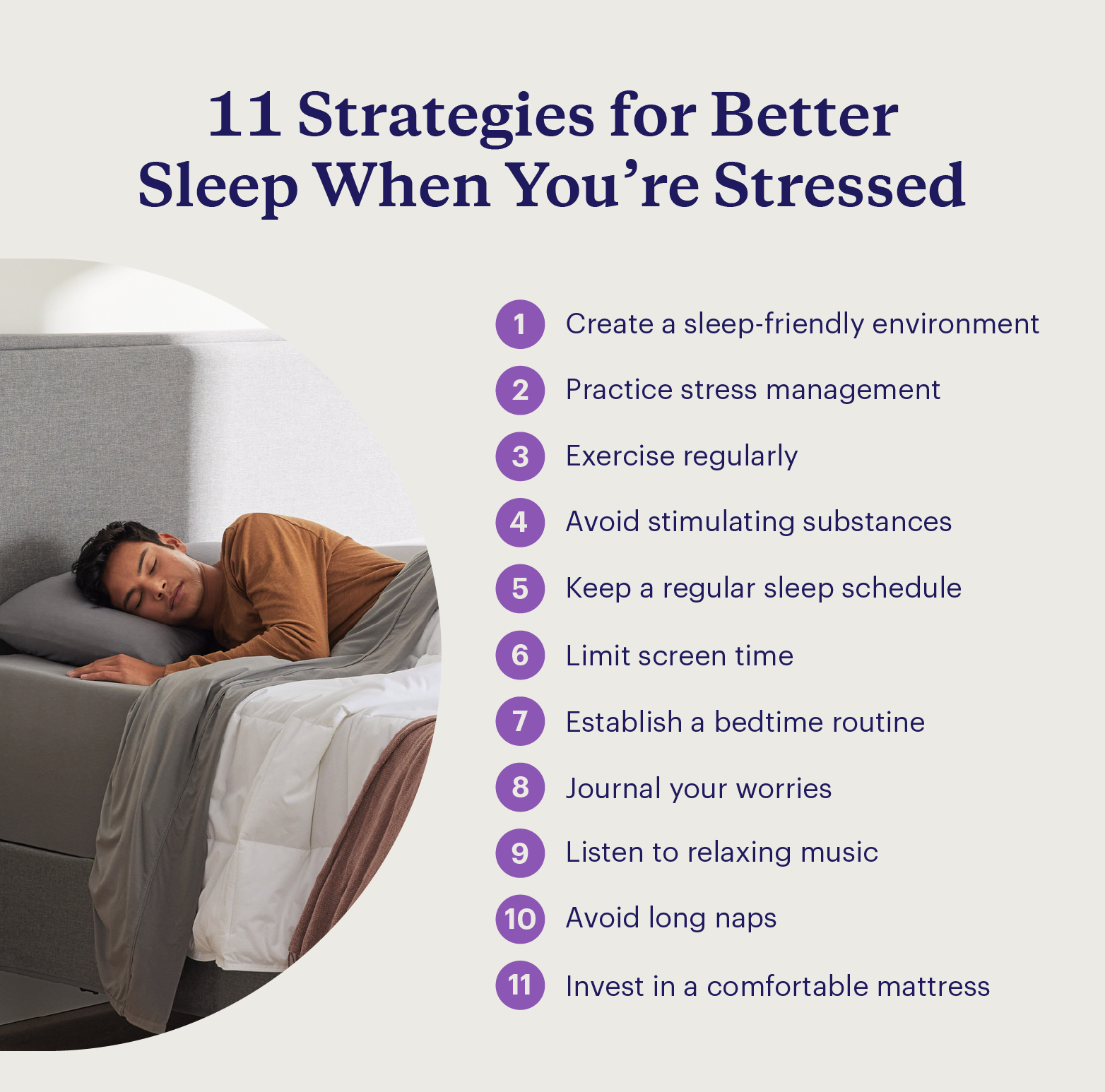
1. Build a consistent sleep schedule
Go to bed and wake up within the same 30–60 minute window every day. Consistency anchors your circadian rhythm, making sleep easier and reducing evening anxiety.
2. Create a 30–60 minute wind-down routine
A simple routine signals safety to your nervous system. Try this short sequence:
- Dim lights 30 minutes before bed.
- Turn off screens; read or listen to calm music instead.
- Do 5–10 minutes of breathing or progressive muscle relaxation.
Hopkins Medicine recommends yoga, meditation, and simple exercises as effective stress relief techniques to improve sleep and reduce nighttime worry (Hopkins Medicine).
3. Make your bedroom a stress-free zone
Keep the room cool, dark, and quiet. Remove work items and bright tech. The Sleep Foundation notes that evaluating your sleep environment for stressors is a strong step toward better rest (Sleep Foundation).
4. Mind your daytime habits
- Limit caffeine: Avoid after mid-afternoon.
- Move daily: 20–40 minutes of moderate exercise reduces tension and helps sleep.
- Watch evening alcohol: Alcohol may help you fall asleep but fragments restorative sleep later.

Wind-down practices that actually work
Small, consistent practices beat big, sporadic efforts. Try these evidence-based methods:
- Box breathing: Inhale 4, hold 4, exhale 4, hold 4. Repeat 4–6 times to lower heart rate.
- Progressive muscle relaxation: Tense then release each muscle group from toes to head.
- Guided imagery: Imagine a calm place. Focus on sensory detail—sounds, smells, textures.
- Journaling (10 minutes): Write down tomorrow’s tasks and one thing you did well today to reduce rumination.
Use naps wisely
Short naps (10–20 minutes) can refresh the mind without harming nighttime sleep. Avoid long late-afternoon naps that can disrupt your schedule.
When stress keeps you awake: targeted strategies
If racing thoughts steal sleep, combine behavioral fixes with mental tools.
Get out of bed if you can’t sleep
If you’re not asleep after 20 minutes, get up and do a calm, dim activity (read, light stretching) until sleepy. This trains your brain to link bed with sleep instead of worry.
Use cognitive techniques
CBT-type tools help reduce bedtime anxiety: challenge catastrophic thoughts, set a short “worry time” earlier in the evening, and replace “I must sleep” pressure with acceptance and gentle routines.
Daily checklist: Simple steps tonight
- Set a fixed bedtime and wake time.
- Lower lights 30 minutes before bed.
- Do 5 minutes of box breathing or progressive relaxation.
- Turn off screens or use blue-light filters earlier in the evening.
- Keep the bedroom cool (about 60–67°F / 15–19°C).
How to know if you need extra help
Most people improve with consistent sleep habits. Seek professional care if you have:
- Chronic insomnia that lasts months.
- Daytime sleepiness that impairs work or safety.
- Worries or panic that keep you awake despite healthy sleep hygiene.
Medical teams and therapists can combine behavioral sleep therapy and stress counseling. Banner Health and other health systems describe how chronic sleep problems amplify stress and where to seek help (Banner Health).
Watch and practice: a short guide
Try this brief video to practice a calming routine tonight. The guided audio supports a gentle wind-down and teaches a few simple relaxation steps.
Guided Sleep and Stress Relief Practice
Quick FAQ: Common sleep stress questions
Short answers to frequent concerns.
How long before I’ll notice a difference?
Many people feel calmer within a few nights of consistent routines. Deeper changes (emotional resilience, less rumination) may take 2–8 weeks of steady habits.
Can sleep fix severe anxiety?
Sleep helps a lot, but severe anxiety often needs targeted therapy and sometimes medication. Use sleep improvements alongside professional care when needed.
Are sleep supplements helpful?
Occasional melatonin or herbal supplements can help reset rhythms, but they’re not a long-term fix for stress-related sleep problems. Talk to a clinician before starting regular supplements.
Further reading and trusted resources
For more on sleep and stress, check these trusted sources:
- Sleep Foundation — practical sleep-hygiene tips and environment checks.
- Johns Hopkins Medicine — yoga, tai chi, and other stress-relief exercises for sleep.
- Banner Health — how chronic sleep deprivation affects stress and concentration.
- PMCID: PMC5923838 — scientific review on sleep and stress.
Putting it all together
Using sleep for stress management means making small, consistent changes: protect your sleep schedule, design a calming ritual, and tune your environment. Over time these steps reduce daily tension, sharpen thinking, and improve mood. Keep expectations realistic—consistency is the real secret.
Can I improve stress by changing just my bedtime?
Yes—shifting to a consistent bedtime can quickly reduce evening stress. Pair it with a short wind-down routine for faster results.
Is it normal to feel more anxious when trying to sleep?
Yes. Bedtime can amplify worries. Use grounding tools (breathing, journaling) and get out of bed after 20 minutes if sleep won’t come.
Are naps bad if I’m stressed?
Short naps (10–20 min) can refresh you without hurting nighttime sleep. Avoid long or late naps if they make falling asleep harder at night.
When should I see a doctor about sleep and stress?
If sleep problems persist for several weeks, cause daytime impairment, or are paired with panic or severe depression, seek a clinician for evaluation and treatment.






