
Stress Sleep: Restore Rest When Life Gets Loud
Stress sleep — the way stress disrupts your rest — shows up as tossing, turning, and waking early. If you feel wired at night or replay the day’s worries, you are not alone. This guide explains why stress tears into sleep and gives clear, practical steps to help you get back to calm, consistent rest.
What is stress sleep and why it matters
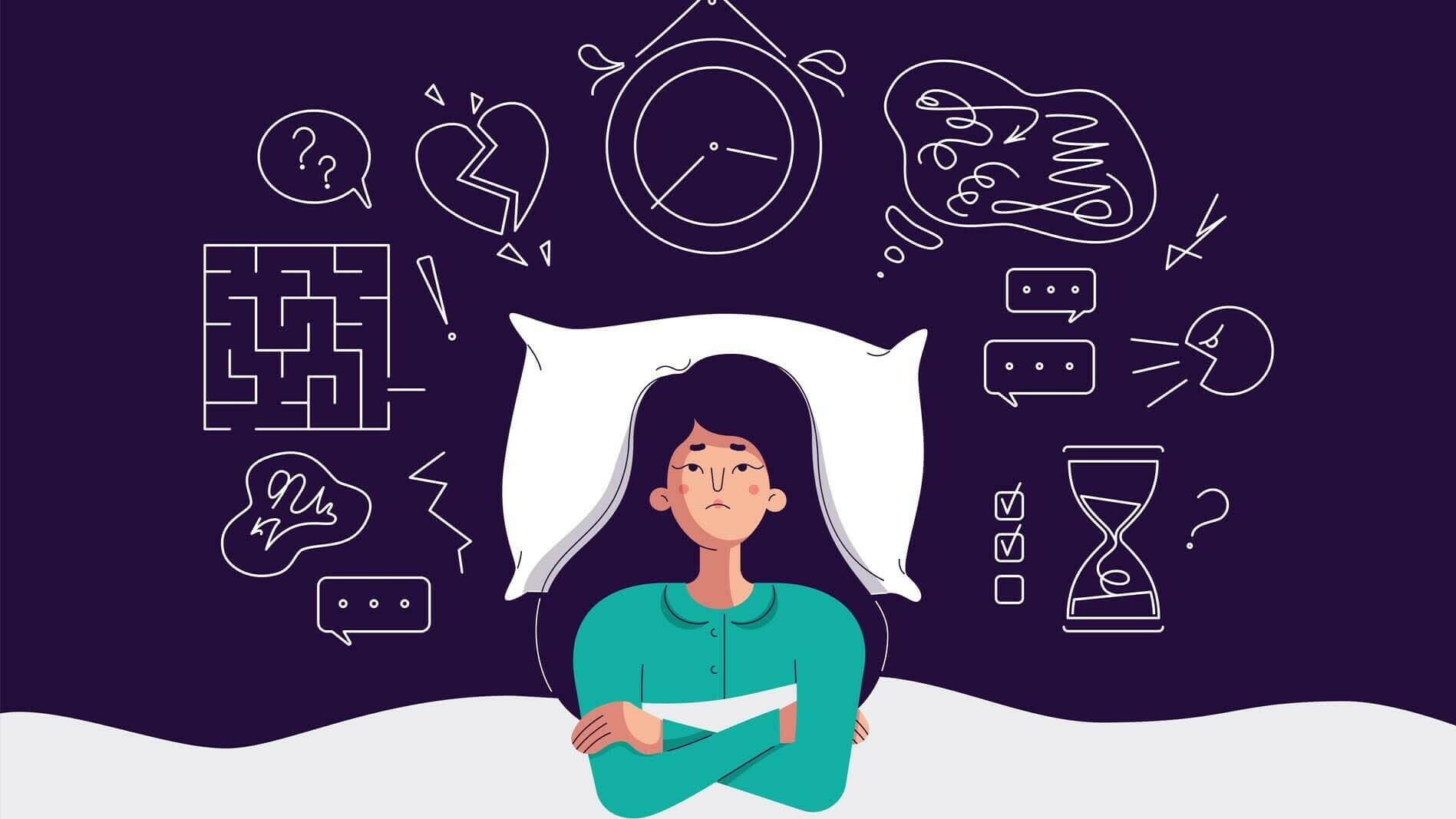
When we talk about stress sleep, we mean how stress makes it hard to fall asleep, stay asleep, or get deep restorative sleep. Stress triggers a biological response — increased heart rate, hormones like cortisol, and racing thoughts — all of which get in the way of rest.
Researchers describe a trait called sleep reactivity: some people’s sleep breaks down more easily when stress hits. A review in PubMed Central explains that sleep reactivity is a “trait-like degree to which stress exposure disrupts sleep.” That helps explain why one person can sleep through a storm while another wakes at the smallest worry (https://pmc.ncbi.nlm.nih.gov/articles/PMC7045300/).
Stress sleep: the body and mind connection
Your nervous system responds to perceived threats by shifting into a state of alert. For sleep, that is the opposite of what you need. Key points:
- Cortisol and adrenaline stay elevated, making it hard to fall asleep.
- Racing thoughts and worry loop keep the mind from downshifting.
- Fragmented sleep reduces deep and REM stages, affecting memory and mood.
What the experts say
The American Psychological Association has documented how stress affects sleep in daily life and why it matters for health. Their surveys show stress frequently interferes with sleep for both adults and teens (https://www.apa.org/news/press/releases/stress/2013/sleep).

How stress sleep shows up
Stress sleep can take many forms. Here are common patterns:
- Difficulty falling asleep: You lie awake thinking about tomorrow.
- Waking during the night: You wake and ruminate, which makes sleep harder to restart.
- Early morning awakening: You wake up too early and can’t drift back to sleep.
- Nonrestorative sleep: You sleep but wake unrefreshed.
Why short-term stress can become longer-term trouble
Short-term stress is normal. The problem starts when poor sleep adds extra stress for the next day. Johns Hopkins Medicine explains how a poor night makes the body and brain work harder the next day — a cycle that can be hard to break (https://www.hopkinsmedicine.org/health/wellness-and-prevention/sleepless-nights-try-stress-relief-techniques).

Practical steps to improve stress sleep tonight
The good news: small changes can make a big difference. Try these evidence-based strategies to calm your body and mind.
1. Build a short wind-down routine
A consistent 30–60 minute routine tells your brain it’s time to rest. Keep it low-key: dim lights, quiet activities, and a clear end point. Examples:
- Turn off bright screens 60 minutes before bed.
- Read a paperback, listen to quiet music, or take a warm shower.
- Write a 5-minute “worry list” and set it aside.
2. Use breathing and grounding to shift the nervous system
Simple breathing slows heart rate and lowers stress hormones. Try box breathing: breathe in for 4, hold 4, out 4, hold 4. Repeat 4–6 times. Grounding techniques — feel your feet on the floor, notice five things you can see — also reduce bedtime racing thoughts.
3. See the role of caffeine, alcohol, and late exercise
Stimulants and alcohol can fragment sleep. Move caffeine to earlier in the day and keep evening alcohol to a minimum. Gentle evening movement like stretching or a short walk can help, but intense workouts late at night may keep you wired.
4. Apply cognitive strategies
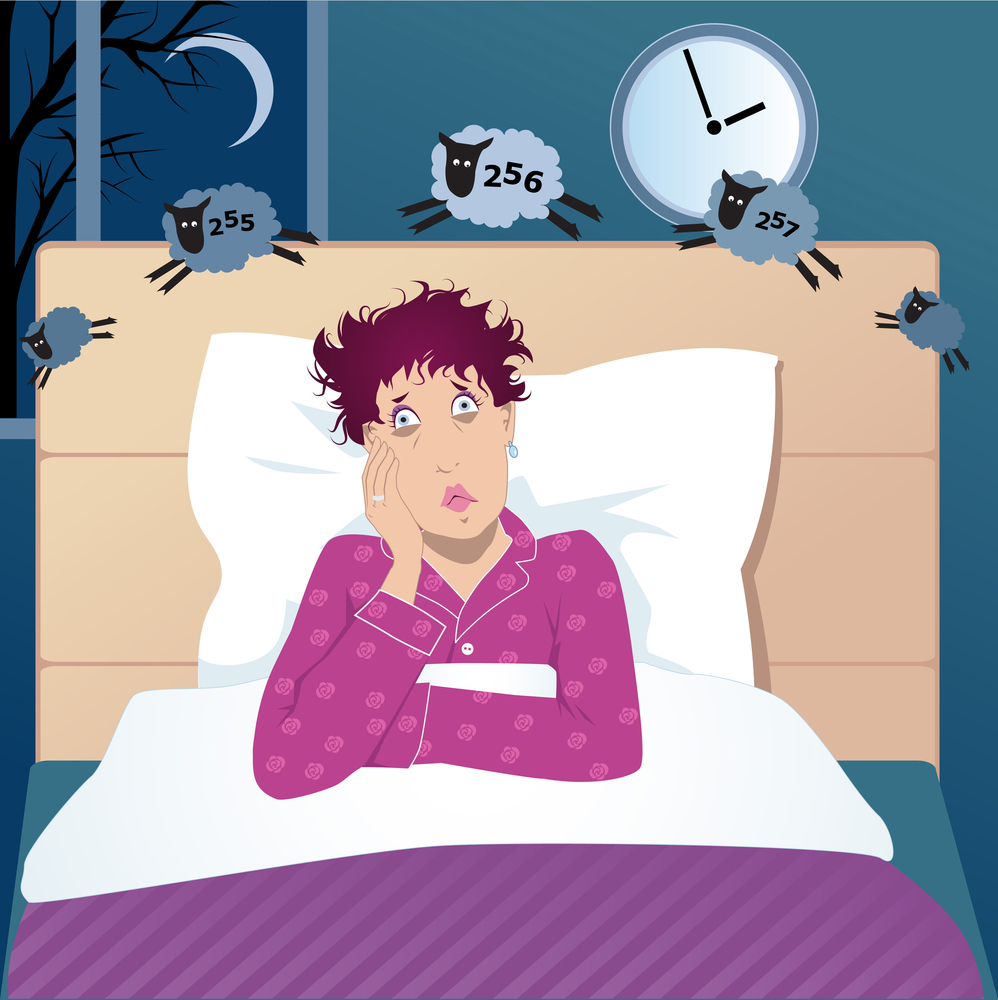
Worry is often the biggest barrier. Simple cognitive shifts help:
- Worry window: Schedule 15–20 minutes earlier in the evening to process concerns.
- Label thoughts: Say silently, “That’s a worry,” then return to a breathing anchor.
- Problem-solve offline: If a thought requires action, jot a quick note and move on.
5. Use the bed for sleep (and sex) only
Train your brain to associate bed with sleep by avoiding work, screens, and stressful conversations in bed. If you struggle to fall asleep, get up and do a calm activity until you feel sleepy.
When to get professional help
Occasional bad nights are normal. Seek help if problems persist for weeks or affect daily life. Baylor College of Medicine notes that chronic high stress impairs sleep and that persistent sleep loss can keep the body’s stress response turned on (https://www.bcm.edu/news/how-stress-can-affect-your-sleep).
Talk to your primary care provider or a sleep specialist if you have:
- Nightly sleep problems lasting more than a month.
- Extreme daytime fatigue or trouble concentrating.
- Signs of sleep disorders like loud snoring or pauses in breathing.
Evidence and resources
Research continues to show how sleep and stress interact. A 2019 review and other studies highlight sleep’s powerful role in managing emotional memory and reducing the negative effects of stress. For deeper reading, see these sources:
- Sleep reactivity and stress (PMC) — explains trait-like sleep reactivity and stress disruption.
- APA report on stress and sleep — national survey showing stress commonly interferes with sleep.
- Johns Hopkins tips — how a poor night adds stress and practical relief techniques.
- Baylor College of Medicine — how high levels of stress impair sleep and the body’s stress feedback loop.
- ScienceDirect review — recent evidence of how sleep can reduce the negative impacts of stress.
Daily checklist to beat stress sleep
Use this short checklist to build steady habits:
- Wake and sleep at the same times each day.
- Limit screens 1 hour before bed.
- Practice 5–10 minutes of breathing or mindfulness in the evening.
- Avoid caffeine 6–8 hours before bedtime.
- Keep the bedroom cool, dark, and quiet.
Watch: quick expert tips
Below is a short video that gives clear, practical tips for sleeping when stressed. It’s a helpful companion to the steps above.
Final thoughts
Stress sleep is common, but it doesn’t have to be permanent. With small, consistent changes — a calming routine, targeted breathing, and better sleep habits — most people can reclaim restful nights. If insomnia or daytime impairment continues, reach out for professional support.
Take one step tonight: try a 10-minute breathing routine or a 5-minute worry notebook. Small wins build momentum.
For more guides on stress, sleep, and simple routines to help your nervous system unwind, explore more at zenpulsehub.com. Your next better night could start tonight.
How quickly can stress sleep improve?
Many people notice improvement within a few nights to two weeks after applying bedtime routines and breathing exercises. For chronic issues, expect several weeks of consistent practice or professional guidance.
Are sleeping pills a good solution for stress-related sleep problems?
Sleeping pills can help short-term but don’t address the underlying stress. Behavioral approaches and sleep hygiene are safer for long-term benefits. Consult a provider before taking medications.
What if worry keeps me awake for hours?
Try a ‘worry window’ earlier in the evening to process concerns. If you wake at night ruminating, get up, do a quiet activity, and return to bed when sleepy. If this pattern persists, consider cognitive-behavioral therapy for insomnia (CBT-I).
Can tracking sleep help reduce stress about sleep?
Tracking can be helpful but may increase anxiety for some people. Use tracking as a gentle guide, not a strict judge. Focus on patterns and improvements over weeks rather than nightly numbers.