
Sleep Hygiene Tips for Better Rest
Sleep hygiene tips can change how you sleep tonight. Good sleep starts with simple habits, a calm bedroom, and a consistent routine. This guide walks you through practical, science-backed steps that anyone aged 20–45 can use to get deeper, more restorative sleep.
Why sleep hygiene matters
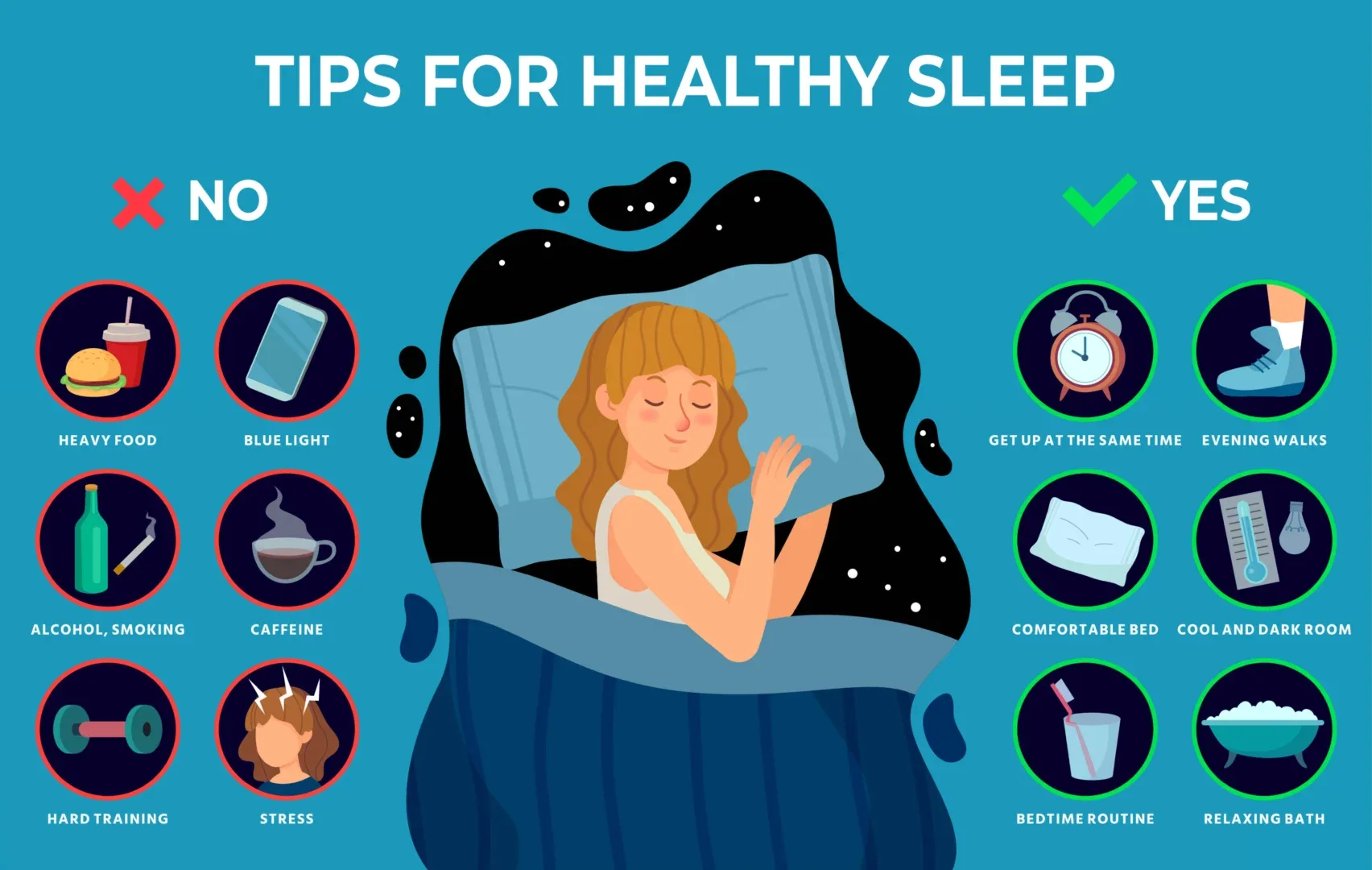
Sleep hygiene refers to the habits and environmental factors that support consistent, high-quality sleep. When you polish these habits, you can fall asleep faster, sleep more deeply, and wake feeling refreshed. Use these sleep hygiene tips to build nightly rituals and a bedroom that works for sleep.
Top Sleep Hygiene Tips to Start Tonight
Below are the most effective, practical sleep hygiene tips you can apply right away. Each tip is short and actionable.
1. Keep a consistent sleep schedule
Go to bed and wake up at the same time every day — yes, even on weekends. Consistency strengthens your circadian rhythm and makes falling asleep easier.
2. Build a short, relaxing bedtime routine
Spend 20–40 minutes winding down before bed. Choose calming activities like reading a physical book, gentle stretching, or a warm shower. Avoid intense exercise and bright screens during this time.
3. Make your bedroom a sleep sanctuary
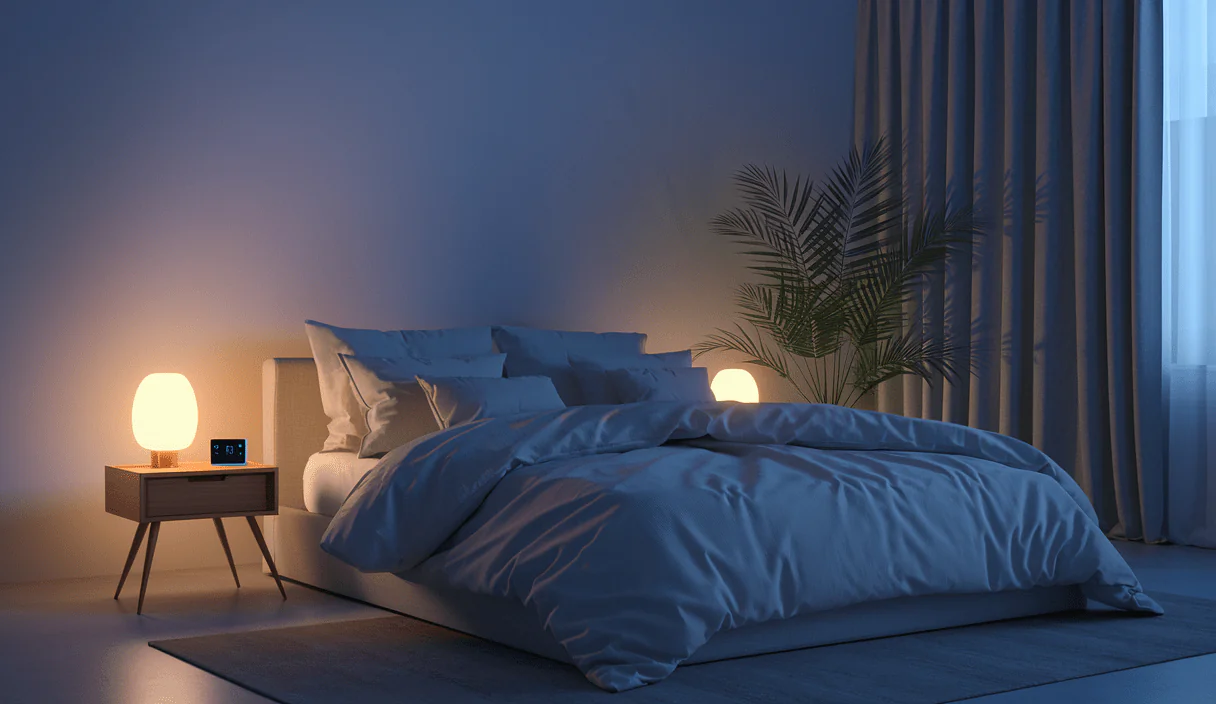
Design your room for rest. That means cool, dark, quiet, and comfortable. Consider blackout curtains, a supportive mattress, and noise masking if needed.
Daily Habits that Support Sleep Hygiene
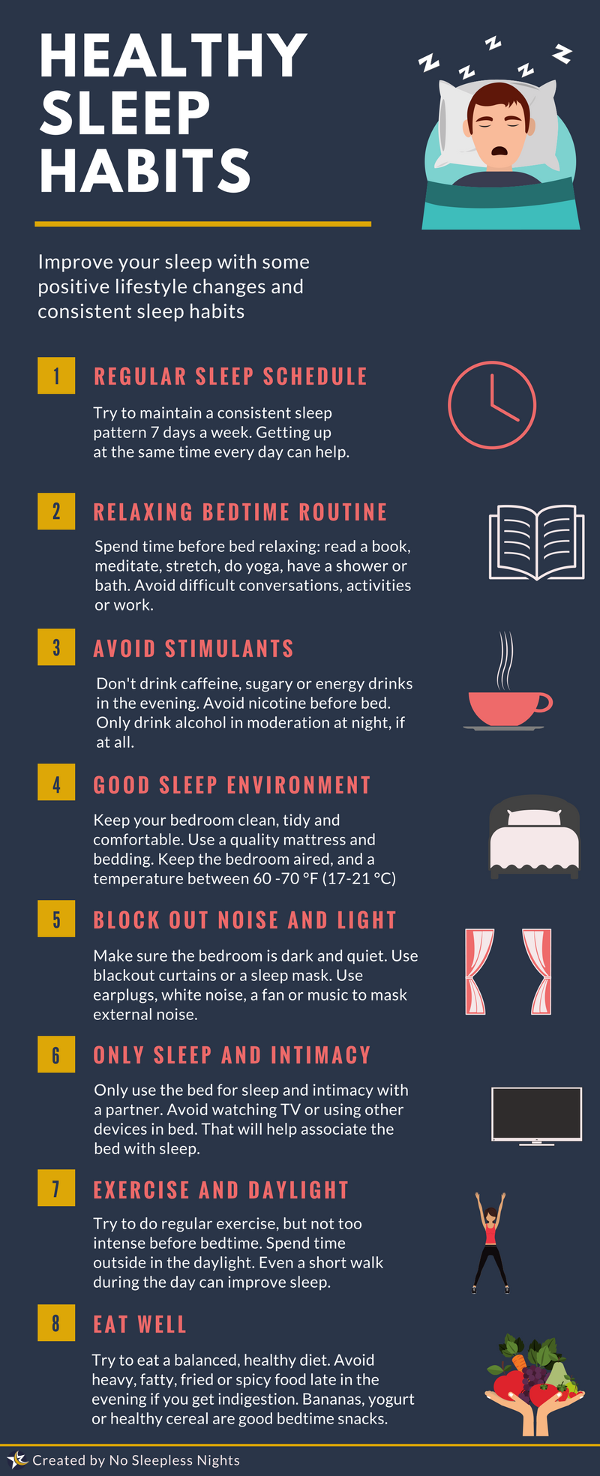
Good sleep hygiene is also built during the day. These habits help your body know when it’s time to be awake and when it’s time to sleep.
- Get bright light early: Morning sunlight helps set your internal clock.
- Limit naps: Keep naps under 20 minutes and before mid-afternoon.
- Move daily: Regular mild-to-moderate exercise improves sleep, but avoid intense workouts close to bedtime.
- Watch caffeine and alcohol: Avoid caffeine after early afternoon. Alcohol may make you sleepy but fragments sleep later in the night.
Bedroom Setup: Small fixes, big results
Optimizing the sleep environment is one of the fastest ways to improve rest.
- Temperature: Aim for a cool bedroom — typically 60–68°F (15–20°C).
- Light: Use blackout curtains or an eye mask. Dim lights an hour before bed.
- Noise: Use white noise or earplugs if you can’t control ambient sounds.
- Bedding: Replace a worn mattress or pillows. Comfort matters for uninterrupted sleep.
:max_bytes(150000):strip_icc()/what-is-sleep-hygiene-5085887-FINAL-831b8421e75249f0952fbf4efb0adda7.png)
Technology and substance tips
Devices and substances can either help or harm sleep. Use them intentionally.
- Blue light: Avoid screens for 60–90 minutes before bed. If you must use devices, enable night mode or use blue-light filters.
- Alcohol: Skip alcohol near bedtime — it fragments sleep cycles.
- Nicotine: Nicotine is a stimulant. Avoid close to bedtime.
- Evening eating: Keep large meals at least 2–3 hours before bed to prevent indigestion.
How to use these sleep hygiene tips if you struggle with insomnia
If you already have trouble sleeping, these tips still matter. Start with the basics and add changes gradually. For many people, consistent routines and a better sleep environment reduce time awake in bed.
For persistent insomnia, consider evidence-based treatments such as cognitive behavioral therapy for insomnia (CBT-I). Many public health resources provide guidance: check the CDC’s sleep basics for practical steps, or read the Western Australia CCI sleep hygiene sheet for clinical advice.
Simple nightly routine example
Here’s a short routine you can try for a week and tweak as needed.
- 90 minutes before bed: dim lights, stop heavy work, finish eating.
- 60 minutes before bed: switch devices off or use blue-light filters; make a short to-do list for tomorrow to clear your mind.
- 30 minutes before bed: gentle stretching, warm shower, or reading a light book.
- Lights out at scheduled time. If you can’t sleep after 20 minutes, get up and do a calm activity until you feel sleepy.
Tracking and measuring progress
Track sleep time, wake time, and sleep quality for at least two weeks. Simple tracking helps you notice patterns and decide which sleep hygiene tips actually help you. Smartphone sleep apps, a journal, or a wearable tracker all work.
Common mistakes and how to fix them
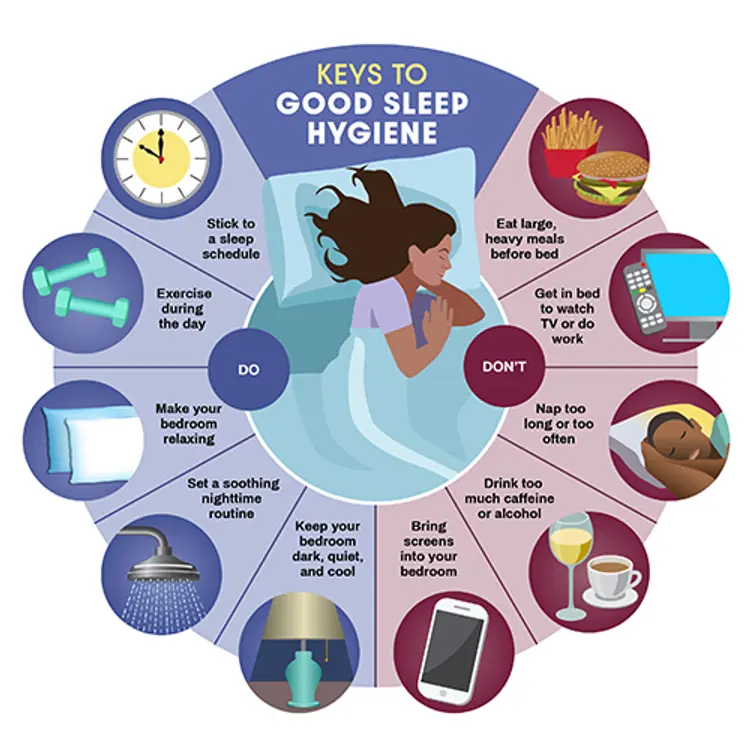
Here are mistakes people often make and quick fixes:
- Inconsistent wake times: Fix it by setting one wake time and using alarms for two weeks.
- Using bed for work: Keep the bed for sleep and sex only. Leave work to a chair at a desk.
- Overreliance on sleep aids: Medication can help short-term, but build habits for lasting change and consult a clinician if needed.
Who should use these tips?
These sleep hygiene tips are aimed at adults who want better sleep through behavior and environment changes. They complement medical care for sleep disorders and are often used with other treatments.
Evidence and further reading
If you want to dig into the science, these reputable resources are great starting points:
- Sleep Foundation — practical steps for sleep routines and environment (see their ‘How Do You Practice Good Sleep Hygiene?’ guide).
- Harvard Health — tips on creating a sleep sanctuary and when to update mattresses and pillows.
- Healthline — list of healthy sleep hygiene tips and practical examples.
- CDC — basic public health guidance on sleep timing, bedroom conditions, and why sleep matters.
- CCI WA PDF — clinical handout describing sleep hygiene as part of insomnia treatment.
Real-life example: Air Force sleep program
Organizations like the military emphasize sleep hygiene to maintain readiness. Good habits help avoid daytime fatigue and improve performance.
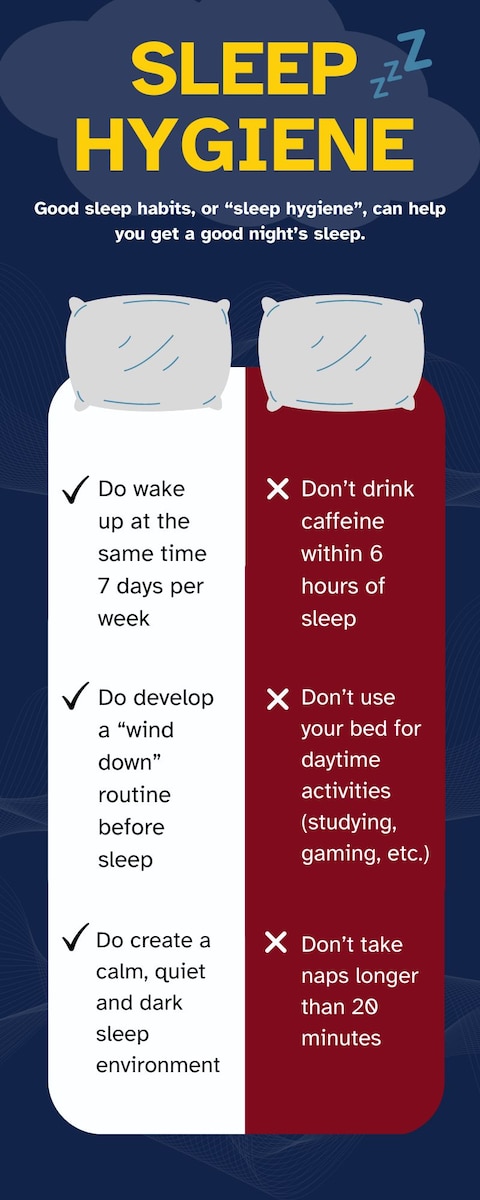 Source: www.airforcemedicine.af.mil
 Quick checklist: 10-point sleep hygiene plan
- Set a consistent wake time.
- Use a 30–90 minute bedtime routine.
- Keep the bedroom cool and dark.
- Limit screens before bed.
- Avoid caffeine late in the day.
- Limit naps to 20 minutes.
- Exercise regularly, but not right before bed.
- Make the bed and keep the room tidy.
- Track sleep for two weeks to spot patterns.
- If insomnia persists, consult a clinician about CBT-I or other treatments.
Watch: short video guide
For a quick visual walkthrough of sleep-friendly habits, watch the video below.
How many times should I mention sleep hygiene tips?
We mentioned sleep hygiene tips throughout this article to help you focus on practical changes. Try a few changes at once and keep the ones that help.
Troubleshooting: What to try if tips don’t work
If improvements are small, consider these next steps:
- Check for medical causes such as sleep apnea or restless legs — consult a provider.
- Try a short course of CBT-I, which targets thought and behavior patterns that keep you awake.
- Keep a detailed sleep diary to share with a clinician.
Final thoughts
Small changes add up. Use these sleep hygiene tips as a flexible toolkit. Pick the few that match your life and give them at least two weeks. Sleep is a skill you can improve with consistent practice.
Ready to reclaim better sleep? Start tonight by choosing one item from the checklist and committing to it for 14 days.
Next step: Explore more guides and routines on zenpulsehub.com to build a personalized sleep plan.
How quickly will sleep hygiene tips work?
Many people notice small improvements in 3–7 days, but meaningful change usually takes 2–4 weeks of consistent habits. Stick with the plan and track progress.
Can children use these tips too?
Yes. Many principles apply to children—regular schedules, calming routines, and a good bedroom environment—but tailor timing and activities to the child’s age.
Do I need to give up coffee forever?
No. You can keep caffeine, but avoid it 6–8 hours before bedtime and be mindful of how much you drink in the afternoon and evening.
When should I see a doctor about sleep problems?
If your sleep doesn’t improve after trying good sleep hygiene for several weeks, or you experience loud snoring, gasping, severe daytime sleepiness, or chronic insomnia, consult a healthcare provider for assessment.