Stress and Night Sweats: Causes & Relief
Stress and night sweats can be a frustrating duo that robs you of sleep and leaves you waking up drenched and anxious. In this post, we explain why stress triggers night sweats, how to tell when they’re harmless or a sign of something more serious, and practical steps to reduce sweating and sleep better.

What are night sweats?
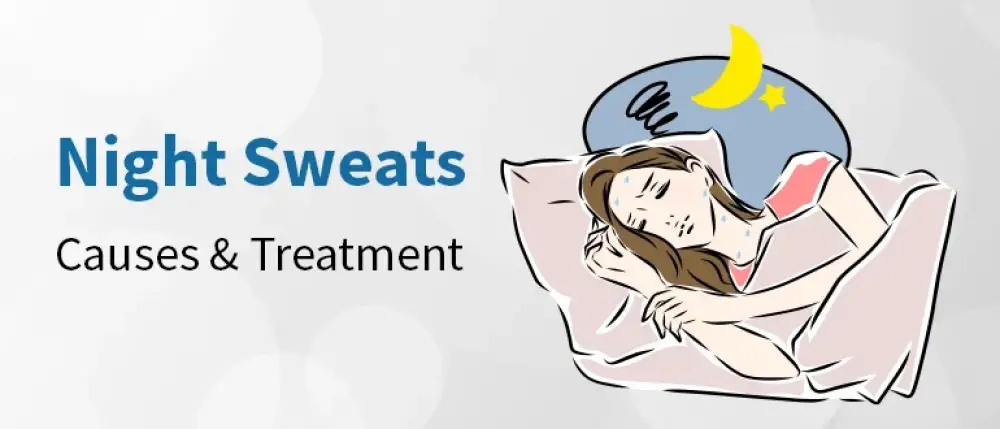
Night sweats are episodes of heavy sweating during sleep that soak your clothing or bed sheets. They are more than just a warm night; night sweats are intense enough to wake you. Causes range from simple environmental factors to medical issues. When stress is part of the picture, the term stress and night sweats describes how emotional strain can push the body into an overactive state that includes sweating at night.
How stress and night sweats are linked
Stress activates the body’s fight-or-flight system. This triggers the release of stress hormones like adrenaline and cortisol. These hormones raise heart rate and blood pressure, and they can also affect body temperature regulation. When your autonomic nervous system stays activated for long periods, your body can continue to react as if it’s under threat — even while you sleep. That ongoing activation is a common reason for night sweats tied to chronic or acute stress.
Physiological drivers
- Hormone spikes: Cortisol and adrenaline influence the hypothalamus, the brain center that controls temperature.
- Increased metabolism: Stress raises metabolic rate, which can produce extra heat.
- Autonomic arousal: A persistently overactive sympathetic nervous system promotes sweating.
Psychological triggers
Worry, panic attacks, and ongoing anxiety can continue after you turn out the lights. If your mind replays stressful events or you lie awake anticipating problems, your body may stay in a heightened state. This can cause nighttime episodes of sweating.
Other common causes of night sweats
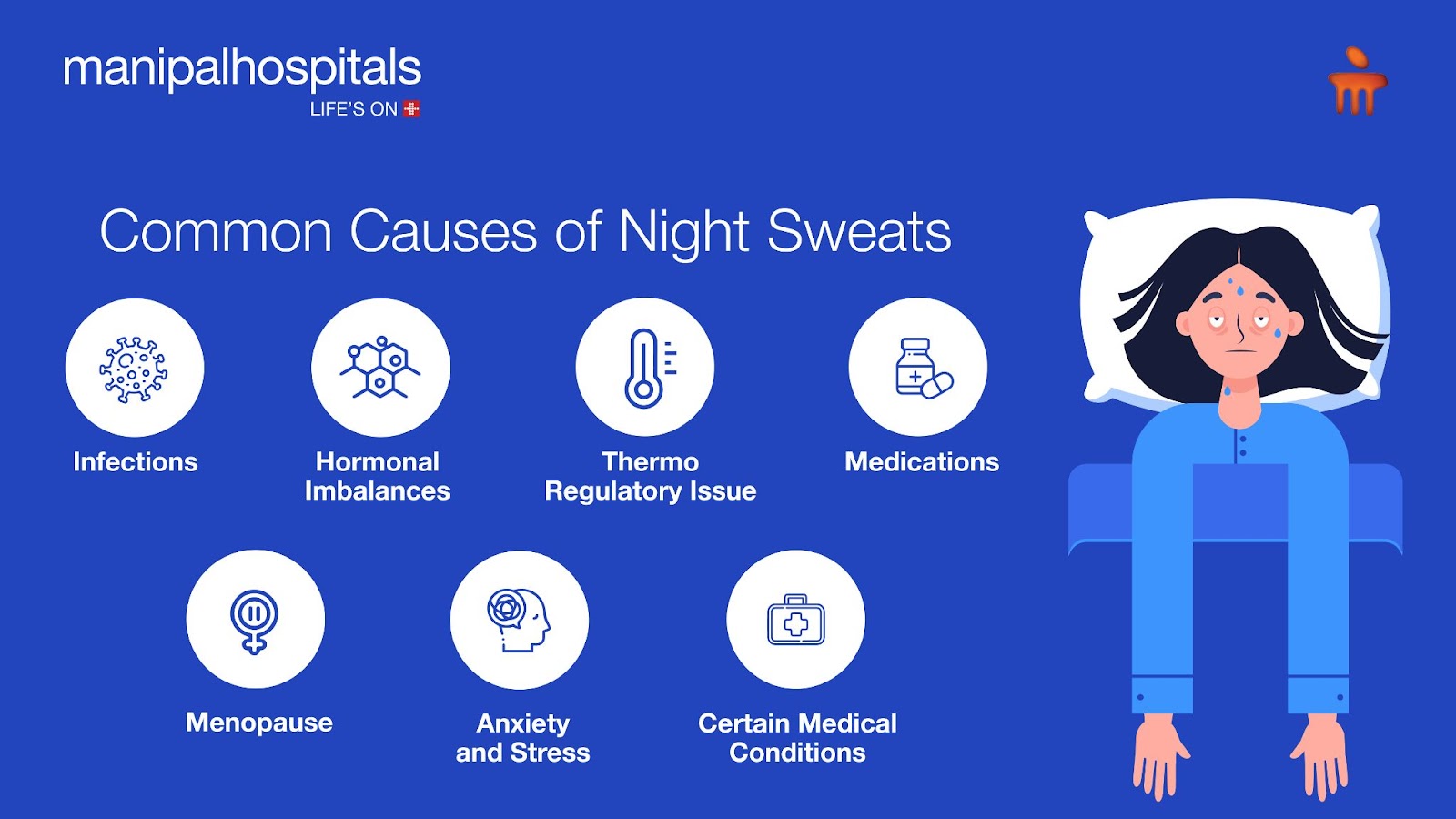
While stress is an important cause, night sweats can also come from many other sources. It’s useful to know these so you can work with your healthcare provider to identify the right cause.
- Menopause and hormone changes: Hot flashes and night sweats are classic symptoms of menopause and perimenopause.
- Infections: Tuberculosis and some viral infections can cause night sweats.
- Medications: Antidepressants, steroids, and some fever-reducing drugs may cause sweating.
- Medical conditions: Hyperthyroidism, diabetes, and some cancers (like lymphoma) can produce night sweats.
- Sleep disorders: Obstructive sleep apnea and other sleep problems can be associated with sweating.
- Environmental factors: Overly warm rooms, heavy bedding, or high humidity.
Signs that your night sweats may be stress-related
Knowing when stress is the most likely cause helps you choose the right response. Consider stress a likely cause if:
- You have anxiety, panic attacks, or a high level of daily worry.
- Your night sweats happen during or after periods of emotional strain.
- Other symptoms like heart racing, restlessness, or insomnia occur along with the sweating.
- Medical tests don’t show a clear physical cause.
How doctors evaluate night sweats
If night sweats are new, severe, or come with weight loss, fever, or persistent fatigue, seek medical advice. Providers typically:
- Review your medical history and medications.
- Ask about sleep, stress, and mental health.
- Run basic blood tests (thyroid, infections, blood counts).
- Refer for imaging or specialty care if needed.
Reliable resources like the Cleveland Clinic explain that stress, panic and anxiety can raise heart rate and cause sweating day and night. For more on symptoms and when to seek help, see the Cleveland Clinic guidance here: my.clevelandclinic.org.
Practical steps to reduce stress-related night sweats
Below are practical, research-backed actions to lower both stress and the night sweats that come with it. Try combining several for the best results.
Improve sleep environment
- Keep your bedroom cool (around 60–67°F / 15–19°C is ideal for many people).
- Use moisture-wicking sheets and lighter blankets to reduce dampness.
- Choose breathable sleepwear and mattress covers made for hot sleepers.
Evening routines to calm the mind
- Practice relaxation before bed: deep breathing, progressive muscle relaxation, or gentle yoga.
- Avoid heavy exercise within two hours of bedtime; try light stretching instead.
- Limit caffeine and alcohol late in the day—both can worsen sweating and disrupt sleep.
Stress and anxiety strategies
Long-term stress reduction can cut down night sweats. Consider:
- Mindfulness and meditation: Short daily sessions can lower baseline anxiety.
- Cognitive-behavioral therapy (CBT): CBT for anxiety or insomnia can reduce nighttime arousal.
- Short-term counseling: Talking therapies help process major stressors or transitions.
When to consider medication
For persistent anxiety or panic that does not respond to non-drug measures, doctors may suggest medications. Antidepressants or short-term sleep aids can help some people. Remember some medicines themselves may cause sweating, so discuss side effects openly with your clinician.
Self-check: Questions to ask your doctor
Bring this checklist to your appointment to help guide the conversation:
- When did the night sweats start? How long do they last?
- Are they linked to stress, new meds, or changes in health?
- Are there other signs like fever, weight loss, or unexplained fatigue?
- Have you noticed daytime sweating or palpitations?
Evidence and expert resources
Trusted health organizations discuss the stress-sweating link. For example, Texas Health notes that stress, worry, and panic can trigger night sweats and explains how the stress response can cause increased sweating (Texas Health). The Sleep Foundation also explores how anxiety can contribute to night sweats (Sleep Foundation). Hartford Health similarly reports that stress hormones can keep the body in high gear and trigger sweat even during sleep (Hartford HealthCare).
For additional perspectives on causes and treatment, Houston Methodist reviews several reasons people sweat at night and highlights when to seek care (Houston Methodist).
Practical checklist to try tonight
- Lower bedroom temperature and remove heavy blankets.
- Wear breathable pajamas and use moisture-wicking bedding.
- Try a 10-minute guided breathing or meditation practice before bed.
- Avoid late alcohol use and cut back on caffeine after midday.
- Keep a worry journal—write down concerns 30 minutes before sleep to clear your mind.
Products and aids
If menopause-related symptoms or hormone shifts are part of your story, some over-the-counter products and supplements (formulated for menopausal relief) claim to help with sleep and stress. For example, some users consider products like Estroven® for symptom support; check labels and consult your clinician before starting any supplement (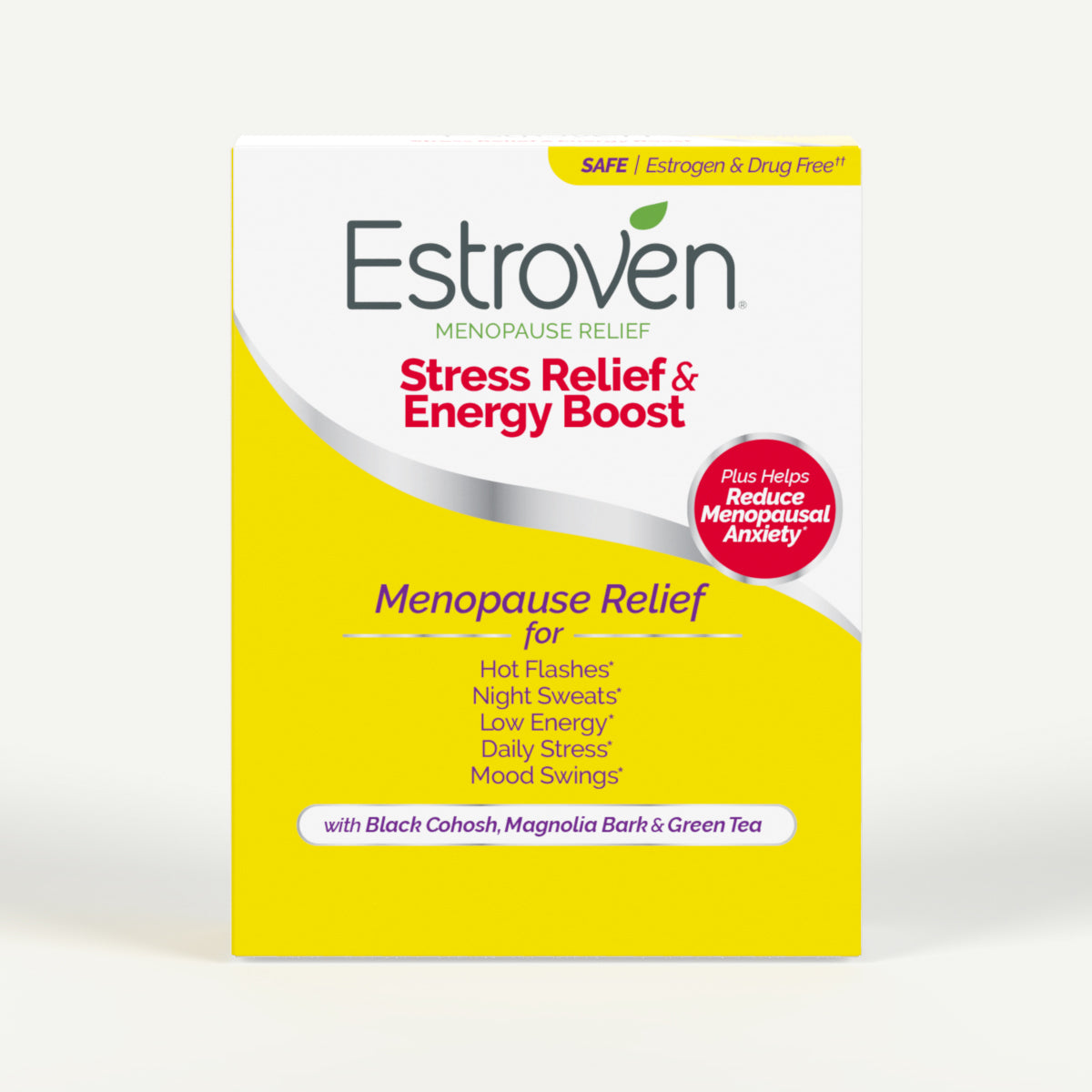 ).
).
When night sweats are a medical red flag
Contact your provider promptly if night sweats are accompanied by:
- Unexplained weight loss
- Persistent fever or chills
- Night sweats that started suddenly and are severe
- New lumps, swollen lymph nodes, or unexplained pain
These signs could indicate infection, endocrine problems, or less commonly, cancers such as lymphoma. Cleveland Clinic’s overview explains the range of causes and encourages evaluation when needed (Cleveland Clinic: Night Sweats).
How to track your night sweats
Keeping a simple log helps you and your clinician spot patterns. Track:
- Date and time of episodes
- Sleep environment (room temp, bedding)
- Recent stressors or stressful dreams
- Medications, supplements, and alcohol use that day
When stress management alone may be enough
For many people, adopting strategies to reduce anxiety, improve sleep hygiene, and cool the bedroom will noticeably reduce night sweats over weeks to months. That said, if sweats persist despite these steps, seek a medical evaluation to rule out other causes.
Watch the video: Understanding stress, sleep, and night sweats
Below is a short video that explains mechanisms behind night sweats and practical tips to manage them.
Final thoughts
Night sweats linked to stress are common and often manageable. By combining better sleep habits, targeted stress-reduction techniques, and honest conversations with your healthcare provider, you can reduce episodes and get more restful nights. Remember: the phrase stress and night sweats points to a treatable pattern for many people—so don’t hesitate to reach out for help if you need it.
Frequently asked questions
Can anxiety cause night sweats even if I don’t feel anxious during the day?
Yes. Anxiety can persist below conscious awareness or resurface at night as racing thoughts or stress dreams. The body’s stress response may remain active and trigger night sweats even without strong daytime anxiety.
How many times should I mention stress when talking to my doctor about night sweats?
Tell your doctor about any stress, anxiety, or recent life events. They will consider stress along with other possible causes. Detailed context helps them decide if tests or referrals are needed.
Do cooling mattresses and sheets really help?
Yes. Breathable sheets and cooling mattress pads can reduce sweat buildup and improve comfort. They don’t treat underlying stress but can minimize the physical discomfort of night sweats.
When should I be worried about night sweats?
See a clinician if night sweats are new, severe, or come with weight loss, fever, swollen lymph nodes, or ongoing fatigue—these could signal a medical issue that needs evaluation.
Want more guides like this? Explore practical sleep and stress resources at zenpulsehub.com to find step-by-step tips, calming techniques, and deeper dives into sleep health.