


Stress Causing Sleepiness: Why You Feel So Tired
Stress causing sleepiness is confusing: you might feel exhausted and drowsy even when you’ve had enough hours in bed. This article breaks down the biology and psychology behind that heavy, sleepy feeling, plus practical steps to regain energy and better sleep.
Quick overview: Why stress makes you sleepy
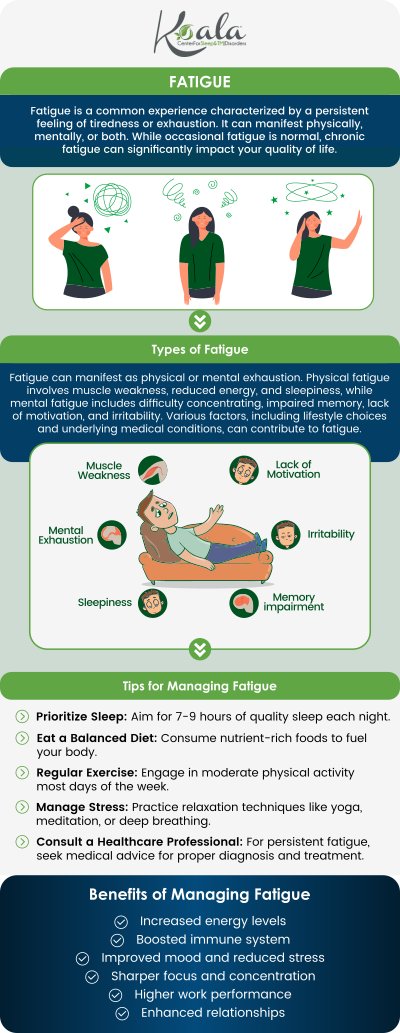
When stress becomes constant, your body and brain try to compensate. That compensation can produce a state of low energy and drowsiness — a protective or exhaustion response. Understanding the why helps you take practical steps to feel awake and rested again.
How stress causing sleepiness happens
There are several overlapping reasons stress triggers sleepiness. Below are the main mechanisms, explained simply.
1. Hormone and neurotransmitter shifts
Stress changes levels of hormones like cortisol and neurotransmitters such as norepinephrine and serotonin. While acute stress raises alertness, chronic stress can dysregulate these systems and lead to fatigue or a heavy need to sleep. The Columbia University health Q&A notes how increased cortisol can also cause physical symptoms like a faster heart rate and quickened breathing, impacting energy and sleep patterns (source).
2. Parasympathetic rebound and shutdown
After prolonged stress, the nervous system may flip into a rest-and-digest response that feels like extreme drowsiness. This is sometimes called a rebound effect — the body compensates for long periods of high alert by forcing rest.
3. Learned helplessness and behavioral patterns
Psychological responses to stress, such as feeling overwhelmed or helpless, can lead to withdrawal and sleepiness. Some researchers describe this as a form of learned helplessness where the body conserves energy instead of engaging, which often feels like wanting to sleep (source).
Common signs and how to tell the difference
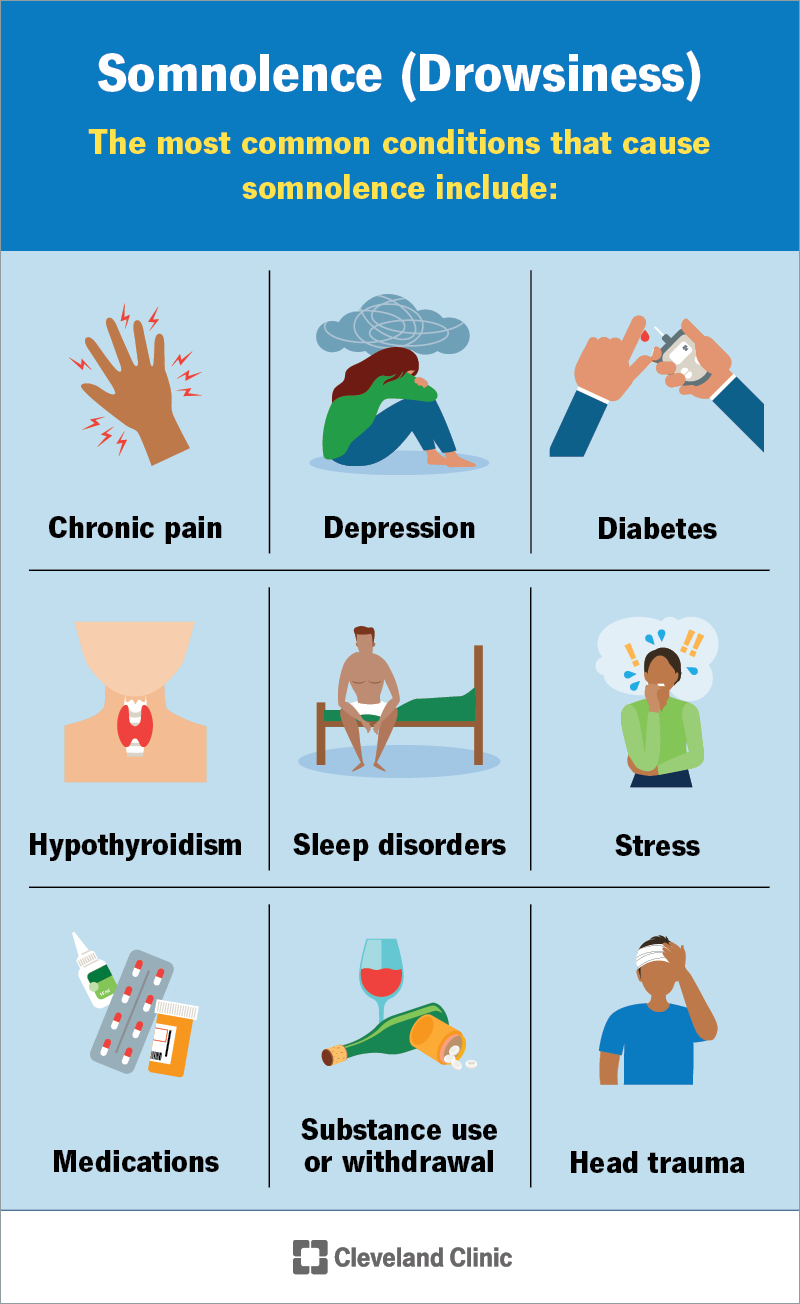
Not all tiredness is the same. Knowing whether stress causing sleepiness, simple fatigue, or a sleep disorder is at play helps you respond appropriately.
Sleepiness vs. fatigue
Sleepiness means you feel an urge to sleep (yawning, nodding off). Fatigue is low energy without necessarily wanting to sleep.
Red flags to see a clinician
- Persistent daytime sleepiness despite consistent sleep
- Falling asleep during activities like driving
- Sudden, overwhelming sleep attacks
- Other symptoms like snoring, breathing pauses, or mood changes
Why the cycle continues
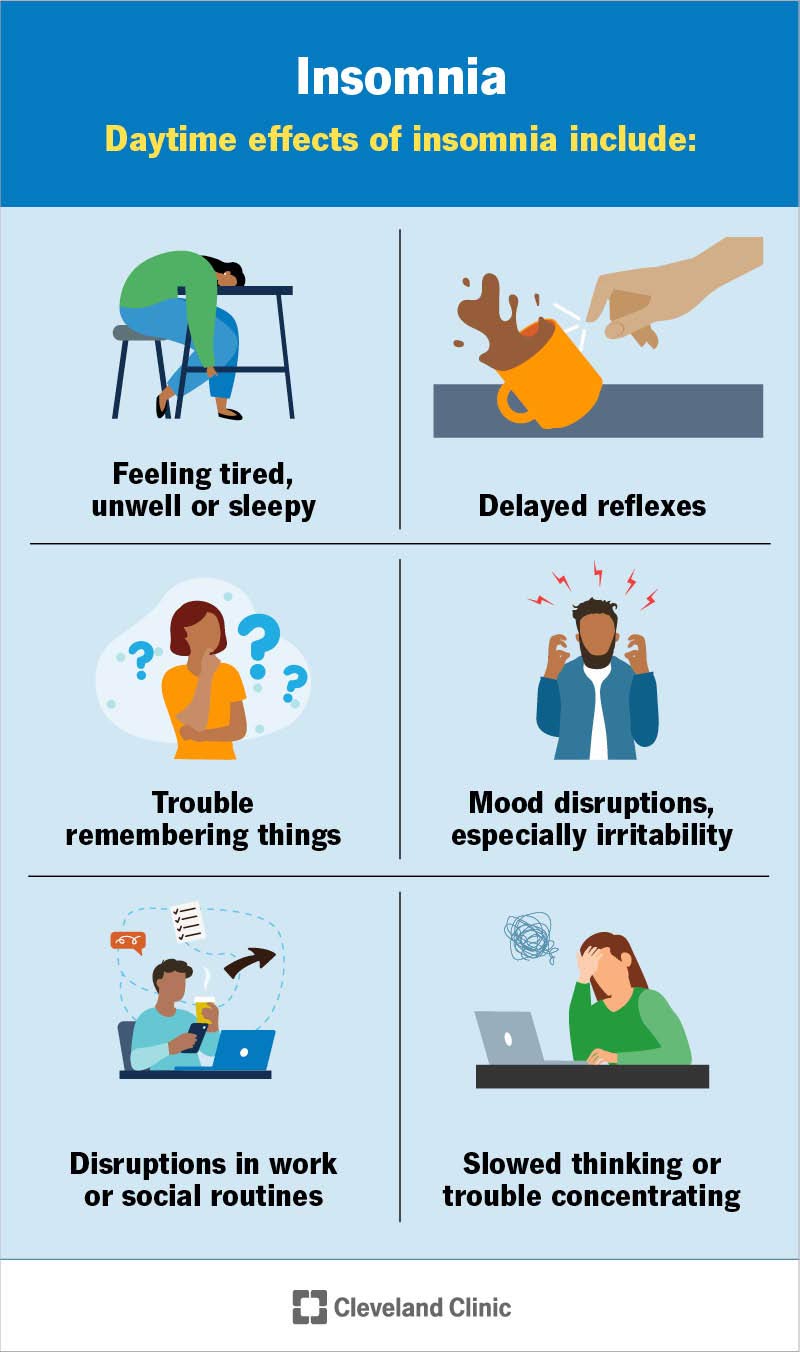
Stress causing sleepiness can become a loop: stress disrupts sleep quality, low sleep causes more stress and anxiety, and the pattern repeats. PsychCentral explains how lack of sleep and anxiety feed each other and can create a damaging cycle (read more).
Other contributors
- Poor sleep habits or irregular sleep schedule
- Underlying medical conditions (thyroid problems, anemia, sleep apnea)
- Medications that cause drowsiness
- Poor nutrition or dehydration
Simple steps to break the sleepiness cycle
Start with small, consistent changes. These habits target both stress and sleep, helping you feel more alert during the day.
Daily routines
- Regular sleep schedule: Go to bed and wake up at the same time, even on weekends.
- Morning light exposure: 10–20 minutes of natural light helps reset your circadian rhythm.
- Limit naps: If you must nap, keep it to 20–30 minutes early afternoon.
Stress-management techniques
- Practice deep breathing or box breathing for 5 minutes to calm your nervous system.
- Do a short walk or light exercise — movement can reduce stress and boost alertness.
- Try a 10–20 minute guided meditation or progressive muscle relaxation before bedtime.
Lifestyle and health checks
- Watch caffeine: avoid it 6–8 hours before bed.
- Stay hydrated and eat balanced meals with protein and complex carbs.
- See a GP if you suspect a medical cause — the NHS offers self-help guidance for tiredness and when to consult a doctor (NHS guidance).
When to get professional help
If sleepiness is severe, persists despite lifestyle changes, or worsens, medical assessment is important. Tests can spot conditions like sleep apnea, narcolepsy, or medical causes of fatigue. Cleveland Clinic and Osmosis have helpful overviews on drowsiness and somnolence that outline causes and treatments (Cleveland Clinic, Osmosis).

Practical sleep hygiene checklist
Use this short checklist to tighten up your sleep routine and fight stress-related drowsiness:
- Create a calm, cool bedroom environment.
- Limit screens 60 minutes before bed; use night mode if needed.
- Keep a worry notebook: jot down anxious thoughts before trying to sleep.
- Include relaxing pre-sleep rituals like reading or a warm shower.
- Consider cognitive behavioral therapy for insomnia (CBT-I) if sleep problems persist.
How to handle daytime sleepiness right now
If you suddenly feel very sleepy during a day of stress, try these immediate tactics:
- Step outside for sunlight and movement for 5–15 minutes.
- Do a quick series of stretches or light exercises to raise alertness.
- Drink water and have a small protein snack to stabilize blood sugar.
- Use the 20-minute power nap early in the afternoon if it fits your schedule.
Frequently asked: Answers that help
Below are practical answers to common concerns about stress and sleepiness.
Why does stress make me want to sleep?
Short answer: it’s your body trying to cope. Stress changes hormones and brain chemistry, and if it’s prolonged, your nervous system may push you into a tired, sleepy state as a form of recovery or shutdown.
Is it normal to feel sleepy when anxious?
Yes. Anxiety and stress can change sleep patterns. You might feel both wired and tired — wired at night and sleepy during the day. This cycle is common and can be addressed with sleep-focused stress management and routines.
Could medical issues be causing this sleepiness?
Possibly. Conditions like sleep apnea, thyroid problems, or anemia cause daytime sleepiness. If lifestyle steps don’t help, speak to your doctor for tests and treatments.
What if I’m too tired to exercise?
Start small. Even a 5–10 minute walk boosts circulation and mood. Gentle movement can reduce stress and gradually increase energy levels.
Resources and further reading
For clear, research-based reading on sleepiness and stress, check these trusted pages:
- Columbia University Q&A on stress and sleepiness — explains cortisol and physical stress responses.
- PsychCentral overview — on anxiety, sleep and the feedback loop.
- The Swaddle — notes learned helplessness and stress responses.
- NHS self-help tips — practical guidance on tiredness from stress and lifestyle.
- Mayo Clinic Health System — emotional exhaustion and coping strategies.
Quick note: if sleepiness is causing safety issues (like nodding off while driving), seek help immediately.
Final thoughts
Stress causing sleepiness is a real and treatable problem. With consistent sleep habits, simple stress-management tools, and medical support when needed, most people can reduce daytime drowsiness and regain energy. Keep changes small and steady — that’s where lasting results start.
Ready to take the next step? Explore more practical guides and step-by-step routines at zenpulsehub.com to restore energy, improve sleep, and manage stress.






