


Stress Headaches at Night: Causes & Relief
Stress headaches at night can interrupt sleep, leave you groggy in the morning, and make it hard to function the next day. If you often wake with a dull, squeezing pain or feel tension behind your eyes after a long day, you are not alone. This guide walks through clear causes, practical fixes and when to see a doctor so you can sleep better and reduce pain.
Why nights? How stress turns into pain
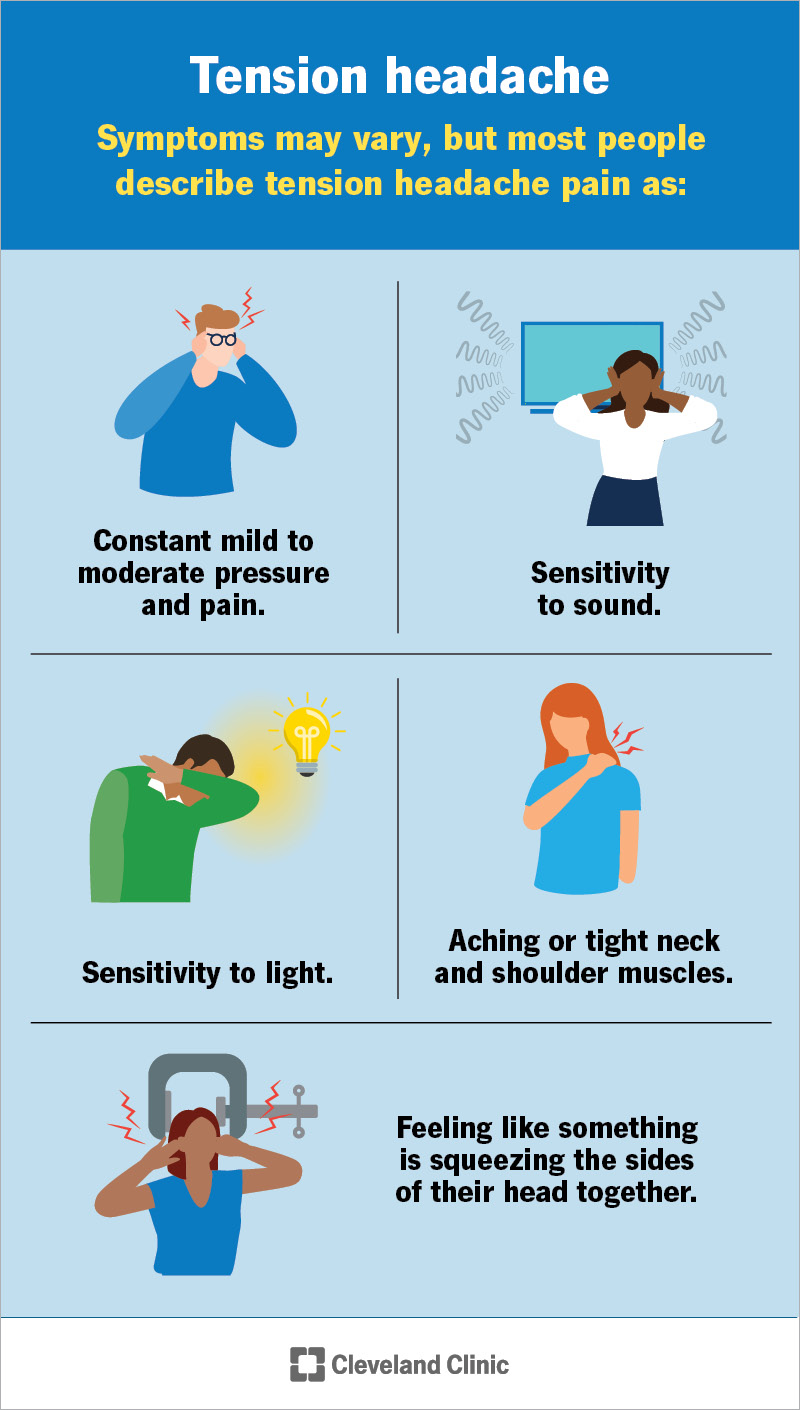
Daytime stress builds physical tension in your neck, jaw and scalp. At night, when your mind finally slows down, you may notice that tension as a headache. Many people describe it as a band-like pressure around the forehead or a tight ache at the base of the skull. In simple terms, stress tightens muscles; tight muscles cause pain.
Common causes of stress headaches at night
There are multiple triggers that make stress headaches more likely to happen or to wake you at night. The most frequent include:
- Muscle tension from long hours at a desk or poor posture.
- Teeth grinding (bruxism) while you sleep, which strains jaw and scalp muscles.
- Poor sleep habits and irregular sleep schedules.
- Eye strain from screens or uncorrected vision problems.
- Unmanaged stress and anxiety that cause your body to stay on alert.

How common are these headaches?
Tension-type headaches, which are the category most stress headaches fall into, are very common. Health sites like the Cleveland Clinic and the NHS note that many people get tension headaches that flare with daily stress or poor posture. The Medical News Today article also highlights that tension often builds through the day and shows up at night.
Recognizing stress headaches vs. other night headaches
Not all headaches that occur at night are caused by stress. Some key differences to look for:
- Tension (stress) headaches: steady, band-like pressure, usually mild to moderate.
- Migraine: often one-sided, throbbing, can include nausea and sensitivity to light or sound.
- Hypnic headaches: rare, tend to wake people at the same time each night, often in older adults — see Mayo Clinic on nighttime headaches for more detail here.
- Cluster headaches: severe, one-sided pain with eye watering; less common but more intense — Cleveland Clinic explains cluster headaches in depth here.

How stress headaches at night feel
People describe these headaches in similar ways. Typical symptoms include:
- A dull, steady ache across the forehead or around the head.
- Sensation of tightness or pressure like a band.
- Mild to moderate pain that is not worsened by normal activity.
- Neck or shoulder tightness.
- Sometimes light sensitivity or difficulty concentrating.
Practical steps to relieve and prevent nighttime stress headaches
There are many simple, effective tactics you can try tonight and over the coming weeks. Use the ones that fit your routine and be consistent.
Evening routine and sleep hygiene
- Go to bed and wake up at the same time each day to regulate sleep.
- Limit screens 60–90 minutes before bed to reduce eye strain and mental stimulation.
- Create a calm pre-sleep routine: reading, light stretching, or breathing exercises.
- Keep your bedroom cool, dark and quiet to improve sleep quality.
Reduce muscle tension
- Practice neck and shoulder stretches during the day and before bed.
- Use a supportive pillow that keeps your neck aligned.
- Consider a night guard if you grind your teeth — dental sources note night guards reduce jaw strain and morning headaches (see a dentist like those discussed on drjuancarrillo.com).
Stress management
- Try short relaxation techniques: box breathing, progressive muscle relaxation, or guided imagery.
- Use journaling to unload worrisome thoughts before bed.
- Limit caffeine late in the day and avoid heavy meals right before sleep.
When to use medication
For occasional stress headaches, over-the-counter pain relievers (acetaminophen, ibuprofen) can help. Use medications carefully and avoid frequent daily use, which can trigger rebound headaches. If pain is frequent, check options with a healthcare provider.

Medical checks and red flags
Most stress headaches are harmless, but see a doctor if you have:
- A sudden, severe headache unlike any before.
- Headaches that begin after a head injury.
- Changes in vision, speech, balance, or weakness.
- Headaches that wake you repeatedly at the same time (could be hypnic headaches) — the Mayo Clinic explains these rare patterns.
When stress headaches at night become chronic
If you have headaches more than 15 days per month, you may have chronic daily headache. This is a medical condition that benefits from a professional plan — both lifestyle changes and medical treatments can help. EverydayHealth discusses how nocturnal headaches might signal headache disorders or other causes here.
Simple nightly checklist to try tonight
Follow this checklist before bed for a week and track results:
- Turn off screens 1 hour before sleep.
- Do 5–10 minutes of neck stretches or progressive muscle relaxation.
- Keep a notepad by the bed to dump late-night worries.
- Avoid caffeine after 3 PM and heavy meals within 2 hours of bed.
- If you grind your teeth, ask a dentist about a night guard.
How to describe your nighttime headaches to a clinician
Clear notes help your provider: record when headaches start, how long they last, pain type, related symptoms (nausea, vision changes), sleep habits and any teeth grinding. Medical News Today points out that tension that builds during the day often shows at night, so sharing daytime stressors is useful source.
Lifestyle long-term tips
- Build steady sleep habits for better overall recovery.
- Make regular exercise a habit — even 20 minutes a day can reduce stress.
- Consider therapy, counseling or stress-coaching if anxiety is frequent.
- Limit alcohol; it can fragment sleep and worsen morning headaches.
Key takeaways
Stress headaches at night are common and often preventable with good nightly habits and daytime stress management. Try the checklist above, fix posture and screen habits, and speak to a healthcare provider if headaches are severe or frequent. For specific headache types like cluster or hypnic headaches, authoritative resources such as the Cleveland Clinic and Mayo Clinic have detailed guides you can review (see links above).
Video: Relaxation Techniques to Reduce Headache & Stress
For more reading on related topics, check the NHS overview of tension headaches, Cleveland Clinic pages on tension and cluster headaches, and the Mayo Clinic review of nighttime headaches. These sources explain causes and when to seek care: NHS, Cleveland Clinic (tension), Cleveland Clinic (cluster), Mayo Clinic, and Medical News Today.
Remember: small changes tonight can cut down on pain tomorrow. Try one new habit from the checklist and track how your sleep and morning feel.
Want more guides like this? Explore our sleep and stress pages on zenpulsehub.com to build a calm, headache-free routine.
FAQs
Why do I get a headache only at night?
Nighttime headaches often come from tension that builds during the day, poor sleep posture, teeth grinding, or screen-related eye strain. As your body relaxes in the evening, you become more aware of muscle tightness and pain.
Can stress headaches cause morning grogginess?
Yes. Night headaches can fragment sleep and reduce sleep quality, leaving you tired and foggy in the morning. Addressing sleep hygiene and reducing evening stress usually improves morning alertness.
Should I see a doctor for nighttime headaches?
See a doctor if headaches are severe, sudden, happen every night, or come with vision changes, numbness, or trouble speaking. For frequent headaches (15+ days per month), a clinician can help create a treatment plan.
Can a night guard help my morning headaches?
Yes. If you grind your teeth while sleeping, a dental night guard can reduce jaw strain and lower the chance of morning tension headaches. Talk to your dentist about an evaluation.






