
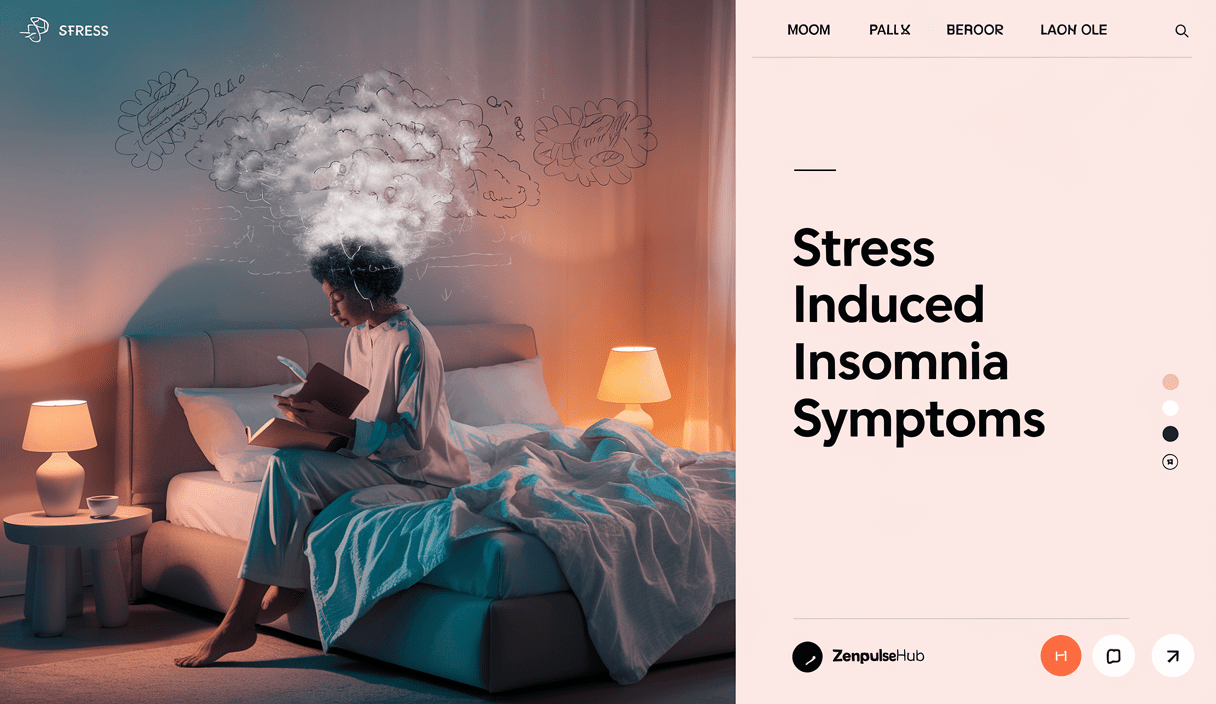

Stress Induced Insomnia Symptoms: Signs & Help
Stress induced insomnia symptoms can quietly steal nights and leave days foggy. If stress keeps you awake, this guide explains the common symptoms, why they happen, and clear steps you can use tonight to begin sleeping better.
What is stress-induced insomnia?
Stress-induced insomnia is a form of sleeplessness triggered by emotional or practical pressure. It can be short-term (acute) after a stressful event, or it can become chronic if stress remains high. The link between stress and sleep is strong: worrying revs up your brain, making it hard to fall asleep or stay asleep.
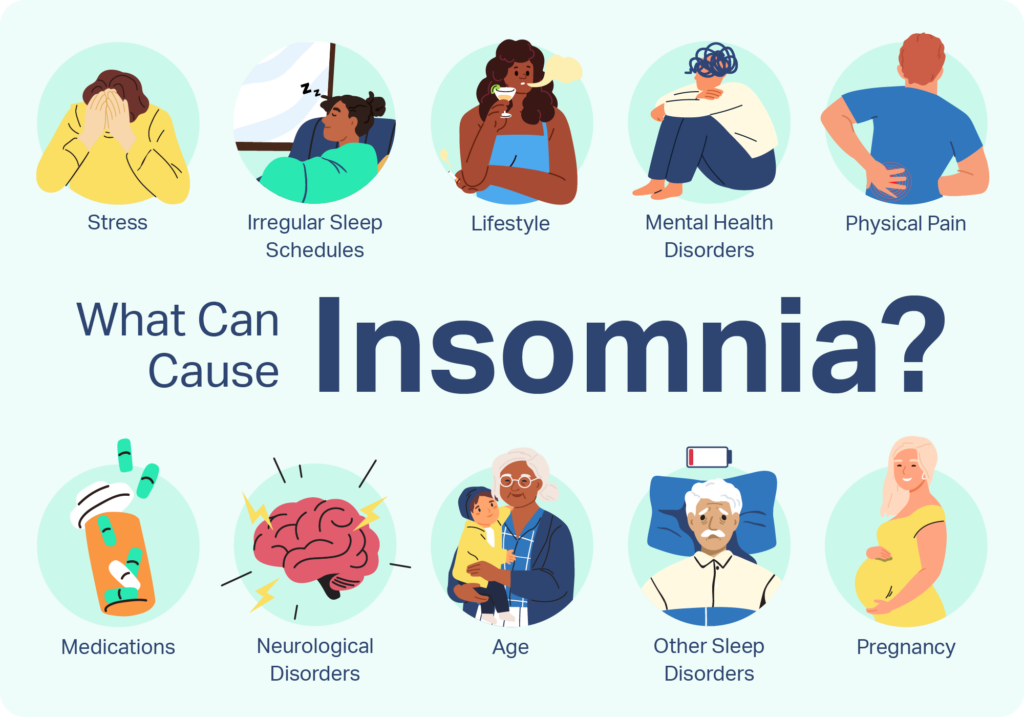
Stress induced insomnia symptoms: common signs
Recognizing stress induced insomnia symptoms early helps you act before poor sleep becomes a pattern. Common signs include:
- Difficulty falling asleep — lying awake for long periods while your mind runs through worries.
- Waking during the night and finding it hard to return to sleep.
- Waking too early and not being able to fall back asleep.
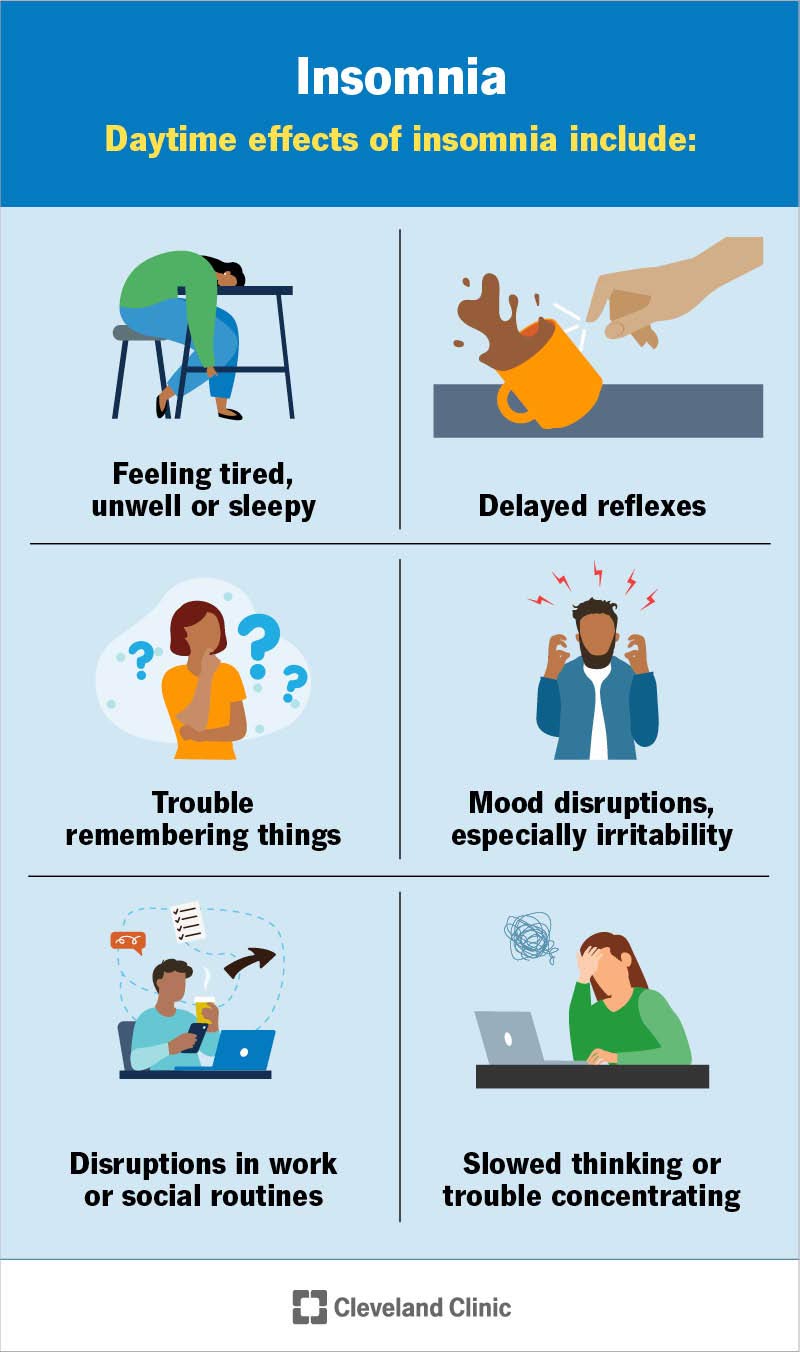
- Daytime tiredness — low energy, poor concentration, and mood changes.
- Physical signs such as increased heart rate, muscle tension, headaches, or shallow breathing.
These signs often come together. If you notice several of them for multiple nights, you’re likely experiencing stress-related sleep disruption.
How stress shows up in the body
Stress activates the body’s ‘fight or flight’ system. That raises cortisol and adrenaline, which are not helpful at bedtime. You may feel keyed up, restless, or physically uncomfortable — all of which interfere with sleep.
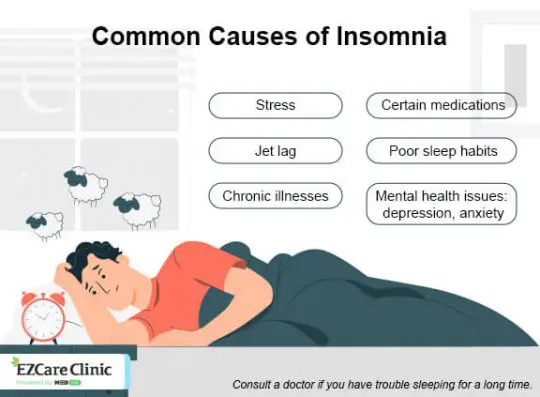
Why stress leads to insomnia
There are a few overlapping reasons stress causes sleep trouble:
- Racing thoughts: Replaying problems keeps the mind active when it should be winding down.
- Physiological arousal: Stress hormones increase heart rate and muscle tension.
- Behavior changes: Stress can change routines — more caffeine, late-night screen time, or naps — which disrupt sleep cues.
- Emotional symptoms: Anxiety and low mood make restful sleep harder to find.
Recognizing related symptoms
Apart from the sleep-specific signs, stress induced insomnia symptoms often come with other signals:
- Difficulty concentrating at work or school.
- Irritability, low patience, or mood swings.
- Physical complaints like tension headaches, stomach upset, or chest tightness.
- Increased reliance on alcohol or stimulants to cope.
If you notice these alongside sleep problems, treating both stress and sleep at once is important.
How doctors and experts diagnose it
Diagnosis usually starts with a clear history of sleep patterns and stressors. A clinician may ask about sleep schedules, substances, medical conditions, and mental health. Sometimes a sleep diary helps track the problem. If underlying conditions are suspected, further testing might be recommended.
Trusted resources like the Sleep Foundation explain how stress and anxiety often lead to insomnia and how symptoms may ease once stress subsides. The Mayo Clinic and NHS pages also offer reliable overviews on causes and when to seek help.
Treatment options: what helps most
There are several evidence-based approaches to reduce stress induced insomnia symptoms. You don’t need to try them all—pick a few that fit your life and stick with them for several weeks.
1. Sleep hygiene (simple but powerful)
- Keep a consistent sleep schedule — same wake time every day.
- Create a bedtime routine that signals rest (reading, warm shower, gentle stretching).
- Make the bedroom cool, dark, and quiet. Reserve it for sleep and intimacy only.
- Limit screens and bright lights at least 60 minutes before bed.
- Avoid heavy meals, alcohol, and caffeine late in the day.
2. Relaxation and stress-management tools
Techniques that lower arousal can reduce symptoms fast:
- Breathing exercises (4–4–8 or diaphragmatic breathing).
- Progressive muscle relaxation to release tension from head to toe.
- Short guided meditations or body scans.
- Journaling for 10–15 minutes earlier in the evening to move worries onto paper.
3. Cognitive Behavioral Therapy for Insomnia (CBT-I)
CBT-I is the top recommended treatment for long-term insomnia. It helps change thoughts and behaviors that keep you awake — like catastrophic thinking about sleep or erratic bedtimes. Many clinicians and online programs offer CBT-I techniques.
4. Short-term medication and supplements
Prescription sleep aids or short courses of sedating medications can help in acute situations, but they are generally best used with guidance from a clinician. Over-the-counter options and supplements like melatonin may help some people but aren’t a substitute for behavioral change.
5. Addressing underlying mental health
If anxiety, depression, or trauma-related conditions (such as PTSD) are part of the picture, treating those conditions will also reduce sleep disruption. The NHS and other organizations emphasize that persistent insomnia often needs a combined approach.
Practical nightly routine to try (7-day plan)
This simple plan targets stress induced insomnia symptoms by combining routine, relaxation, and healthy sleep cues.
- Evening wind-down: Stop work and screens 60 minutes before bed. Do a calming activity.
- Journaling: Spend 10 minutes writing a short to-do list and one paragraph about what’s worrying you.
- Relaxation: Do a 10-minute breathing or progressive muscle session in bed.
- Consistent wake time: Set one wake time and stick to it, even on weekends.
- Limit naps: Keep any nap under 20 minutes and before 3pm.
- Track progress: Use a sleep diary to note time to bed, time asleep, and stress level each night.
- Review and tweak: After week one, adjust what didn’t work and keep what did.

When to see a clinician
Seek medical help if:
- Insomnia lasts more than a few weeks and affects daily life.
- You experience disturbing daytime symptoms (memory problems, severe mood shifts, or accidents).
- You notice signs of a sleep disorder like sleep apnea (loud snoring, gasping) or restless legs.
Resources such as the Everlywell guide and articles on Sleep Foundation offer practical steps, while clinical pages like the Mayo Clinic and NHS describe when to seek help and what to expect in care.
Quick coping tools you can use tonight
- Box breathing: Inhale 4, hold 4, exhale 4, hold 4 — repeat 5 times.
- 5-4-3-2-1 grounding: Name 5 things you see, 4 you can touch, 3 you hear, 2 you smell, 1 you taste or imagine tasting.
- Get up if wide awake: If you can’t sleep after 20 minutes, get up and do a low-stimulus activity until you feel sleepy.
- Limit clock-watching: Turn your clock away to reduce anxiety about lost sleep.
Tracking progress
Keep a short sleep diary for 2–4 weeks: note bedtime, estimated time to sleep, number of awakenings, wake time, overall sleep quality (1–5), and stress level. This helps you and any clinician see patterns and measure improvement.
How common is stress-related insomnia?
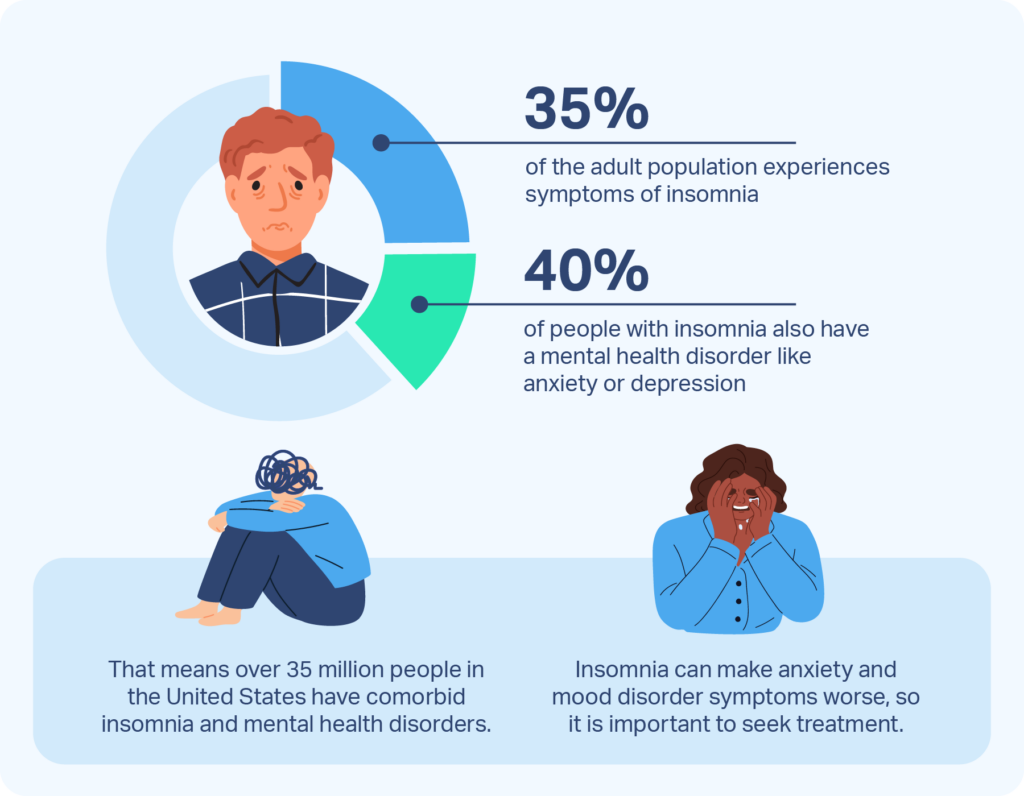
Stress is one of the most common causes of short- and long-term insomnia. Research and health resources including the Sleep Foundation and Verywell Mind discuss how stress can both cause and result from insomnia, creating a cycle that needs breaking.
Final thoughts
Stress induced insomnia symptoms are common and treatable. Start with small, consistent changes to your evening routine, add relaxation practices, and consider CBT-I or professional help if the problem persists. With steady effort, many people reclaim restful nights and brighter days.
Helpful links and resources
- Sleep Foundation — Stress and Insomnia
- Mayo Clinic — Insomnia overview
- Everlywell — Handle stress-induced insomnia
- NHS — Insomnia guidance
- Verywell Mind — Stress-related insomnia
Watch: quick guide to calming the mind before bed
Video: Stress and Sleep — simple techniques to reduce nighttime worry.
Takeaway: If stress is costing you sleep, pick two small changes tonight — a fixed wake time and a short relaxation exercise — and build from there. Persistent problems are worth professional attention.
Ready to sleep better? Explore more guides at zenpulsehub.com for step-by-step tips and calming routines.
What distinguishes stress-induced insomnia from other insomnia?
Stress-induced insomnia is directly linked to a recent or ongoing stressor and often improves when stress decreases. Chronic insomnia may have multiple causes, including medical or psychiatric conditions. A clinician can help identify the causes.
How quickly can symptoms improve with changes?
Some people see better sleep within a few nights after improving routines and adding relaxation. For lasting change, aim for consistent habits for 3–8 weeks. If insomnia persists, consider CBT-I or medical review.
Are sleeping pills a good solution for stress-related sleeplessness?
Short-term medication can help in acute situations, but it’s not a long-term fix. Combining medication with behavioral strategies and treating stress or anxiety leads to better outcomes.
Can managing stress reverse insomnia completely?
Often yes — reducing stress and improving sleep habits can resolve many cases. However, if insomnia has become chronic, targeted therapy like CBT-I may be needed to break the cycle.
Where can I find reliable information and support?
Trusted sources include the Sleep Foundation, Mayo Clinic, NHS, and reputable mental health sites. If symptoms are severe, seek a primary care clinician or a sleep specialist for personalized care.






