

Stressed and Cant Sleep? 6 Ways to Rest
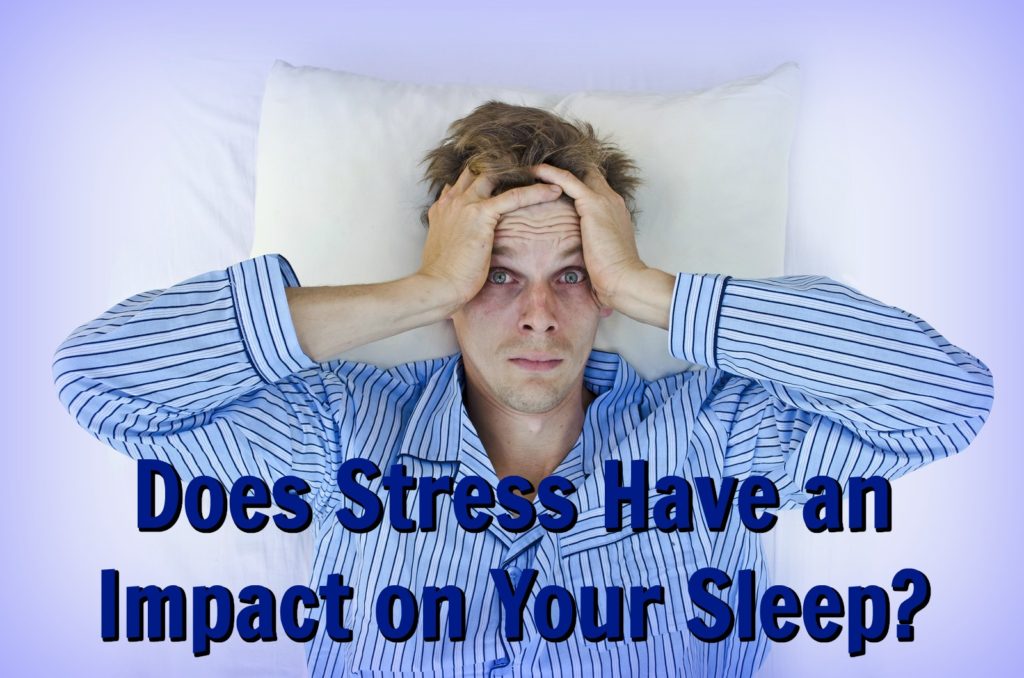
If you’re stressed and cant sleep, you’re not alone. Nights of tossing and turning are common when your mind is on high alert. This guide breaks down why stress keeps you awake and gives practical, friendly steps you can try tonight and every day to get better rest.

Why you’re stressed and cant sleep
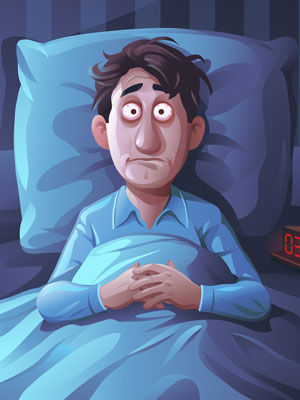
When stress spikes, your body releases hormones like cortisol and adrenaline. These chemicals trigger a fight-or-flight state that makes relaxing difficult. If you’re stressed and cant sleep, your brain may also replay worries and future scenarios — and that mental activity keeps you awake even when your body is tired.
Quick science: stress and sleep
High cortisol can delay sleep onset and reduce deep sleep. Research shows that chronic stress changes sleep cycles and can worsen anxiety over time. For a clear overview of how stress-related hormones interfere with sleep, see this helpful note from Kaiser Permanente, which explains how excess cortisol keeps people awake.
How stress affects your body and sleep
Stress does more than make you feel wired. It:
- Raises heart rate and breathing, which can interrupt falling asleep.
- Keeps the brain active with worry loops and problem-solving at night.
- Disrupts sleep stages, reducing restorative deep sleep and REM.
- Creates a feedback loop: poor sleep increases stress, and more stress worsens sleep.
Immediate steps to try tonight
If you’re stressed and cant sleep right now, try these low-effort strategies. They are designed to calm your body and quiet your mind quickly.
Tonight’s checklist (quick wins)
- Get out of bed after 20 minutes if you can’t fall asleep. Move to another room and do a quiet, low-stimulation activity (reading, light stretching) then return when sleepy. This tip lines up with practical sleep advice seen in community discussions and expert suggestions like those on Reddit.
- Try box breathing: inhale 4 seconds, hold 4, exhale 4, hold 4. Repeat for 2–5 minutes.
- Lower lights and screens 30–60 minutes before bed. Blue light can suppress melatonin.
- Use a short guided relaxation or sleep video. Below is a calming video you can use tonight.
- Limit caffeine and heavy meals in the evening.
Behavior changes that help within days
Small daily shifts can reduce nights where you feel stressed and cant sleep. Try these habits and track changes over a week.
Daily routine suggestions
- Consistent sleep schedule: wake and sleep at the same time every day, even weekends.
- Wind-down routine: 30–60 minutes before bed do calming rituals — warm shower, herbal tea, journaling.
- Mindful journaling: write down three things you accomplished and three tasks for tomorrow to clear the mind.
- Move your body: 20–40 minutes of moderate exercise daily helps sleep, but avoid intense workouts within two hours of bed.
- Limit alcohol at night: it may help you fall asleep but reduces deep sleep later.

Sleep environment: small changes, big effects
Optimize your bedroom for sleep. The goal is to create a cue for rest and reduce stimulation.
- Cool, dark, and quiet: keep room temperature around 60–68°F (15–20°C) if possible.
- Remove screens: keep phones and laptops out of reach or in another room.
- Comfortable bedding: support your neck and spine; good pillows help reduce night-time discomfort.
- White noise or fan: can mask sudden sounds and help you drift off.

When stress keeps coming back
It’s normal to have nights when you’re stressed and cant sleep. But if sleep problems last for weeks and start to affect work or relationships, consider these options:
- Talk to a primary care doctor about sleep disruption and stress.
- Try cognitive behavioral therapy for insomnia (CBT-I), a proven approach for chronic sleep issues.
- Consider a sleep study if you have loud snoring, pauses in breathing, or daytime sleepiness.
For an expert look at managing sleep and stress and how long-term stress hormones can keep your body “running in fifth gear,” see the practical guides at Johns Hopkins Medicine.
Natural aids, supplements, and quick notes
Some people find short-term relief with supplements or techniques. Keep in mind that everyone’s body reacts differently.
- Melatonin: can help shift a bedtime. Use low doses and short term. Community posts often mention melatonin as a helpful tool; if you try it, start small and talk with your doctor.
- Magnesium: may help relax muscles and nerves for some people.
- Herbal teas (chamomile, lavender): gentle relaxation effect for many users.
If you’d like user perspectives on quick fixes and community tips, people share practical advice on Reddit’s Advice threads.
Common mistakes people make
Trying too many fixes at once can backfire. Avoid these common traps:
- Using screens right before bed in the name of “relaxing”.
- Relying on alcohol to fall asleep.
- Staying in bed awake for hours instead of getting up and resetting.
- Assuming poor sleep will resolve without changing daily habits.
Extra support: tools and professionals
If lifestyle changes aren’t enough, consider these resources:
- Sleep medicine clinics: offer testing and personalized care.
- Therapists trained in CBT-I or CBT for anxiety: can help break the stress-sleep loop.
- Primary care input: your doctor can screen for health issues and discuss medication options if needed. For practical tips from a sleep medicine doctor about stress keeping you awake, visit Kaiser Permanente’s guide here.
Simple evening routine example
Here’s an easy wind-down plan you can try for a week to see if it helps when you’re stressed and cant sleep:
- 8:30 PM – Put devices away; dim the lights.
- 8:35 PM – 10 minutes of light stretching or yoga.
- 8:50 PM – Journaling: write 3 wins and 3 tasks for tomorrow.
- 9:00 PM – Warm shower and a cup of herbal tea.
- 9:20 PM – Box breathing for 5 minutes and then a short guided relaxation (the video above works well).
- 9:30 PM – Lights out.
When to seek help right away
Contact a provider if you experience:
- Severe insomnia lasting several weeks.
- Daytime sleepiness that interferes with driving or work.
- Symptoms of a mood disorder or panic attacks.
- Loud, disruptive breathing or gasping at night.
For an accessible read on how sleep timing and stress intersect and practical tips for handling those moments, Dartmouth Health offers a concise article: How Sleep Times Stress.
Final tips and mindset shifts
Remember: being anxious about not sleeping can itself worsen sleep. Shift to a curious, experimental attitude. Try small changes, track results, and cut what doesn’t help. If you’re stressed and cant sleep tonight, pick one small tip from this article and try it — small wins add up.
Conclusion: If you find you’re stressed and cant sleep, start with one simple change tonight. Explore more practical guides and calming routines at zenpulsehub.com to build a steady path toward better rest.
Why do I stay awake when I feel stressed?
Stress triggers the release of hormones like cortisol that keep your mind alert. Your brain focuses on perceived threats and tasks, which makes it hard to switch off. Reducing stimulation, using breathing exercises, and creating a predictable bedtime routine help signal to your body that it’s safe to sleep.
What should I do if I can’t fall asleep after 20 minutes?
Get out of bed and do a quiet, non-stimulating activity until you feel sleepy. This prevents your brain from associating the bed with frustration. Experts and community advice often recommend this simple strategy to reset your sleep association.
Can supplements like melatonin help when I’m stressed?
Melatonin can help adjust your internal clock and make falling asleep easier for some people. Use low doses and short-term, and talk to your healthcare provider first. Lifestyle changes and behavioral techniques are generally safer long-term strategies.
Where can I find more reliable tips about stress and sleep?
Trusted medical sources like Kaiser Permanente and Johns Hopkins offer solid guidance on stress and sleep. For personal experiences, community forums (like Reddit) share practical tips, but pair those tips with vetted medical advice when possible.