
Supplements to Lower Cortisol: Top 12 Backed by Research
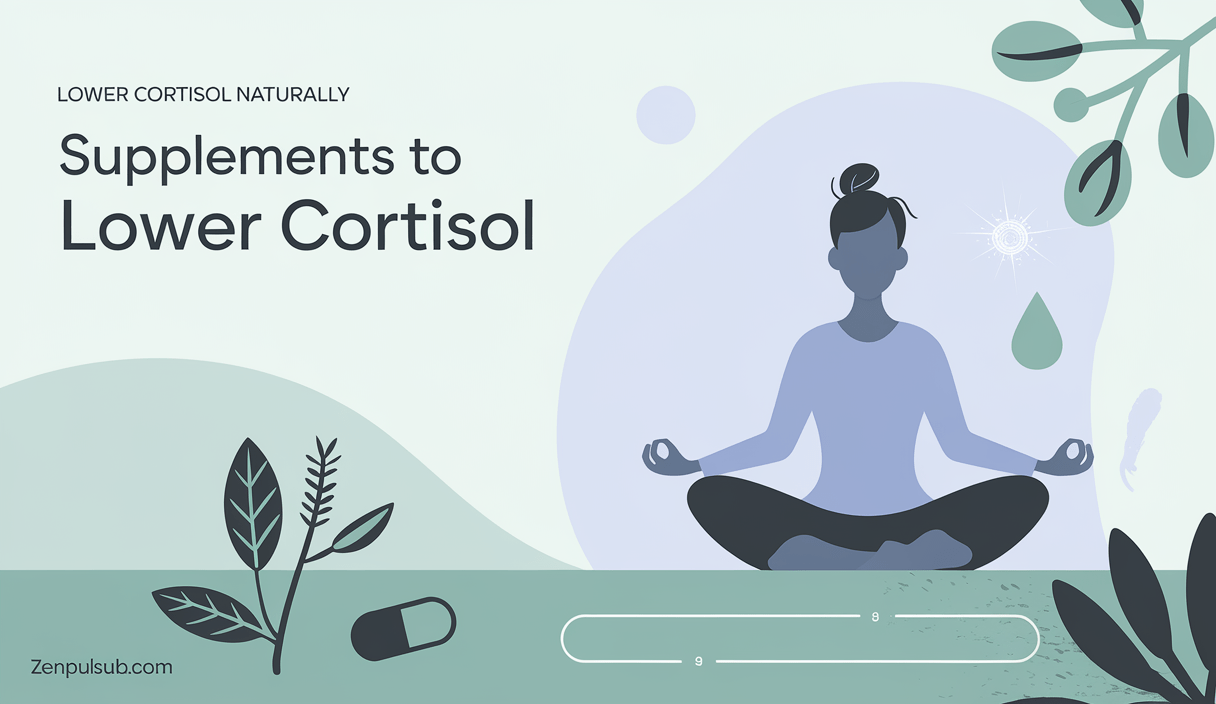
Supplements to lower cortisol are popular for people who want natural support for stress and better sleep. If you’re juggling work, relationships, and a busy life, a few targeted supplements plus simple lifestyle changes can help calm the stress response and bring cortisol into balance.
This guide breaks down the most evidence-backed options, how they work, suggested dosages, safety tips, and how to combine them with everyday habits for better results.

How supplements to lower cortisol can help
Cortisol is your body’s main stress hormone. It’s useful in short bursts (think ‘fight or flight’) but becomes harmful when it stays high for long periods. **Supplements to lower cortisol** can support the body in returning to balance by reducing stress reactivity, improving sleep, and supporting healthy mood and energy.
That said, supplements are not a magic fix. They work best with sleep, movement, and stress-management tactics. If you’re unsure about your cortisol levels, talking to a healthcare provider or checking reliable sources can help — some people report trying topical relaxation strategies like lavender balm without knowing their levels first (see this BBC piece for a personal perspective: BBC: personal stress and self-care).
Top supplements to lower cortisol (what research says)
Below are 12 supplements commonly studied for cortisol reduction. Each entry includes: what it does, typical doses used in trials, and safety notes.
1. Ashwagandha
Ashwagandha is an adaptogenic herb that helps the body handle stress. Several studies report reduced serum cortisol after supplementation. One trial showed around a 23% decrease after two months in stressed adults (see related coverage: GoodRx: ashwagandha and cortisol).
- Typical dose: 300–600 mg daily of a standardized extract.
- Safety: Generally well tolerated. Avoid if pregnant or on certain thyroid meds; check with your provider.
2. Magnesium
Magnesium supports relaxation and can lower cortisol when taken consistently. Research highlights benefits using 250–400 mg per day (Verywell Health summary).
- Typical dose: 200–400 mg daily (magnesium glycinate or citrate preferred for absorption).
- Safety: High doses can cause diarrhea. Start low and build up.
3. Rhodiola Rosea
Rhodiola is another adaptogen shown to reduce fatigue and stress-related cortisol spikes.
- Typical dose: 200–600 mg standardized extract per day.
- Safety: May cause jitteriness in sensitive people; take earlier in the day.
4. Phosphatidylserine
Some studies show this phospholipid lowers cortisol after intense exercise and during stress.
- Typical dose: 100–300 mg daily.
- Safety: Well tolerated for short-term use.
5. Holy Basil (Tulsi)
Holy basil helps reduce stress and supports balanced cortisol. It’s popular in supplements aimed at women’s stress relief (example products have become common).
- Typical dose: 300–500 mg extract daily or as directed on products.
- Safety: Generally safe; check interactions if on diabetes meds.

6. Lemon Balm
Lemon balm is calming and can reduce cortisol indirectly by improving mood and sleep.
- Typical dose: 300–600 mg extract or as a tea (1–2 g dried herb).
- Safety: Usually safe; may interact with sedatives.
7. Chamomile
Chamomile supports relaxation and better sleep, both of which help lower cortisol over time.
- Typical dose: 1 cup tea nightly or 300–400 mg extract.
- Safety: Avoid if allergic to ragweed or similar plants.
8. L-Theanine
Found in green tea, L-theanine promotes calm focus and can blunt stress responses.
- Typical dose: 100–200 mg as needed for stress.
- Safety: Safe for most; promotes relaxation without drowsiness.
9. Omega-3 Fatty Acids
Omega-3s reduce inflammation and can lower cortisol reactions to stress in some studies.
- Typical dose: 1–3 g combined EPA/DHA daily.
- Safety: Check with a provider if on blood thinners.
10. Vitamin C
Vitamin C supports adrenal health and can blunt cortisol spikes during acute stress.
- Typical dose: 250–1000 mg daily.
- Safety: High doses may cause digestive upset in sensitive people.
11. Zinc
Zinc plays a role in the stress response and may help normalize cortisol in deficiency states.
- Typical dose: 8–30 mg daily; avoid long-term mega doses.
- Safety: High doses can interfere with copper absorption.
12. Melatonin
Melatonin helps reset sleep and indirectly lowers nighttime cortisol when sleep improves.
- Typical dose: 0.5–3 mg at bedtime (start low).
- Safety: Short-term use is safe for most adults; consult a provider for chronic use.

How to choose and combine supplements safely
Not everyone needs every supplement. Use this simple roadmap:
- Start with foundations: sleep, hydration, movement, and a balanced diet.
- Pick one or two targets: e.g., ashwagandha for stress and magnesium for sleep.
- Watch for interactions: herbs and minerals can interact with meds.
- Use evidence-based doses: follow research-backed ranges above or product labels.
- Give time: many supplements need 4–8 weeks to show effects.
Practical stacking example
A common, gentle stack for daily stress might be:
- Ashwagandha 300 mg in the morning (supports daytime stress resilience).
- Magnesium glycinate 200–300 mg in the evening (supports calm and sleep).
- L-theanine 100 mg as needed during high-stress meetings.
Lifestyle moves that boost supplement effects
Supplements work best when you pair them with small daily habits. Here are simple, high-impact practices:
- Get consistent sleep: Aim for 7–9 hours. Melatonin or magnesium can help if you struggle to fall asleep.
- Move your body: 20–40 minutes of moderate activity most days reduces baseline cortisol.
- Practice brief breathwork: 5 minutes of deep breathing lowers cortisol fast.
- Limit late caffeine: It can elevate cortisol if used late in the day.
- Use relaxing scents: Lavender or chamomile may help some people unwind (a personal anecdote and symptom of self-care choices appears in the BBC piece referenced above).

When to see a provider
If you have symptoms like persistent fatigue, unexplained weight changes, or major sleep disruption, seek medical guidance. A clinician can check cortisol levels and rule out adrenal or thyroid conditions. For practical steps on lowering cortisol with lifestyle and professional support, Cleveland Clinic offers clear tips and clinical context: Cleveland Clinic: how to reduce cortisol.
Products and where to buy
Quality matters. Look for third-party testing, clear ingredient lists, and transparent dosing. Some popular formulas and multi-ingredient products (like Cortisol Manager and targeted ashwagandha or magnesium brands) can be found on major retailers. For example, Integrative Therapeutics’ Cortisol Manager is a commonly referenced product: Cortisol Manager on Amazon. Always check reviews and consult a provider if you take prescription meds.

Common questions about safety
Will supplements replace therapy or meds? No. They can complement therapy and medications but should not replace prescribed treatments. Coordinate with your healthcare provider.
How fast will I notice changes? Some effects (like better sleep from magnesium) can show within days. Others, like hormonal shifts, may take 4–8 weeks.
Are they safe long-term? Many are safe when used responsibly, but long-term high-dose use (especially of fat-soluble vitamins or minerals) should be supervised by a clinician.
Video: Quick guide on supplements to lower cortisol
Below is a short video overview to reinforce key points and help you choose options that fit your life.
Evidence and further reading
Research is growing. For summaries and practical guidance, useful resources include:
- Verywell Health overview of cortisol-lowering supplements and dosages: Verywell Health.
- GoodRx coverage of supplements like ashwagandha and their cortisol effects: GoodRx.
- Practical clinical tips from Cleveland Clinic on lowering cortisol through lifestyle and herbs: Cleveland Clinic.
Bottom line
Supplements to lower cortisol can be a helpful part of a stress-management plan when chosen carefully and used alongside healthy habits. Focus on a couple of evidence-backed options — like ashwagandha, magnesium, or omega-3s — and track how you feel over 4–8 weeks. If symptoms persist, consult a clinician for lab checks and personalized care.
Ready to take the next step? Start with one small change: try a daily magnesium supplement or a short evening breathing routine for two weeks and note your sleep and mood.
For more deep-dive guides, product reviews, and simple routines that help manage stress naturally, keep exploring our resources at zenpulsehub.com. Small, consistent steps add up.
FAQs
Can supplements actually lower cortisol levels?
Yes — several supplements like ashwagandha, magnesium, and omega-3s have clinical evidence showing they can reduce cortisol or blunt stress responses. Effects vary by person and dose, so expect gradual change over weeks.
How many supplements should I take at once?
Start with one or two targeted choices that match your main issue (e.g., sleep or daytime stress). Adding more increases complexity and the risk of interactions. Track results and consult a provider for tailored advice.
Are there natural alternatives if I don’t want supplements?
Absolutely. Sleep, regular movement, breathwork, social support, and reduced caffeine are powerful ways to lower cortisol. Aromatherapy and massage can help some people, though measuring effects without testing is hard (read a personal take at the BBC link above).
Should I get my cortisol tested before using supplements?
Not required for most people. If you have strong symptoms like major fatigue, weight changes, or suspect an adrenal or thyroid condition, testing and a clinician consult are wise steps.