
Symptoms of Poor Sleep Hygiene: Signs & Fixes
Symptoms of poor sleep hygiene can show up slowly — as foggy mornings, slow reactions, or nights that feel like starting over every few hours. If you’ve been wondering why you can’t sleep well even when you have time in bed, this guide will help you spot the most common signs and what to do next.

What is poor sleep hygiene?
Before we list the symptoms of poor sleep hygiene, let’s define it simply: sleep hygiene is the set of habits and environmental factors that support restful sleep. When those habits are inconsistent or the environment is disruptive, you can develop symptoms of poor sleep hygiene that affect health, mood, and performance.
Common symptoms of poor sleep hygiene
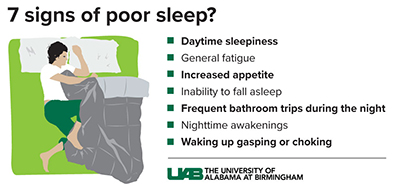
Here are the most common signs that your sleep habits need attention. If several of these sound familiar, it’s time to make changes.
1. Trouble falling asleep or frequent awakenings
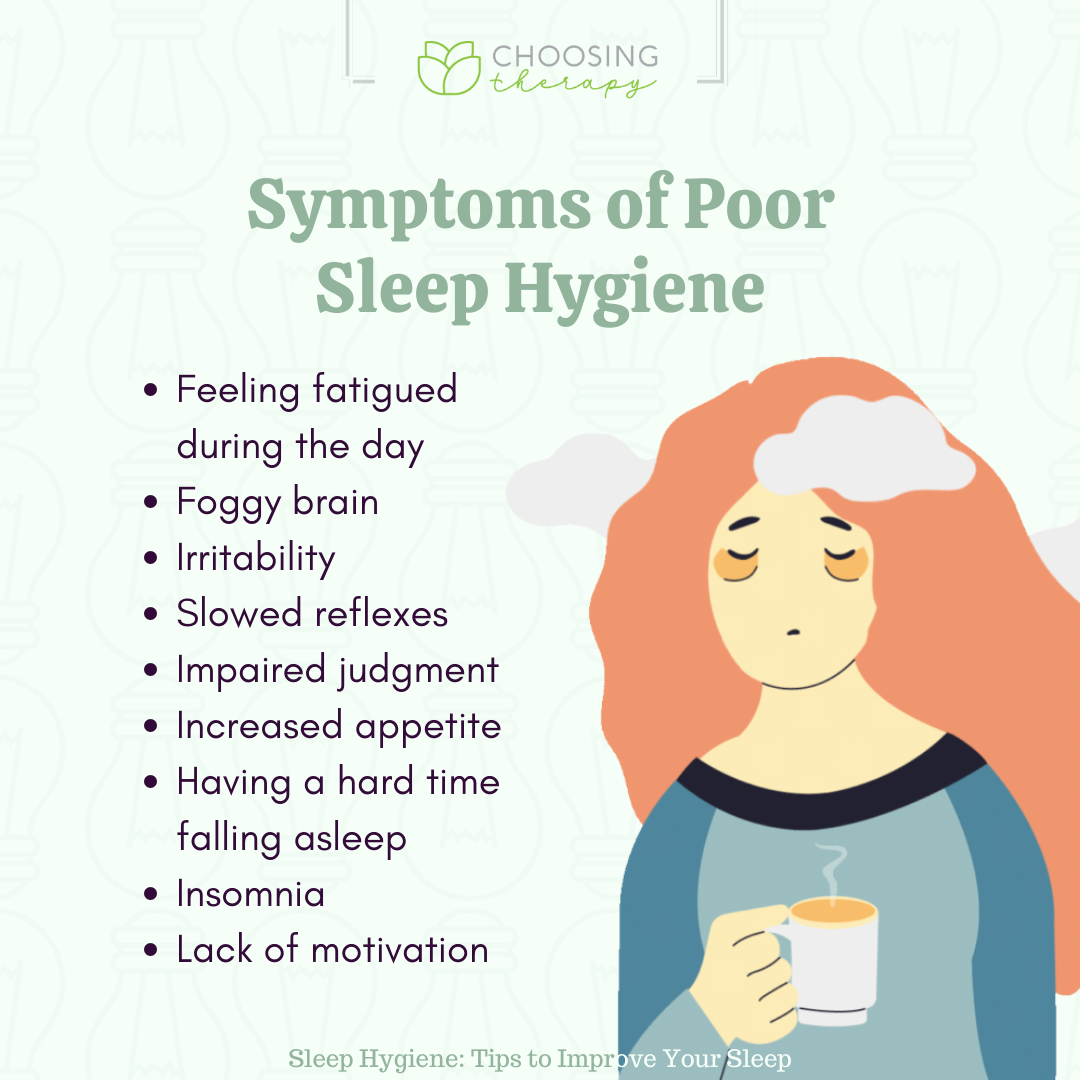
Difficulty falling asleep (sleep latency) or waking repeatedly during the night are classic signals. This includes lying awake for 20–60 minutes before sleep or waking up multiple times for long periods.
2. Daytime sleepiness and naps that don’t help
Feeling drowsy during the day or needing long naps to get through the afternoon suggests poor nighttime rest. Short, planned naps can help, but long or irregular naps often worsen nighttime insomnia.
3. Poor concentration and memory problems
When sleep quality drops, so does cognitive sharpness. You may notice trouble focusing, slower processing speed, or forgetfulness. Health resources like Better Health Victoria note changes in concentration and memory with sleep loss — a sign you should take seriously (Better Health Victoria).
4. Mood swings, irritability, and emotional reactivity
Short sleep or broken sleep increases emotional sensitivity. You might feel more impatient, tearful, or easily overwhelmed. These mood shifts are a less obvious, but important, symptom of poor sleep hygiene.
5. Increased appetite or cravings
Poor sleep can change hunger hormones, leading to stronger cravings for sugary or fatty foods. This contributes to weight gain and swings in energy during the day.
6. Slower reaction times and reduced coordination
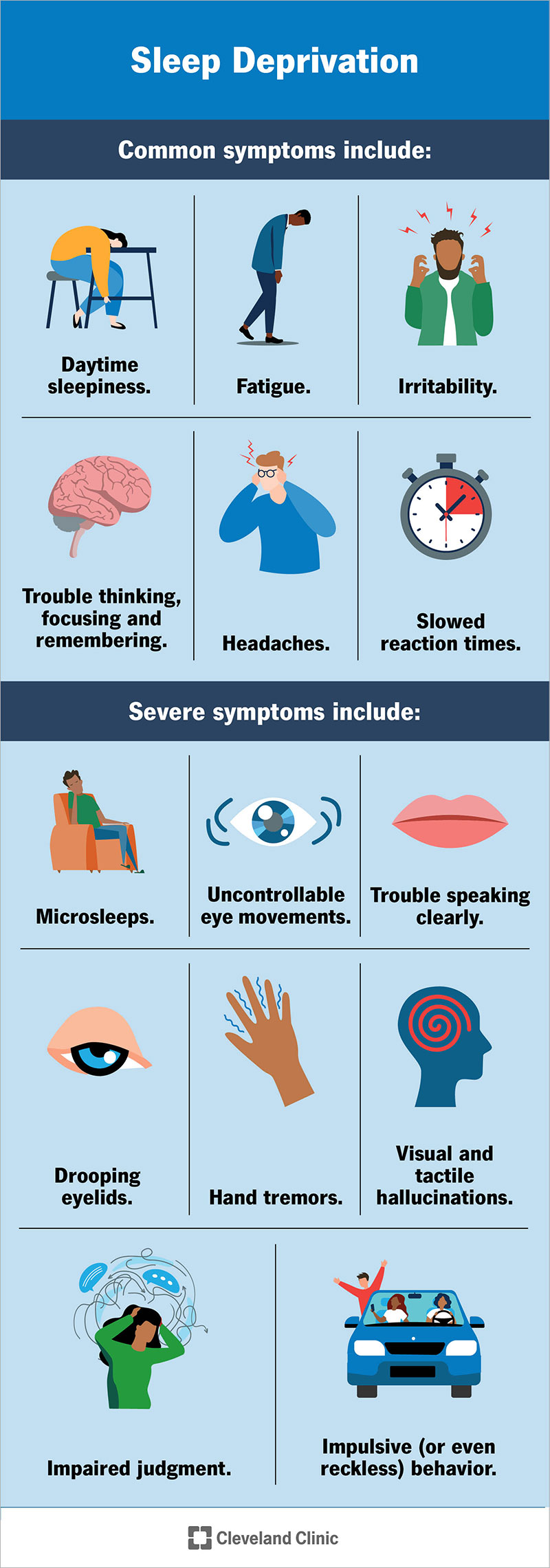
Reduced alertness affects balance and reflexes. This is why sleep deprivation is linked to more workplace and driving accidents. The Cleveland Clinic outlines how sleep loss influences both physical coordination and long-term health (Cleveland Clinic).
How poor sleep hygiene develops (quick checklist)
These behaviors and conditions often cause or worsen the symptoms of poor sleep hygiene:
- Inconsistent bed and wake times.
- Using phones or bright screens before bed.
- Late caffeine, alcohol, or heavy meals near bedtime.
- Poor bedroom environment: noise, light, or wrong temperature (Jefferson Health).
- Too much time in bed awake — which weakens your sleep drive.
Short-term and long-term impacts
Symptoms of poor sleep hygiene don’t just make you tired — they affect health in both the short and long term.
- Short-term: impaired judgment, slower thinking, mood instability, poor performance at work or school.
- Long-term: higher risk for chronic conditions like high blood pressure, obesity, diabetes, and mood disorders. The Sleep Foundation and Cleveland Clinic explain how ongoing sleep problems can lead to serious health issues (Sleep Foundation, Cleveland Clinic).
12 sleep hygiene tips that actually help
Improving sleep hygiene usually improves the symptoms quickly. Here are practical, easy-to-apply tips:
- Keep a consistent schedule: wake up at the same time every day, even weekends. This regularity strengthens your body clock (Sleep Foundation).
- Create a wind-down routine: 30–60 minutes of calming activities — reading, stretching, or a warm shower.
- Limit screens before bed: blue light can delay sleep onset.
- Avoid late caffeine and alcohol: both can fragment sleep.
- Control naps: keep naps short (15–30 minutes) and not too late in the day.
- Make your bedroom sleep-friendly: cool, dark, and quiet is best (Jefferson Health).
- Use the bed for sleep and intimacy only: avoid working or watching TV in bed.
- Get daytime light exposure: natural sunlight helps anchor your circadian rhythm.
- Be active daily: regular exercise promotes deeper sleep — but not too close to bedtime.
- Watch evening meals: keep dinner light and avoid heavy, spicy foods before bed.
- Practice relaxation: breathing exercises, meditation, or progressive muscle relaxation can help.
- Track patterns: a sleep diary can reveal habits that cause symptoms of poor sleep hygiene.
When symptoms need professional help
If you’ve tried basic sleep-hygiene changes and still have severe symptoms — for example, loud snoring with daytime sleepiness, long-term insomnia, or symptoms that disrupt daily life — it’s wise to see a clinician. Persistent sleep problems can reflect sleep disorders like sleep apnea, restless legs, or chronic insomnia (Sleep Foundation).
What to bring to an appointment
- Sleep diary showing bedtime, wake time, naps, and caffeine/alcohol use for 1–2 weeks.
- A record of symptoms (daytime sleepiness, memory issues, mood changes).
- List of medications and major stressors or changes in routine.

Quick plan: Fixing the most common causes
Start simple. Pick one or two habits that likely cause your symptoms of poor sleep hygiene and change them for two weeks. See if sleep improves.
- Set a consistent wake-up time (even weekends).
- Create a 45-minute wind-down routine and stop screens 30–60 minutes before bed.
- Lower caffeine and alcohol after mid-afternoon.
- Make the bedroom cool, dark, and only for sleep.
Watch-outs and myths
There’s a lot of conflicting sleep advice. Here’s what to avoid:
- Myth: You can fully catch up on sleep with weekend sleep-ins. Reality: irregular sleep schedules can make symptoms worse (Sleep Foundation).
- Myth: Alcohol helps with sleep. Reality: it may help you fall asleep but fragments later sleep stages and worsens daytime symptoms.
- Myth: Napping always helps. Reality: long or late naps can reduce your sleep drive and increase bedtime insomnia.
Resources and further reading
If you want to read more about how sleep loss affects thinking and balance, check Better Health Victoria’s summary of cognitive impacts (Better Health Victoria). For clinical guidance on sleep deprivation and treatment paths, the Cleveland Clinic offers an accessible overview (Cleveland Clinic), and Jefferson Health lists environmental factors tied to inadequate sleep hygiene (Jefferson Health).
Watch: Quick tips to improve sleep hygiene
Summary: Key signs to watch for
In short, the most telling symptoms of poor sleep hygiene are:
- Difficulty falling or staying asleep.
- Daytime sleepiness and dependency on naps.
- Poor concentration, memory problems, and slowed thinking.
- Mood instability and stronger cravings.
- Reduced coordination or slower reaction times.
Takeaway
Most symptoms of poor sleep hygiene improve when you build a stable sleep routine and make simple environment changes. If symptoms persist, seek medical advice to rule out sleep disorders.
Ready to sleep better? Start with a two-week experiment: set a fixed wake time, cut screens before bed, and make your bedroom cooler and darker. Track how you feel — small changes often lead to big gains.
Want more guides like this? Explore helpful sleep and wellness articles at zenpulsehub.com and find a plan that fits your life.
Frequently Asked Questions
What exactly counts as poor sleep hygiene?
Poor sleep hygiene is a pattern of behaviors and environmental factors that disrupt sleep, like irregular sleep schedules, late-night screens, heavy evening meals, or a noisy, bright bedroom.
How quickly will better sleep habits reduce symptoms?
Many people see improvements in 1–2 weeks after stabilizing wake times, reducing evening screen use, and creating a consistent wind-down routine. For chronic or severe issues, it can take longer or require professional help.
Can poor sleep hygiene cause long-term health problems?
Yes. Ongoing poor sleep is linked to increased risk of conditions like high blood pressure, diabetes, obesity, and mood disorders. If lifestyle changes don’t help, consult a healthcare provider.
When should I see a doctor about sleep issues?
See a clinician if you experience persistent daytime sleepiness, loud snoring with gasping, long-term insomnia, or symptoms that affect daily life despite good sleep-hygiene efforts.