

Tips for Improving Sleep Quality: Habits that Help
Tips for improving sleep quality can transform your energy, mood, and focus. This guide gives friendly, practical habits you can start tonight to fall asleep faster, sleep deeper, and wake feeling refreshed. Read on for simple routines, environment tweaks, and evidence-based strategies that work for busy adults.
Why sleep quality matters
Good sleep supports memory, immune health, mood, and long-term wellbeing. Poor sleep quality — even with enough hours — leaves you groggy, unfocused, and more prone to stress. These tips for improving sleep quality focus on what you can control: routine, environment, food and drink, and how you manage stress before bed.
Core principles: what to aim for
Before we dive into tactics, keep these simple goals in mind:
- Consistency: regular sleep and wake times anchor your circadian rhythm.
- Comfort: a cool, quiet, dark bedroom helps your brain shift into sleep mode.
- Wind-down: an evening routine signals your body it’s time to rest.
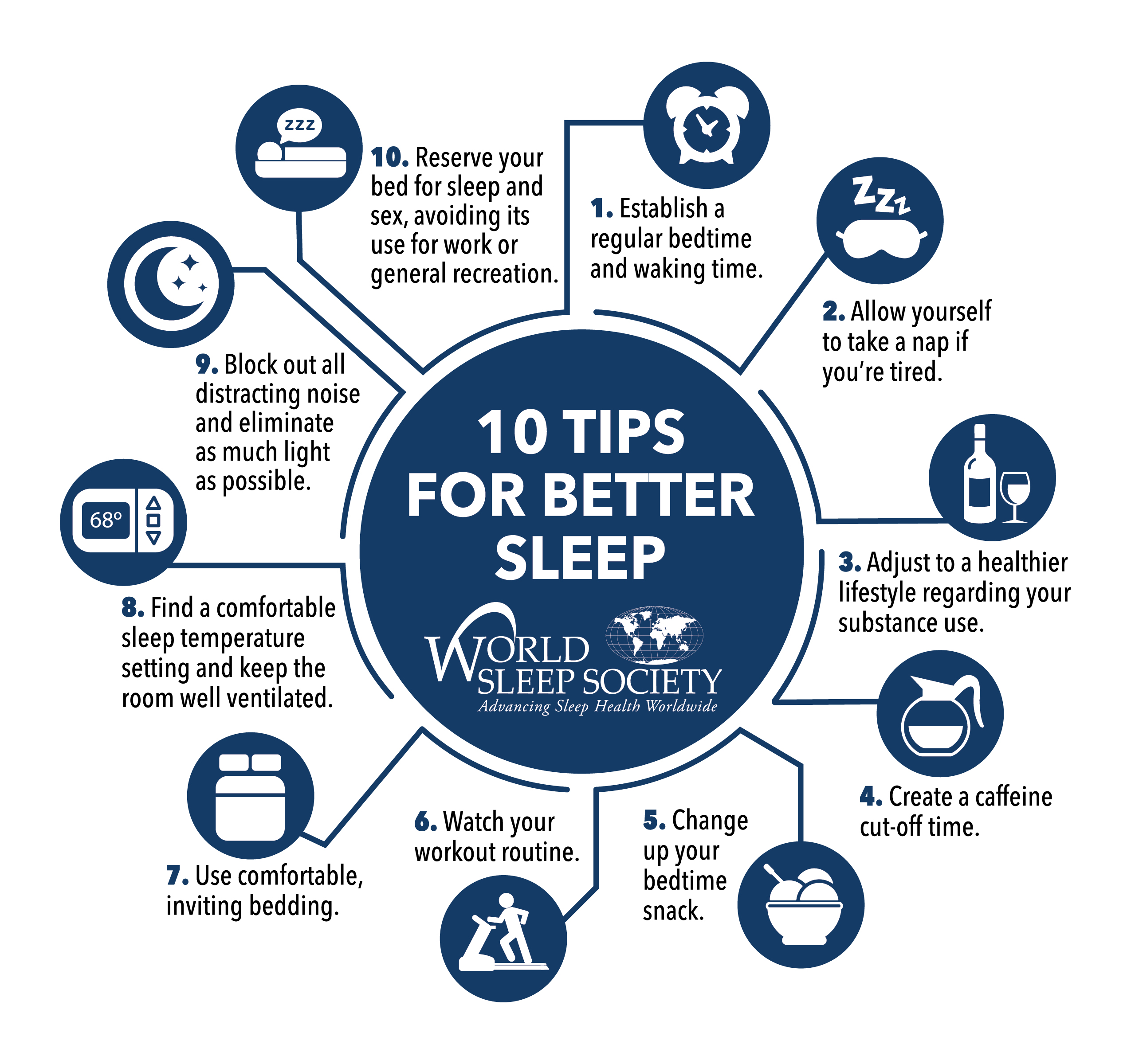
Top 12 practical tips for improving sleep quality
Use these tips as building blocks. Try one or two changes at a time for best results.
1. Stick to a sleep schedule
Go to bed and wake up at the same time every day, even on weekends. This consistency strengthens your internal clock. If you need help, set gentle alarms for bedtime and wake time.
2. Create a restful environment
Optimize your bedroom: cool (around 60–67°F / 15–19°C), dark, and quiet. Consider blackout curtains, a white-noise machine, or earplugs. Keep screens out of the bedroom, and reserve your bed for sleep and intimacy only.
:max_bytes(150000):strip_icc()/how-to-get-better-sleep-5094084-regular-FINAL-2c371001cada4ad391f6de53fc6053c9.png)
3. Perfect your nighttime routine
Create a 30–60 minute wind-down that lowers stimulation. Read, stretch gently, practice deep breathing, or do light journaling. Avoid intense work, urgent emails, or emotionally charged conversations before bed.
4. Watch food and drink timing
Large meals, caffeine, and alcohol close to bedtime can disrupt sleep. Aim to finish eating at least 2–3 hours before bed. If you need a snack, choose something small and sleep-friendly (e.g., a banana with a spoonful of nut butter).
5. Cut late caffeine and nicotine
Caffeine can stay active in your system for 6–8 hours. Avoid coffee, strong tea, or energy drinks in the late afternoon and evening. Nicotine is a stimulant too, so quitting or cutting back can improve sleep.
6. Limit naps (or time them well)
Short naps (10–20 minutes) can boost alertness. Long or late naps can make it harder to fall asleep at night. If you nap, aim for early afternoon and keep it brief.
7. Get daylight exposure and move during the day
Natural light helps regulate your circadian rhythm. Aim for morning sunlight and daily physical activity—exercise improves sleep, but avoid vigorous workouts right before bed.
8. Use light strategically
Bright morning light helps wake you. In the evening, dim lights and reduce blue light from screens. Many devices have a nighttime mode; use it. Try blue-light blocking glasses if you must use screens.
9. Manage stress and worry
Stress fuels sleep problems. Try short practices like 5–10 minutes of meditation, box breathing, or progressive muscle relaxation before bed. Keep a worry journal: write down tomorrow’s tasks so your mind can let go.
10. Keep your sleep tech-smart, not tech-dependent
Trackers can provide useful trends but avoid obsessing over nightly variations. If a gadget disrupts sleep (alerts, lights), stop using it at night.
11. Treat underlying conditions
Sleep problems sometimes come from sleep apnea, restless legs, anxiety, or other conditions. If you snore loudly, wake gasping, or feel tired despite adequate time in bed, consult a professional.
12. Seek evidence-based guidance
Reliable resources and medical sites offer solid guidance. For stepwise tips and practical steps, see the Mayo Clinic’s overview on Sleep tips: 6 steps to better sleep, which highlights scheduling, food, and environment. The Sleep Foundation also outlines creating an optimal sleep environment and a night routine, while Harvard Health gives practical sleep-hygiene advice including meal timing and alcohol guidance at Harvard Health.
Sample evening routine to try tonight
Here’s a simple, practical routine you can adopt. Use it as a template and adjust to your schedule.
- 8:30 PM — Finish big meals; avoid heavy alcohol.
- 9:00 PM — Dim lights and step away from screens. Do light stretching or a warm shower.
- 9:20 PM — Write a quick 5-minute journal entry: three wins and one plan for tomorrow.
- 9:30 PM — Read a book or do 10 minutes of guided breathing in bed.
- 10:00 PM — Lights out (or your personal target bedtime).
Small, consistent changes like these can compound quickly. The NHS recommends building good sleep routines, relaxation, and mindfulness to help sleep better; their guide is practical and approachable: NHS: How to fall asleep faster and sleep better.

Troubleshooting: common sleep problems and quick fixes
Can’t fall asleep?
Avoid clock-watching and do a quiet, low-light activity until you feel sleepy. If anxiety keeps you awake, try a short breathing exercise: inhale four seconds, hold four, exhale four, hold four, repeat.
Wake up in the night?
Stay calm and avoid bright screens. Do gentle breathing or progressive muscle relaxation. If you don’t fall back asleep in 20 minutes, get up and do a quiet activity until you feel sleepy again.
Still tired after a long night?
Short naps and a consistent schedule can help. If daytime sleepiness persists, consult a clinician—conditions like sleep apnea or restless legs can interfere with restorative sleep.

How much sleep do you need?
Most adults need 7–9 hours per night. Quality matters: uninterrupted, restorative sleep beats fragmented hours. If you aim for a set bedtime and wake time, you’ll better tune your sleep length naturally.
When to get professional help
See a doctor if you experience loud snoring with gasping, chronic daytime sleepiness, difficulty breathing while asleep, or persistent insomnia that lasts weeks. The CDC provides clear steps and basic guidance on healthy sleep habits and when to seek help: CDC: About Sleep.
Extra tools and resources
There are many helpful tools—guided meditations, sleep apps, and trackers. Use them to support change, not as a source of stress. For a focused look at sleep hygiene and practical steps, check the Sleep Foundation’s tips and resources on establishing an optimal sleep environment and routine: Sleep Foundation: Healthy Sleep Tips.
:max_bytes(150000):strip_icc()/what-is-sleep-hygiene-5085887-FINAL-831b8421e75249f0952fbf4efb0adda7.png)
Guided video: simple evening habits
Below is a short, calming video you can use to guide an evening routine. Click play, dim the lights, and follow along to build a restful habit.
Video: Guided Sleep Tips: Build a Better Nightly Routine
Small changes add up
Start with just one of these tips for improving sleep quality and keep it for two weeks. Add another, then another. Consistency is the most powerful step: your body and brain respond to routines.
Summary checklist: quick wins
- Set a consistent sleep and wake time.
- Make your bedroom cool, dark, and quiet.
- Dim lights and avoid screens 30–60 minutes before bed.
- Avoid late caffeine, heavy meals, and alcohol in the evening.
- Move during the day and get morning light.
- Practice a short wind-down routine and manage stress.
These practical moves reflect the best advice from trusted sources like the Mayo Clinic, Harvard Health, Sleep Foundation, NHS, and the CDC, and they form the foundation of long-term sleep improvement.
Next steps
Pick one habit tonight: move your bedtime 15 minutes earlier, dim lights sooner, or replace evening screen time with a book. Track how you feel for a week and adjust. Small, steady changes are how deep, restorative sleep returns.
Ready to try one change tonight? Your body will thank you. For more guides on sleep, mindfulness, and wellness, explore zenpulsehub.com.
How long before bed should I stop drinking caffeine?
Try to avoid caffeine at least 6–8 hours before your planned bedtime. Caffeine can remain in your system for many hours and may reduce sleep quality or make it harder to fall asleep.
Is napping bad for nighttime sleep?
Short naps (10–20 minutes) early in the afternoon can boost alertness without hurting nighttime sleep. Long or late naps may make it harder to fall asleep at night, so keep them brief and earlier in the day.
What if I wake up and can’t go back to sleep?
Stay calm. Avoid screens and bright lights. Try a relaxation technique for a few minutes. If you don’t fall back asleep in 20 minutes, get up and do a quiet, low-light activity until you feel sleepy again.
When should I see a doctor about sleep problems?
See a clinician if you have loud snoring with gasping, persistent daytime sleepiness, breathing pauses, or if insomnia lasts several weeks despite lifestyle changes. These could signal conditions like sleep apnea or other medical issues.