
What vitamin deficiency causes: Signs & Solutions
What vitamin deficiency causes fatigue, mood shifts, or weak bones? Many everyday symptoms tie back to missing vitamins. This guide explains common vitamin deficiencies, clear signs to watch for, simple tests, and practical treatments you can start today.
Why asking “what vitamin deficiency causes” matters
Many people ask, what vitamin deficiency causes symptoms like tiredness or brittle nails? Knowing the link helps you get the right tests and treatment fast. Vitamins are tiny nutrients but they power major body functions: energy production, immunity, brain health, and bone strength.
Quick video overview
Video: Understanding Vitamin Deficiencies
Common vitamin deficiencies and what they cause
Here are the most common deficits and the problems they can lead to. Use this as a quick reference when you wonder what vitamin deficiency causes a specific symptom.
Vitamin D
What vitamin deficiency causes bone pain, muscle weakness, and higher fracture risk? Often it’s vitamin D. This vitamin helps your body absorb calcium and keep bones strong. Older adults, people with limited sun exposure, and those with darker skin are at higher risk.
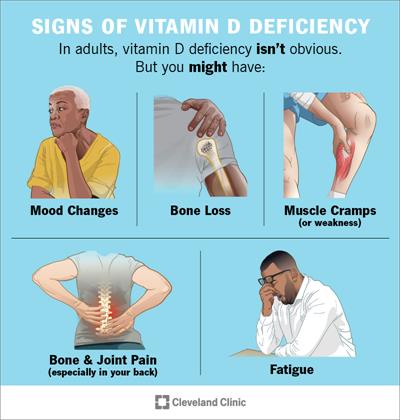
Learn more about vitamin D issues at the Cleveland Clinic page on Vitamin D deficiency.
Vitamin B12
A lack of vitamin B12 can cause fatigue, tingling in hands/feet, memory trouble, and anemia. B12 deficiency is more common in older adults and people on strict vegan diets or those with absorption problems.
Folate (Vitamin B9)
Low folate often causes anemia and fatigue, and in pregnancy it raises the risk of neural tube defects. If you asked, what vitamin deficiency causes large, poorly functioning red blood cells, folate (or B12) is a top answer.
Iron (technically a mineral)
Iron deficiency causes anemia, cold hands, pale skin, and tiredness. While not a vitamin, iron interacts closely with B vitamins that help red blood cell formation.
Vitamin C
Scurvy — a severe vitamin C deficiency — causes bleeding gums, easy bruising, and slow wound healing. Milder low levels can also reduce immunity and energy.
Other vitamins (A, E, K)
Deficits of fat-soluble vitamins can affect vision (A), blood clotting (K), and cell protection (E), though these are less common with a balanced diet.
Signs and symptoms: How to spot a deficiency
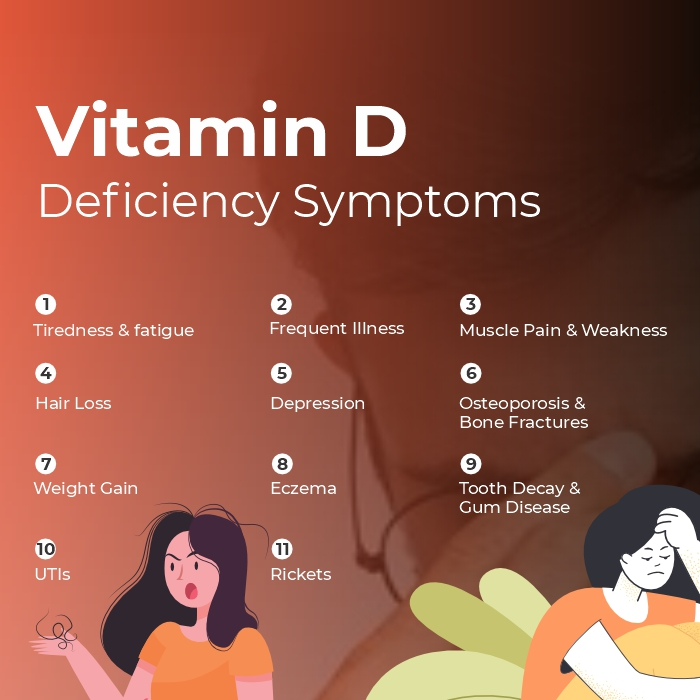
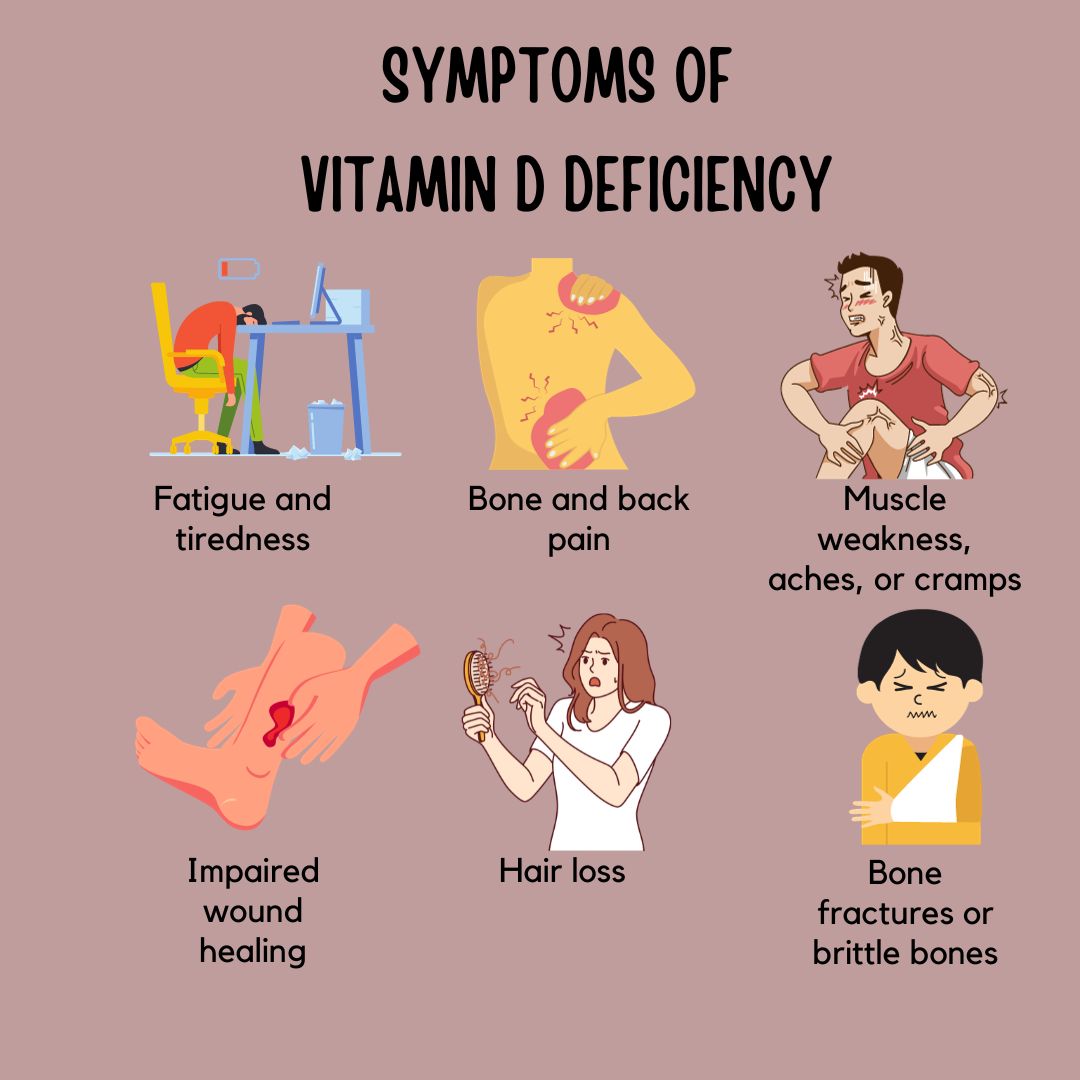
Symptoms often overlap, so one sign alone doesn’t confirm a deficiency. Still, patterns matter. Ask yourself: have multiple symptoms appeared together? Here are typical warning signs:
- Persistent fatigue that sleep doesn’t fix.
- Brain fog, memory slips, or mood changes.
- Muscle weakness or bone pain.
- Pale skin, breathlessness, or rapid heartbeat (anemia).
- Bruising or bleeding gums and slow wound healing.
- Digestive issues like chronic diarrhea that limit nutrient absorption.
Causes: Why deficiencies develop
Understanding causes helps prevent recurrence. Common reasons include:
- Poor diet: Low intake of fruits, vegetables, whole grains, or animal products.
- Absorption issues: Conditions like celiac disease, Crohn’s, or low stomach acid can block vitamin uptake.
- Medications: Some drugs reduce absorption of B12, folate, or vitamin D.
- Age: Older adults often absorb fewer nutrients and may need more vitamin D.
- Life stages: Pregnancy and breastfeeding increase nutrient needs.
- Limited sun: Low sunlight exposure reduces vitamin D production.
How doctors diagnose deficiencies
Diagnosis starts with a medical history and simple blood tests. If you ask, what vitamin deficiency causes your symptoms, your clinician will likely order tests such as:
- Complete blood count (CBC) to check for anemia
- Serum vitamin D (25-hydroxyvitamin D)
- Vitamin B12 and folate levels
- Iron studies (ferritin, transferrin)
- Additional tests for malabsorption if needed
Reliable resources like the Cleveland Clinic explain more about general vitamin shortages here: Vitamin deficiencies overview. For anemia caused by low B12 or folate, the Mayo Clinic covers symptoms and causes well: Vitamin-deficiency anemia.
Treatments: How to fix deficiencies
Treatment depends on which vitamin is low and why. Here are common approaches:
- Diet changes: Increase foods rich in the missing nutrient (see food lists below).
- Oral supplements: Tablets or capsules for vitamins D, B12, or C.
- Injections: B12 shots for people with absorption issues.
- Prescription doses: High-dose vitamin D or iron under doctor supervision.
- Treating the cause: Addressing celiac disease, changing meds, or fixing gut issues.
Food sources to include
Simple food swaps can help prevent or correct low levels:
- Vitamin D: Fatty fish (salmon, mackerel), fortified milk, eggs.
- Vitamin B12: Meat, fish, dairy, fortified cereals (vegans may need supplements).
- Folate: Leafy greens, legumes, fortified grains.
- Vitamin C: Citrus fruits, peppers, strawberries.
- Iron: Red meat, beans, lentils, spinach. Pair with vitamin C to boost absorption.
Special groups at higher risk
Some people should pay extra attention because they are more likely to ask, what vitamin deficiency causes their symptoms.
- Older adults: Reduced absorption and less sun exposure affect vitamin D and B12. See an overview about seniors’ risks: Vitamin Deficiencies in Seniors.
- Pregnant people: Need more folate and iron to support the baby.
- Vegans and vegetarians: Risk for B12 deficiency without fortified foods or supplements.
- People with gut disorders: Celiac disease, Crohn’s, and gastric surgery can reduce absorption.
When to see a doctor
If symptoms are persistent or getting worse, book an appointment. Signs like severe fatigue, rapid heartbeat, numbness, or unexplained bruising need prompt attention. Your clinician will guide testing and a safe plan to restore levels.
Prevention: Smart habits to avoid deficiencies
Preventing a deficiency is easier than treating one. Follow these steps:
- Eat a varied diet with whole foods and fortified products.
- Get regular, safe sun exposure or consider vitamin D supplements, especially in winter.
- Take prenatal vitamins if planning pregnancy.
- Discuss meds with your doctor if you suspect they affect nutrient absorption.
- Have routine blood checks if you have risk factors.
Reliable resources to learn more
For trusted medical info check these pages:
- Cleveland Clinic: Vitamin deficiency overview — short, clear guide on common deficits and testing.
- Mayo Clinic: Vitamin-deficiency anemia — details on B12 and folate-related anemia.
- Verywell Health: Symptoms & causes — accessible review of deficiency signs.
- NHS: B12 or folate deficiency causes — practical causes and treatment options.
Answering the key question: What vitamin deficiency causes what?
To recap, here are quick pairings you can remember when wondering what vitamin deficiency causes a particular sign:
- Fatigue and anemia — B12, folate, iron.
- Bone pain and fractures — Vitamin D.
- Tingling or numbness — B12.
- Bleeding gums — Vitamin C.
- Poor vision — Vitamin A.
Practical next steps if you suspect a deficiency
- Note your main symptoms and how long they’ve lasted.
- Check your diet for likely gaps (e.g., no animal products, low dairy, or few fruits/veggies).
- Book a primary care visit and ask for targeted blood tests.
- Follow the treatment plan — diet changes, supplements, or injections as advised.
- Recheck levels after a few months to confirm recovery.
Key takeaways
When you ask what vitamin deficiency causes a symptom, remember that many signs overlap. A short blood panel usually gives clear answers. With the right testing, simple dietary changes, and guided supplements, most deficiencies are easy to fix.
Frequently Asked Questions
Which vitamin deficiency causes fatigue the most?
Fatigue is commonly linked to low vitamin B12, folate, iron, or vitamin D. Because symptoms overlap, a blood test is the best way to find the exact cause.
Can vitamin deficiencies cause depression or mood changes?
Yes. Low levels of vitamin D, B12, and folate have been associated with mood changes and low energy. Treating deficiencies can help improve mood in many people.
How long does it take to correct a deficiency?
It varies. Minor shortfalls may improve in weeks with diet and supplements; more severe deficiencies (like low B12 or iron-deficiency anemia) can take months and need medical follow-up.
Should I start supplements on my own?
Supplements are helpful, but it’s best to test first. Some vitamins and minerals can cause harm at very high doses. Talk with your clinician to choose the right type and dose.
Ready to act? If you suspect a deficiency, start with a quick diet check and schedule a blood test. For trusted reading on causes and tests, see the Cleveland Clinic overview on vitamin deficiencies and the Mayo Clinic page on vitamin-deficiency anemia.
Explore more health guides and practical tips at zenpulsehub.com to stay informed and feel your best.