

bad sleep hygiene: Habits That Hurt Your Sleep
Bad sleep hygiene can quietly erode your energy, mood, and productivity. If you scroll late, nap long, or take calls in bed, you’re likely practicing habits that interrupt restorative sleep. This guide explains what bad sleep hygiene looks like, why it matters, and practical steps to fix it.

Why bad sleep hygiene matters
Sleep isn’t optional. Poor sleep routines reduce focus, increase mistakes, and can worsen mood and long-term health. Research shows that inadequate sleep hygiene often acts like a form of insomnia — habits that keep you from consistent, healthy sleep.
:max_bytes(150000):strip_icc()/what-is-sleep-hygiene-5085887-FINAL-831b8421e75249f0952fbf4efb0adda7.png)
What is ‘sleep hygiene’ — and what counts as bad sleep hygiene?
‘Sleep hygiene’ refers to the habits and environment that support healthy sleep. Good sleep hygiene makes it easier to fall asleep and stay asleep; bad sleep hygiene does the opposite. The Sleep Foundation outlines how both behavior and environment shape sleep quality.
Common examples of bad sleep hygiene
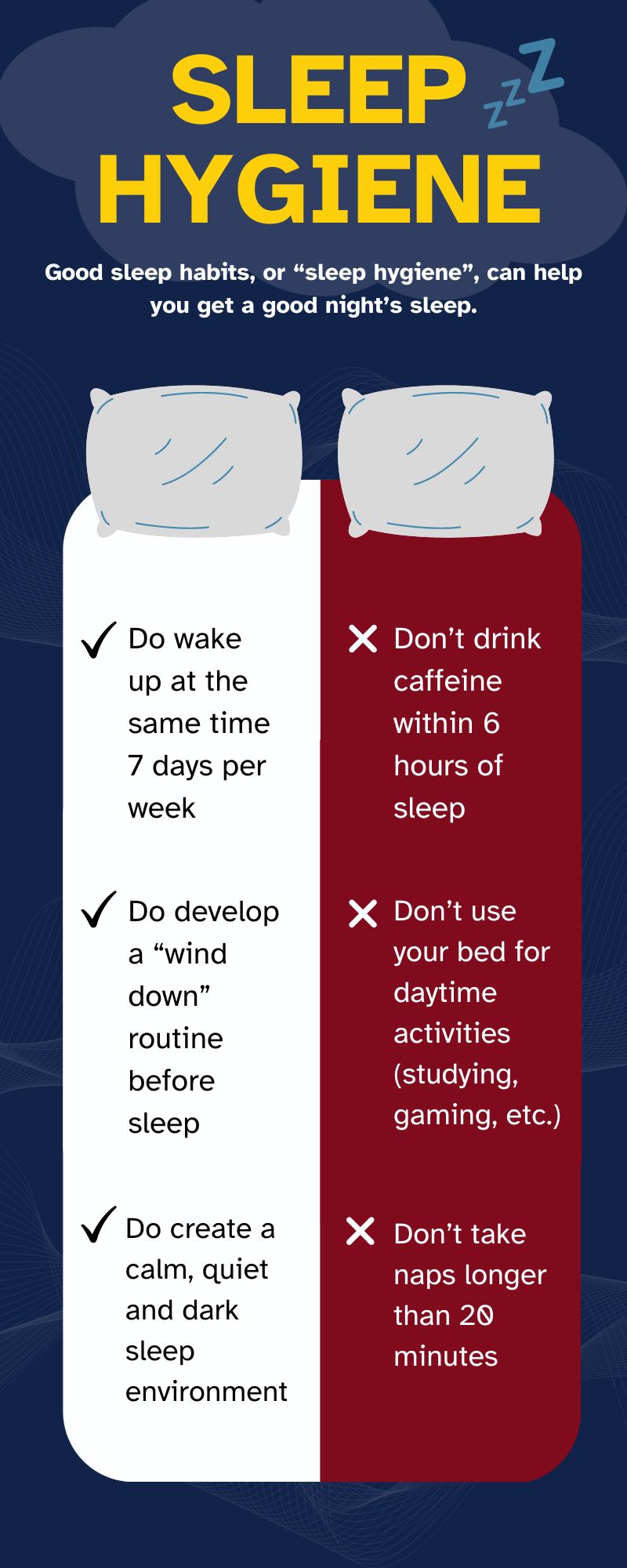
- Using phones or laptops in bed late into the night.
- Irregular sleep-wake times (big differences between workdays and weekends).
- Consuming caffeine or alcohol near bedtime.
- Daytime napping that disrupts nightly sleep.
- Working, eating, or watching stress-inducing content in the bedroom.
 Source: www.jbsa.mil
 How bad sleep hygiene harms your daily life
When you practice bad sleep hygiene repeatedly, the consequences grow. Here are the most common impacts:
- Reduced cognitive performance: Memory, attention, and decision-making suffer.
- Mood and mental health: Sleep trouble increases risk for anxiety and depression.
- Physical health risks: Poor sleep links to weight gain, weakened immunity, and higher cardiovascular risk.
- Work and relationships: Chronic tiredness lowers productivity and strains social bonds.
Evidence and guidance
Clinical reviews show that poor sleep hygiene includes behaviors that promote arousal or disrupt the sleep-wake cycle — from late-night stimulation to inconsistent routines. See the evidence summary in this review on PubMed Central for details: Poor and imperfect sleep hygiene practices.
How to tell if you have bad sleep hygiene (self-check)
Start with a short self-audit. Track these items for a week:
- Bedtime and wake time on weekdays vs. weekends.
- Total time in bed vs. actual sleep time.
- Evening screen use and light exposure.
- Evening caffeine, alcohol, or heavy meals.
- Daytime naps and how long they last.
If several items are off, you likely have bad sleep hygiene. The NHS explains how insomnia-like problems can stem from poor habits rather than a medical disorder.
:max_bytes(150000):strip_icc()/what-is-sleep-hygiene-5085887-FINAL-831b8421e75249f0952fbf4efb0adda7.png)
Practical fixes: Improve sleep hygiene in small steps
Fixing bad sleep hygiene doesn’t require a complete life overhaul. Small, consistent changes add up fast. Try this simple plan:
1. Set a realistic sleep schedule
Choose a bedtime and wake time you can keep every day, including weekends. Consistency strengthens your internal clock and makes falling asleep easier.
2. Create a sleep-first bedroom
Make the room cool, dark, and quiet. Remove work materials and dim bright lights an hour before bed. Your bedroom should cue relaxation, not productivity.
3. Cut late caffeine and heavy meals
Avoid caffeine after mid-afternoon and heavy dinners within two to three hours of bedtime. Alcohol might help you fall asleep, but it fragments sleep later in the night.
4. Limit screens and blue light at night
Turn off devices an hour before bed or use blue-light filters. Replace scrolling with reading, journaling, or calming music.
5. Use naps wisely
If you need to nap, keep it short (20–30 minutes) and ideally before mid-afternoon to avoid nighttime disruption.
Bedroom setup checklist
- Room temperature: 60–67°F (15–19°C) is often best.
- Use blackout curtains or an eye mask.
- Choose a mattress and pillow that support your sleep position.
- Remove work devices; keep the bedroom for sleep and intimacy only.

Daily habits that support better sleep
- Morning sunlight: 10–30 minutes outdoors helps anchor your circadian rhythm.
- Regular exercise: Aim for consistent activity, but avoid vigorous workouts within an hour of bedtime.
- Evening wind-down: Build a predictable pre-sleep routine — bath, light stretching, reading.
- Mind your mindset: Practice simple relaxation or breathing exercises to reduce nighttime anxiety.
When changing habits isn’t enough
If you follow sleep-hygiene best practices and still struggle to fall asleep or stay asleep, it might be time to consult a professional. The Better Health guide notes that some sleep problems stem from long-reinforced habits, while others require medical evaluation. If your daytime function or mood suffers despite good routines, talk to your healthcare provider.
Quick fixes vs. long-term change
Short-term tricks like sleeping pills or heavy night-time alcohol are rarely a solution. They may mask symptoms but won’t fix root habits. Work on sustainable routines: consistent sleep time, screen-free wind-downs, and a sleep-supportive environment. For a science-backed view on what actually helps, see resources from the Sleep Foundation.
Tools and resources
Use simple tools to track progress: a sleep diary, smartphone sleep trackers (use them wisely), or habit apps to nudge consistency. If you want authoritative explanations about inadequate sleep hygiene as a cause of insomnia, Jefferson Health provides a helpful summary: Inadequate sleep hygiene.
Watch: Quick guide to better sleep habits
Video: How Sleep Habits Affect Your Life
Common myths about sleep hygiene
- Myth: You can ‘catch up’ on sleep during weekends.
Truth: Large swings in sleep timing confuse your clock and worsen overall sleep. - Myth: Alcohol helps you sleep well.
Truth: Alcohol fragments sleep and reduces restorative stages. - Myth: If you can’t sleep, stay in bed until you drop.
Truth: If you can’t sleep within 20–30 minutes, get up and do a calm, non-stimulating activity until you feel sleepy.
Summary checklist: Fix bad sleep hygiene in 10 steps
- Pick a consistent bedtime and wake time.
- Limit screens 60 minutes before bed.
- Avoid caffeine after mid-afternoon.
- Keep naps short and early.
- Make your bedroom cool, dark, and quiet.
- Use the bed for sleep and intimacy only.
- Get morning sunlight and regular exercise.
- Develop a calming pre-sleep routine.
- Track sleep patterns for one month to spot trends.
- Seek help if sleep problems persist despite changes.
Further reading and trusted links
Want to learn more? These resources are reliable and friendly:
- Jefferson Health — Inadequate sleep hygiene
- Sleep Foundation — Sleep hygiene guide
- NHS — Sleep and insomnia
- Better Health — Sleep hygiene overview
- PMC review — Poor and imperfect sleep hygiene practices
Final thoughts
Bad sleep hygiene is common, but it’s also one of the easiest sleep problems to improve with steady, small changes. Replace stimulants and screens with predictable routines and a restful bedroom, and you’ll often see better sleep within weeks. If efforts don’t help, consult a practitioner — persistent insomnia can have medical or psychological causes that need care.
Ready to reclaim better sleep? Start with one change tonight — go to bed 15 minutes earlier and dim screens for an hour. For more guides, tips, and routines, explore the rest of zenpulsehub.com.
Frequently Asked Questions
What is the main sign of bad sleep hygiene?
The most common sign is inconsistent sleep times and difficulty falling or staying asleep that improves when you follow a consistent routine. If varied schedules, late-night screens, and evening stimulants are common, you likely have bad sleep hygiene.
Can I fix bad sleep hygiene without a doctor?
Yes. Many people improve sleep by changing routines — consistent bed/wake times, less screen time before bed, and limiting late caffeine. If problems persist after several weeks, consult a healthcare professional.
Are naps bad if I have poor sleep habits?
Naps aren’t bad by themselves, but long or late naps can worsen nighttime sleep if you already have poor routines. Keep naps short (20–30 minutes) and early in the afternoon.
Where can I find evidence-based tips on sleep hygiene?
Trusted sources include the Sleep Foundation, NHS pages on sleep, Jefferson Health resources on inadequate sleep hygiene, and peer-reviewed reviews such as those on PubMed Central.






