

Best Sleep Hygiene: 14 Simple Habits
Best sleep hygiene changes how you prepare for rest and helps you fall asleep faster, stay asleep longer, and wake up refreshed. In this guide I’ll walk you through practical, science-backed steps—simple routines and bedroom tweaks you can start tonight.
:max_bytes(150000):strip_icc()/what-is-sleep-hygiene-5085887-FINAL-831b8421e75249f0952fbf4efb0adda7.png)
Why focus on sleep hygiene?
Good sleep isn’t just about the number of hours. It’s about the quality of those hours. Practicing strong sleep hygiene creates a stable sleep schedule, lowers nighttime awakenings, and improves daytime energy. Many health organizations, including the Sleep Foundation and the CDC, recommend routine and environment changes as first-line steps for better rest.
Best Sleep Hygiene Habits
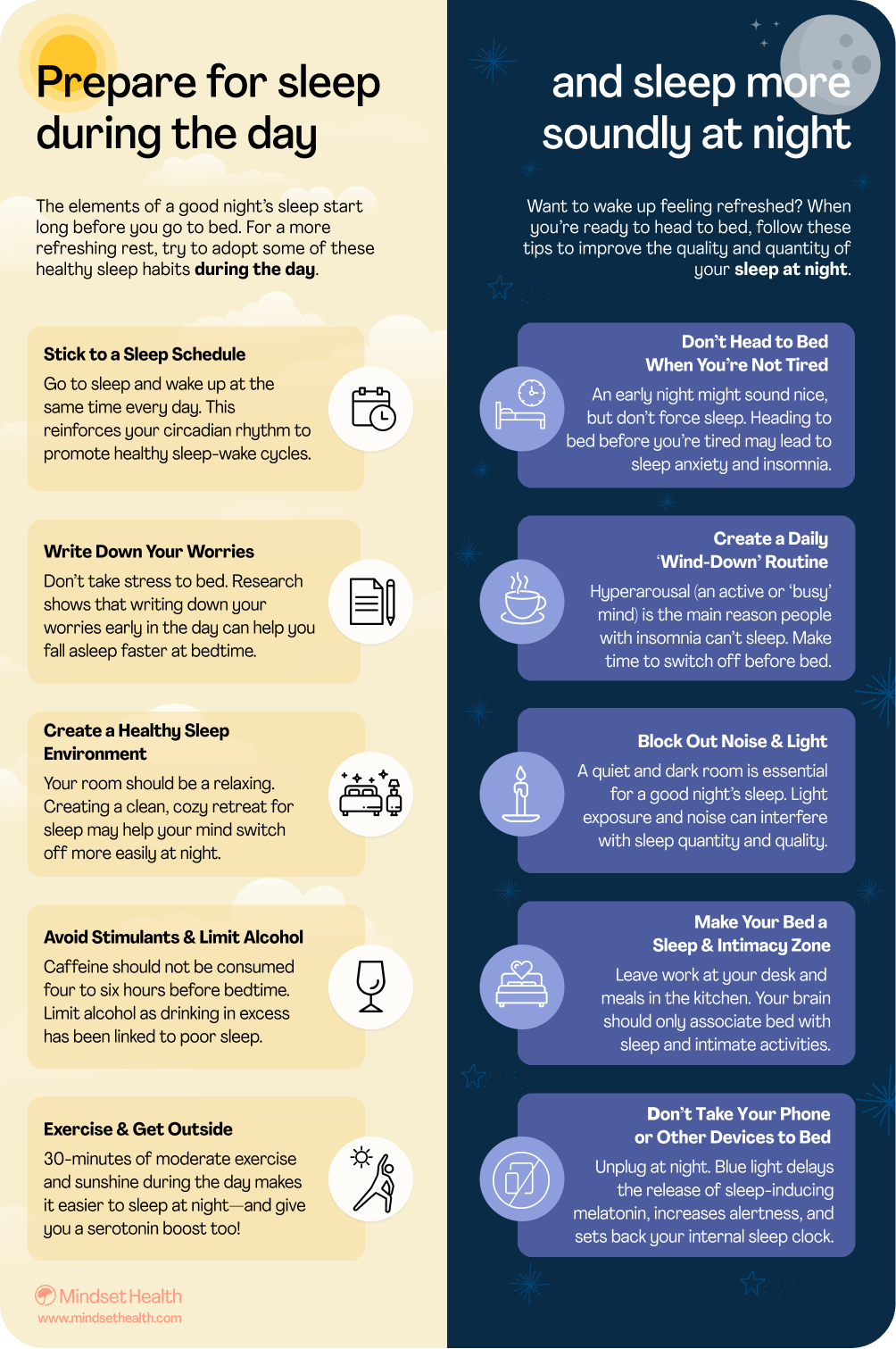
Below are 14 clear, evidence-aligned habits to build your personal sleep routine. These are practical and easy to test—apply a few at a time and notice what improves.
1. Keep a consistent sleep schedule
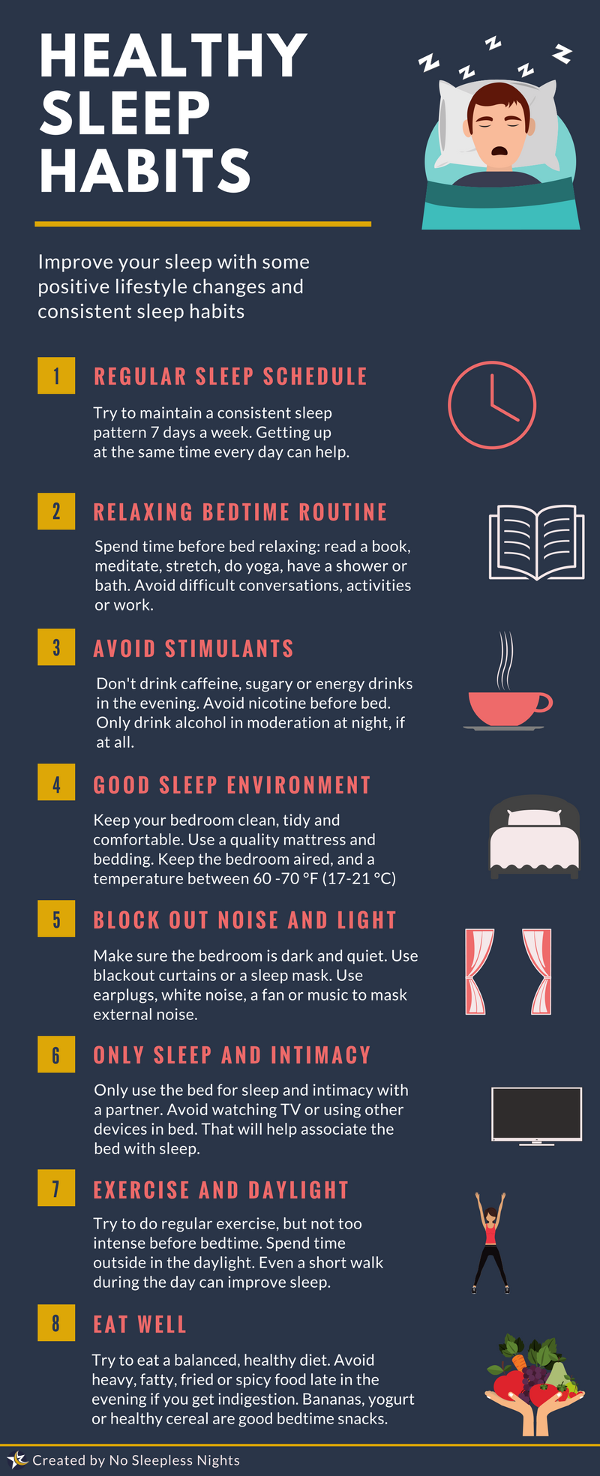
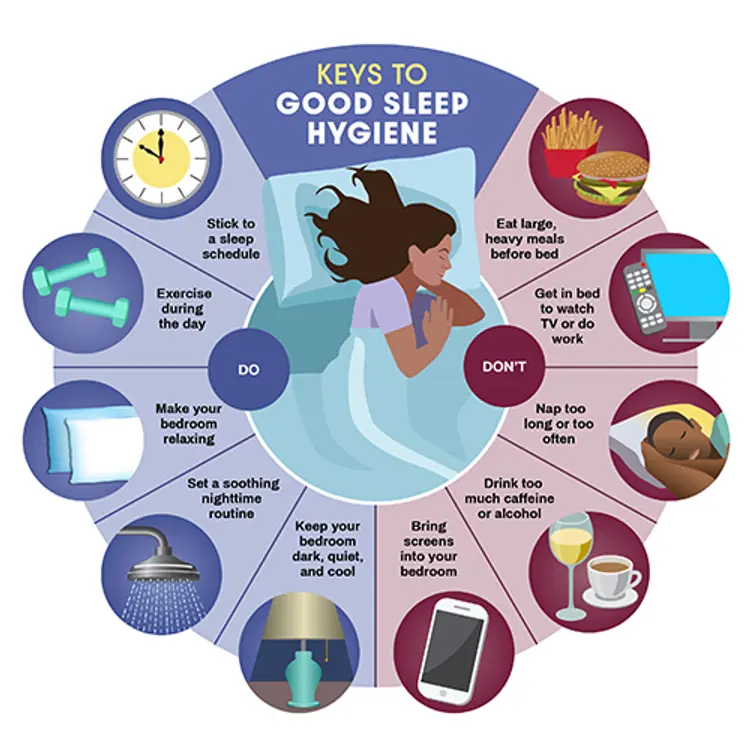
Go to bed and wake up at the same time every day, even on weekends. Consistency reinforces your body’s circadian rhythm. The NHS highlights routine as central to better sleep.
2. Create a relaxing bedtime routine
Wind down 30–60 minutes before bed. Read, journal, stretch gently, or take a warm shower. Avoid stimulating activities or work. As Harvard Health notes, a calm pre-sleep routine helps signal your brain that it’s time to rest.
3. Optimize your sleep environment
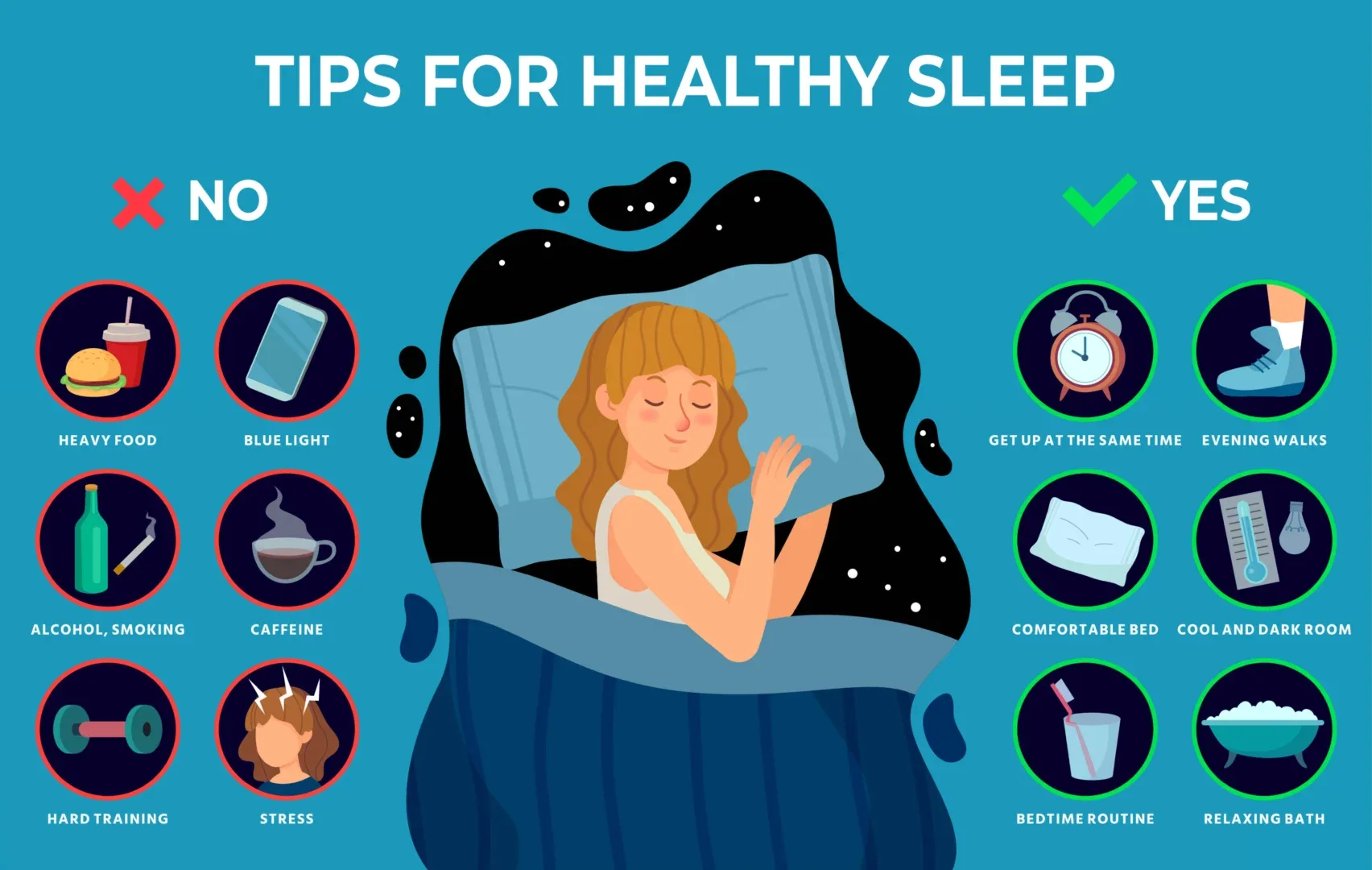
Make your bedroom a sleep sanctuary: cool, quiet, and dark. Replace worn mattresses or pillows and use blackout curtains or eye masks if needed. For tips on noise and light reduction, Harvard Health and the CDC offer practical advice to tailor your bedroom setup.
4. Limit screens and bright light before bed
Blue light from phones, tablets, and TVs suppresses melatonin. Try a digital curfew 60–90 minutes before bedtime. If you must use devices, enable night mode or wear blue-light blocking glasses.
5. Watch caffeine and alcohol timing
Caffeine can affect sleep for 6–8 hours; avoid it in the afternoon and evening. Alcohol may make you sleepy initially but fragments sleep later in the night. Moderation and timing matter.
6. Move daily but time workouts smartly
Regular exercise improves sleep quality. Aim to finish vigorous workouts at least 2–3 hours before bedtime. Gentle evening yoga or stretching is fine and can help you relax.
7. Use the bedroom for sleep (and intimacy) only
Reserve your bed for sleep and sex. Avoid working, studying, or watching stressful shows in bed. This strengthens the mental connection between bed and sleep.
8. Manage naps wisely
Short naps (20–30 minutes) can refresh you without disrupting nighttime sleep. Longer naps or late-afternoon naps risk making it harder to fall asleep at night.
9. Monitor light exposure during the day
Bright daytime light helps regulate circadian rhythm. Spend time outside in natural light, especially in the morning, to support nighttime sleep.
10. Try simple relaxation techniques
Breathwork, guided imagery, progressive muscle relaxation, or mindfulness can lower stress and help you fall asleep faster. If you enjoy guided practices, see the video below for a short routine.
11. Keep worry in check
If racing thoughts are keeping you awake, try a short ‘worry journal’ earlier in the evening. Write down tomorrow’s tasks then close the notebook—this ritual helps signal you’ve scheduled future concerns and can relax the mind.
12. When to see a professional
If insomnia persists despite improving sleep hygiene, talk to a healthcare provider. Conditions like sleep apnea, restless legs, or chronic insomnia need targeted care. The Harvard Health and Sleep Foundation both recommend seeking medical advice when changes don’t help.
Quick-start checklist: 7 steps to try tonight
- Set your sleep and wake times and stick to them for 2 weeks.
- Start a 30-minute wind-down routine (no screens).
- Make room cool, dark, and quiet—consider earplugs or a fan.
- Avoid caffeine after early afternoon.
- Get 20 minutes of morning sunlight when possible.
- Do a short relaxation exercise before bed.
- If you can’t sleep after 20 minutes, get up and do something calm until you feel sleepy.
Sleep tools and tech—use wisely
Sleep trackers, white-noise machines, and smart lights can help if used as tools rather than crutches. Trackers are best for trends, not nightly perfection. If a device increases anxiety about sleep, stop using it.
Common questions about best sleep hygiene
Here are short answers to questions many readers ask when they start improving sleep habits.
How long until I notice improvements?
Some people feel better in a few days; for many, steady improvements take 2–4 weeks as your circadian rhythm adjusts. If you combine several habits—consistent schedule, a wind-down routine, and light control—you’ll usually see faster gains.
Can I catch up on lost sleep?
Short naps help, but long-term sleep debt is best resolved by resetting a consistent sleep schedule. Avoid dramatic shifts that confuse your internal clock.
Are sleep aids a good idea?
Over-the-counter or prescription sleep medications can help short-term, but they don’t replace solid sleep hygiene and may have side effects. Discuss options with your clinician if you consider medication.
Resources and further reading
Want deeper, evidence-focused guidance? Check these reputable sources:
- Harvard Health — Practical tips to create a sleep sanctuary and reduce noise or light.
- Sleep Foundation — Comprehensive guide to sleep hygiene and circadian health.
- CDC — Clear advice on keeping your bedroom relaxing and sticking to a schedule.
- NHS — Simple routines and tips for falling asleep faster.
- Healthline — Practical list of healthy habits to test.
Putting the best sleep hygiene into practice
Start by selecting three changes from the list—perhaps a fixed sleep time, a 30-minute screen-free wind-down, and a cooler bedroom temperature. Track your sleep and how you feel for two weeks. Adjust slowly and be patient: shift your habits, not just your nights.
Frequently Asked Questions
How many times should I mention “best sleep hygiene”?
You’ve seen “best sleep hygiene” used throughout this post to emphasize the core approach—aim to integrate these habits into your daily life for consistent results.
Is waking up during the night normal?
Occasional awakenings are normal. If you frequently have trouble returning to sleep, review your sleep hygiene checklist and consider a medical evaluation if problems persist.
Can apps help my sleep?
Apps can support relaxation and habit tracking. Use them as tools—avoid ones that promote anxiety by over-focusing on nightly metrics.
Final tips
Remember: the best sleep hygiene routine is the one you can stick with. Small, consistent steps beat dramatic one-night fixes. Make changes gradually, observe how your body responds, and refine what works for you.
Ready to sleep better? Try one new habit tonight and build from there.
Explore more sleep and wellness guides at zenpulsehub.com to keep improving your rest and energy.






