
Best supplements to reduce stress
Best supplements to reduce stress can help calm your nervous system, ease tension, and support sleep when used alongside healthy habits. This guide walks through proven supplements, safe dosing tips, and when to speak with your clinician so you can choose what fits your routine.
Why supplements can help with stress
Stress activates hormones like cortisol and adrenaline and can affect sleep, mood, digestion, and energy. While lifestyle habits are the foundation, certain supplements can provide targeted support. Think of supplements as tools to help your body recover — not quick fixes.
How to use supplements safely
Before trying any supplement, keep these simple rules in mind:
- Talk to your provider if you take prescription medicines, are pregnant, or have chronic conditions.
- Start low and go slow: try a lower dose and monitor for effects.
- Choose high-quality brands that use third-party testing.
- Watch for interactions: some supplements alter sleep, blood pressure, or interact with antidepressants.
Top supplements to reduce stress (evidence-based picks)
Below are supplements that have the most supportive evidence for stress reduction, along with practical dosing and safety notes.
Ashwagandha
Ashwagandha (Withania somnifera) is an adaptogenic herb commonly studied for stress and fatigue. Some trials show reduced perceived stress and lower cortisol with standardized extracts.
Dose: Typical studies use 300–600 mg of a standardized extract daily. Start with the lower end.
Notes: Avoid if pregnant or breastfeeding. The NIH Office of Dietary Supplements has a review of clinical evidence for ashwagandha for health professionals (useful background): NIH: Ashwagandha factsheet.

Magnesium
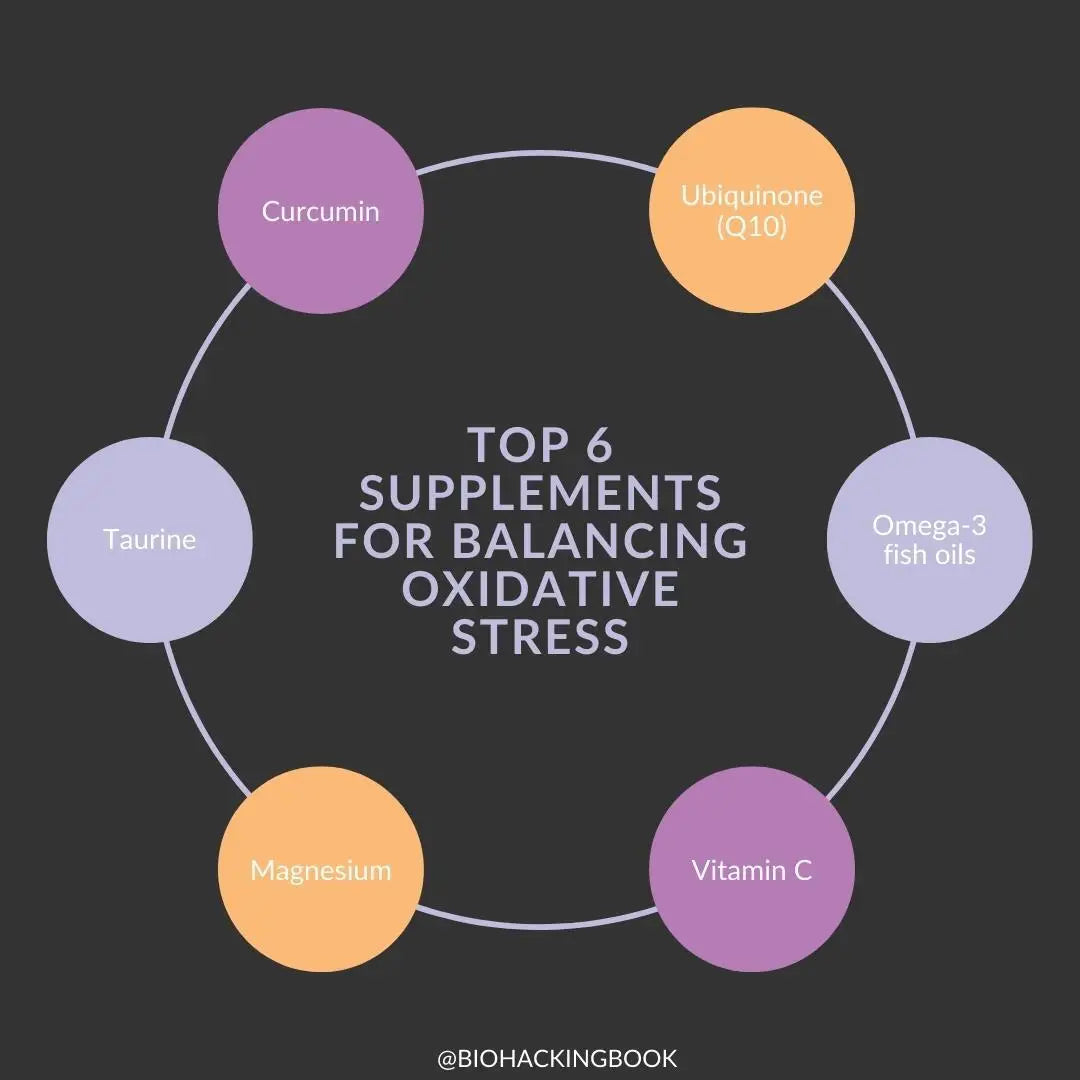
Magnesium supports nervous system function and relaxation. Low magnesium is linked to irritability and poor sleep, so supplementation can help people who don’t get enough from diet.
Dose & forms: 200–400 mg daily is common. Forms like citrate, glycinate, or malate are better absorbed than magnesium oxide.
Notes: Start lower to avoid loose stools. The Jefferson Health overview lists magnesium among supplements that can help reduce anxiety: Jefferson Health: 8 supplements for anxiety.
L-theanine
L-theanine is an amino acid from tea known for calm focus. It may reduce stress responses without causing drowsiness, making it useful during the day.
Dose: 100–200 mg, often taken once or twice daily.
Notes: Mild and well tolerated. It’s often paired with caffeine for improved focus and reduced jitteriness.
Omega-3 fatty acids (EPA/DHA)
Omega-3s help brain health and may reduce stress-related inflammation. Several studies link higher EPA/DHA intake to lower anxiety and improved mood.
Dose: 500–2000 mg combined EPA/DHA per day, depending on goals.
Notes: Choose molecularly distilled or third-party tested fish oils to reduce contaminants. Jefferson Health also highlights omega-3s as useful for anxiety support (Jefferson Health).
Rhodiola rosea
Rhodiola is another adaptogen linked to reduced fatigue and improved stress tolerance. Many trials use standardized extracts and show benefits on mental resilience.
Dose: 200–600 mg daily of a standardized extract (often titrated).
Notes: Can be stimulating for some; take earlier in the day.
Vitamin D
Low vitamin D is associated with low mood and poor stress handling. Supplementing people with deficiency can support overall mental well-being.
Dose: Test-based. Common maintenance doses are 1000–2000 IU daily; higher short-term doses may be prescribed by a clinician.
Notes: Jefferson Health lists vitamin D3 among helpful supplements for anxiety and mood (Jefferson Health).
Vitamin C
Vitamin C acts as an antioxidant and supports adrenal function. Some small studies show vitamin C can blunt stress hormone spikes during acute stress.
Dose: 250–1000 mg daily is typical. Stay within safe upper limits for long-term use unless directed by a provider.
Other useful options
- Lemon balm – calming herb often used for mild anxiety and sleep (see Everyday Health for more on common stress supplements: Everyday Health).
- Melatonin – for sleep-related stress or shift in circadian rhythm (Jefferson Health includes melatonin in their anxiety list).
- Probiotics – the gut-brain connection means some strains may support mood and stress resilience.

What the research says (quick summary)
Some supplements show consistent benefits in clinical trials (for example, magnesium, omega-3s, and certain adaptogens), while others have mixed results. A balanced view is best: supplements can help, but effects vary by person and product quality.
GoodRx and other reviewers list common options that may reduce cortisol and stress hormones, including ashwagandha, magnesium, omega-3s, vitamin C, and L-theanine (GoodRx: supplements that may lower cortisol).
How to choose a quality supplement
Follow these practical checks:
- Look for products tested by third parties like USP, NSF, or ConsumerLab.
- Avoid proprietary blends that hide doses — higher transparency is better.
- Check ingredient forms (e.g., magnesium glycinate vs magnesium oxide).
- Read labels for allergens, fillers, and added sugars.
When to see a clinician
If stress is persistent, causing major sleep loss, panic, or interfering with work and relationships, see a provider. Supplements are supportive but not a substitute for therapy or medical care when needed.
Practical daily plan to reduce stress (combining habits + supplements)
- Morning: Vitamin D (if low), omega-3s with breakfast.
- Midday: Magnesium or L-theanine if you need calm focus.
- Evening: Ashwagandha or rhodiola as tolerated; melatonin only for sleep timing issues.
- Night: Wind-down routine — no screens 60 minutes before bed, light stretch, simple breathing exercises.
Supplements to be cautious about
Some herbs and formulas may interact with medications or have stronger hormonal effects. As a rule, avoid high-dose herbal stacks without clinician oversight. Everyday Health and other reviewers point out that while many supplements show promise, some evidence is mixed — so use caution and check reliable sources like clinical fact sheets and reputable health sites for details (Everyday Health).
Quick checklist before you buy
- Does the product list exact doses per ingredient?
- Is there third-party testing?
- Does the form match clinical trials (e.g., methylated B-vitamins, citrate/glycinate magnesium)?
- Have you checked interactions with your meds?
Resources and further reading
For more detailed summaries, check these sources:
- Jefferson Health: 8 supplements that can help reduce anxiety — overview and practical notes.
- Everyday Health: Best supplements that may help reduce stress — discussion of common choices.
- NIH ODS: Ashwagandha factsheet — science-focused review.
- GoodRx: What supplements can help reduce cortisol? — quick list and practical tips.
- James Vito blog: 7 supplements that may help reduce stress — practitioner perspective and dosing notes.
Final tips
Supplements can be a helpful addition to a healthy routine but remember: sleep, movement, social support, and balanced nutrition are the most powerful stress reducers. Use supplements to support these habits, not replace them.
Video: Quick guide on supplements to reduce stress
Watch this short video for a compact overview:
Remember: If you plan to take any of the supplements above, review your plan with a clinician — especially if you take medications or have health conditions.
Conclusion
Using the best supplements to reduce stress can provide meaningful support when combined with healthy habits. Start small, track how you feel, and work with your provider to build a safe, effective plan. Ready to keep learning? Explore more guides on zenpulsehub.com to build a calmer, healthier routine.
FAQs
Can supplements alone fix chronic stress?
No. Supplements can help support stress resilience, but lasting change comes from consistent sleep, movement, social support, and, when needed, therapy or medical care.
How many times should I mention the keyword in my content?
This guide includes targeted mentions of the phrase to keep content clear and focused while providing practical advice and research-based recommendations.
Are adaptogens like ashwagandha safe long-term?
Many people tolerate adaptogens well short-term, but safety over long durations isn’t fully established for everyone. Check with your clinician, especially if you are pregnant, breastfeeding, or taking medications.
Which supplement should I try first?
Start with a low-risk option like magnesium (glycinate or citrate) or L-theanine. Track changes for a few weeks and adjust from there with professional guidance.