
Blue Light at Night: What Research Says
Blue Light at Night is a hot topic for anyone who uses screens after sunset. In this post I break down what the latest research says about blue light, sleep, mood and health, and give clear, practical steps you can use tonight to sleep better.
Quick take: Why blue light matters
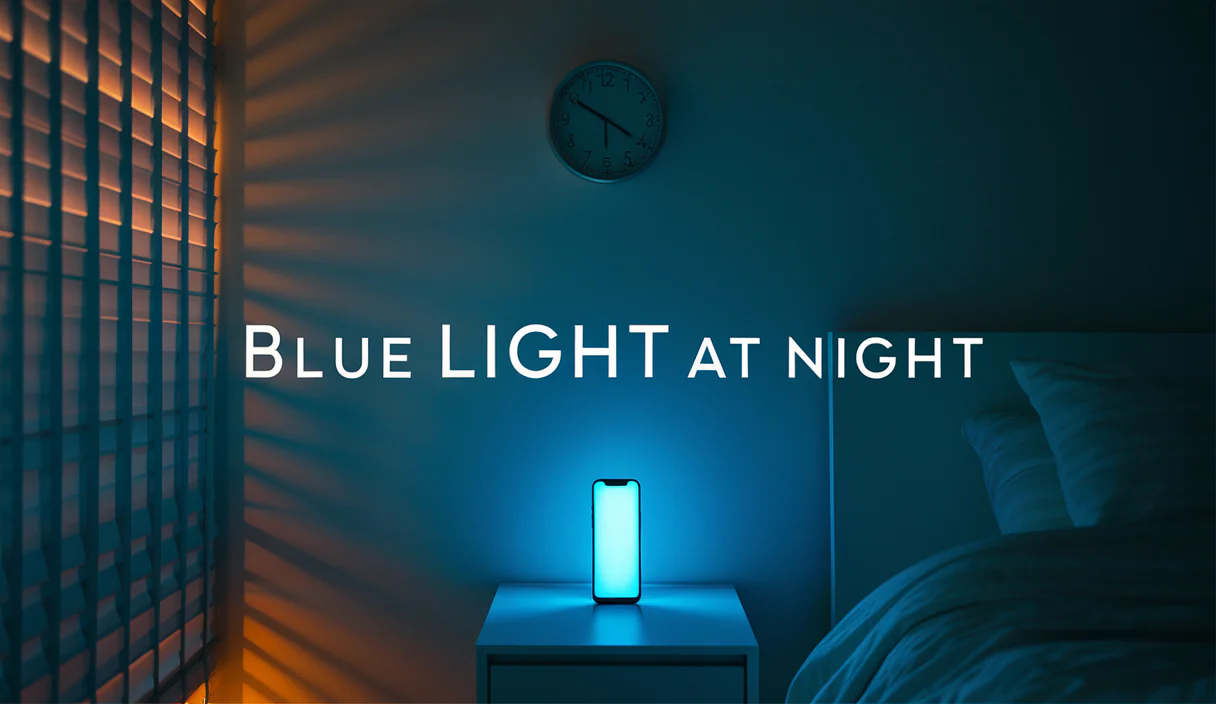
Blue light is part of natural daylight and helps keep us alert during the day. But artificial blue-rich light in the evening — from phones, tablets, LEDs and some lamps — can confuse your body clock. Research shows it can delay the release of melatonin, the hormone that tells your brain it’s time to sleep.
What the science shows about blue light at night
Studies on blue light at night investigate several linked outcomes: sleep timing, sleep quality, daytime alertness, and longer-term circadian health. Below I summarize the strongest findings and point to reliable sources.
Blue light delays sleep and melatonin
Multiple controlled lab studies show that exposure to bright, blue-enriched light in the evening suppresses melatonin and shifts sleep timing later. This is why people using screens before bed often report falling asleep later and feeling less rested.
For a readable summary, Harvard Medical School published an accessible overview explaining how evening light can throw the body’s biological clock off balance and hurt sleep (see: Blue light has a dark side — Harvard).
Field studies and real-world results
Real-world research — for example among shift workers — shows mixed but meaningful effects. Some field studies find that blue-enriched lighting can improve alertness during night shifts but may worsen sleep after shifts (see a related study archived at PMC9424753).

Effects beyond humans: ecosystems and animals
Blue light at night also affects wildlife. Studies show that nocturnal animals — bats, insects, fish and birds — change their behavior near blue-rich lights. For example, research cited by SciTechDaily links blue light to increased anxiety and altered behavior in fish. Similar work suggests changing light color can help protect bats (see the Instagram summary linked below).
Is all blue light dangerous?
No. Blue light is natural and useful — it promotes daytime alertness and helps regulate mood. The concern is timing and intensity: bright blue light at night is what can disrupt circadian rhythms. Many researchers emphasize context: daytime blue light is healthy; evening blue light is the problem.
Studies that temper the alarm
Not every study finds dramatic effects. Some large population studies and recent news coverage highlight that moderate evening screen use might not lead to clinically significant harm for everyone. For example, KERA and NPR covered a study suggesting bedtime blue light may not be as harmful as once thought for some groups (KERA News via NPR image reference).
How strong is the evidence overall?
Overall the evidence supports these conclusions:
- Blue light delays circadian timing. The best-controlled lab studies are consistent on melatonin suppression and delayed sleep onset.
- Effects vary by intensity and timing. Brighter and closer exposure has stronger effects.
- Real-world impact depends on behavior. If you use bright screens for long periods before bed, you are more likely to see sleep effects.
- Long-term health outcomes are still being studied. A growing body of review work (see a review at PMC9420367) finds that blue-light-filtering strategies can support circadian health, but more longitudinal studies are needed.
Practical steps to limit blue light at night
If you want to reduce the impact of blue light at night, start with small changes. Here are effective, research-aligned tips you can apply immediately.
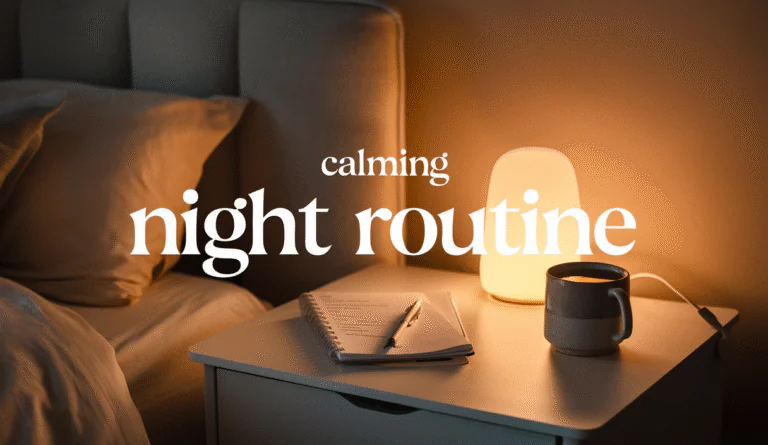
Evening routine checklist
- Dim lights after sunset. Use lower-intensity, warmer bulbs in living areas after dusk.
- Limit screens 60–90 minutes before bed. The stronger the screen exposure, the more it delays sleep. If you need to use a device, lower brightness and use night mode.
- Use blue-light filters or night modes. Most phones, tablets and many computers have built-in blue-light reduction settings. Research suggests these help reduce melatonin suppression.
- Try orange-tinted glasses. For some people, wearing blue-blocking glasses in the evening reduces the biological effects of light.
- Create a sleep-friendly bedroom. Keep the bedroom dim and cool. The Sleep Foundation has a readable guide on blue light and bedroom environment that lists practical steps (Sleep Foundation — Blue light).
Devices, settings and real-world trade-offs
Here are practical details many people ask about when trying to balance evening screen use and sleep:
- Night mode vs. blue-blocking glasses: Night mode reduces blue wavelengths and is convenient. Glasses that block blue light can be more protective but vary in comfort and cost.
- Brightness matters: A dim screen is less disruptive than a bright one. Reducing screen brightness at night is an easy win.
- Content matters: Engaging or stressful content (news, social media, work email) can activate your brain even without strong blue exposure. Combine light strategies with calming routines.
What researchers still want to know
Science is active here. Ongoing questions include:
- How much evening blue light exposure raises long-term health risks?
- Which mitigation strategies are most effective across ages and lifestyles?
- How do environmental and ecological impacts scale as urban lighting spreads?
Recent reviews in chronobiology journals highlight consistent short-term effects and growing, but not definitive, evidence for long-term consequences (Chronobiology in Medicine review).

Watch: Short video summary
Below is a short video that summarizes how evening light affects the body clock. It offers helpful visuals if you prefer watching to reading.
Practical plan for a 7-day test
If you want to see whether blue light affects your sleep, try this simple week-long experiment:
- Day 1: Track baseline — note bedtime, how long it took to fall asleep, and sleep quality.
- Days 2–4: Reduce evening brightness and switch on night mode after sunset.
- Days 5–7: Add a blue-blocking option (glasses or software) and keep devices out of the bedroom.
- Compare your notes. Look for consistent changes in how long you take to fall asleep and how rested you feel.
Five quick myth-busters
Common misunderstandings about blue light at night:
- Myth: All blue light is bad. Fact: Daytime blue light is beneficial.
- Myth: Night mode solves everything. Fact: It helps but pairing with other habits (limiting use, dimming lights) is stronger.
- Myth: Small screen use is harmless. Fact: It depends on brightness, duration and timing.
- Myth: Blue light causes permanent eye damage. Fact: Evidence for direct retinal damage from normal screen use is weak; circadian disruption is the primary concern.
- Myth: One solution fits all. Fact: Age, sleep needs and work schedules change what works best.
Where to read more (trusted sources)
For deep dives and scientific references, check these resources:
- Harvard Health: Blue light has a dark side — clear summary of circadian impacts.
- PMC9424753 — field studies on blue-enriched light and shift performance.
- Sleep Foundation guide — practical bedroom and device tips.
- PMC9420367 — review on blue-light-filtering research and circadian health.
- Chronobiology in Medicine review — recent review on circadian disruptions and blue light.
Final thoughts
Blue Light at Night is a solvable modern problem. The science shows clear short-term effects on sleep timing and melatonin, and growing evidence suggests limiting evening exposure is a smart, low-risk way to protect sleep and circadian health.
Small changes — dimming lights, using night mode, delaying screens — can add up to better sleep and brighter days.
Does using night mode stop blue light effects entirely?
Night mode reduces blue wavelengths but doesn’t remove all circadian effects. It helps, especially combined with lower brightness and shorter screen time before bed.
Are blue-blocking glasses worth it?
For people who need evening screens, blue-blocking glasses can reduce melatonin suppression and improve perceived sleep quality. They work best when paired with other sleep-friendly habits.
Is blue light harmful to my eyes?
Normal screen use hasn’t been shown to cause retinal damage in most healthy adults. The main issue is circadian disruption and sleep problems from evening exposure.
How much evening screen time is too much?
There’s no one-size-fits-all number. Try limiting screens 60–90 minutes before bed and notice how your sleep responds. Brightness and content matter as much as minutes.
Ready to improve your nights? Start small: dim your lights tonight, switch on night mode, and see how you feel tomorrow. For more guides and practical sleep tips, explore more at zenpulsehub.com.