
Sleep Myths Debunked: What Science Says
Author: Zen Pulse Hub • Reading time: ~12 minutes
Sleep Myths Debunked can help you separate fact from fiction and build healthier sleep habits. Many people believe easy fixes or old wives’ tales about sleep, but those ideas often do more harm than good. This guide walks through common myths, shows what the research actually says, and gives practical tips you can use tonight.
Why myths about sleep are so common
Sleep is personal, private, and often misunderstood. A neighbor’s tip, a headline, or a friend’s story can turn into a belief. Add short-term fixes, social media, and incomplete science reporting, and myths spread fast. Even well-meaning ideas—like “a glass of wine helps you sleep”—are oversimplified.
How to read sleep advice
Look for evidence from sleep research and reputable sources. Trusted places include the Sleep Foundation, peer-reviewed journals, and public health sites. We link to several reliable sources below so you can check the facts yourself.
Sleep Myths Debunked: The most common beliefs
Below are the most persistent sleep myths. For each, you’ll find the myth, the science, and practical alternatives you can try.
Myth 1: Alcohol before bed helps you sleep
Many people use alcohol to fall asleep faster. While alcohol can shorten sleep latency (the time it takes to fall asleep), it fragments sleep later in the night and reduces REM sleep. In short, alcohol may help you fall asleep but harms sleep quality.
What to do instead: If you want deeper, more restorative sleep, avoid alcohol within a few hours of bedtime. For more detail, see the Sleep Foundation’s review of myths and facts.
Source: Sleep Foundation – Myths and Facts About Sleep
Myth 2: You can ‘bank’ sleep—sleep in advance
It feels smart to sleep extra before a busy week, but sleep doesn’t store like money. Short-term oversleeping can help recovery after a very bad night, but it can’t fully offset chronic sleep loss. Consistent nightly sleep is the best approach.
Tip: If you expect a busy period, prioritize consistent sleep for weeks beforehand rather than trying to stockpile rest the night before.

Myth 3: Lying in bed with eyes closed is almost as good as sleeping
Resting quietly is better than being stressed, but it’s not equivalent to sleep. Sleep involves cycles—light sleep, deep sleep, and REM—that restore brain function and body systems. Simply closing your eyes doesn’t trigger those restorative stages.
Researchers explain the unique roles of sleep stages in learning, memory, and health. If you struggle to fall asleep, use relaxation techniques and a short wind-down routine instead of lying awake worrying.
Research note: See the National Institutes article and related reviews for studies on sleep stages and cognitive effects: PMC – Sleep and Health Review.
Myth 4: Older adults need far less sleep
It’s true sleep patterns change with age, but older adults still need about 7–9 hours per night for good health. What changes is sleep architecture: deep sleep tends to decrease and awakenings become more common. The belief that you need dramatically less sleep with age is false.
Action: If an older adult has trouble sleeping, consider sleep hygiene, light exposure during the day, and a medical review for sleep disorders.
Myth 5: Naps spoil nighttime sleep
Naps can be restorative and improve alertness—if timed and kept short. A 10–30 minute power nap boosts performance without interfering with bedtime for most people. Long or late naps may reduce sleep drive at night, so aim for early afternoon power naps if needed.
Myth 6: Exercise right before bed ruins sleep for everyone
Timing matters, but the idea that evening workouts always harm sleep is not universal. For many people, moderate-to-intense exercise within 1–2 hours of bedtime does not disrupt sleep and can even improve sleep quality. Individual responses vary, so test what works for you.
See Popular Science’s discussion on when exercise impacts sleep for more context: Popular Science – Sleep Myths.
Myth 7: Snoring is only annoying, not serious
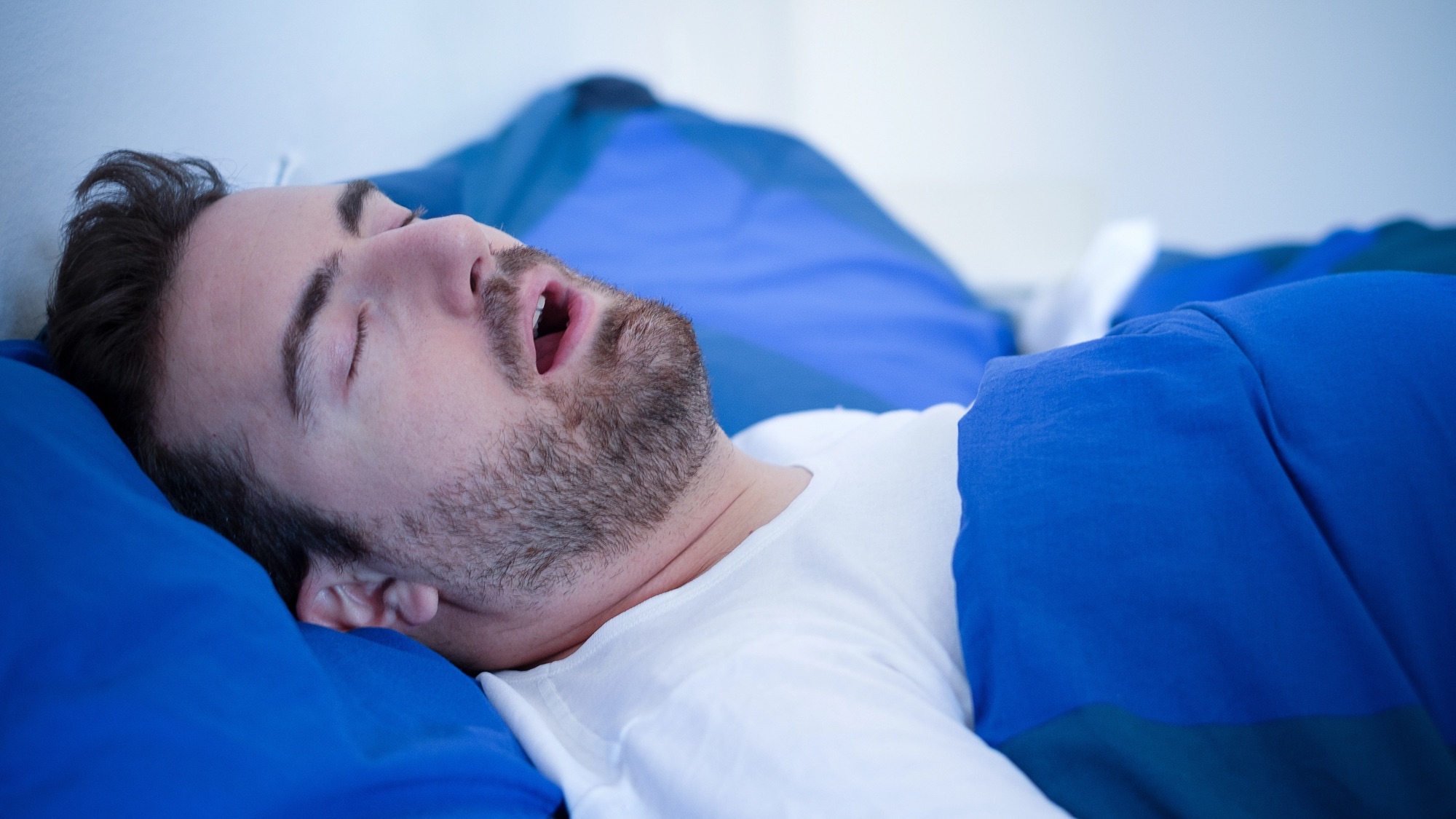
Snoring can be benign, but loud or frequent snoring may signal obstructive sleep apnea (OSA), a condition associated with daytime sleepiness, cardiovascular risks, and metabolic effects. If snoring is paired with gasping, pauses in breathing, or severe daytime sleepiness, seek a medical evaluation.

Evidence-based habits that help sleep
Instead of following myths, build simple, evidence-based habits. These steps are practical and backed by research.
- Consistent schedule: Wake and sleep at similar times daily.
- Light exposure: Get bright light in the morning and reduce blue light at night.
- Bedroom cues: Keep the bedroom cool, dark, and reserved for sleep.
- Wind-down routine: Dim lights, avoid screens, and relax for 30–60 minutes before bed.
- Limit stimulants: Avoid caffeine late in the day and heavy alcohol close to bedtime.
- Short naps: 10–30 minute naps early afternoon can help without wrecking nighttime sleep.
How to tell if a myth is harming your sleep
If a belief leads you to worse sleep quality, daytime tiredness, or mood problems, reconsider it. Track sleep for two weeks: note your bedtime routine, total sleep time, how you feel during the day, and any naps or alcohol use. This simple log can reveal patterns and point to changes that matter.
Common questions and quick answers
Below are short answers to common concerns and where to find trustworthy information.
- Can I train myself to need less sleep? No. Most adults need 7–9 hours. Chronic sleep restriction lowers performance and health.
- Is a warm bedroom best? No. Cooler rooms (around 60–67°F / 15–19°C) usually help sleep.
- Is sleeping with the light on harmless? Exposure to light at night can suppress melatonin and disrupt sleep cycles.
For an accessible review of widely held sleep myths, NPR published a helpful debunking piece that summarizes expert views: NPR – Debunking Popular Myths About Sleep.
Tools and next steps
Here are tools and simple actions to take this week:
- Keep a 2-week sleep log. Note bedtime, wake time, naps, caffeine, and alcohol.
- Adjust light: add morning light and reduce evening screens.
- Try a 20-minute nap if you feel sleepy in the afternoon and note how it affects nighttime sleep.
- If you snore loudly or feel exhausted in the day, talk to a doctor about sleep apnea screening.
Additional reading and trusted sources
Want to dive deeper? These are reputable sources that explain the science and offer practical tips:
- Sleep Foundation – Myths and Facts About Sleep (practical myth debunking)
- PMC – Peer-reviewed review on sleep and health (research summary)
- Popular Science – Common sleep myths (digestible explanations)
- Sleep Health Foundation – Sleep Myths (global perspective on myths)
Watch: Experts debunk sleep myths
Video can be a quick way to hear experts explain misconceptions. Watch this clear explainer below for more myth-busting insights.
Source: YouTube – Sleep Experts Debunk 13 More Sleep Myths
Summary: Key takeaways
Myths about sleep are common but often misleading. Here are the essentials to remember:
- Alcohol may help you fall asleep but harms sleep quality.
- Sleep banking is limited—consistent sleep beats last-minute catch-up.
- Resting is not the same as sleeping; sleep stages matter.
- Individual differences are real—test what works for you while following evidence-based habits.
By questioning common tales and using practical strategies, you can improve rest and daytime focus. If sleep problems persist, consult a healthcare provider or a sleep specialist.
FAQs
Does one night of bad sleep ruin your health?
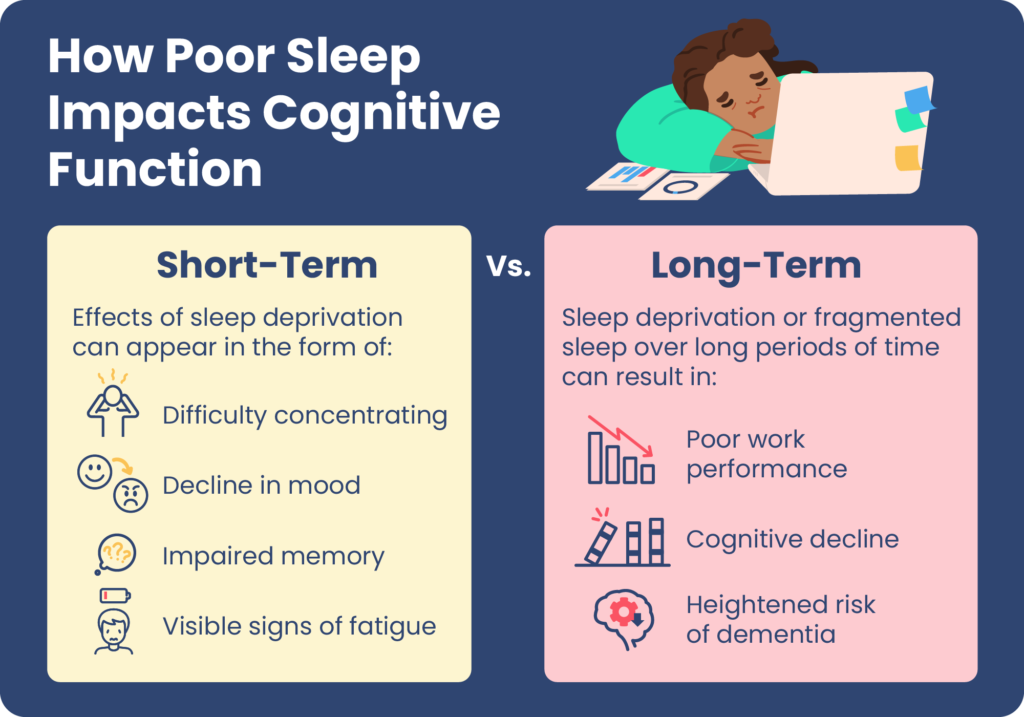
A single poor night won’t cause long-term damage for most people, but frequent nights of poor sleep add up. Chronic sleep loss affects mood, memory, and long-term health. Use recovery sleep and adjust routines quickly if poor nights become regular.
Can I make up for lost sleep on weekends?
Weekend catch-up can temporarily reduce sleep debt, but it doesn’t fully reverse the effects of chronic restriction. Aim for consistent sleep timing across the week for best results.
Is sleeping with the TV on harmful?
Light and sound from a TV can fragment sleep and reduce sleep quality. If you fall asleep with background noise, consider a timer or using low-level white noise instead of bright screens.
When should I see a doctor about sleep?
See a clinician if you have loud snoring with gasping, excessive daytime sleepiness, restless legs, or if sleep problems persist despite good sleep habits. These can indicate treatable sleep disorders.
Ready to sleep smarter? Explore more guides and sleep tips at zenpulsehub.com to build a calmer, healthier nightly routine.