
Create a Calming Night Routine Template
Create a calming night routine to help your body and mind settle before bed. A predictable, gentle evening plan can reduce stress, improve sleep quality, and make mornings easier. This guide gives a friendly, step-by-step template you can use tonight.
Why a calming night routine matters
A calming night routine trains your brain to recognize that sleep time is coming. When you repeat simple, soothing actions each evening, your nervous system shifts from busy to relaxed. Research and expert resources show that an evening wind-down supports better sleep and emotional balance — for adults and for children.
If you want quick resources, read practical tips from Calm on building an evening wind-down (Calm) or an evidence-based bedtime routine overview from the Sleep Foundation (Sleep Foundation).
How to build a calming night routine (simple template)
Use this flexible template as your starting point. Adjust times and activities to suit your life — the habit matters more than perfection.
Evening timeline (sample 90–120 minutes)
- 90–120 minutes before bed: Finish large meals and caffeine. Start transitioning your environment (dim lights, reduce screens).
- 60 minutes before bed: Gentle activity — a short walk, light tidy, or parenting routine for kids.
- 30–45 minutes before bed: Calming practices: bath, skincare, quiet reading, or low-stimulation play with children.
- 10–15 minutes before bed: Final relaxation: breathing, journaling, or a soothing song. Turn off bright lights and set alarm.
Daily checklist for a reliable calming night routine
- Set a consistent lights-off time — aim for the same bedtime each night.
- Limit screens at least 30–60 minutes before bed.
- Choose two calming rituals you enjoy and repeat them nightly.
- Create a comfortable sleep environment: cool, dark, quiet.
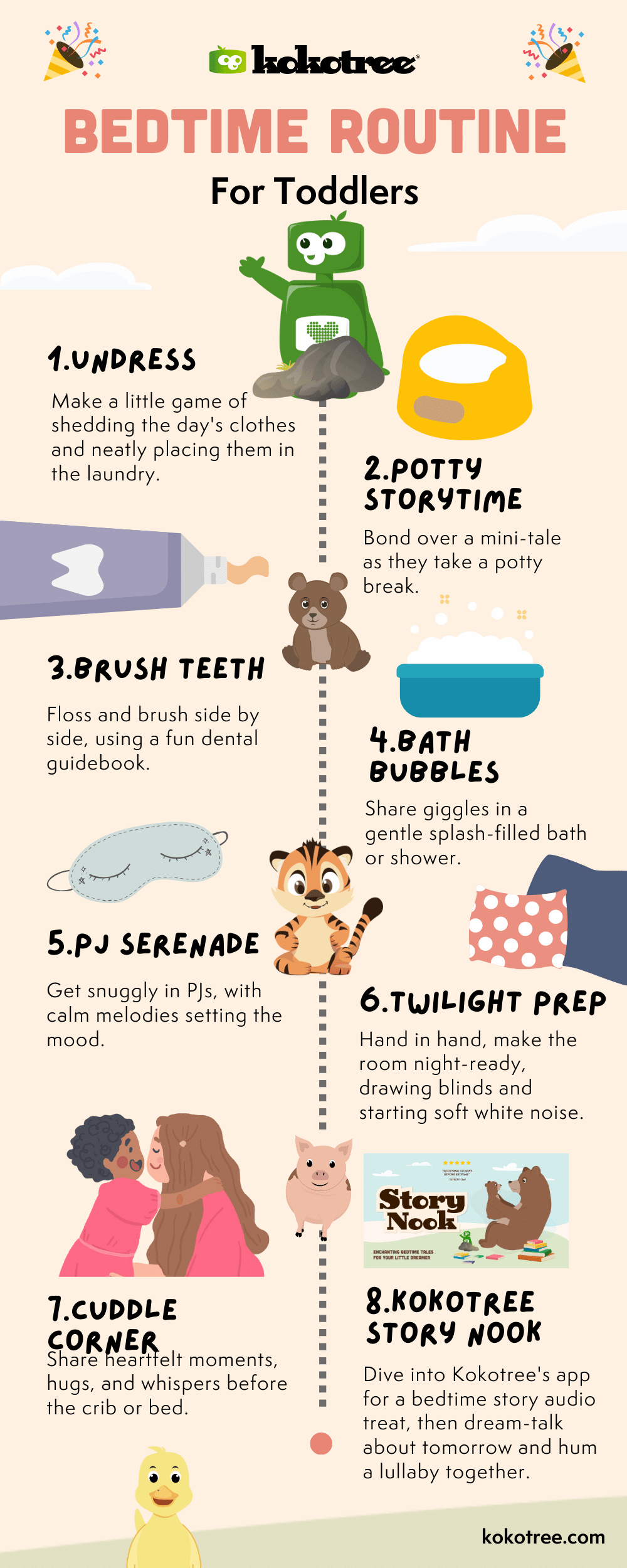
- Use this template for children by adding gentle, predictable steps like bath, story, and cuddle.

Choose calming activities that suit you
There are many ways to wind down. The best choices are the ones you can repeat consistently. Below are categories and examples to mix and match.
Physical and sensory
- Warm shower or bath to relax muscles.
- Light stretching, yoga, or progressive muscle relaxation.
- Lower the thermostat and dim lights to cue rest.
Mental and emotional
- Write a 3-item gratitude list or jot tomorrow’s top task.
- Read a short fiction chapter or listen to a calm podcast.
- Practice deep breathing for 5–10 minutes.
Parenting-friendly ideas
If you care for a baby or toddler, predictability and gentle cues matter most. Use consistent songs, dim lighting, and a soothing word or phrase. Need examples? Parenting resources like Taking Cara Babies provide printable charts and step-by-step toddler routines that work well with this template (Taking Cara Babies).
How to customize the template
Make the calming night routine your own. Consistency matters more than the specific steps. Start small and build up. Try the following method:
Three-step personalization method
- Pick one anchor activity: bath, reading, or gentle yoga.
- Pair it with a cue: dim lights, a warm tea, or a 5-minute breathing exercise.
- Repeat the sequence nightly for at least two weeks to form the habit.
If you’re still struggling to fall asleep after trying a calming night routine, review broader sleep hygiene tips from Sleepstation, which explains when additional help may be needed (Sleepstation).
Using templates and charts
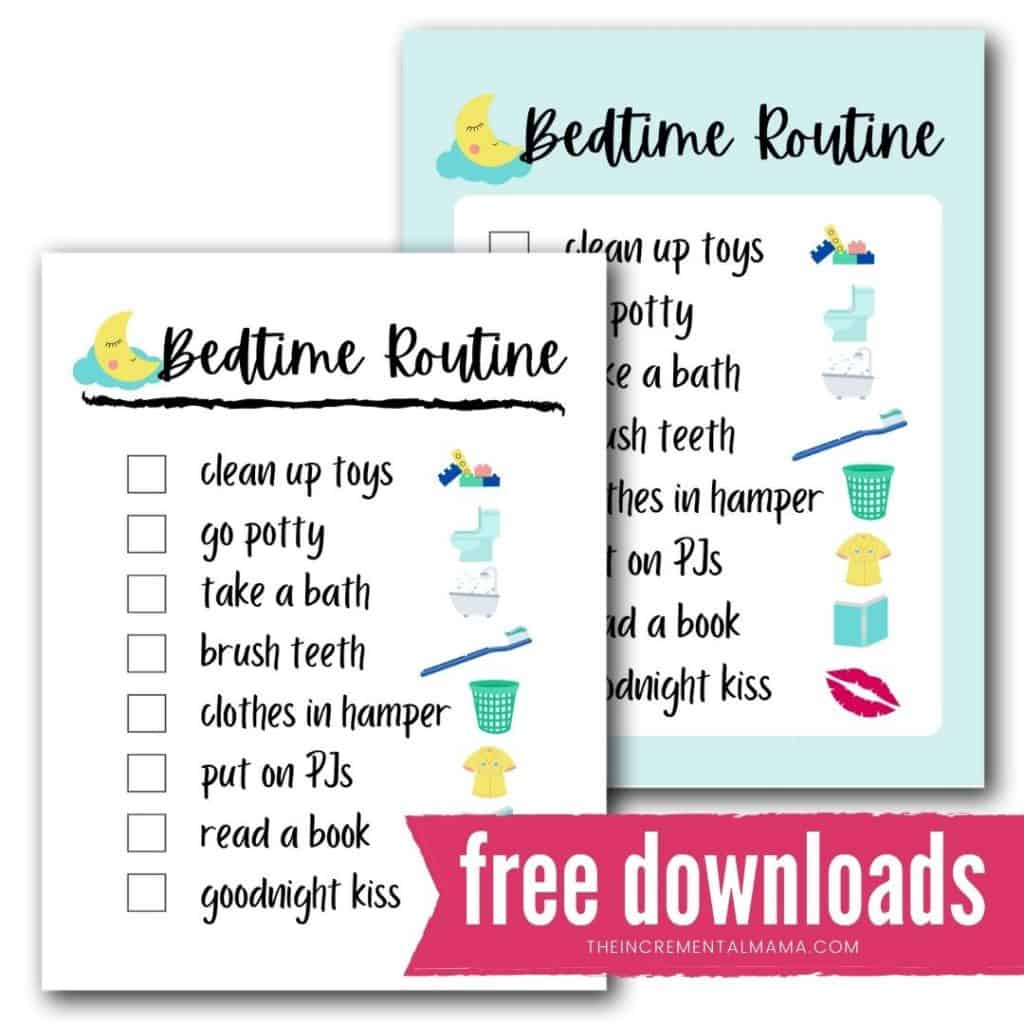
Visual charts help children and adults remember the order of steps. Free printable charts and guides are available and can be attached to the wall or refrigerator. For toddlers, try the free printable bedtime routine chart from The Incremental Mama for a clear, kid-friendly checklist (theincrementalmama.com).
Sample bedtime routine template (quick to copy)
Use this exact plan as a starting point. Swap elements based on your needs.
- 8:30 PM — Begin wind-down: dim lights, finish screens.
- 8:45 PM — Calm activity: 10-minute walk or playtime with toddler.
- 9:00 PM — Bath or warm shower and teeth brushing.
- 9:15 PM — Story, quiet talk, or 10 minutes of reading.
- 9:25 PM — 5–10 minutes breathing, gratitude, or lullaby.
- 9:30 PM — Lights out, consistent sleep cue phrase.
This type of calming night routine works for adults and families when adjusted for timing and sleep needs.

When to adjust or seek help
Most people benefit from a calming routine, but sometimes sleep issues have other causes. If you frequently lie awake, have daytime sleepiness, or suspect a sleep disorder, consult a professional. For more on sleep hygiene and troubleshooting wind-down routines, read the Sleep Foundation guide or Raising Children’s recommendations for toddler sleep routines (Sleep Foundation, Raising Children).
Tips to keep your routine alive
- Be patient — habits take time.
- Track progress in a simple habit tracker or with a chart on the wall.
- Make small changes, not big overhauls.
- Protect your sleep window even on weekends when possible.
Watch and follow along
Want a quick visual guide? Watch this short video for calming night routine ideas and a step-by-step walkthrough.
Quick troubleshooting
If your calming night routine isn’t helping right away, test these common issues:
- Too much screen time: Blue light delays melatonin. Move screens earlier.
- Irregular schedule: Shift bedtime gradually by 10–15 minutes per night.
- Late eating: Avoid heavy meals within 90 minutes of bed.
For specific toddler strategies and printable charts, see Taking Cara Babies and other parenting resources that include evidence-based routines and visuals (Taking Cara Babies).
Frequently Asked Questions
How long does it take for a calming night routine to work?
Most people notice small benefits in 1–2 weeks, but consistent changes often take 4–6 weeks. The key is repetition: your brain learns the cues and begins to relax automatically.
Can a calming night routine help with anxiety?
Yes. Repeated calming practices — breathing, journaling, and consistent sleep cues — reduce nighttime worry by signaling safety. If anxiety persists, consider professional support alongside your routine.
What if my child resists the routine?
Keep steps short and predictable. Use visual charts and reward small wins. Resources like Raising Children provide child-focused strategies that make bedtime smoother (Raising Children).
Is it okay to nap during the day?
Short naps can be restorative, but long or late naps may reduce sleep pressure at night. Keep naps early and limited to 20–45 minutes for adults; follow age-based nap guidelines for children.
Start small tonight: pick one anchor activity and one cue, repeat it for two weeks, and notice the changes. A simple, consistent calming night routine can transform how you sleep and feel. Explore more practical guides and templates at zenpulsehub.com to keep building better sleep habits.