

Good Sleep Hygiene Habits for Better Rest
Good sleep hygiene habits are the simple, everyday practices that help you fall asleep faster, stay asleep longer, and wake up feeling refreshed. Whether you work long hours, have a busy social life, or are trying to study and perform at your best, small changes can create big improvements in sleep quality.
:max_bytes(150000):strip_icc()/what-is-sleep-hygiene-5085887-FINAL-831b8421e75249f0952fbf4efb0adda7.png)
Why focus on sleep hygiene?
Sleep affects mood, concentration, immune function, and long-term health. Good sleep hygiene habits are low-cost, drug-free steps you can take today to improve how you sleep tonight and every night after. Scientific resources such as Harvard Health emphasize that timing of meals and substances can be just as important as routine, while the Sleep Foundation details how schedules and nightly routines support better rest.
Good Sleep Hygiene Habits: The Basics
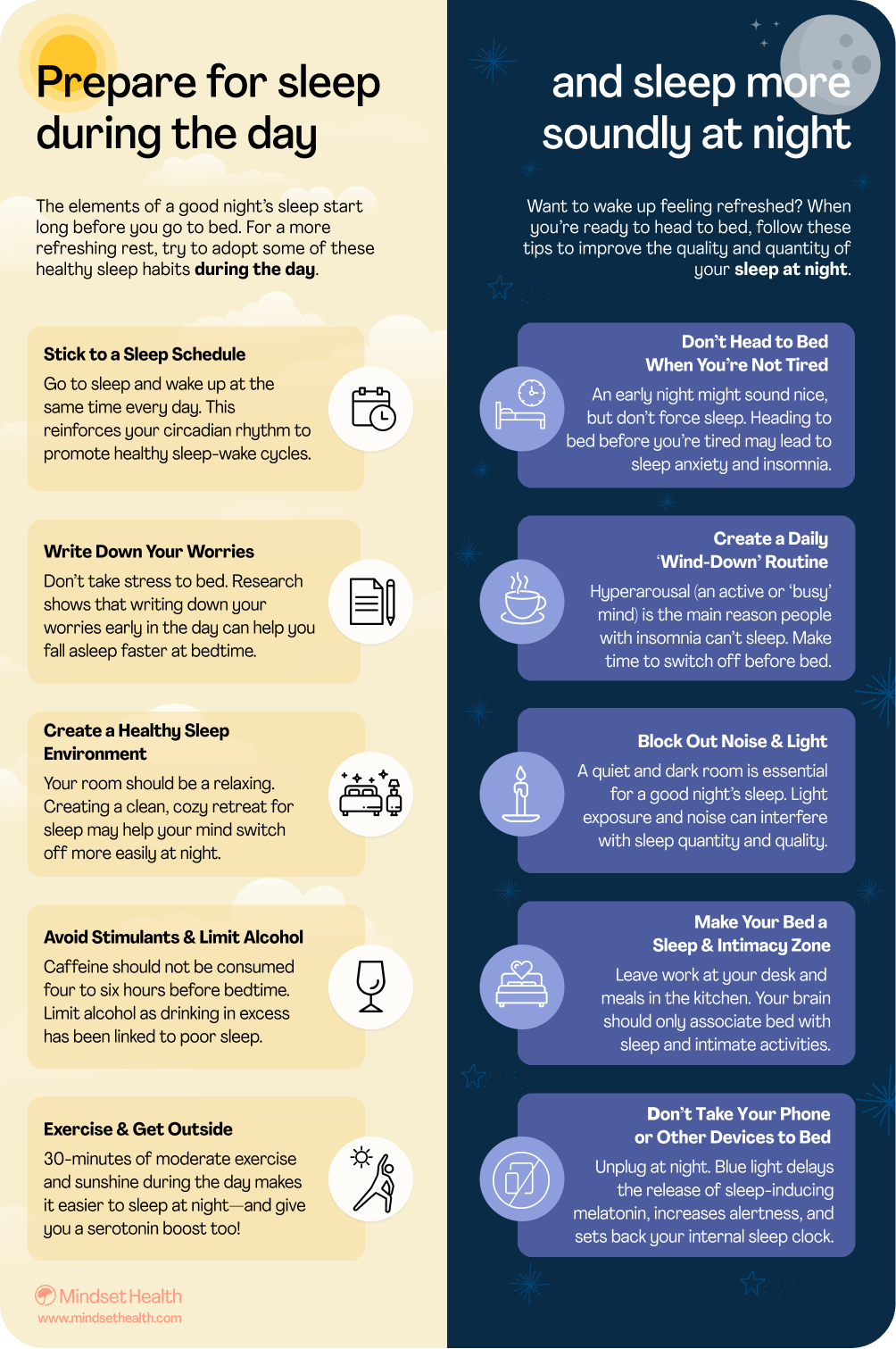
Start with a handful of consistent practices. Below are the core habits that consistently show up in sleep research. Aim to introduce one new habit at a time so changes stick.
1. Keep a consistent sleep schedule
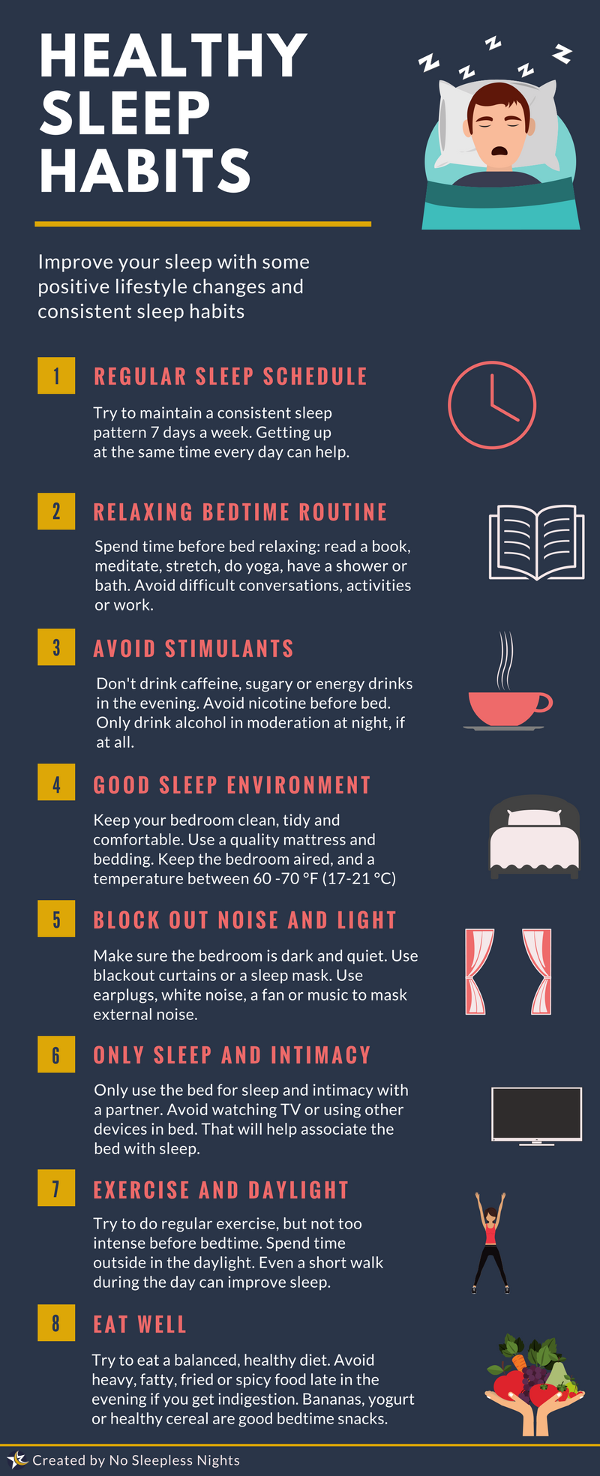
Go to bed and wake up at the same time every day, even on weekends. This helps set your internal clock (circadian rhythm) and makes falling asleep and waking easier. The CDC recommends tracking sleep patterns to understand your baseline and adjust gradually.
2. Create a calming pre-sleep routine
Wind down for 30–60 minutes before bed. Activities that help: reading, light stretching, deep breathing, or a short warm shower. Keep the routine predictable so your brain recognizes the cues that it’s time to sleep.
3. Optimize your bedroom environment
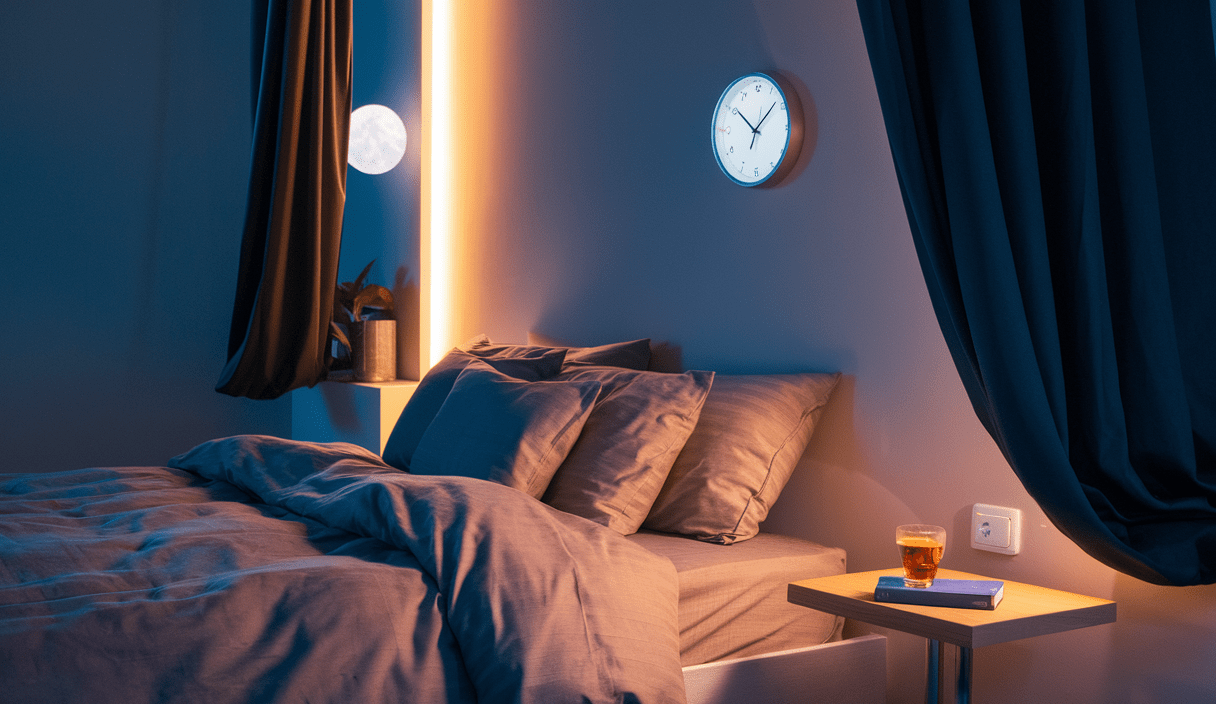
Your bedroom should support sleep: cool, dark, quiet, and comfortable. Use blackout curtains, white noise, or earplugs when needed. Remove bright clocks and reduce clutter so the space feels relaxing.
Practical Habits to Add Today
Below are evidence-backed steps you can try over the next few weeks. Introduce them gradually and track how they impact your sleep.
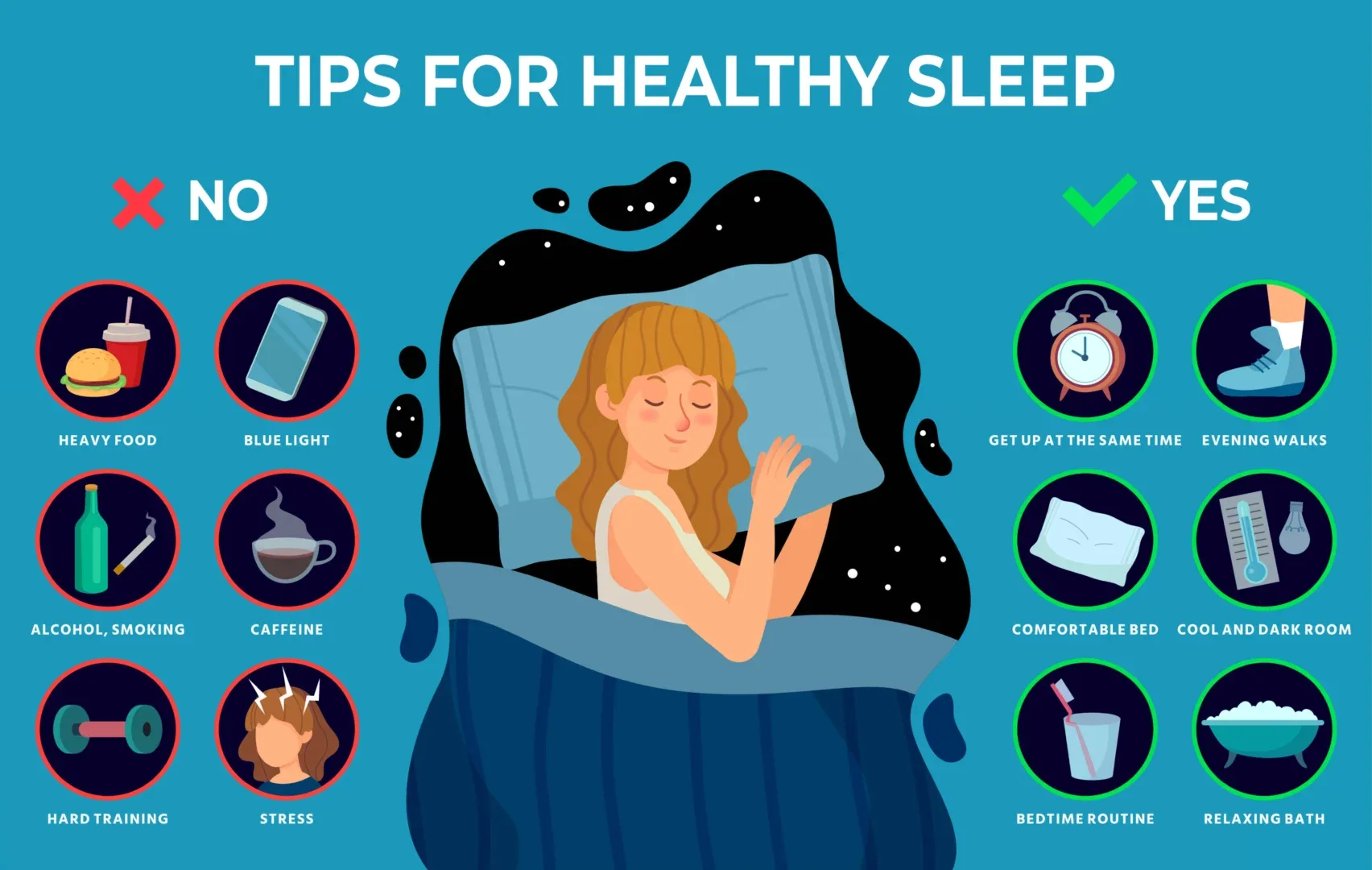
- Limit caffeine after mid-afternoon. Caffeine can stay in your system for several hours and disrupt sleep. Harvard Health notes that substances and timing matter for good rest.
- Avoid heavy meals within 2–3 hours of bedtime. Eating too late can cause indigestion and make it harder to fall asleep.
- Reduce alcohol near bedtime. While alcohol might make you drowsy initially, it fragments sleep and reduces deep restorative stages.
- Get daylight exposure each morning. Natural light early in the day helps set your circadian rhythm, making it easier to feel sleepy at night.
- Keep naps short. If you nap, limit it to 20–30 minutes and avoid late-afternoon naps that shift your nighttime schedule.
Technology and screens
Screens emit blue light that can trick your brain into thinking it’s daytime. Aim to power down phones, tablets, and laptops at least 30–60 minutes before bed. If you need to use screens late, enable night mode or blue-light filters and keep devices at arm’s length.
Daily Habits That Support Better Sleep
What you do during the day affects how you sleep at night. Build these into your daily routine.
Exercise — but time it right
Regular physical activity improves sleep quality and increases time spent in deep sleep. Finish intense workouts at least a few hours before bed to allow your body temperature to return to sleep-friendly levels.
Mind your daylight and evening light
Get bright light exposure in the morning and dim lights in the evening. This contrast helps synchronize your internal clock. The Sleep Foundation outlines how schedules and light exposure both play a role in healthy sleep routines.
Use relaxation techniques
Simple practices like progressive muscle relaxation, guided breathing, or short meditations can reduce racing thoughts and make it easier to fall asleep. If you’re new to relaxation, start with five minutes and build gradually.
Bedroom Setup: A Checklist
Small changes in the bedroom can yield noticeable gains. Use this checklist to optimize the space.
- Set room temperature around 60–67°F (15–19°C) if possible.
- Invest in a comfortable mattress and pillows that support your sleeping position.
- Use blackout curtains or a sleep mask to block light.
- Eliminate noisy distractions or use white noise to mask sudden sounds.
- Reserve the bed for sleep and sex — avoid working or scrolling in bed.
Food, Drink & Substances
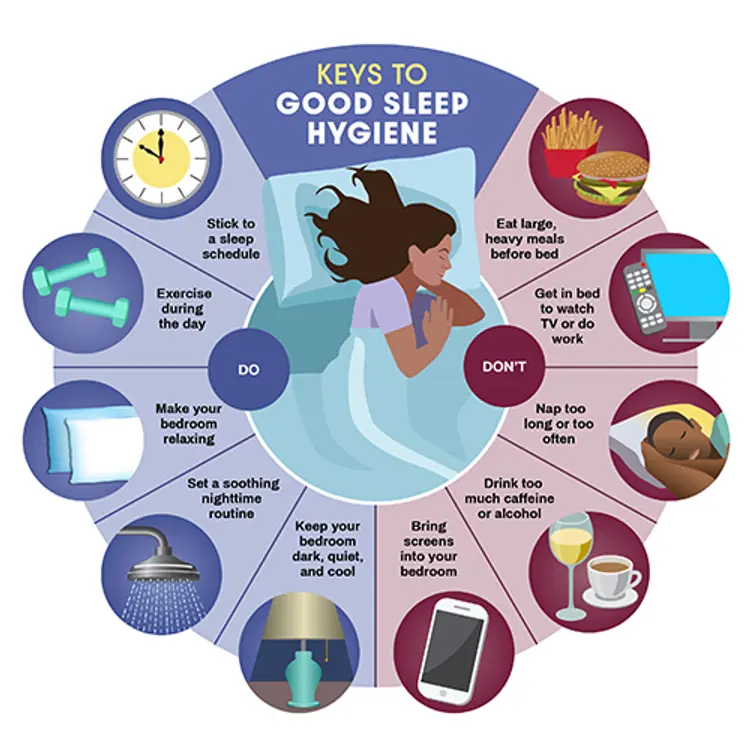
What you put in your body strongly affects sleep. The Harvard Health guide reminds readers to avoid late meals and to be mindful that alcohol disrupts sleep cycles.
- Caffeine: Cut off by mid-afternoon.
- Alcohol: Avoid as a sleep aid; it fragments sleep later in the night.
- Large meals: Finish at least 2–3 hours before bed.
- Hydration: Stay hydrated during the day but reduce fluids close to bedtime to avoid nighttime bathroom trips.
Track Progress: Use a Sleep Diary
Keeping a simple sleep diary helps you spot patterns and test changes. The CDC recommends noting bedtime, wake time, naps, and any awakenings. Tracking helps you see what works and what doesn’t.
Troubleshooting: When Habits Aren’t Enough
If you’ve tried several habits and still struggle, consider these steps:
- Reassess the basics: schedule consistency, bedroom environment, and substance timing.
- Try cognitive behavioral strategies for insomnia (CBT-I) — these teach how to change unhelpful thoughts and behaviors around sleep.
- Speak with a clinician if you snore loudly, gasp for air at night, or feel very sleepy during the day — these can be signs of sleep apnea or other disorders.
Helpful resources
For practical handouts and clinical resources, see the Western Australian sleep-hygiene PDF. For guidance from public health organizations, the NHS offers practical tips on routines, relaxation, and creating the right sleep environment.
Embed: Quick Video Guide
Below is a short video overview that complements these tips. Watch for a concise routine you can adapt tonight.
Putting It All Together: A 2-Week Plan
Try this slow-and-steady approach.
- Week 1: Fix your schedule. Set a consistent wake time and a bedtime that gives you 7–9 hours.
- Week 2: Add a wind-down routine and screen curfew 60 minutes before bed.
- Ongoing: Optimize the bedroom and adjust caffeine/alcohol timing. Track sleep in a diary and tweak habits as needed.
How often to mention the keyword?
This article intentionally repeats the phrase good sleep hygiene habits to reinforce its importance and help you remember these simple practices. Use the checklist and resources above to build a routine that fits your life.
Final Thoughts
Improving sleep usually doesn’t require expensive solutions — it requires consistency and attention to a few daily habits. Start with one change tonight, track your progress, and gradually build a sleep-friendly life. For trusted facts and detailed suggestions, refer to the Sleep Foundation, Harvard Health, and the CDC guidance at cdc.gov.
Ready for better sleep? Start with one small habit tonight — a consistent wake time or a 30-minute screen curfew — and build from there. Explore more guides and practical tips on zenpulsehub.com to continue improving your rest.
Frequently Asked Questions
What are the most effective good sleep hygiene habits?
The most effective habits are a consistent sleep schedule, a calming pre-sleep routine, limiting caffeine and alcohol, creating a dark and cool bedroom, and reducing screen time before bed.
How long does it take for sleep hygiene changes to work?
Some people notice improvement within a few nights. For many, consistent changes show clear benefits within 2–4 weeks. Keeping a sleep diary helps you measure progress.
Can naps ruin my nighttime sleep?
Short naps (20–30 minutes) can be restorative and usually won’t disrupt nighttime sleep if taken earlier in the day. Long or late naps may make it harder to fall asleep at night.
When should I see a doctor about sleep problems?
See a clinician if you have persistent insomnia, loud snoring with gasping, excessive daytime sleepiness, or if sleep problems affect daily functioning. These could signal treatable sleep disorders.






