

How Nature Walks Improve Focus
How Nature Walks Improve Focus is more than a catchy idea — it’s supported by research and simple to try. If you struggle with distractions, short outdoor walks can sharpen attention, lift mood, and make your work or study sessions more productive. This guide explains the science, practical tips, and small routines you can use today.
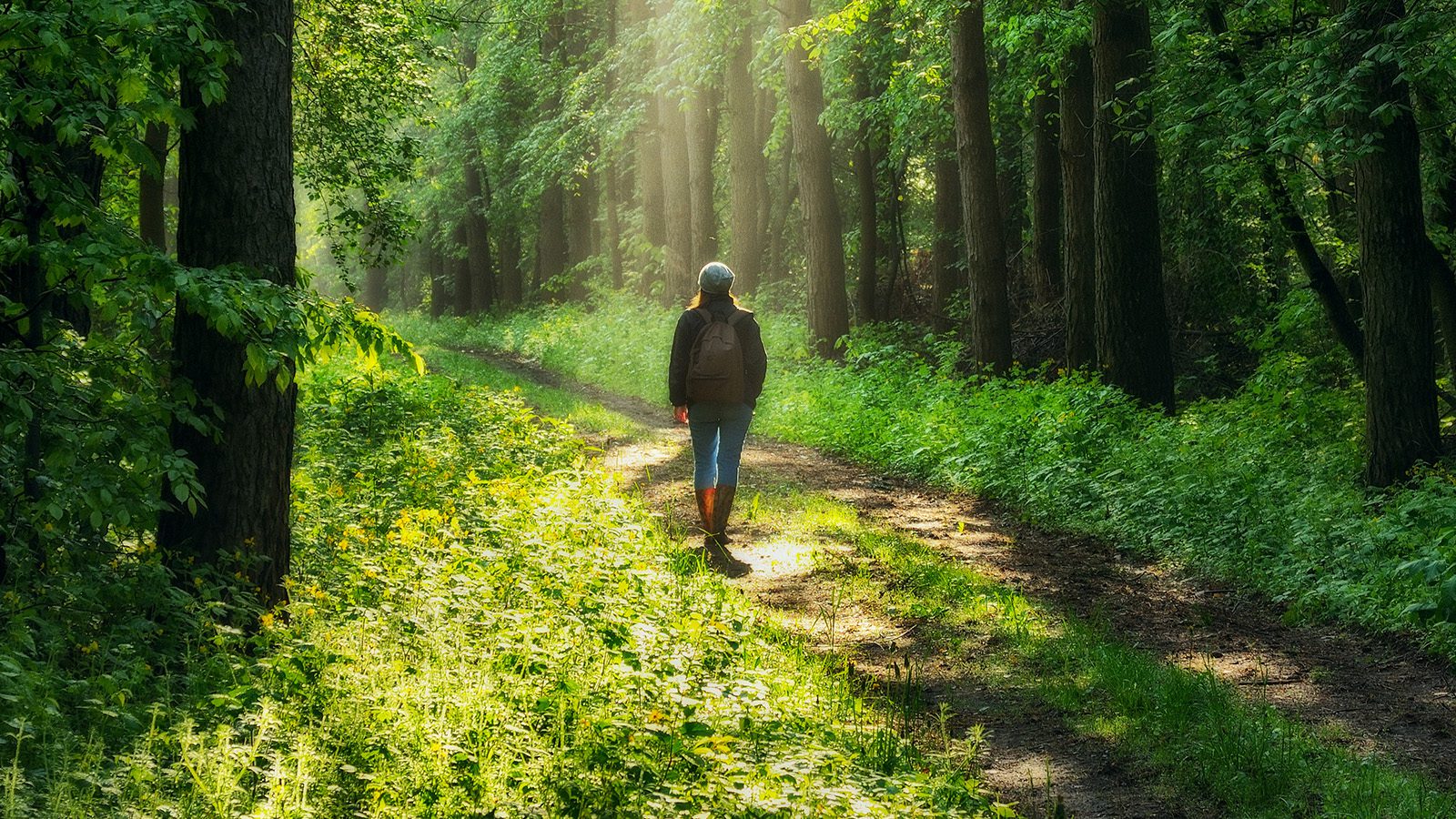
How Nature Walks Improve Focus: The Science
Multiple studies show a clear link between time spent outdoors and improved attention. Walking in green spaces reduces mental fatigue, restores directed attention, and lowers stress hormones — all of which help you concentrate better when you return to a task.
Key theories that explain the effect
- Attention Restoration Theory (ART) — Natural environments provide gentle stimulation that allows our directed attention (the kind used for long tasks) to recover.
- Stress Reduction Theory (SRT) — Nature lowers physiological stress, which indirectly improves cognitive performance and focus.
Outdoor walks—especially those in natural settings—combine mild physical exercise with restorative sensory input. For clear summaries and practical steps on how outdoors helps health, see the UC Davis post explaining three ways getting outside improves health (May 3, 2023).

What the research says
Field studies and lab research both support the benefits of nature walks. For example, a 2023 Nature Scientific Reports article found that brief walks in natural settings enhanced attention restoration and cognitive scores compared with urban walks. You can read the study summary here: Outdoor field studies improve attention.
The American Psychological Association also highlights nature’s role in mood and focus in a useful overview: Nurtured by Nature (Apr 1, 2020). The National Park Service notes dramatic improvements in concentration after short nature exposure, including reduced medication needs for some children with attention issues: Nature’s benefits (Jan 27, 2025).
How quickly you can expect results
Good news: many studies report benefits after short sessions — even a 15- to 20-minute walk can help. This makes nature breaks practical for work or study days.
How Nature Walks Improve Focus: Practical Tips
Turn short outdoor time into a focus-boosting habit. Use these practical tips to get the most benefit from your walk.
Before your walk
- Set a clear intention: plan to return to a task with renewed focus.
- Keep the walk short and simple—15–20 minutes is often enough.
- Choose a green route if possible: parks, tree-lined streets, riversides.
During your walk
- Walk mindfully: notice textures, sounds, and light—without overthinking.
- Use a slow-to-moderate pace; brisk but comfortable motion helps blood flow without tiring you.
- Avoid screens—let your attention rest from digital stimuli.
After your walk
- Take a minute to note one or two priorities before you sit down again.
- Try a short, focused work block (25–50 minutes) after the walk to use the restored attention.
For workplace-friendly ideas like lunchtime walks and how they recharge attention, see this practical piece on Nature Walks At Lunch from Truworth Wellness.

Designing a 15-Minute Focus Walk
A short, well-structured walk is powerful. Here’s a sample routine you can do between meetings or study blocks:
- Minute 0–1: Stand up, stretch, step outside, and set your intention.
- Minute 1–5: Walk at an easy pace and scan the environment—no phone.
- Minute 5–12: Slow your pace and notice 3 specific details (a leaf, a bird, sunlight on a building).
- Minute 12–15: Breathe deeply for two cycles, then prepare to return with a simple to-do list in mind.
Following a routine like this regularly trains your brain to recover directed attention faster.
How Nature Walks Improve Focus: Tips for Urban Dwellers
Not everyone has access to a large park. Urban nature still helps — tree-lined streets, community gardens, river paths, and green rooftops all offer benefits. Even short exposure to small green spaces can be effective.
If you have limited green space, try these adaptations:
- Seek quieter streets with trees rather than busy roads.
- Use indoor plants and sunlight during short breaks when outdoor options are unavailable.
- Look for pocket parks, garden courtyards, or riverwalks for quick green moments.
Physiology: Why walking + nature helps attention
Combining movement with natural sights and sounds triggers several helpful responses:
- Improved blood flow to the brain from walking.
- Lower cortisol and reduced physiological stress.
- Soft fascination — the natural sensory input that resting attention craves.
These mechanisms explain why short walks in nature can produce noticeable improvements in concentration and task accuracy. For accessible reviews on restoration theories, see the Frontiers in Psychology article discussing Stress Reduction Theory and Attention Restoration Theory: Restoration theories in environmental psychology.
Long-term benefits
Regular nature walks not only help in the moment but also support overall cognitive health, mood stability, and stress resilience over time. The Nature Scientific Reports study mentioned above provides evidence that repeated exposure yields measurable attention gains across populations.
Practical Considerations and Safety
Nature walks are low-risk, but keep these points in mind for comfort and safety:
- Wear comfortable shoes and weather-appropriate clothing.
- Stay hydrated during longer outings.
- Follow local safety guidelines for trails and busy streets.
Tools and apps to support your walk habit
Use simple tools to make nature walks stick:
- Set reminders or calendar blocks for mid-day walks.
- Use step-tracking or habit apps to log consistency.
- Find local green routes using mapping apps or park websites.
Watch: Nature Walks and Attention
Video: Nature Walks and Attention
Evidence and trusted resources
Looking for reliable reading? Here are helpful resources that summarize science and practical benefits:
- UC Davis: How getting outside helps your health — practical benefits and motivation.
- National Park Service: Nature’s benefits — notes on concentration gains and reduced medication needs for some children.
- American Psychological Association: Nurtured by nature — an overview of mood and attention benefits.
- Nature Scientific Reports (2023) — field evidence for attention improvements after natural walks.
- Frontiers in Psychology — theoretical background on restoration and stress reduction.
How to make it a habit
Start small and be consistent. Try scheduling a daily 15-minute walk after lunch or between study blocks. Track progress for two weeks and you’ll likely notice clearer focus and reduced reactivity to digital distractions.
How Nature Walks Improve Focus — Summary
In short, How Nature Walks Improve Focus works through a mix of physiological and psychological pathways: restored attention, reduced stress, and gentle exercise. Even short, mindful strolls can deliver measurable benefits that help your productivity and wellbeing.
Ready to try it? Step outside for a 15-minute nature walk today and test how your focus improves for the next work or study session.
Explore more practical guides and nature-based focus tips on zenpulsehub.com.
FAQs
How long should a nature walk be to improve focus?
Short walks of 15–20 minutes are often enough to produce noticeable improvements. Repeating these walks regularly strengthens long-term benefits.
Do urban walks count?
Yes. Tree-lined streets, small parks, and river paths provide restorative input. The key is natural elements and reduced digital distraction.
Can a nature walk help if I have ADHD?
Research suggests nature exposure can help attention in children and adults with ADHD, sometimes reducing reliance on medications for short periods. Always consult a healthcare professional for individual treatment decisions.
How often should I take nature walks?
Daily short walks are ideal, but even a few sessions each week bring benefits. Consistency is more important than duration.