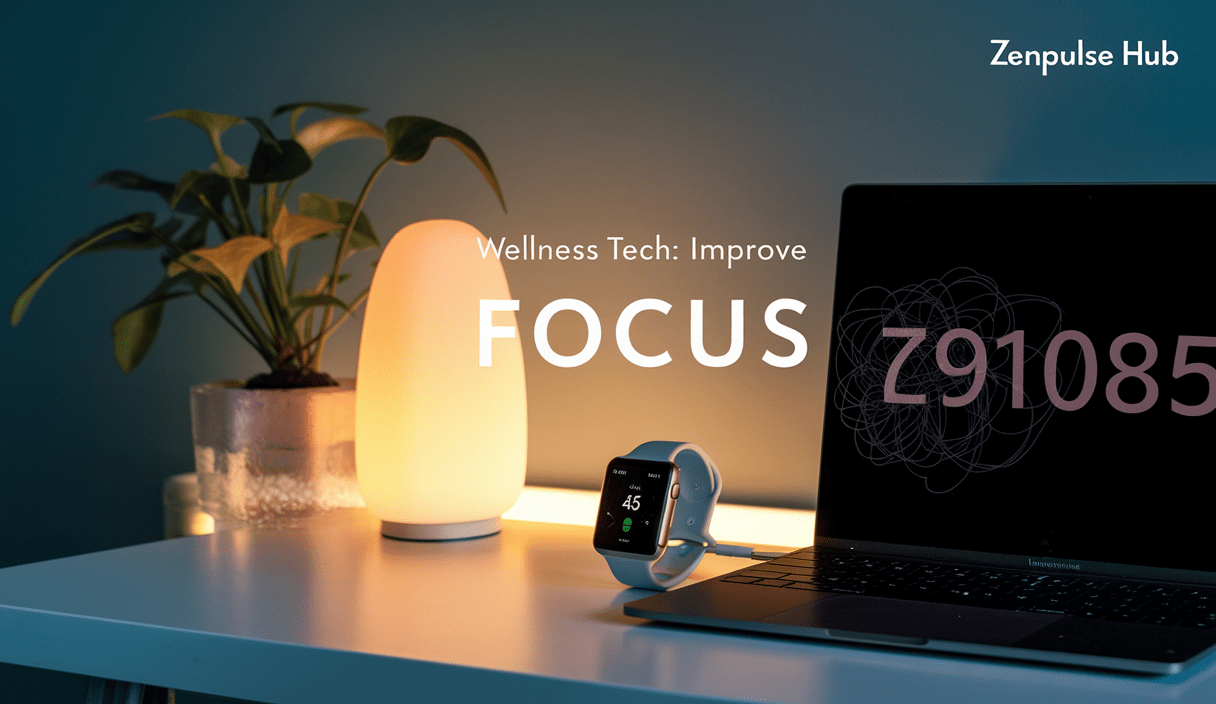

Wellness Tech: Improve Focus and Mental Clarity
Wellness Tech is changing how we protect and sharpen our attention. In this post you’ll learn practical ways tech can boost focus, backed by research and real tools you can try today. Whether you work from home, study, or juggle multiple projects, simple tech-driven habits make a clear difference.
How Wellness Tech Improves Focus
Wellness Tech blends health-first tools with everyday devices to reduce distractions, improve sleep, and train attention. It does this in three clear ways: it reduces cognitive load, strengthens recovery (sleep and breaks), and trains attention with guided exercises. Use these tools intentionally and you can see measurable gains in productivity and calm.
Why attention matters
Focus is the base of learning, creativity, and steady work. When you lose it, tasks take longer and you feel more tired. **Wellness Tech** helps by making small changes that add up: blocking distractions, nudging better habits, and giving fast ways to reset your nervous system.

Types of Wellness Tech That Boost Focus
Here are the most effective categories. Try one or two at a time to see what helps you most.
- Focus apps and timers — apps that use techniques like the Pomodoro method to structure work and breaks.
- Digital wellbeing tools — features that reduce blue light, mute notifications, or limit social media.
- Wearables — devices that track sleep, heart rate variability (HRV), and stress to guide recovery.
- Guided mindfulness and neurofeedback — short practices that train attention and calm the mind.
- Environmental tech — smart lights and sound machines that shape a focus-friendly workspace.
Focus apps and timers
Simple timer apps create a rhythm: work for a set time, then take a short break. This reduces decision fatigue and keeps your brain fresh. Many apps now combine productivity timers with background soundscapes and progress tracking.
Digital wellbeing features
Built-in features on phones and computers let you schedule downtime or silence notifications. Use these to protect deep work. Even one or two hours of distraction-free time each day can give you a big edge.
Practical Wellness Tech Habits You Can Start Today
Start with small, repeatable routines. These habit-friendly tech choices produce reliable gains in focus over weeks.
- Schedule deep work blocks. Use a focus timer to reserve 60–90 minutes of undisturbed work. Turn off notifications and set your phone to Do Not Disturb.
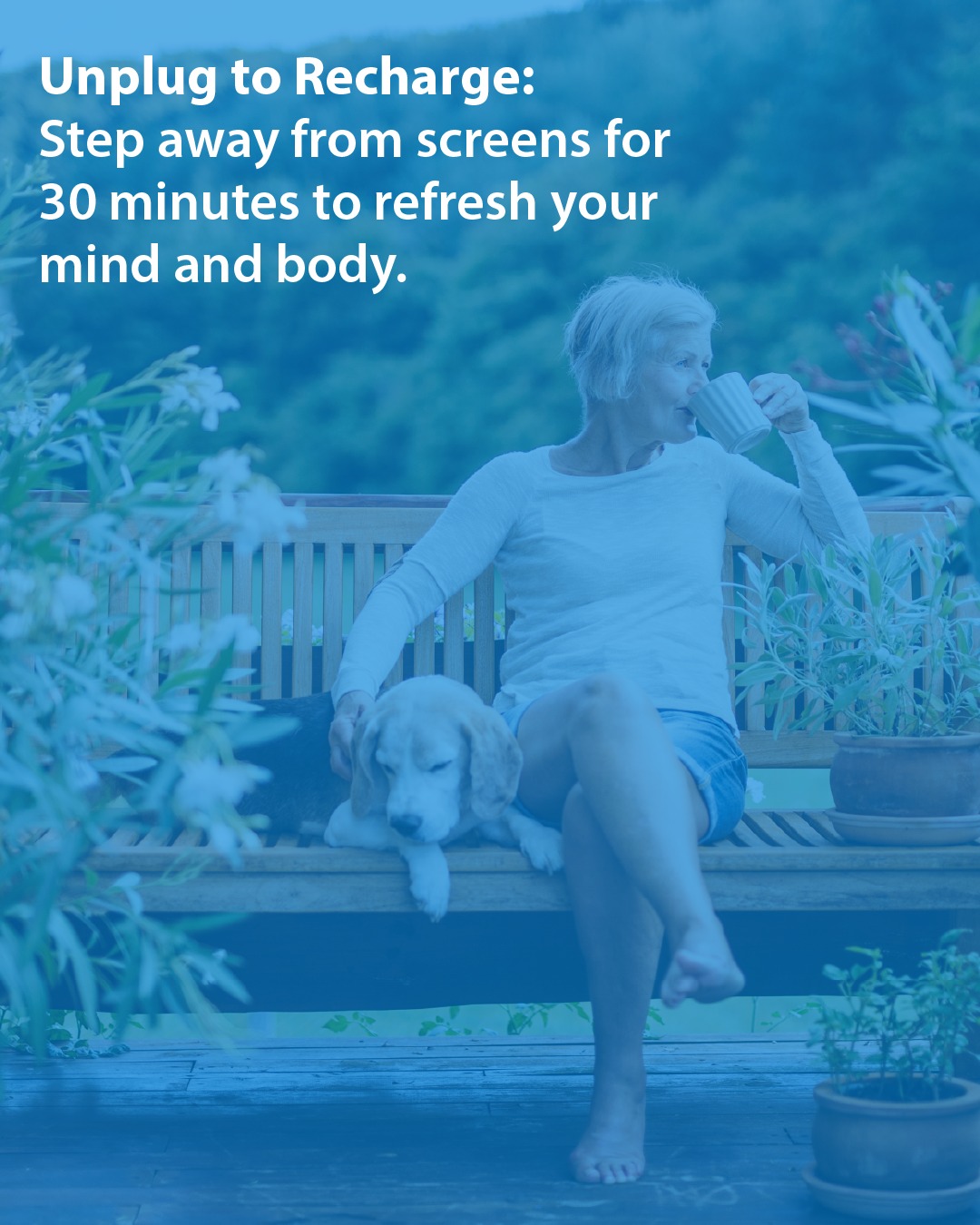
- Take tech breaks. Walk away from screens for 10–30 minutes after longer sessions to refresh your attention. (See the image above for a quick reminder.)
- Improve sleep with wearables. Track sleep duration and timing. Small shifts in bedtime often yield big cognitive returns.
- Use short guided practices. Two to ten minutes of breathing or body scan work repeatedly during the day to lower stress and sharpen attention.
- Control your environment. Use soft lighting, minimal background noise, or a sound machine for focus-friendly ambience.
Wellness Tech and the Science of Focus
Research shows that both reduced distractions and improved recovery (sleep, nutrition, movement) help attention. For example, businesses and health organizations highlight the link between well-being and performance. A PwC study notes that financial and emotional stress reduces employees’ capacity to focus on long-term goals — showing how wellbeing links directly to attention and productivity.
Market trends also show growing investment in wellness as a way to support mental performance. Read the latest industry insights at McKinsey’s wellness trends and the broader market analysis on the global wellness market. These resources explain why companies and consumers are turning to tech for practical focus and resilience tools.
Simple science-backed takeaways
- Sleep quality predicts attention the next day — aim for consistent sleep timing.
- Short breaks improve sustained attention across long tasks.
- Mindfulness and breathwork change neural patterns related to focus within weeks of practice.
Tools to Try: Apps, Wearables, and Devices
Below are tools people report as impactful. Pick one from each category and use it consistently for at least two weeks to measure effects.
Apps
- Focus timers and website blockers — help you resist distracting tabs and social feeds.
- Guided mindfulness apps — short sessions to calm the mind and reset attention.
- Habit trackers — build consistent sleep, movement, and focus routines.
Wearables
Wearables that track sleep and HRV can tell you when your body needs rest. Use the data to schedule deep work when you’re most alert and to prioritize recovery when you’re not.
Workspace tech
- Smart lighting — warm, dim light in the evening to wind down, cool light for daytime focus.
- Noise control — noise-cancelling headphones or ambient sound machines to reduce interruptions.
Designing a Personal Wellness Tech Plan
Personalize tech to your life, not the other way around. A simple plan helps you test what works without overwhelm.
Step-by-step starter plan
- Assess: Track one week of your habits — sleep, screen time, and interruptions.
- Choose one intervention: a focus timer, a sleep tracker, or a mindfulness app.
- Set a testing window: try it for 14 days and note changes in attention and energy.
- Adjust: keep what helps and replace what doesn’t. Add another tool if needed.
For students, staff, or campus communities, engaging with institutional well-being roadmaps can help align personal practices with campus resources. If you’re at Georgia Tech, for example, Wellbeing Roadmaps invites ideas to improve student and staff well-being and lists contact options for feedback.
Common Concerns and How to Fix Them
People worry tech will add more distraction. The trick is to use tech with boundaries: schedule it, limit it, and choose tools that reduce cognitive load rather than increase it.
Myth: More tech equals better focus
Not true. Too many apps and alerts create choice overload. Use a small set of tools and make them consistent parts of your routine.
Myth: Tracking is stressful
Tracking can add pressure if you obsess over numbers. Focus on trends, not perfection. Use data to guide simple, kind changes to your schedule.
Workplace & Policy: Scaling Wellness Tech
Organizations are thinking bigger about well-being because it affects performance and retention. Reports from consulting firms show that large-scale wellness programs and financial wellbeing initiatives can improve attention and resilience across teams. The PwC overview highlights how financial stress reduces employees’ ability to focus on longer-term goals.
If you’re designing programs, consider integrated solutions that support sleep, stress, and job design rather than piecemeal apps. Industry guides like McKinsey’s wellness trends and their market analysis explain how ecosystems of tools can scale impact across populations.
Tips to Keep Tech From Becoming a Distraction
- Limit notifications: keep only essential alerts on during work blocks.
- Set clear work boundaries: share your deep-work hours with colleagues and family.
- Practice digital sunsets: give yourself tech-free time before bed to improve sleep quality — a small change with big focus benefits, as recommended by wellbeing guides like Mind UK’s wellbeing tips.
Measuring Success
Track simple outcomes: time on task, number of interruptions, energy at the end of the day, and sleep hours. Use a journal or low-friction digital tracker. If a habit is not helping after two weeks, tweak it.
Real Users, Real Gains
People who adopt a structured set of Wellness Tech practices often report better concentration, less reactive stress, and more satisfying progress on meaningful tasks. The key is consistency: small, daily practices beat intense but irregular interventions.
Getting Started Right Now
Here’s a short checklist to begin today:
- Set one 60-minute deep work block and turn off notifications.
- Try a 2–5 minute breathing practice after each block.
- Choose one wearable or sleep habit to track for 14 days.
- Schedule a tech-free walk once per day.
Closing Thoughts
Wellness Tech can be a powerful ally when used with intention. It reduces distractions, supports recovery, and trains attention. Choose simple tools, measure small wins, and keep your routine kind and realistic. If you want examples of programs or deeper reading, check the resources linked in this post and consider how to build a sustainable plan that fits your life.
Start small, be consistent, and give your focus the support it deserves.
Want more ideas? Explore guides and tools at zenpulsehub.com to keep refining your focus and wellbeing.
FAQs
How quickly can I expect to see focus improvements with Wellness Tech?
Most people notice small gains in 1–2 weeks if they use one consistent tool (like a focus timer or sleep tracker). Bigger changes in sustained attention can appear over 4–8 weeks with regular practice.
Is wearable data reliable for improving focus?
Wearables provide useful trend data for sleep and stress. Use them to guide adjustments rather than chasing perfect numbers. Trends over days and weeks are most helpful.
Can employers use Wellness Tech to help teams focus?
Yes. Employers can offer focused programs that combine tools and policies. Evidence suggests integrated approaches — including financial and mental health support — help employees focus better (see the PwC findings linked above).
How can I avoid tech becoming another distraction?
Limit tools to a few core functions, disable nonessential notifications, and use scheduled deep-work blocks. Maintain tech-free windows daily to allow mental recovery.