
Hydration Mistakes That Drain Your Energy
Hydration Mistakes That Drain Your Energy are more common than you think — and they can leave you feeling foggy, tired, and unmotivated. In this guide you’ll learn which habits quietly sap energy, how to fix them, and simple routines to feel more alert all day
Why hydration matters for energy
Water is a key player in every cell. When hydration slips, your blood volume, digestion, temperature regulation, and brain function all suffer. That drop in function shows up as fatigue, poor concentration, slow recovery after workouts, and mood dips.
Hydration Mistakes That Drain Your Energy: Common Traps
Below are the most frequent hydration mistakes people make — and fast fixes you can try today. These are practical, evidence-based, and easy to adopt.
Mistake 1: Waiting until you feel thirsty
Thirst is a late signal. By the time you feel thirsty, you’re often already mildly dehydrated. That mild dehydration is enough to reduce alertness and increase perceived effort during simple tasks.
Fix: Create small, consistent cues. Keep a water bottle on your desk and take a sip every 20–30 minutes. Aim for steady intake across the day rather than pounding water all at once.
Mistake 2: Relying only on plain water during long exercise or a busy day
Plain water hydrates cells but doesn’t replace lost electrolytes after long workouts, hot days, or heavy sweating. Low electrolyte levels reduce energy, cause cramps, and slow recovery.
Fix: For sessions longer than 60 minutes or intense heat, use low-sugar electrolyte drinks or add a pinch of salt and a squeeze of lemon to water. Learn more about exercise hydration mistakes in this Times of India guide: 6 workout hydration mistakes and how to fix them
Mistake 3: Overdoing caffeine and alcohol
Caffeine and alcohol are diuretics in higher amounts. They can accelerate fluid loss and mask fatigue, so you may push through feeling tired without actually rehydrating.
Fix: Limit alcohol and keep caffeine moderate. If you have coffee or cocktails, add an extra 250–500 ml of water to compensate. For severe depletion (e.g., after dehydration from illness or heavy drinking), clinical options such as IV hydration restore balance faster — see this resource for context: IV hydration and when it helps.
Mistake 4: Ignoring morning hydration
Your body loses water overnight. Many people skip water first thing and reach for coffee, which can reinforce the cycle of low morning hydration and low energy.
Fix: Drink a glass (200–300 ml) of room-temperature water immediately after waking. It kickstarts digestion and brain function. For more morning habit tips linked to energy, see this list of morning mistakes: Morning mistakes that sap energy.
Mistake 5: Mistaking sugary drinks for hydration
Fruit juices, sodas, and many sports drinks have lots of sugar. Sugar can cause blood sugar swings that leave you jittery then drained. Some so-called ‘hydrating’ beverages are actually counterproductive.
Fix: Choose low-sugar electrolyte mixes or dilute fruit juice with water. Read labels and favor drinks with modest carbohydrate content if you need energy during prolonged activity.
What good hydration looks like
Hydration is not only about volume; it’s also about timing and balance. Use these simple rules to stay energized:
- Small, steady sips: Aim for ~250–300 ml every 2–3 hours as baseline, more if thirsty or active.
- Include electrolytes: Add salt and minerals during heavy sweating or long days.
- Hydrate before and after exercise: Start well-hydrated and replace fluids after.
- Watch urine color: Pale straw color usually means good hydration.
Hydration strategies for work, gym, and travel
At work or studying
Set a water goal and use alarms or a smart bottle. Eating water-rich foods (cucumber, watermelon, soups) also helps.
During workouts
For sessions under 60 minutes, water is enough. For longer or very hot sessions, add electrolytes. The family wellness guide on endurance explains how hydration vs. drinking water affects stamina — the key idea is replacing both fluids and salts.
When traveling or during holidays
Travel and holiday routines disrupt water habits. Air travel, alcohol, and long days out all sap fluids.
Fix: Carry a refillable bottle, choose electrolyte packets for flights, and plan water breaks. See tips for holiday hydration at Normalyte’s holiday hydration guide.
Common signs you’re under-hydrated (and how to react)
- Dry mouth or sticky saliva: Sip water and try herbal tea.
- Light-headedness or brain fog: Pause, sit, and drink 200–300 ml slowly.
- Muscle cramps: Add electrolytes and gentle stretching.
- Low urine volume and dark color: Increase fluid intake and monitor.
Hydration myths — busted
Myth: You must drink 8 glasses a day
Reality: Needs vary by body size, activity, climate, and diet. Use thirst cues plus steady sipping and check urine color.
Myth: Clear urine always means perfect hydration
Reality: Very clear urine can also mean you’re overdrinking relative to electrolytes. Balance is key.
Myth: Sports drinks are always better
Reality: Most sports drinks are useful for long exercise but unnecessary for short workouts or daily hydration. Pick low-sugar options when needed
Quick, practical hydration plan (7-day reset)
Try this one-week routine to reset your hydration and energy levels:
- Day 1: Start mornings with 300 ml water. Track intake with a bottle or app.
- Day 2: Add a pinch of salt to one glass after workouts or heavy sweating.
- Day 3: Replace one sugary drink with water or a low-sugar electrolyte mix.
- Day 4: Pre-hydrate 30 minutes before workouts (200–300 ml).
- Day 5: Add water-rich foods to two meals (salad, soup, fruit).
- Day 6: Notice urine color and adjust intake; aim for pale straw color.
- Day 7: Plan hydration strategies for your next week and keep the habit.
When to seek medical or professional help
Most mild dehydration is fixed with fluids and electrolytes. Seek care if you experience severe dizziness, fainting, persistent vomiting, high fever, or confusion.
For persistent energy loss despite good hydration, consult a healthcare professional. If dehydration is severe, treatments like IV fluids may be recommended — Knight IV explains contexts where IV hydration restores balance quickly: IV hydration resource.
Tools and products that can help
- Refillable bottle with measurements: Visual goals help build the habit.
- Low-sugar electrolyte mixes: Useful for long workouts and travel.
- Hydration reminder apps: Gentle nudges keep intake steady.
- Meal planning: Include water-rich foods daily.
Putting it all together
Hydration affects energy more than many realize. Avoid the common traps: don’t wait for thirst, add electrolytes when needed, moderate caffeine and alcohol, and prioritize morning hydration. These small changes add up fast.
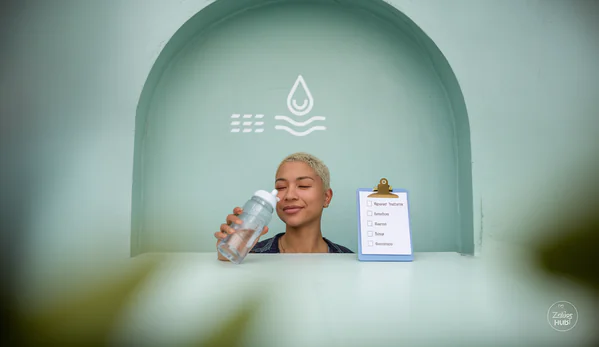
Bonus: Small habit checklist
- Start each day with 300 ml water.
- Carry a bottle and sip regularly.
- Swap one sugary drink for water daily.
- Use electrolytes after long activity or heavy sweating.
- Check urine color midday and evening.
Video: Quick hydration tips
Watch this short video for visual tips and simple routines that boost hydration and energy.
Further reading
If you want deeper reads on stamina, morning routines, and hydration mistakes that affect endurance, these articles are helpful:
- Endurance: 7 mistakes draining energy & stamina — explains the hydration vs. water distinction.
- Morning mistakes that drain your energy — has practical morning fixes.
- Exercise hydration tips from Times of India — quick fixes for workouts.
- Holiday hydration tips — for travel and festive seasons.
FAQ
How much water should I drink to feel more energetic?
Aim for steady intake: small sips throughout the day rather than large amounts at once. A common baseline is 2–2.5 liters per day for many adults, adjusted for activity, climate, and body size. Track how you feel and check urine color for cues.
Can electrolytes help with low energy?
Yes. If you’ve been sweating a lot, electrolytes restore salts that help with muscle and brain function. Low electrolytes can make you feel weak or foggy. Use low-sugar electrolyte mixes or natural sources (broth, salted water).
Is coffee dehydrating me?
Moderate coffee intake (1–3 cups) is not usually dehydrating for regular consumers. But paired with low water intake or alcohol, it can worsen mild dehydration. Add water to your routine when you drink coffee.
When should I see a doctor about dehydration?
Seek care for severe dizziness, fainting, confusion, high fever, or if you can’t keep fluids down. For persistent low energy despite good hydration, talk to a healthcare provider to rule out other causes.
Final thoughts
Hydration Mistakes That Drain Your Energy are easy to fix when you know them. Small habits — morning water, steady sipping, and electrolytes when needed — make a big difference. Start one change today and notice how your energy responds.
Want more guides like this? Explore practical health and energy tips at ZenPulseHub to keep refining your routine and feeling your best.