

lack of sleep stress and anxiety: Break the Cycle
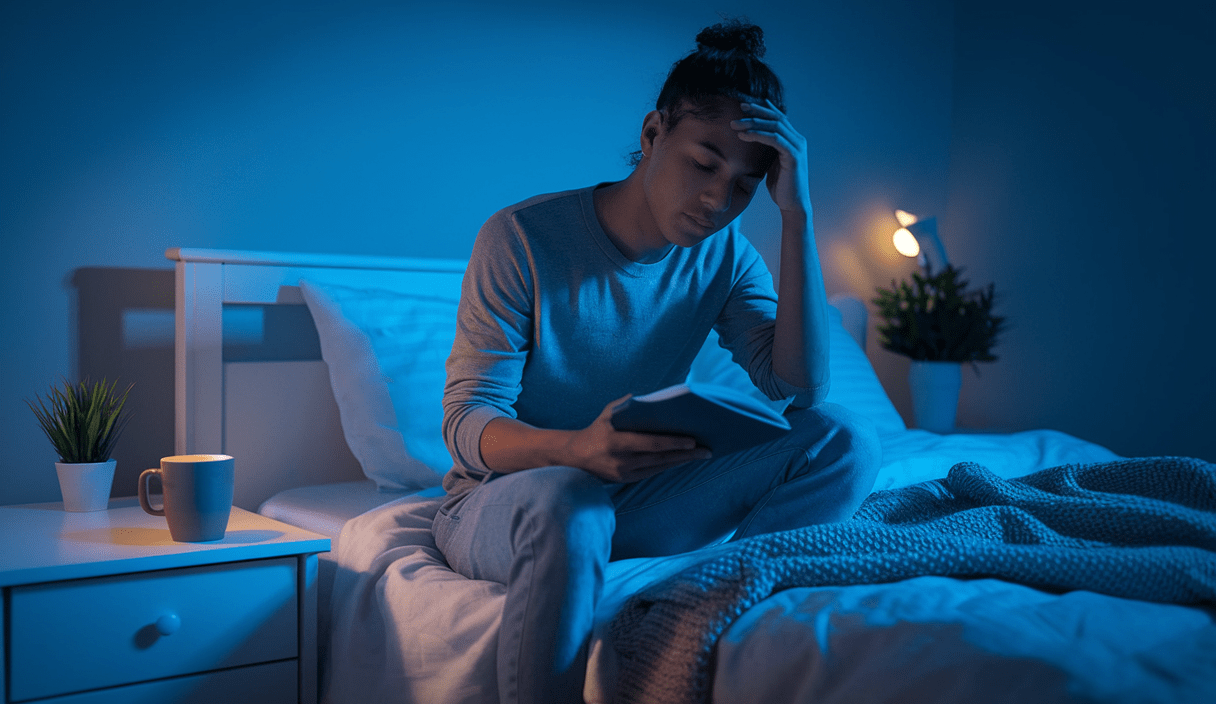
Lack of sleep stress and anxiety can form a frustrating loop: worry keeps you awake, and poor sleep makes worry louder the next day. If you’re 20–45 and juggling work, relationships, or school, this cycle can quietly steal focus, energy, and joy. This guide explains why that happens and gives practical, science-backed steps to help you sleep better and feel calmer.
Why lack of sleep stress and anxiety feed each other
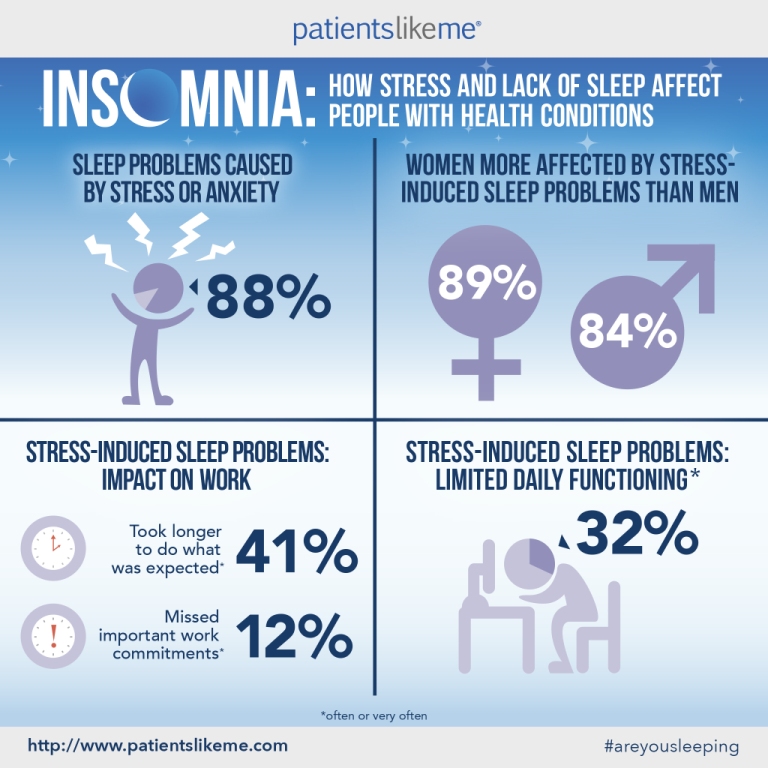
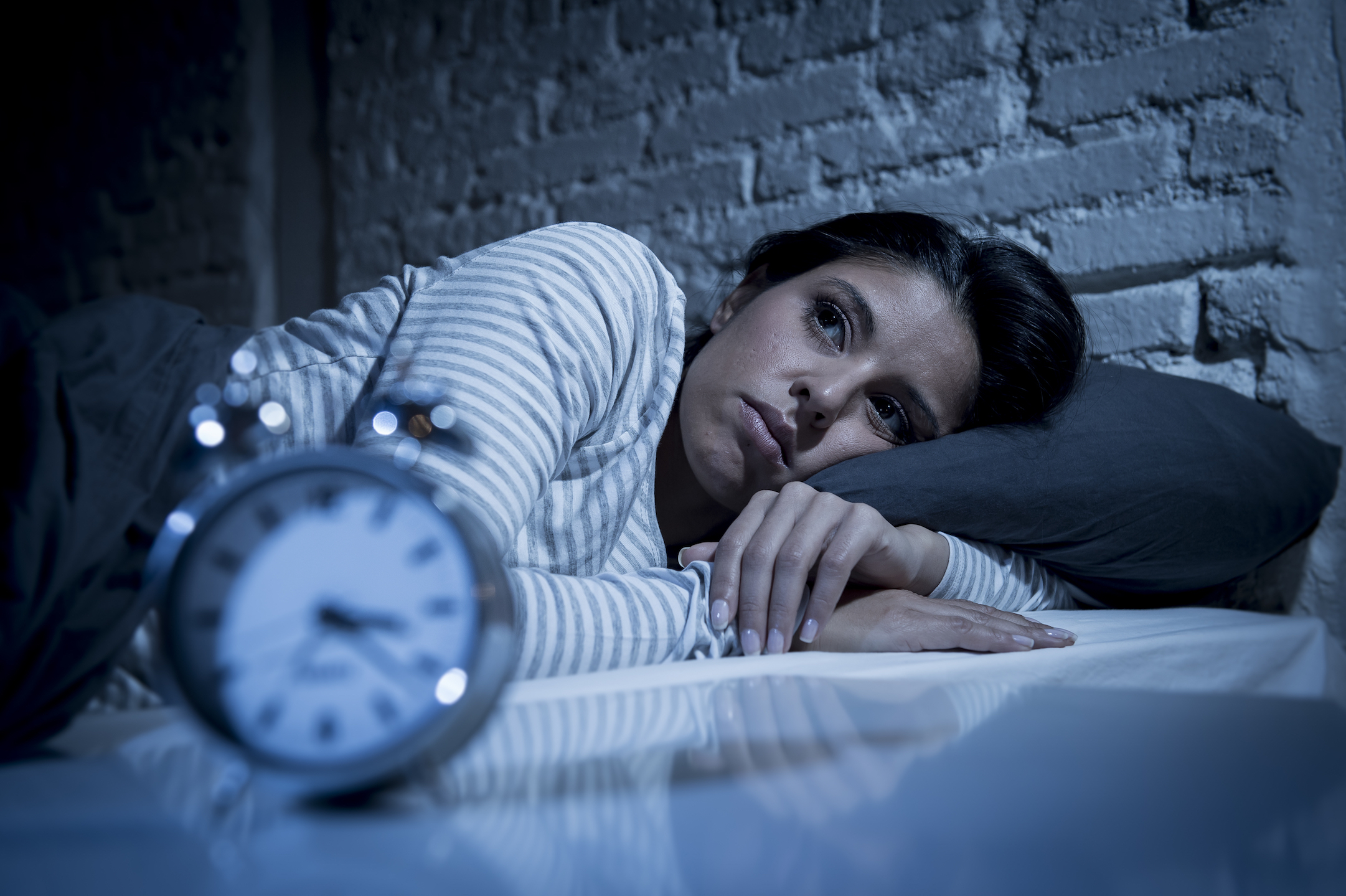
Sleep, stress, and anxiety are closely linked. When you don’t get enough sleep, your brain’s ability to regulate emotions drops. That makes stress feel stronger and anxiety symptoms more likely. Likewise, persistent stress and anxiety make it harder to fall asleep and stay asleep. The loop is both emotional and biological—your nervous system gets stuck in a high-alert state.
Research summaries from trusted sources underscore this two-way relationship. The Sleep Foundation explains how stress and worry can make sleep harder and how poor sleep can worsen anxiety. For a clear overview, see the Sleep Foundation’s guide: Sleep Foundation: Anxiety and Sleep.
What happens in your body
When you’re sleep deprived, the amygdala (the brain’s alarm center) overreacts and the prefrontal cortex (the part that calms and plans) underperforms. That imbalance increases emotional reactivity and reduces coping ability. Hormones like cortisol (the stress hormone) also rise with poor sleep, keeping your body primed for stress.
Signs you’re in the sleep-stress-anxiety loop
- Difficulty falling asleep because your mind won’t switch off.
- Waking up during the night with your thoughts spinning.
- Daytime anxiety or irritability even after “over-night” sleep.
- Relying on caffeine or screens to get through the day.
Studies highlight that not only total sleep time but also the quality of deep (slow-wave) sleep matters. Columbia Psychiatry and other centers have detailed how sleep deprivation worsens mood and anxiety symptoms: Columbia Psychiatry: Sleep Deprivation and Mental Health.

Practical steps to break the cycle
Here are clear, doable strategies to reduce stress, ease anxiety, and improve sleep. Try a few consistently over two to four weeks—small habits add up.
1. Build a calming bedtime routine
Routines prime the brain for sleep. Aim for 30–60 minutes of wind-down time before bed.
- Dim lights, lower noise, and switch devices to night mode.
- Do gentle stretching, a warm shower, or a simple breathing practice (4-6 slow breaths per minute).
- Write down worries in a short list to clear your mind for the night.
2. Prioritize sleep hygiene
Good sleep habits are powerful. Keep bedroom temperature cool, block light with curtains, and use your bed only for sleep and sex. Regular sleep and wake times anchor your circadian rhythm.
3. Use tools to ease anxious thoughts
Short cognitive tools can quiet anxiety without needing therapy right away.
- 5-4-3-2-1 grounding: Identify 5 things you see, 4 you feel, 3 you hear, 2 you smell, 1 you taste or want to taste.
- Box breathing: Inhale 4, hold 4, exhale 4, hold 4—repeat 3 times.
- Scheduled worry time: Set 15 minutes earlier in the day to process worries so they don’t invade bedtime.
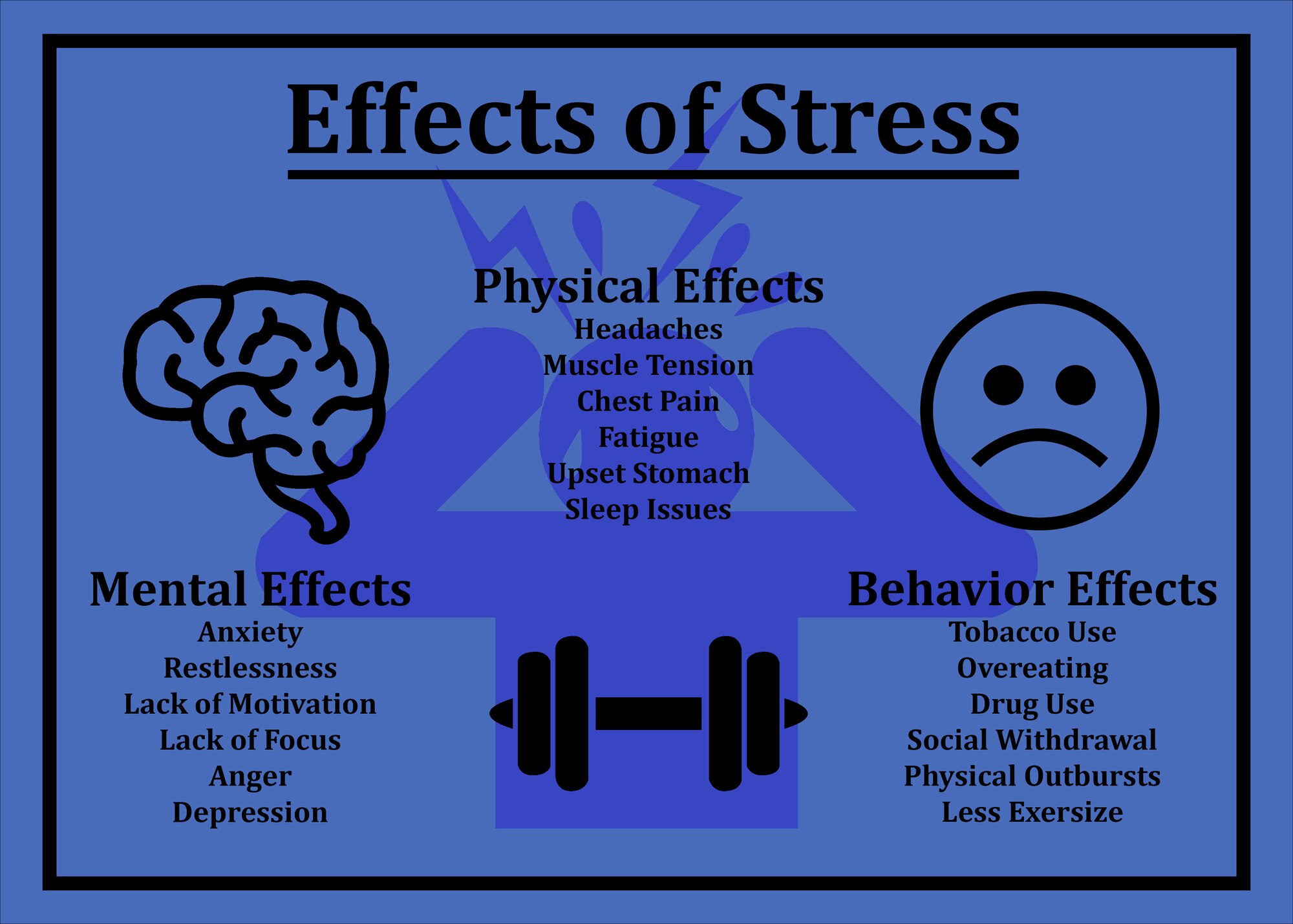 Source: www.445aw.afrc.af.mil
 4. Move your body (but time it right)
Exercise lowers stress and improves sleep quality, but avoid intense workouts right before bed. Aim for morning or late afternoon sessions when possible.
5. Watch substances that affect sleep
Caffeine, nicotine, and alcohol can fragment sleep. Try cutting caffeine after early afternoon and limit alcohol, which may help you fall asleep but reduces restorative sleep later in the night.
6. Try behavioral approaches
For persistent trouble, cognitive behavioral therapy for insomnia (CBT-I) and anxiety-focused CBT are effective. Many clinics and online programs offer structured approaches. Cedars-Sinai highlights how stress and anxiety interfere with sleep and when to consider professional help: Cedars-Sinai: Sleep & Stress.
When lack of sleep stress and anxiety need more support
If sleep loss is severe (days of very little sleep), or anxiety/panic attacks are frequent, reach out to a healthcare professional. The American Psychological Association and recent studies show sleep deprivation can meaningfully increase anxiety risk and reduce emotional resilience: APA: Sleep Deprivation and Anxiety.
Also, if sleep problems follow a traumatic event or include symptoms like confusion, suicidal thoughts, or seizures, seek urgent care. Poor sleep can worsen medical and psychiatric conditions; Earth.com and other evidence sources summarize links between poor sleep quality, depression, stress, and anxiety: Earth.com: Sleep Quality and Mental Health.
Simple daily plan to reduce the loop (7-day starter)
Start small. Here’s a one-week plan that mixes sleep hygiene, stress tools, and movement.
- Day 1: Set consistent wake and sleep times. No screens 60 minutes before bed.
- Day 2: Add a 10-minute evening breathing routine.
- Day 3: Do a 20-minute walk or easy workout in the morning.
- Day 4: Keep a 5-minute worry journal in the afternoon.
- Day 5: Test a natural sleep cue: herbal tea, warm shower, or reading.
- Day 6: Review caffeine intake; skip afternoon caffeine.
- Day 7: Reflect on progress and keep the practices that felt most helpful.
Evidence and trustworthy resources
If you want to read more, reputable organizations summarize the research and offer practical tips:
- Sleep Foundation — An accessible guide on how anxiety and sleep interact.
- British Psychological Society — Discusses research showing lack of sleep leads to anxiety and the role of deep sleep.
- Columbia Psychiatry — Explains how sleep deprivation affects mood and mental health.
- Cedars-Sinai — Practical tips and when to seek help.
- American Psychological Association (APA) — Recent findings on sleep deprivation and anxiety.
Final notes
Consistency matters more than perfection. You won’t fix weeks or months of poor sleep overnight. But small, steady steps reduce arousal and rebuild better sleep. If you practice strategies and still struggle, professional help can make a big difference. Remember: you’re not weak for needing help—sleep and mental health are skills that can be trained.
YouTube Video: Sleep Tips for Anxiety and Stress
Remember the core idea: reducing lack of sleep stress and anxiety starts with small, practical habits that lower arousal and support restorative sleep. Try one new habit this week and build from there.
Want more guides like this? Explore practical sleep and stress articles at zenpulsehub.com and keep learning tools that actually help.
FAQs
Can lack of sleep cause anxiety on its own?
Yes. Short-term sleep loss can increase worry and emotional reactivity, and chronic poor sleep raises the risk of developing ongoing anxiety symptoms. Studies summarized by the British Psychological Society and Columbia Psychiatry show this two-way relationship.
How many nights to see improvement?
Some people notice subtle improvements after a few nights of better sleep hygiene, but meaningful change often takes 2–4 weeks of consistent habits. If anxiety or insomnia continues, consider CBT-I or professional help.
Are sleeping pills a good fix for stress-related sleep loss?
Short-term use of sleep medication can help in acute cases, but they don’t teach long-term skills and can have side effects. Behavioral approaches, routine changes, and therapy are preferred for resolving the underlying issue.
Where can I find reliable help or more research?
Trusted sources include the Sleep Foundation, Cedars-Sinai, Columbia Psychiatry, the APA, and psychological associations. Links to these resources are included above for further reading.






