

Mindful Eating: A Practical Starter Guide
Mindful Eating is a simple, powerful way to reconnect with food, hunger cues, and enjoyment. In this practical starter guide you’ll find clear steps, short exercises, and realistic tips to help you slow down, savor meals, and make peace with eating.

What is mindful eating?
Mindful Eating means paying attention to the food you eat — its taste, texture, and how it makes your body feel — without judgment. It blends simple attention practices with everyday meals so you can enjoy food while making more informed choices. Many people find it helps reduce stress around food and improves digestion and satisfaction.
Why try Mindful Eating now?
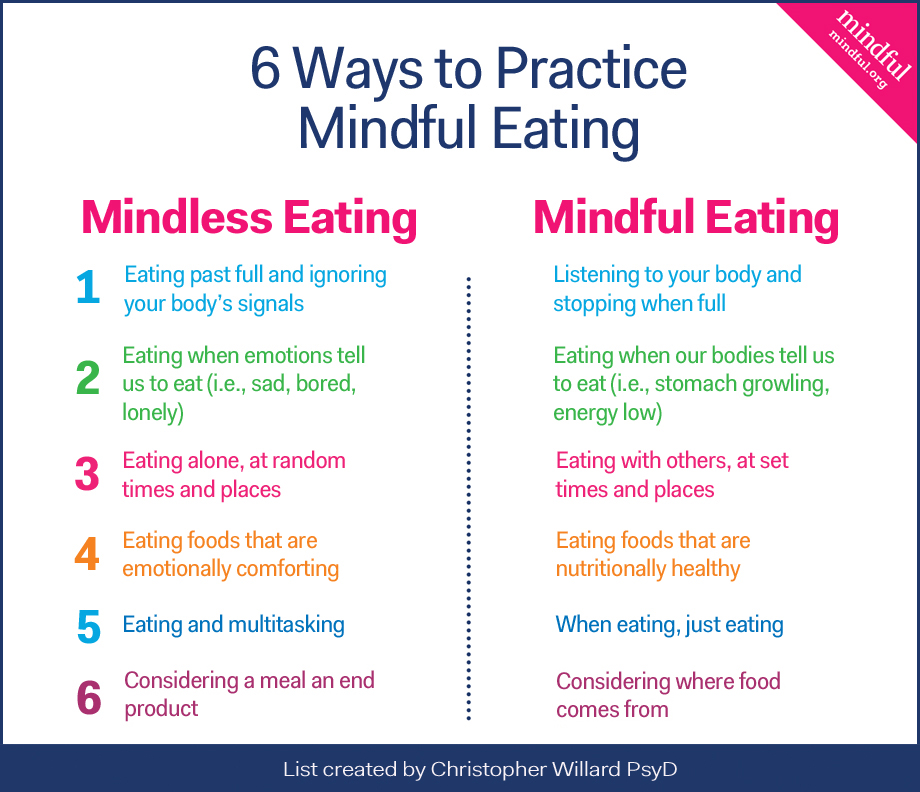
We live fast. Meals get rushed, screens distract us, and the habit of eating on autopilot is common. **Mindful Eating** helps you pause and notice what’s happening in and around your body. That awareness can lead to healthier habits and less emotional eating — without following a strict diet.
Benefits backed by common sense and practice
- Better digestion from slower, calmer eating.
- Greater satisfaction from meals — you may eat less and feel fuller.
- Reduced stress and guilt around food choices.
- Improved awareness of hunger and fullness cues.
Mindful Eating: Getting Started
Getting started doesn’t require special foods or equipment. You can begin today with a single meal. The steps below are short and practical — pick one or two to practice this week.
Quick daily practice (5–10 minutes)
- Pause before you start eating. Take three deep breaths to bring your attention into the present.
- Look at your food. Notice color, shape, and aroma.
- Small bites. Put your fork down between bites. Chew slowly and notice texture.
- Check in with hunger and fullness mid-meal. Ask: Am I still hungry? Am I eating for another reason?
How to set the scene
Make eating easier to focus on by removing common distractions. Try these simple changes:
- Turn off the TV and silence notifications.
- Sit at the table instead of standing or walking.
- Place a napkin on your lap and a glass of water nearby.
Mindful Eating practices to try
Try one of these practices for a week. Each exercise supports awareness and gentle habit change.
1. The Raisin Exercise (4–7 minutes)
This classic exercise trains attention on a single bite. Use any small food if you don’t have a raisin.
- Hold the raisin, look at it, smell it, and notice expectations.
- Place it in your mouth and slowly notice taste and texture without chewing at first.
- Chew slowly and notice how flavors evolve. Swallow and pause for a breath.
2. Hunger-fullness check-in
Before each meal, rate hunger from 1 (starving) to 10 (overfull). Aim to eat between 3 and 6 — that way you’re not eating from extreme hunger, and you can stop comfortably when satisfied.
3. Mindful snacking
If you snack between meals, make the snack intentional. Choose a small portion, put it on a plate, and eat without distraction.

Tips for staying consistent
Consistency is less about perfection and more about gentle return. Use these tips to make mindful eating part of your routine.
- Start small: One mindful meal a day is plenty at first.
- Anchor the habit: Pair practice with an existing routine (e.g., breakfast coffee).
- Be kind: If you get distracted, note it without judgment and return to the breath.
- Track progress: Keep a simple log of how meals feel — more or less satisfied, calmer, energized.
How mindful eating relates to other approaches
Mindful Eating often sits alongside other non-diet approaches like intuitive eating. While they overlap, each has a different emphasis:
- Mindful Eating focuses on attention and awareness during meals.
- Intuitive Eating emphasizes body trust, hunger cues, and rejecting diet culture. For a clear primer, see a beginner’s guide to intuitive eating here: Karalydon — Beginner’s Guide to Intuitive Eating.
- Clinical and practical resources can help you combine approaches safely. See Healthline’s guide for practical mindful eating steps: Healthline — Mindful Eating Guide.
Further reading and resources
If you want more structured guidance, these resources are helpful:
- A clear, practical overview: Mindful Eating 101 (Rachael Hartley).
- A personal account of bringing mindfulness into a daily routine: Shannon Harvey’s beginner guide.
- A short guide and free resources for reconnecting with body cues: Alissa Rumsey — What Is Mindful Eating?.
Common questions and how to handle them
“I get bored — how can mindful eating help?”
Mindful eating reduces boredom-driven snacking by increasing awareness of emotional triggers. When you notice an urge to eat out of boredom, try a short pause: name the feeling (e.g., “bored”), take three breaths, and decide what you want next. The pause often changes the outcome.
“I eat with others; how can I practice?”
You can practice mindful eating publicly by focusing on small actions: chew slowly, put your utensil down between bites, and savor conversation. Mindful eating doesn’t require isolation — it just asks for intention.
Watch a short guided practice
Try this short video to practice guided mindful eating techniques. Use it once or twice a week as part of your starter routine.
Practical meal plans and suggestions
Mindful eating isn’t about strict menus — it’s about *how* you eat. Still, a simple plan can help you get into the habit:
- Breakfast: Choose a protein-rich option (eggs, yogurt, oats). Eat without scrolling. Notice how long it takes to feel satisfied.
- Lunch: Pack a balanced plate and take a 5-minute pre-meal pause. Eat slowly and notice fullness at 50% and 80%.
- Dinner: Use the first 10 minutes to enjoy flavors rather than reaching for seconds automatically.
When to seek more support
If disordered eating, severe food anxiety, or complex medical issues are present, pair mindful eating with professional guidance. Registered dietitians and mental health professionals can help integrate mindful approaches safely. For clinically oriented advice and to clear up misinformation, see this helpful primer: Mindful Eating 101.
Combine with other approaches
Many practitioners combine mindful eating with intuitive eating and cognitive techniques for best results. For practical and compassionate steps on starting a mindfulness practice that includes eating, see Shannon Harvey’s account: My Year of Living Mindfully.
Realistic expectations
Expect gradual change. Mindful eating is a skill — it improves with repetition. You may notice immediate benefits (more satisfaction, less snacking) and longer-term shifts in your relationship with food.
Quick reminder: be patient and curious. Celebrate small wins like one mindful meal a day or a calmer evening meal.
Wrapping up
Mindful Eating offers practical tools to eat with awareness, reduce stress, and enjoy food more. Try short exercises, remove distractions, and track how meals feel. Over weeks, small consistent changes add up to lasting shifts in how you relate to food.
Want more? For an accessible guide on how to practice mindful eating with any food, explore Healthline’s detailed steps: Healthline — Mindful Eating Guide. For tools that help reconnect body cues and intuitive approaches, check this guide: Alissa Rumsey — What Is Mindful Eating?.
Next step: Pick one mindful meal this week. Start small, be consistent, and notice what changes.
Explore more practical guides and tools at zenpulsehub.com — your next mindful step is one small practice away.
What is the difference between mindful eating and intuitive eating?
Mindful eating focuses on awareness during meals — paying attention to taste, texture, and hunger cues. Intuitive eating is a broader framework that includes honoring hunger, rejecting diet culture, and restoring trust with the body. They complement each other and can be used together.
How long does mindful eating take to help?
Some people notice benefits after a few mindful meals (calmer digestion, more satisfaction). For deeper changes in eating habits and emotional patterns, expect weeks to months of regular practice. Start with one mindful meal a day and build from there.
Can I practice mindful eating with busy schedules?
Yes. Even short pauses—taking three mindful breaths before a meal or eating one bite slowly—can help. The key is consistency rather than long sessions.
Are there any risks to mindful eating?
Mindful eating is generally safe, but if you have a history of eating disorders, intense food anxiety, or complicated medical needs, work with a qualified professional to adapt practices safely.