
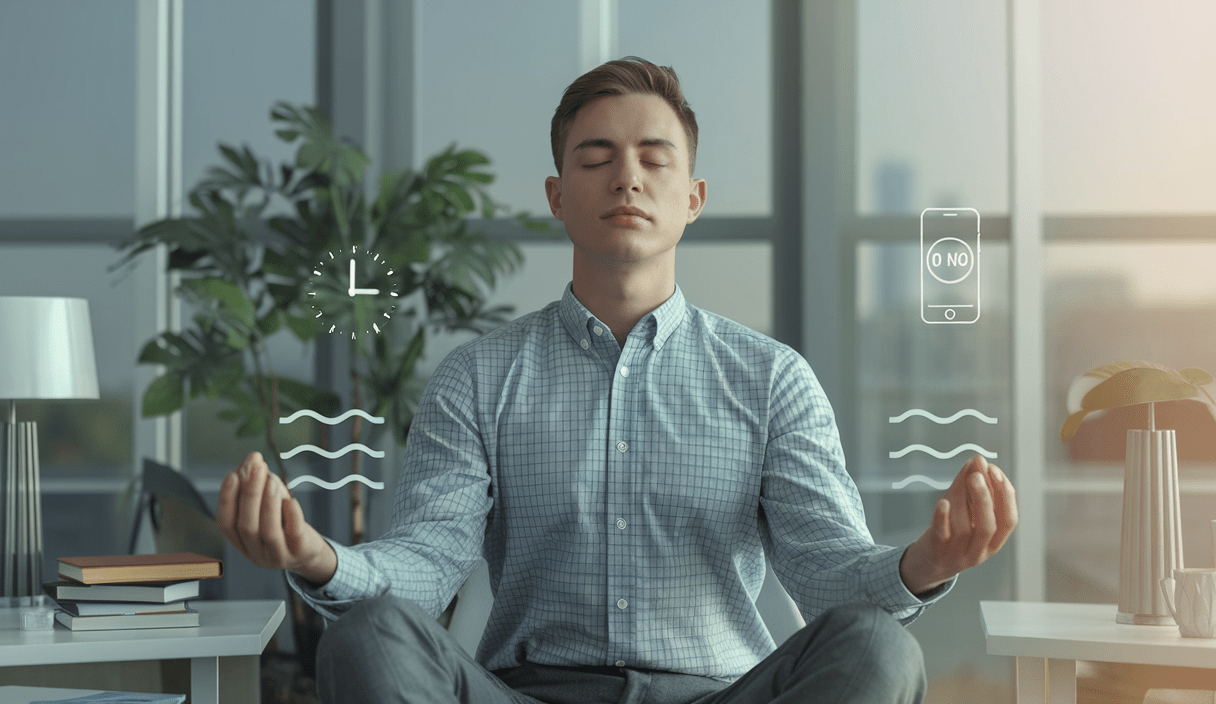

Mindfulness for Busy Professionals: Quick Routines
Mindfulness for Busy Professionals is more than a trend — it’s a set of practical habits you can use between meetings, during commute, and in the few minutes before a deadline. This guide offers clear, short practices designed for people with packed schedules who want reduced stress and improved focus without long meditation sessions.

Why mindfulness matters when you’re busy
When work piles up, emotions and attention scatter. Practicing simple mindfulness helps you notice what’s happening, choose responses intentionally, and maintain energy. Studies and leaders recommend short, regular practices rather than long, infrequent ones — a realistic approach for professionals on the move. For a concise review of the research and why mindfulness breaks work even for the busiest people, see this Harvard Business Review primer.
Core principles of a practical routine
Before we get into exercises, adopt these guiding ideas:
- Short beats perfect: Five minutes daily is better than one hour once a month.
- Anchor to existing habits: Pair mindfulness with coffee, commuting, or your daily planning.
- Be kind to yourself: Small steps build lasting change.
Use credible quick-start guides
If you want structured tips on building a routine that fits a packed calendar, check out this practical list of strategies from an experienced coach: 7 Tips to Create a Mindfulness Routine for Busy Professionals. It outlines simple habit pairings and short practices that really work.
7 short practices for busy professionals
Each item takes 30 seconds to 10 minutes. Try one at a time and notice the difference.
- Three-minute breathing reset: Sit upright, breathe in for 4 counts, out for 6, repeat for 3 minutes. Notice body sensations and let thoughts pass.
- Single-task blocks: Work for 25 minutes with no notifications, then take a 5-minute mindful break. Use a simple timer; your brain will thank you.
- Mindful transitions: Before starting a new task or meeting, pause for 30 seconds to breathe and set one clear intention.
- Sensory anchor: Focus on one sense for 60 seconds — the warmth of tea, the sound of rain, or pressure under your feet.
- Walking check-in: On your walk between meetings, notice each step and your breath for 3–5 minutes.
- Gratitude minute: At day’s end, name three small wins or things you appreciated.
- Micro-body scan: Quickly scan head to toes, relax areas of tension for one minute.

Morning and evening routines that stick
Routines anchor your day. A short morning and evening practice helps you show up calmer and sleep better.
Quick morning routine (5–10 minutes)
- Hydrate and stretch for 1–2 minutes.
- Do a 3-minute breathing reset.
- Set one work intention for the morning.
Short evening routine (5 minutes)
- Write down three quick wins or lessons.
- Try a one-minute body scan before bed.
Mindfulness at work: practical strategies
At work, the goal is not emptiness: it’s focused attention and better choices. Use these tactics during busy days.
- Meeting pause: At the start of meetings, try a 30-second breath to center the group.
- Email batching: Check email at set times. Between batches, take a short sensory anchor to reset.
- Walking meetings: When possible, make short catch-ups a walk to combine movement and awareness.

Short guided practices and resources
If you prefer audio or guided prompts, use a five-minute guided practice before a big call. Many platforms offer short meditations built for busy people. For practical tips on how to practice mindfulness quickly, see this helpful How to Practice Mindfulness guide.
Apps and books
- Apps with short sessions (3–10 min) help build consistency.
- Books and workbooks are great for structure — pick ones that focus on short practices and habit formation. A few titles target busy readers specifically and can guide you through realistic daily steps.

Overcoming common barriers
Busy professionals often think they don’t have time. The trick is reframing: short practices improve focus, which saves time overall.
Barrier: “I don’t have time”
Try a 60-second practice first. Micro-practices accumulate. The Harvard Business Review article linked earlier emphasizes that even brief awareness breaks can improve decision making under pressure (HBR: Mindfulness for people who are too busy to meditate).
Barrier: “My mind won’t stop”
That’s normal. Mindfulness isn’t about stopping thoughts — it’s about changing your relationship to them. Use a label like “thinking” then return to the breath.
How to track progress without pressure
Track consistency, not perfection. Use a simple habit tracker or a daily journal line: “Today I practiced for X minutes.” Over weeks you’ll notice increased calm and clearer focus.

Short science-backed tips
Research and experienced teachers agree on a few practical points for busy people:
- Start small and be consistent.
- Pair new habits with existing routines.
- Use brief guided sessions to build confidence.
For varied perspectives on practicing mindfulness in short formats, see Ed Batista’s approachable reflections on being present even when life is hectic: Don’t just do something — sit there.
Watch a short practice
Below is a short guided video you can play before your next meeting. Press play, follow along, and let yourself reset.
Group practices and workplace programs
Bringing mindfulness into teams builds shared resilience. Many local organizations and programs offer weekly sessions that fit different levels. For example, community courses often list weekly mindfulness training — a great option if you prefer in-person practice: Weekly Mindfulness Program.
Further reading and tools
For a deeper dive into creating a sustainable routine for busy schedules, revisit the innerclarity guide (7 Tips to Create a Mindfulness Routine for Busy Professionals). If you want varied short practice ideas and clinical perspective, the Lyra Health overview remains practical (How to Practice Mindfulness).
Common myths
Myth: Mindfulness means stopping thoughts.
Truth: It’s noticing thoughts without getting swept away.
Myth: You need a lot of time.
Truth: Short, frequent practices are effective for busy people.
Final tips for busy professionals
- Keep a pocket list of micro-practices to use between meetings.
- Inform teammates about short pauses — most will appreciate the clarity.
- Be patient. Small daily steps produce sustained benefits.
How long should a mindfulness session be for busy professionals?
Start with 1–5 minutes. Consistent short sessions are better than occasional long ones. Over time, you can gradually increase length if you wish.
Can I practice mindfulness at my desk?
Yes. Try a 60–90 second body scan or breathing reset. Close your eyes if it helps, or simply soften your gaze and follow your breath.
Does mindfulness help reduce work stress?
Yes. Regular practice improves emotional regulation and focus, which reduces perceived stress and improves decision-making during busy times.
Where can I find quick guided practices?
Many apps and websites offer 3–10 minute guided sessions. You can also watch short videos like the embedded guide above or follow concise written routines from reputable sources linked in this article.
Takeaway: Mindfulness for Busy Professionals doesn’t require extra hours — just short, consistent practices that fit into your day. Start small, pair practices with daily habits, and notice the steady benefits.
Ready to build a practical routine? Explore more easy, science-backed guides and short practices at zenpulsehub.com and start your next mini-practice now.






