
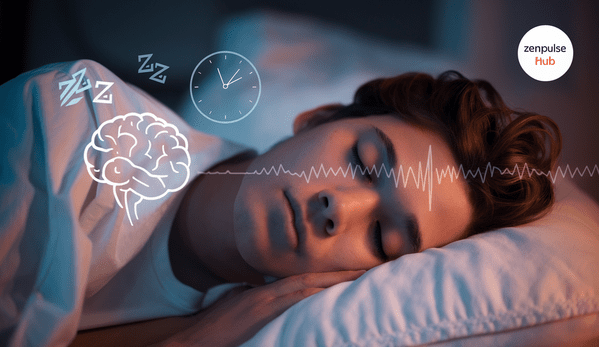

Sleep and Stress: How They’re Connected
Sleep and stress are tightly linked: stress can make it hard to fall or stay asleep, and poor sleep can raise daily stress levels. This post breaks down the science, practical fixes, and when to seek help — all in plain language you can use tonight.
Why Sleep and Stress Matter
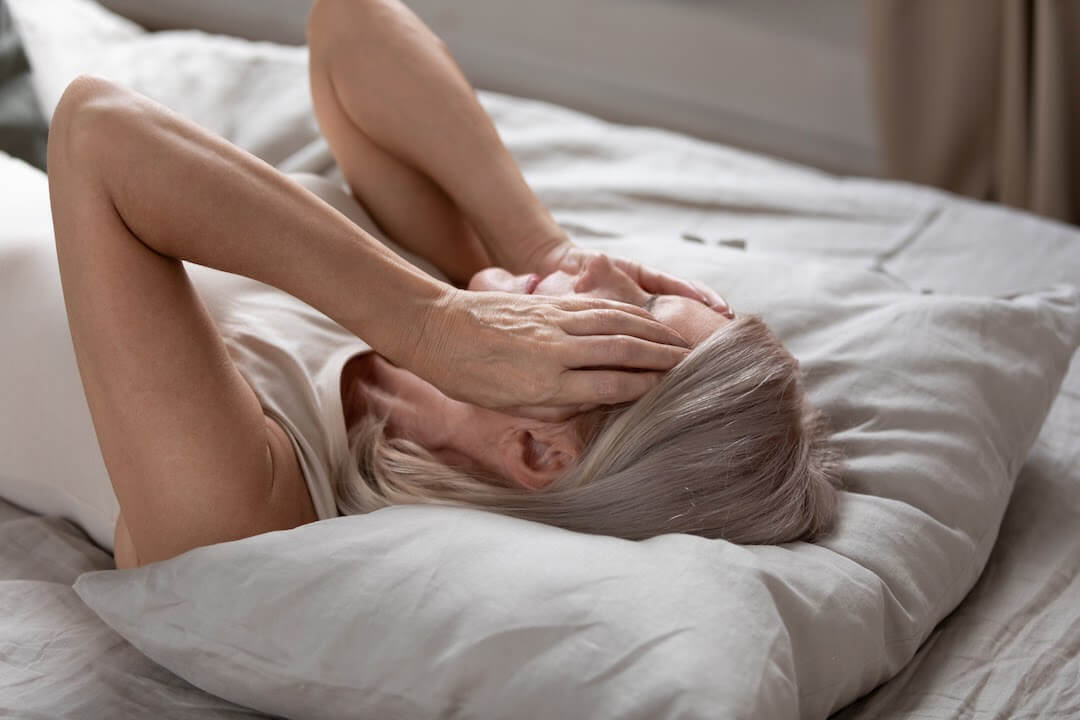
When you feel stressed, your body releases hormones like cortisol and adrenaline. These hormones make you alert and ready to act — great for short-term danger, not so great for bedtime. Over time, that alert state can disrupt sleep cycles, lower sleep quality, and leave you feeling exhausted and more stressed. This cycle can affect mood, focus, and physical health.
The stress-to-sleep pathway
Key mechanisms include increased arousal, racing thoughts, and hormonal shifts. Some people also show high ‘sleep reactivity’ — a trait-like tendency for stress to disturb sleep. Researchers define sleep reactivity as how much stress exposure disrupts sleep, causing trouble falling or staying asleep (read more).
The Science: How Stress Changes Sleep
Science shows clear links between stress and sleep problems. Large surveys find that stress commonly interferes with sleep in both adults and teens. For example, the American Psychological Association reports that stress often keeps people from getting the sleep they need (APA 2013 survey).
What the research says
- Short-term stress can cause difficulty falling asleep and fragmented sleep.
- Chronic stress raises baseline arousal and can lead to long-term insomnia.
- Sleep loss increases emotional reactivity and lowers stress tolerance, creating a feedback loop (Medical News Today summary).
Sleep Reactivity and Vulnerability
Some people are more vulnerable to sleep disruption from stress — this is called sleep reactivity. If a small problem (like a worry or deadline) often ruins your night, your sleep reactivity may be high. That trait predicts who will develop insomnia under stress (PMC article on sleep reactivity).
Signs you may have high sleep reactivity
- Racing thoughts when you try to sleep
- Frequent awakenings after a stressful day
- Needing more time to wind down than others
Special Cases: PTSD, Hormones, and Sleep Disorders
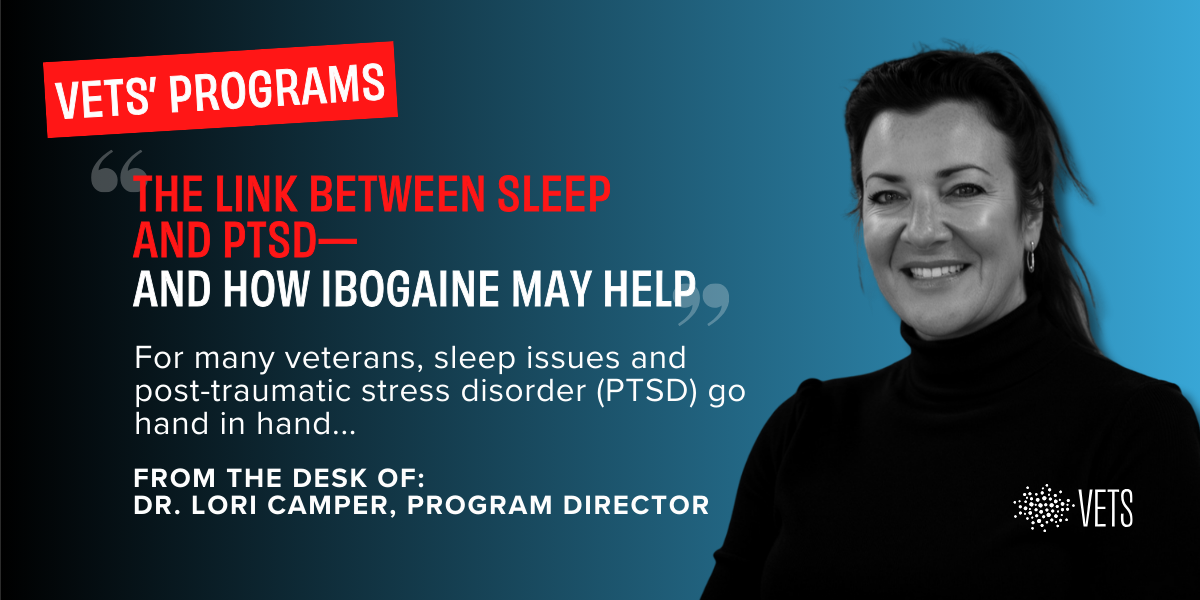
Stress-related sleep issues vary by condition. For example, people with PTSD often have nightmares and fragmented sleep. Hormonal changes around menstruation, pregnancy, and menopause can amplify the stress–sleep link. Sleep disorders such as sleep apnea or bruxism can be worsened by stress.
Evidence and clinical links
Recent research links sleep bruxism (teeth grinding) to oxidative stress markers, suggesting a biological tie between stress and certain sleep disorders (PubMed 2025 study).
Other studies explore connections between sleep loss and anxiety-related conditions such as stuttering and social anxiety (PMC 2023 study).
Practical Tips: Reduce Stress, Improve Sleep
Good news: small changes can break the sleep–stress loop. Try these evidence-based steps to sleep better and lower daily stress.
Evening routine checklist
- Set a consistent sleep schedule. Go to bed and wake up at the same times daily.
- Wind down for 30–60 minutes. Read, take a warm shower, or practice gentle stretching.
- Limit screens before bed. Blue light and social media can raise arousal.
- Use breathing or relaxation exercises. Box breathing or progressive muscle relaxation reduces physiological stress.
- Keep the bedroom cool and dark. A comfortable environment makes falling asleep easier.
Daytime habits that help
- Get natural daylight soon after waking to stabilize your circadian rhythm.
- Exercise regularly, but avoid intense workouts right before bed.
- Limit caffeine after mid-afternoon.
- Practice short stress-management breaks: 5–10 minutes of mindful breathing during the day lowers evening arousal.
When to Seek Professional Help
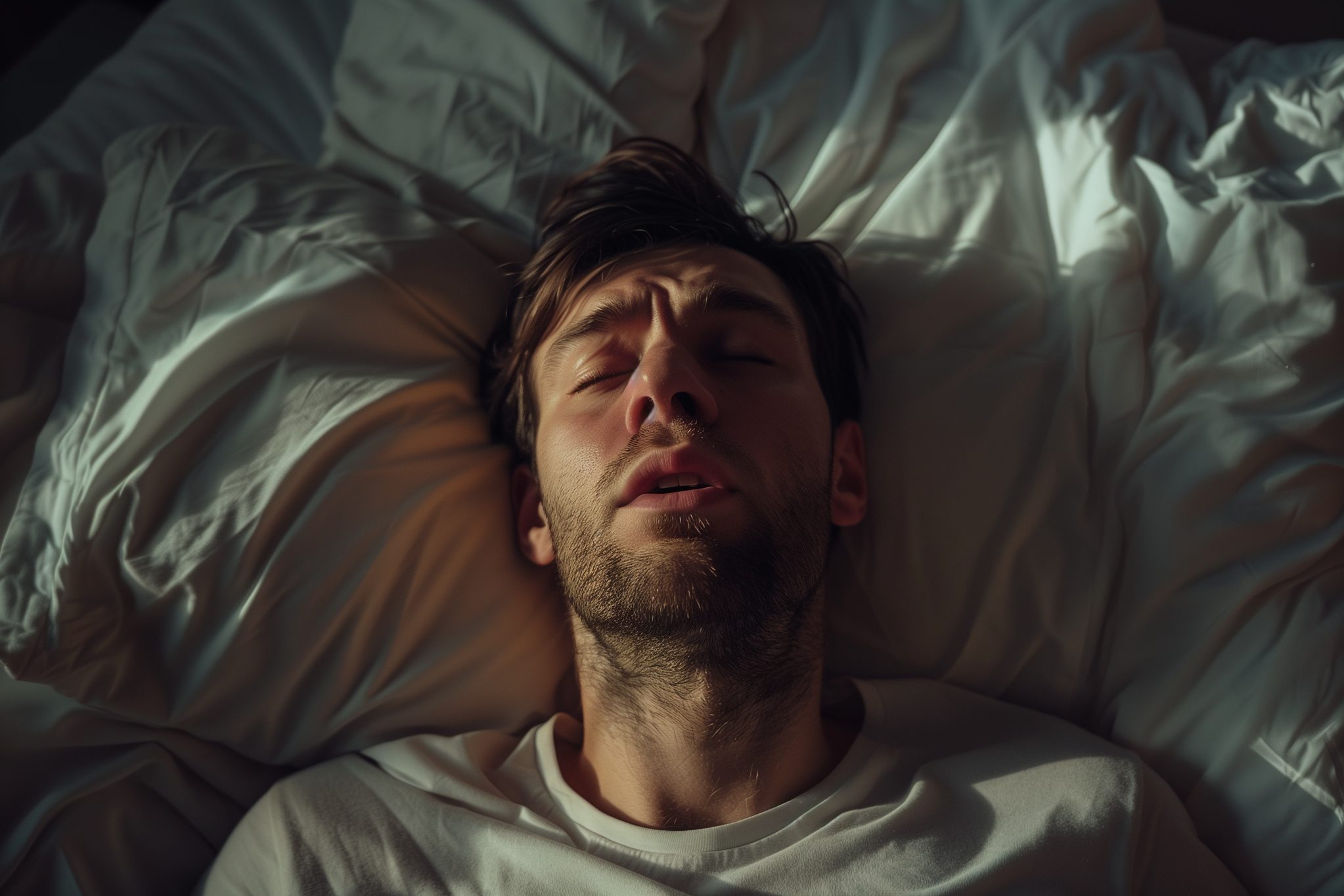
If stress-related sleep problems last more than a month or significantly impair daytime functioning, talk to a healthcare provider. Persistent insomnia, loud snoring, observed breathing pauses, or bruxism require evaluation. A sleep specialist can recommend therapies such as cognitive behavioral therapy for insomnia (CBT-I), which is highly effective for chronic sleep problems.
Useful resources and studies
Explore these trusted sources for deeper reading:
- APA: Stress in America™ report — stress interferes with sleep
- PMC: Research on sleep reactivity and insomnia
- Medical News Today: How stress affects sleep quality
- PMC 2023: Links between sleep, anxiety, and social outcomes
- PubMed 2025: Sleep bruxism and oxidative stress
Everyday fixes to break the loop
To recap: stress can cause sleep problems, and poor sleep can increase stress. But with a few consistent habits — better routines, stress tools, and environment tweaks — you can improve both. Try a small change tonight, like a 10-minute pre-sleep breathing practice, and build from there.
YouTube: The Link Between Sleep and Stress
Practical plan: 7-day reset
Try this one-week plan to reduce stress and restore sleep. Keep it simple and sustainable.
- Day 1: Set a fixed wake time and get 20 minutes of sunlight.
- Day 2: Move for 20–30 minutes during the day; avoid intense evening workouts.
- Day 3: Create a 30-minute bedtime wind-down without screens.
- Day 4: Practice 5–10 minutes of guided breathing before bed.
- Day 5: Limit caffeine and alcohol; note how you feel the next morning.
- Day 6: Do a 10-minute body-scan meditation in the evening.
- Day 7: Review progress and choose two habits to keep long-term.
Key takeaways
- Sleep and stress influence each other in a loop — fix one and you often help the other.
- Small, consistent habits beat dramatic, short-lived changes.
- If problems persist, seek medical or behavioral treatment — CBT-I and sleep evaluations work well.
Ready to sleep better and feel less stressed? Start with one simple step tonight: a consistent bedtime or 10 minutes of relaxation. Little wins add up fast.
Want more practical guides and science-backed tips? Explore other articles and resources at zenpulsehub.com and keep building healthier sleep and stress habits.
FAQ
Can stress cause insomnia?
Yes. Short-term stress often causes transient insomnia (difficulty falling or staying asleep). If stress is chronic, insomnia can become persistent. Behavioral treatments like CBT-I are effective for lasting insomnia.
How quickly can sleep improve after reducing stress?
Some people notice improvement within days after improving sleep routines and stress tools. For chronic issues, meaningful change often takes several weeks with consistent habits or therapy.
Are there biological tests for stress-related sleep problems?
There are no single blood tests for sleep-related stress, but providers may use sleep studies, questionnaires, and evaluations for conditions like sleep apnea or bruxism. Recent studies also explore biomarkers like oxidative stress markers in bruxism (PubMed).






