
Sleep Hygiene Elderly: Better Sleep Tips
Sleep hygiene elderly is a practical set of habits that can help older adults sleep better, feel more alert during the day, and protect long-term health. Whether you care for a parent, work in senior care, or want to plan for your future, simple changes to routines and the bedroom can make a big difference.
Why sleep hygiene matters for older adults
As people age, sleep often becomes lighter and more fragmented. Good sleep hygiene elderly practices help restore regular sleep patterns and reduce daytime drowsiness. Better sleep supports memory, mood, immune health, and reduces fall risk — all crucial for healthy aging.
Common sleep changes and causes in older adults
Understanding why sleep changes with age helps caregivers and seniors apply fixes that actually work. Typical causes include:
- Natural shifts in circadian rhythm — older adults often become sleepier earlier in the evening and wake earlier in the morning.
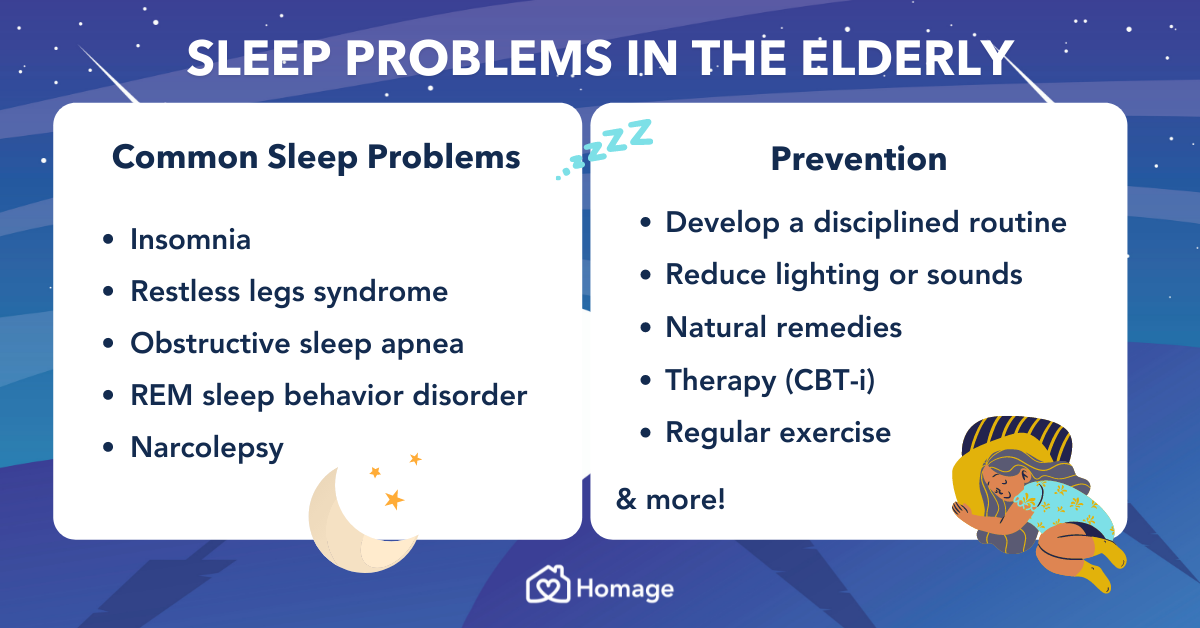
- Medical conditions and pain — arthritis, sleep apnea, restless legs, heart disease, or frequent urination can interrupt sleep.
- Medications — many prescriptions and over-the-counter drugs affect sleep quality.
- Lifestyle factors — irregular schedules, limited daylight exposure, and low physical activity.
- Mental health — anxiety and depression can cause insomnia and fragmented sleep.
Essential Sleep Hygiene Elderly Tips
Below are practical, research-backed habits you can introduce gradually. Aim to use at least a few consistently — small wins add up fast.
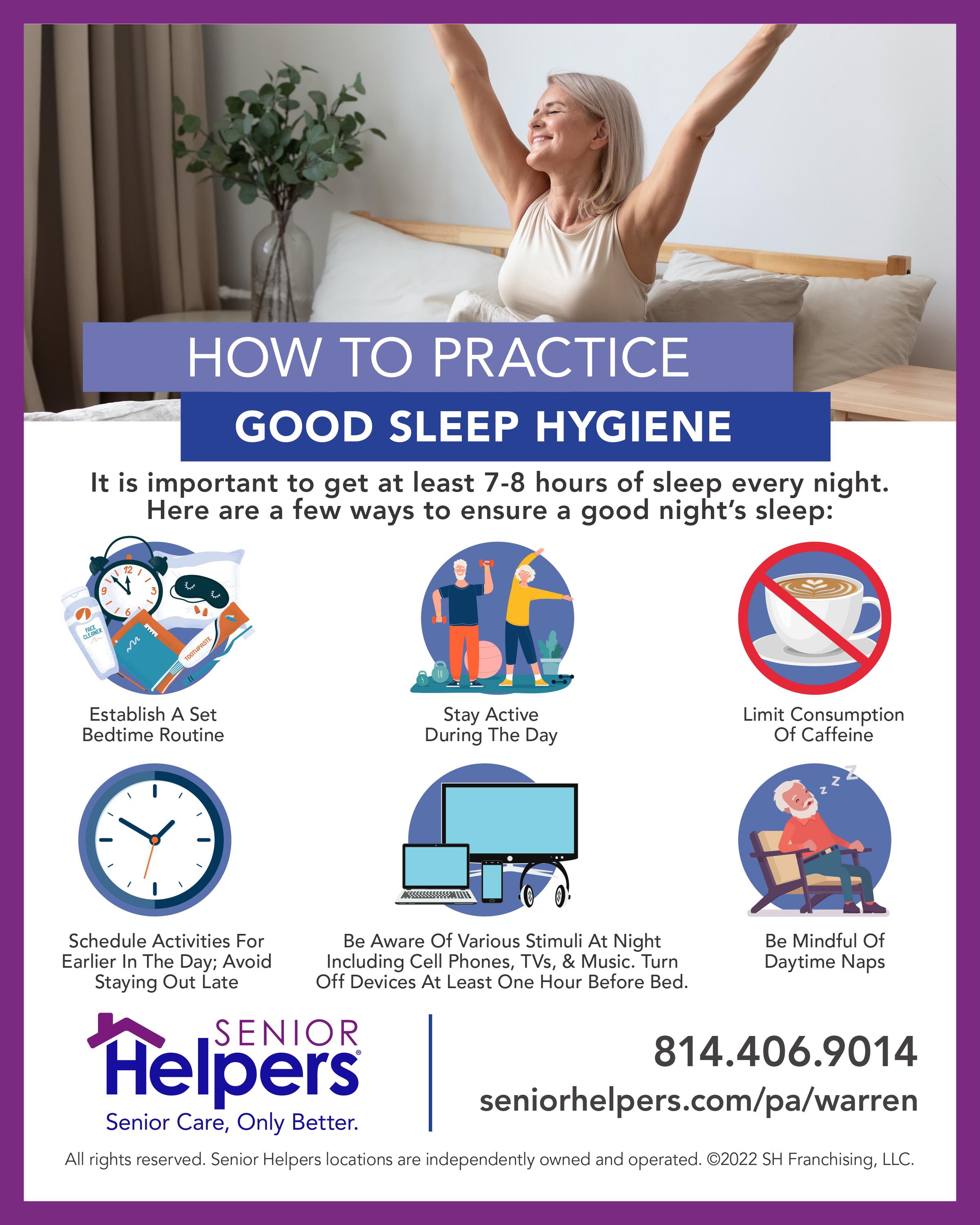
1. Stick to a consistent sleep schedule
Going to bed and waking up at the same time each day trains the body clock. The National Institute on Aging recommends following a regular schedule, even on weekends and when traveling, to support better sleep.
2. Optimize the sleep environment
Small environmental changes can improve sleep continuity:
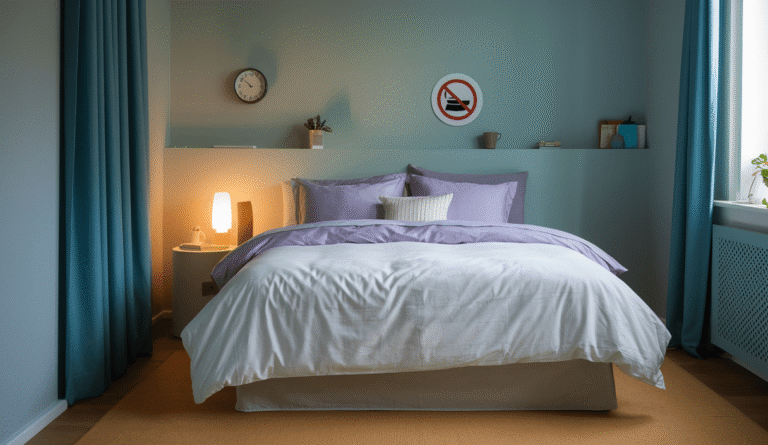
- Keep the bedroom cool, quiet, and dark.
- Use blackout curtains or an eye mask to block early morning light if needed.
- Invest in a comfortable mattress and pillows that reduce pain and support restful sleep.
3. Use light to your advantage
Daytime light exposure helps set the circadian rhythm. Bright light in the morning improves sleep quality, while dimming lights in the evening signals your body it’s time to wind down. For people with dementia or severe circadian disruption, bright light therapy has shown benefit in increasing sleep efficiency and total sleep time (study).

4. Move more during the day
Regular physical activity supports deeper sleep. Aim for daily movement that fits the person’s abilities — walking, chair exercises, or light strength work. Avoid vigorous exercise too close to bedtime.
5. Be mindful about naps
Naps can relieve daytime sleepiness, but long or late naps can disrupt nighttime sleep. Keep naps under 30 minutes and earlier in the afternoon to protect night sleep.
6. Watch what and when you eat and drink
Avoid heavy meals, caffeine, and alcohol close to bedtime. Some soothing beverages like chamomile tea, warm milk, or tart cherry juice may help some people fall asleep — discuss options with a doctor as needed (study on sleep hygiene education).
7. Review medications with a clinician
Many drugs — including some for blood pressure, asthma, and mental health — can affect sleep. Talk to a healthcare provider about timing, dosing, or alternatives if sleep problems persist.
8. Build a calming pre-sleep routine
Wind-down rituals signal the brain it’s time to sleep. Try gentle stretches, reading under dim light, a warm bath, or relaxation exercises. Limit stimulating screen time at least 60 minutes before bed.
When sleep problems need medical attention
Not all sleep challenges respond fully to hygiene changes. See a doctor if:
- Nighttime breathing pauses, loud snoring, or gasping occur (possible sleep apnea).
- Excessive daytime sleepiness affects daily function.
- Symptoms like restless legs, severe pain, or frequent night urination continue despite changes.
- Memory problems or sudden sleep pattern shifts arise.
Resources like the Sleep Foundation provide clear guidance on aging and sleep concerns.

Evidence and practical programs
Research shows sleep hygiene training reduces daytime sleepiness and improves sleep quality in older adults. A structured program often combines schedule regularity, light exposure, activity, and relaxation training — and it can be adapted for caregivers and loved ones (research summary).
For older adults with complex needs, localized and age-sensitive resources like the National Council on Aging’s sensible tips are practical and easy to apply.
Practical checklist: Start this week
Try this simple plan for seven days and track changes in energy and sleep:
- Set a consistent wake-up and bedtime — even on weekends.
- Get 20–30 minutes of natural light within an hour of waking.
- Limit daytime naps to 20–30 minutes and before 3 pm.
- Move for 20–30 minutes daily (walk, chair exercises, gardening).
- Create a 30–60 minute pre-sleep routine with dim lights and calm activities.
- Remove screens from the bedroom and avoid caffeine late afternoon/evening.

Helping a loved one
If you’re supporting an older family member, be patient and make small, reversible changes. Involve them in choices — a new lamp, a different pillow, or a short evening walk can feel empowering. Track improvements and celebrate nights with better sleep.
How other trusted sources recommend improving sleep
Several authoritative organizations recommend similar, practical steps. For example:
- The National Institute on Aging emphasizes regular schedules and bright days/dim evenings.
- The Sleep Foundation highlights the role of sleep hygiene and addressing medical causes.
- Clinical reviews show bright light therapy can help people with dementia and circadian disruption.
- Guides like the NCOA’s sensible tips make changes practical for caregivers.
Quick answers: Myths and facts
Myth: Older adults need much less sleep.
Fact: Sleep needs remain similar — most older adults still need 7–8 hours. The challenge is achieving that sleep without frequent awakenings.
Myth: Naps are always bad for night sleep.
Fact: Short, early naps can reduce daytime sleepiness without hurting nighttime sleep. Timing and length matter.
Final thoughts
Good sleep hygiene elderly strategies are simple, low-cost, and effective. They won’t fix every sleep problem, but they set the stage for better nights and brighter days. If sleep remains poor despite changes, a healthcare evaluation can uncover treatable causes and safe treatment options.
Want more reliable resources?
- Start with the NIA guide on sleep and older adults.
- Read evidence reviews on bright light and behavioral therapies at PMC.
- Check practical tips from the National Council on Aging and the Sleep Foundation.
Small, consistent steps toward better sleep can improve health and quality of life for older adults and caregivers alike.
Frequently Asked Questions
How many hours of sleep should older adults get?
Most older adults need about 7–8 hours of sleep each night. Individual needs vary, but regular, restorative sleep is the goal rather than a set number alone.
Can bright light therapy help seniors sleep better?
Yes. Studies show bright light therapy can increase sleep efficiency and total sleep time in people with circadian rhythm issues or dementia. Always discuss with a healthcare provider before starting therapy (source).
Are sleeping pills safe for older adults?
Sleeping medications carry higher risks for older adults, including falls and confusion. They may be appropriate short-term, but non-drug strategies and a medical review are preferred first steps.
What quick change can help the most?
Start with a consistent wake-up time and morning light exposure. This combo often improves sleep timing and daytime alertness quickly.
Ready to help someone sleep better? Explore more practical guides and tools at zenpulsehub.com and take the first step toward healthier, more restful nights.