

Sleep Hygiene Techniques for Better Rest
Sleep hygiene techniques are practical habits and bedroom tweaks that help you fall asleep faster and wake up refreshed. Whether you struggle with staying asleep, wake up groggy, or simply want more consistent rest, small daily changes can make a big difference.
Top Sleep Hygiene Techniques You Can Start Tonight
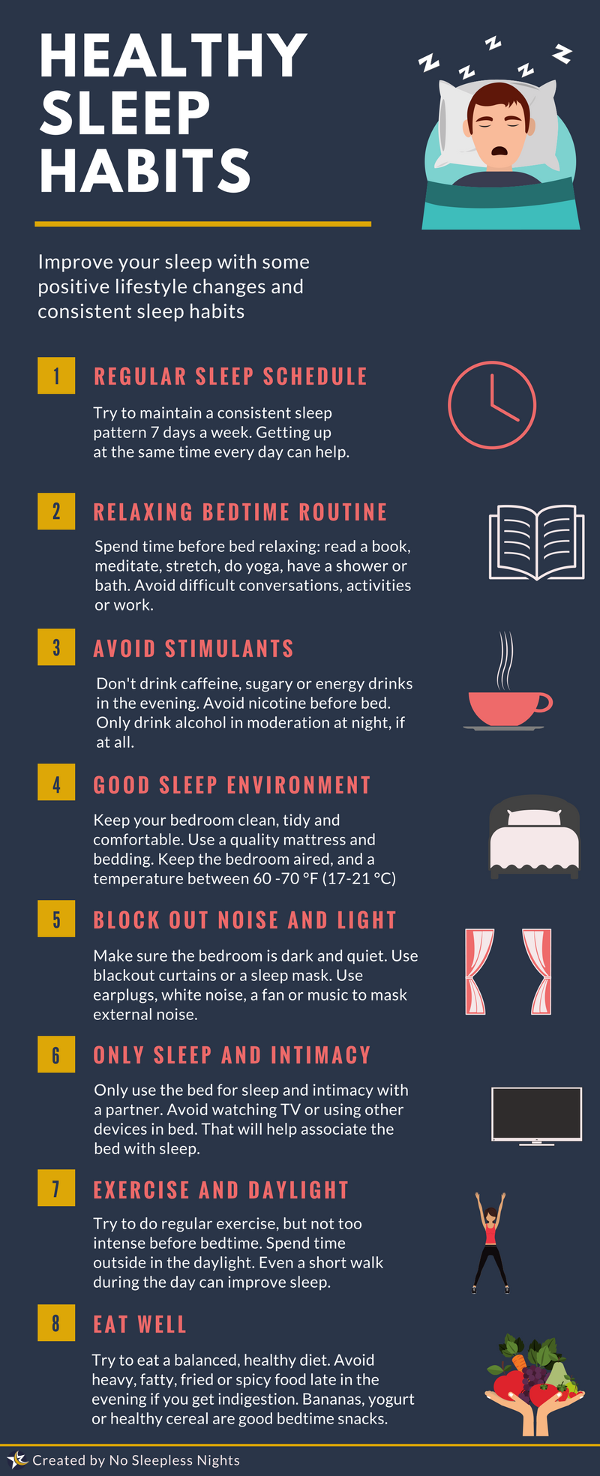
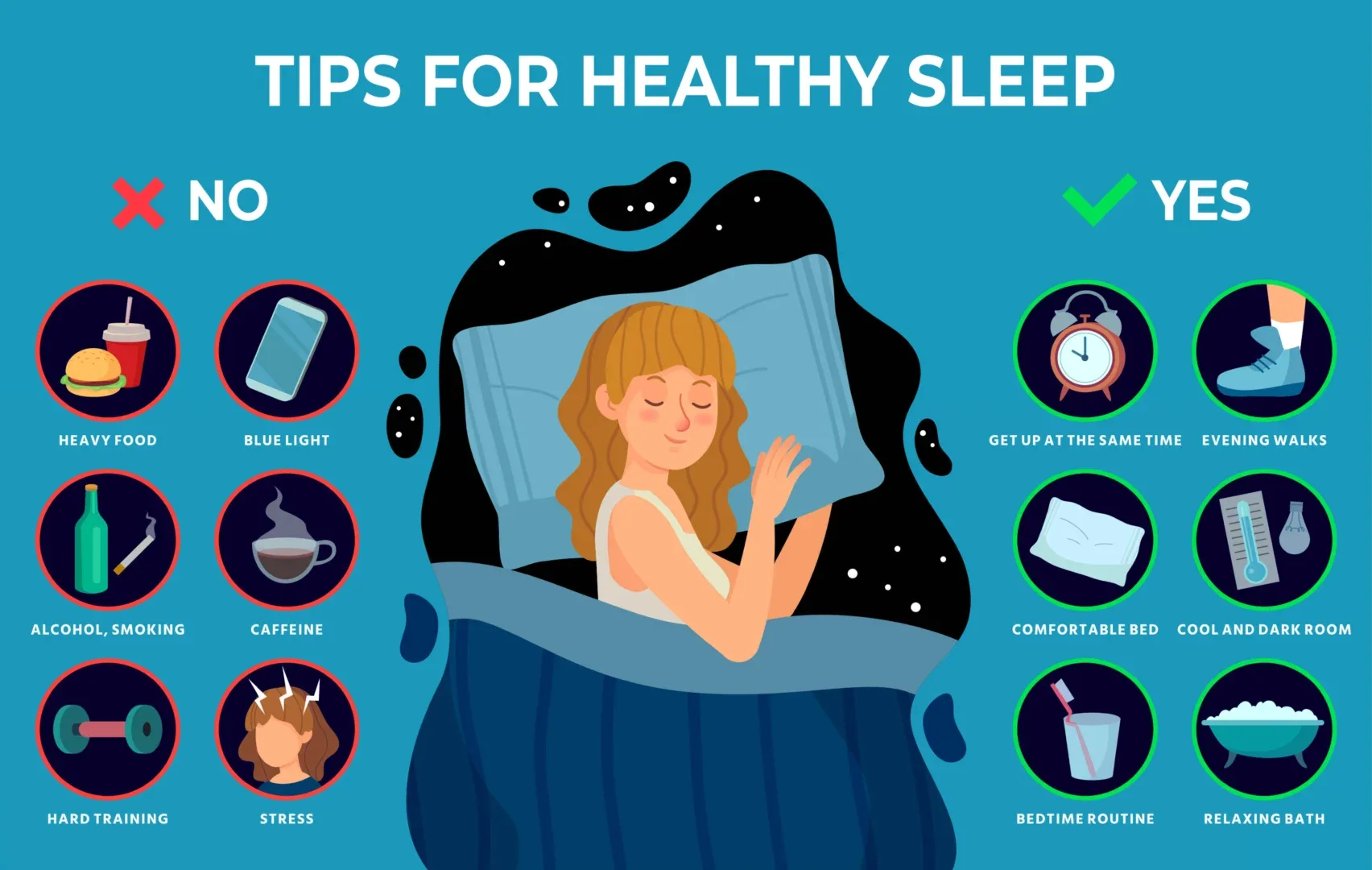
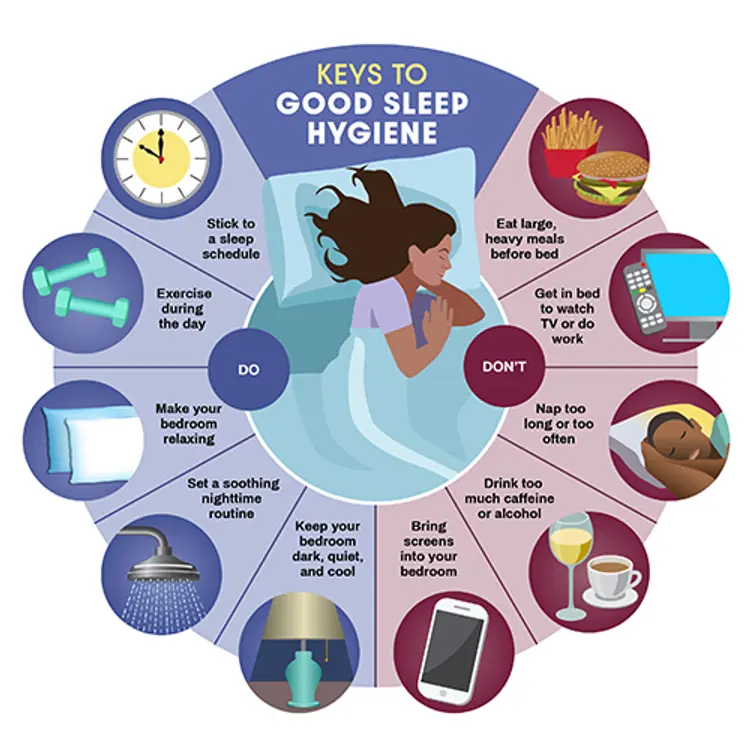
Good sleep hygiene is not one magic trick — it’s a set of habits. Try these evidence-backed techniques to help stabilize your sleep pattern and improve sleep quality.
1. Keep a consistent sleep schedule
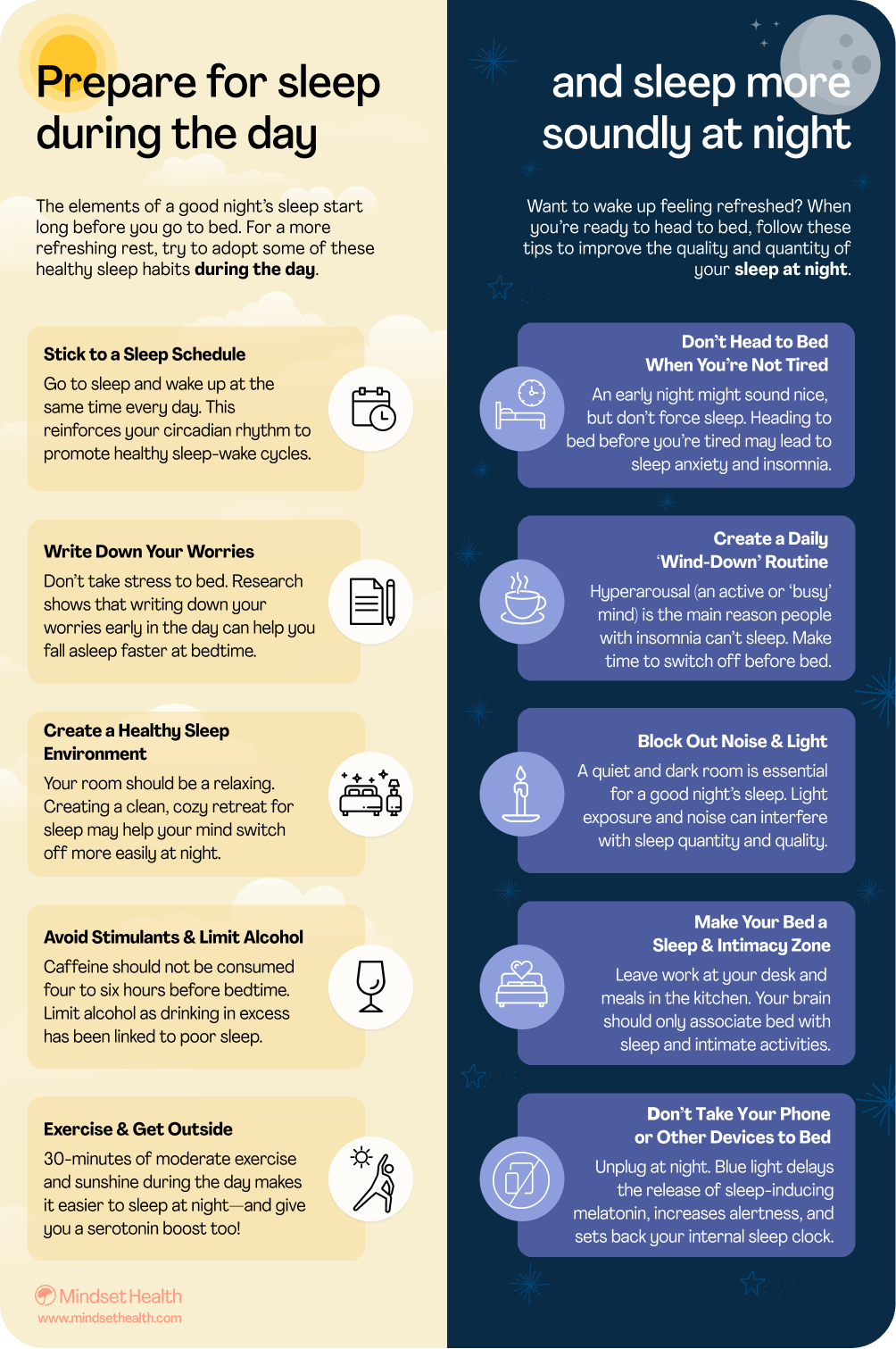
Go to bed and wake up at the same time every day, even on weekends. A consistent schedule trains your internal clock and helps you fall asleep faster. If you need guidance, check the practical schedule tips from the Sleep Foundation, which explains how routines support circadian rhythm.
2. Build a calming bedtime routine
Create a short pre-sleep ritual: dim lights, silence notifications, read a book, or try gentle stretches. The routine signals your brain that sleep is coming. Avoid stimulating screens for at least 30–60 minutes before bed.
3. Optimize your sleep environment
Your bedroom should be a sleep sanctuary. Aim for cool, dark, and quiet—use blackout curtains, earplugs or white noise, and a comfortable mattress. Harvard Health’s guide on creating a sleep sanctuary has practical suggestions on masking noise and minimizing light to improve rest (Harvard Health).
:max_bytes(150000):strip_icc()/what-is-sleep-hygiene-5085887-FINAL-831b8421e75249f0952fbf4efb0adda7.png)
4. Watch food, drink, and medication timing
Avoid heavy meals, alcohol, and large amounts of liquid close to bedtime. Limit caffeine after mid-afternoon. If you take sleep-impacting medications, talk with a clinician about timing or alternatives.
5. Get natural light and move during the day
Daytime sunlight and regular physical activity help regulate your circadian rhythm. Aim for morning light exposure and a mix of aerobic and strength activity. Even a 20–30 minute walk can help anchor your internal clock.
Daily Routines That Support Sleep Hygiene Techniques
True improvements come from combining bedroom tweaks with daytime habits. These simple daily practices make sleep hygiene techniques more effective.
- Morning routine: Expose yourself to bright light within an hour of waking to reinforce wake time.
- Consistent meals: Eat at similar times each day to stabilize rhythm.
- Limit naps: Keep naps to 20–30 minutes and before late afternoon.
- Wind-down window: Reserve the 30–60 minutes before bed for low-stimulation activities.
How long until you see results?
Most people notice modest improvements in a week to two weeks. For stronger change, maintain the habits for a month. If insomnia persists, professional approaches such as cognitive behavioral therapy for insomnia (CBT-I) can be more effective than sleep hygiene alone — see the clinical guidance from WA’s CCI (Western Australia).
Practical Steps: A 7-Day Starter Plan
Try this focused week to put sleep hygiene techniques into practice. The plan is small, realistic, and designed for consistency.
- Day 1: Set your target sleep and wake times — stick to them.
- Day 2: Create a 30-minute wind-down routine (no screens, dim lights).
- Day 3: Make your bedroom darker and quieter — test blackout curtains or earplugs.
- Day 4: Limit caffeine and late meals; no booze within 3–4 hours of bed.
- Day 5: Add morning light exposure for 10–20 minutes.
- Day 6: Add a short evening relaxation (stretching, deep breathing, or journaling).
- Day 7: Review what helped and keep the habits that improved your sleep.
Tools and Techniques for the Bedroom
Small changes in the bedroom can have outsized effects:
- Temperature: Keep the room cool (around 60–67°F / 15–19°C).
- Noise control: Use earplugs or white noise to mask unpredictable sounds.
- Light control: Remove digital clocks’ glow, use blackout shades, and avoid blue-light devices.
- Comfort: Replace old mattresses and pillows when they no longer support restful sleep.
Common Problems and How Sleep Hygiene Techniques Help
Shift work and irregular schedules
Shift workers can use strategic light exposure and naps to reduce sleep disruption. When schedules are inconsistent, aim for consistent pre-sleep rituals to cue relaxation.
Insomnia and racing thoughts
Sleep hygiene techniques help, but persistent insomnia often needs structured therapy. The NHS recommends combining relaxation, mindfulness, and a stable routine for improved sleep (NHS Every Mind Matters).
Stress, anxiety, and mental health
Relaxation practices — deep breathing, progressive muscle relaxation, or brief meditation — reduce physiological arousal before bed. If stress affects sleep significantly, consult a healthcare professional for tailored strategies.
When to Seek Help
If you follow sleep hygiene techniques consistently for several weeks but still have trouble sleeping, seek professional guidance. Persistent insomnia or signs of a sleep disorder (loud snoring, gasping, excessive daytime sleepiness) merit evaluation. Healthline provides a clear list of practical tips and when to consult a clinician (Healthline).
Helpful Resources
For further reading and practical handouts, try these trusted sources:
- Harvard Health — sleep sanctuary and mattress guidance.
- Sleep Foundation — how to practice good sleep hygiene and daily habits.
- CCI (WA) PDF — clinical sheet on sleep hygiene in insomnia treatment.
- NHS — routines and mindfulness for better sleep.
- Healthline — concise list of tips and recommendations.
Watch: Short Guide to Better Sleep
This short video walks through quick sleep hygiene techniques and bedtime routines you can try tonight.
Final Notes and Quick Checklist
To recap, focus on consistency, environment, and daily habits. Here’s a quick checklist you can use tonight:
- Set a fixed bedtime and wake time.
- Create a 30–60 minute wind-down routine.
- Keep your bedroom cool, dark, and quiet.
- Limit caffeine, alcohol, and big meals near bedtime.
- Get sunlight early and move during the day.
Adopting these sleep hygiene techniques consistently gives your body the cues it needs to build lasting, refreshing sleep. Start small, stay consistent, and adjust what works for your life.
Ready for more? Explore more guides and step-by-step plans at zenpulsehub.com to keep improving your sleep one night at a time.
Frequently Asked Questions
What are sleep hygiene techniques?
Sleep hygiene techniques are simple, everyday habits and environmental changes—like consistent bedtimes, a dark bedroom, and limiting caffeine—that support better sleep quality.
How long before I notice improvement?
Many people see small improvements within 1–2 weeks; larger changes often appear after 3–4 weeks of consistent practice. If problems continue, consider professional help.
Can sleep hygiene techniques cure insomnia?
They can help mild insomnia, but chronic insomnia often requires structured treatments like cognitive behavioral therapy for insomnia (CBT-I). Use hygiene techniques as the foundation and consult a clinician if needed.
Are naps bad for sleep at night?
Short naps (20–30 minutes) can be refreshing, but long or late-afternoon naps may make it harder to fall asleep at night. If you struggle with nighttime sleep, limit naps or remove them temporarily.






