4 AM cortisol spike: Why you wake at night
4 AM cortisol spike is a common reason people suddenly wake up in the early morning. If you’ve ever glanced at the clock around 3–5 a.m. and wondered why your body felt alert, the answer may be a short, sharp rise in cortisol — the body’s stress and wakefulness hormone. This post breaks down what that spike means, why it happens, and practical steps to reduce night awakenings.
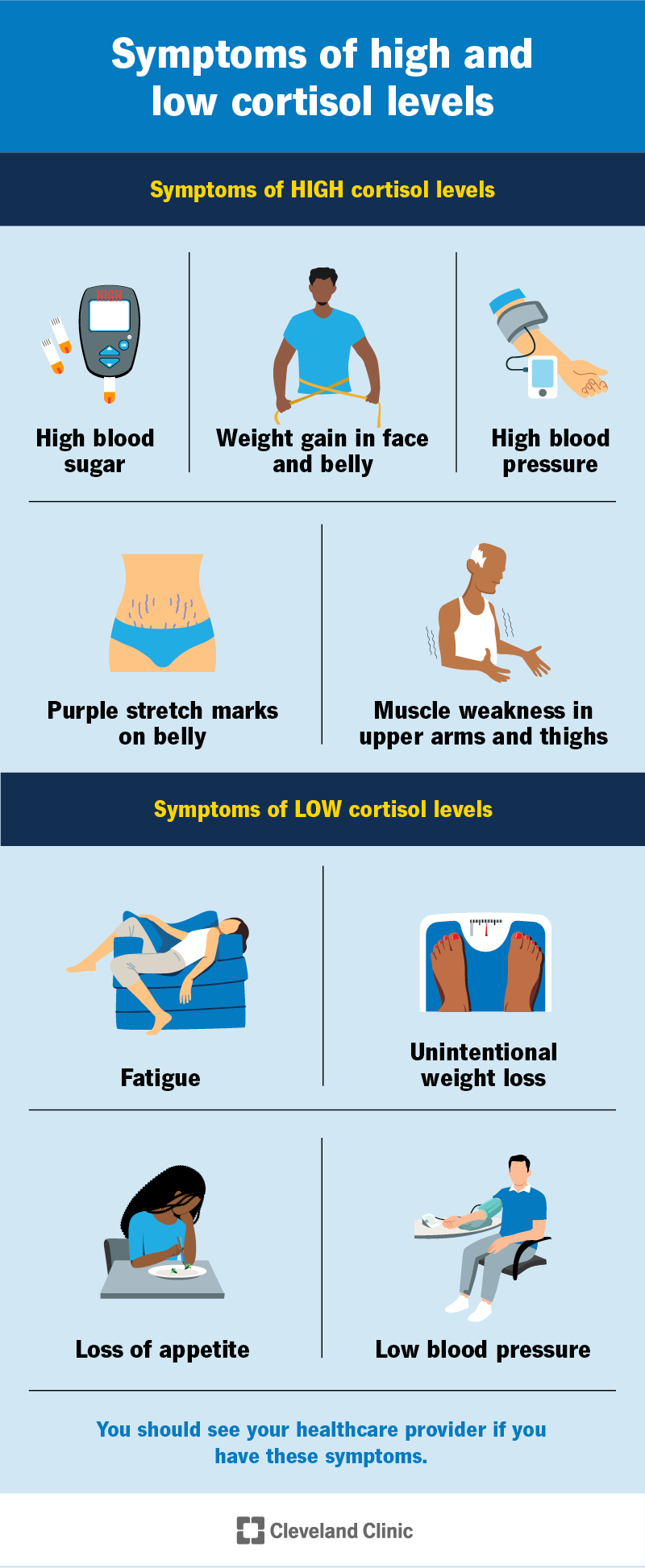
What is the 4 AM cortisol spike?
The 4 AM cortisol spike refers to a rise in cortisol that many people experience in the very early morning. Cortisol follows a daily rhythm called the circadian cortisol curve. Normally, levels fall during the night and begin to climb in the last hours of sleep, peaking shortly after waking. That early-morning rise helps you get up ready for the day — but when timing or levels are off, you can wake up in the middle of the night.
Quick facts about cortisol
- Produced by the adrenal glands: Cortisol helps control metabolism, inflammation, and the sleep–wake cycle.
- Cortisol Awakening Response (CAR): A normal early-morning surge that helps you wake up (see further reading from Rise Science).
- Timing matters: A shift in the curve can cause wakes at 2–5 a.m.

Why do people wake at 4 AM? (Causes of the spike)
Waking at 4 a.m. is usually a sign that the body’s hormonal and nervous systems are nudging you awake. Common drivers include:
- Stress and anxiety: Higher baseline cortisol at night makes the early rise stronger. People with chronic stress, anxiety, or PTSD often report waking at 2–4 a.m. (see PTSD and cortisol research).
- Poor sleep habits: Irregular sleep times, late-night screens, or stimulants push circadian rhythm out of sync.
- Late eating or blood sugar dips: Overnight low blood sugar can trigger cortisol release to raise glucose.
- Age and lifestyle: As we age or when we sleep lightly, cortisol patterns can shift earlier.
For people with trauma-related sleep disruption, specialized resources discuss how cortisol can spike at night and cause awakenings — a useful reference is the PTS-UK guide on sleep and cortisol (PTSD & sleep effects).
How common is waking at 4 AM?
It’s common — many sleep forums show people describing regular wakes around 3–4 a.m. (anecdotally discussed in communities like Reddit). For some, it’s occasional; for others, it’s a nightly pattern tied to hormones and stress.
Observational and clinical studies also tie the cortisol rhythm to sleep quality and memory consolidation, showing measurable effects on daytime function (research on cortisol and sleep).
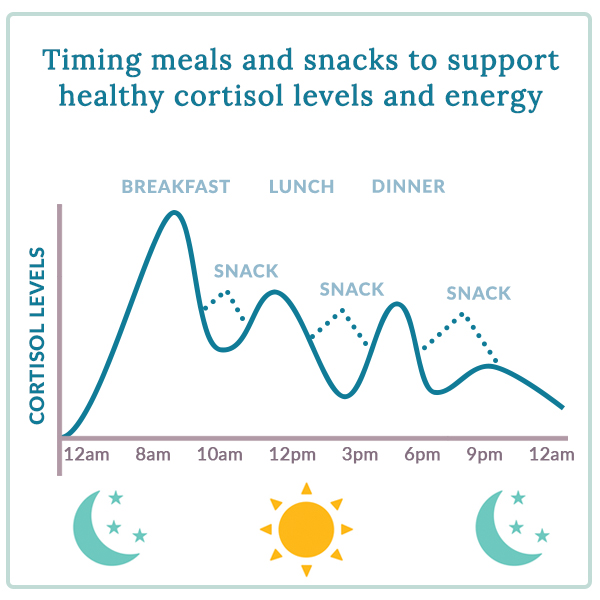
How cortisol normally behaves (the curve)
Cortisol follows a curve across the day. It’s low in the late evening, dips during deep sleep, then rises in the pre-dawn hours. This early rise — the Cortisol Awakening Response — helps with alertness. If this rise happens too early or too high, it can cause that 4 a.m. wake.
ExperienceLife explains how lifestyle changes can shift the morning curve, and why small habits — like skipping late coffee — actually matter to morning cortisol levels (The cortisol curve).
Biological reasons the spike moves earlier
- Shift in circadian rhythm: Jet lag, shift work, or inconsistent bedtimes.
- Elevated nighttime cortisol: From chronic stress or sleep disorders.
- Blood sugar regulation: The body may raise cortisol to stabilize glucose.
Practical steps to reduce a 4 AM cortisol spike
If early-morning wakes are disrupting you, try these evidence-backed steps. They aim to lower evening cortisol and strengthen sleep architecture so the early rise happens closer to your planned wake time.
Evening and bedtime habits
- Wind down 60–90 minutes before bed: Dim lights, avoid screens, and choose calm activities like reading or gentle stretching.
- Cut stimulants early: Avoid caffeine after mid-afternoon which can push cortisol patterns later and fragment sleep.
- Keep meals consistent: Avoid heavy meals or large amounts of sugar late at night to prevent blood sugar dips that trigger cortisol.
Morning and daytime habits
- Get bright light in the morning: Sunlight helps set your circadian clock and keeps the cortisol rise aligned to your wake time.
- Regular schedule: Go to bed and wake up at consistent times every day — this stabilizes the cortisol curve.
Relaxation tactics to lower nighttime cortisol
- Slow breathing or 4-7-8 technique: Helps calm the nervous system in 2–10 minutes.
- Mindful journaling: Spend 5 minutes listing tomorrow’s tasks to reduce anticipatory stress.
- Gentle movement: A short evening walk or restorative yoga can lower stress markers.
When to see a clinician
If you regularly wake at 4 a.m. and feel anxious, exhausted, or have daytime memory problems, consult your health provider. They can screen for sleep disorders, hormonal imbalances, or mental health issues. Research shows that disrupted cortisol and sleep can affect memory and daytime function (see study).
Diet, supplements, and small experiments
Diet can influence overnight cortisol. A light protein-rich snack before bed can prevent low blood sugar, while heavy carbs may disrupt sleep for some people. Women’s Health Network discusses diet strategies that support adrenal and sleep health.
If you try supplements, do so cautiously and under clinician guidance. Some people find magnesium or low-dose melatonin helpful; others prefer adaptogens, but evidence varies. Small lifestyle changes often produce the biggest wins.

How to track and test what works
Keep things simple: pick one habit (consistent bedtime, screen curfew, or morning light) and try it for two weeks. Track sleep using a journal or app and note changes.
- Sleep journal: Bedtime, wake time, nighttime awakenings, mood next day.
- Experiment length: Give each change 10–14 days to see real effects.
- When to test hormones: If lifestyle changes don’t help, a clinician might order tests to check cortisol rhythm and other hormones.
Helpful resources and further reading
- Rise Science — cortisol and sleep: Explains the Cortisol Awakening Response and timing.
- PTSD & sleep effects: How trauma-related stress can shift nighttime cortisol.
- ExperienceLife — cortisol curve: Practical suggestions on shifting the curve with lifestyle.
- PMC research on cortisol and memory: Science linking cortisol, sleep, and cognition.
Watch: Short explainer
When early wakes are a signal, not just noise
Occasional early wake-ups are normal. But chronic or intense awakenings tied to anxiety, pain, or daytime impairment deserve attention. If you notice persistent patterns, tracking and a visit to a sleep clinician or primary care provider can help you get targeted help.
Managing the 4 AM cortisol spike: final checklist
Use this quick checklist to start reducing early morning cortisol-related wakes:
- Set a consistent sleep schedule and stick to it even on weekends.
- Start a 60-minute wind-down routine before bed.
- Limit late caffeine and heavy late meals.
- Get morning sunlight to anchor cortisol timing.
- Try relaxation techniques for 5–10 minutes before sleep.
Remember: the 4 AM cortisol spike can be adjusted with consistent habits. You don’t have to accept middle-of-the-night awakenings as permanent.
Frequently Asked Questions
Why do I feel wide awake at 4 AM?
Many people wake around 4 a.m. because cortisol — your body’s wakefulness hormone — rises in the pre-dawn hours. If your cortisol rhythm shifts earlier or you have elevated nighttime cortisol (from stress, low blood sugar, or sleep disruption), you can become alert before your planned wake time.
Is a 4 AM wake harmful?
Occasional wakes are normal. Frequent early-morning awakenings that disrupt sleep quality and daytime function are worth addressing. They can affect mood, memory, and energy. If it’s chronic, consult a clinician to check for stress, sleep disorders, or hormonal issues.
Can diet or supplements stop early cortisol spikes?
Small changes like avoiding late heavy meals, a light bedtime snack to prevent blood sugar dips, and ensuring adequate magnesium can help. Use supplements cautiously and under a clinician’s advice. Lifestyle changes usually have the biggest effect.
How long does it take to change the spike?
Give habits 10–14 days to show changes, and try one strategy at a time. If lifestyle steps don’t help after a few weeks, ask a provider about testing or targeted therapies.
Ready for better sleep? Start with one simple habit tonight: dim lights and a short breathing exercise 60 minutes before bed. Then explore more guides on zenpulsehub.com to build a calmer, more consistent sleep routine.