Benefits of Evening Digital Detox: Sleep & Calm
Evening Digital Detox is a simple habit that can help you sleep better, lower stress, and improve focus. If you regularly scroll, stream, or check messages at night, switching off devices for a few hours before bed can make a big difference. This guide explains the benefits, the science, and easy steps to build a screen-free evening routine.
Why choose an evening digital detox?
The evening is a powerful time to reset. An Evening Digital Detox means stepping away from screens—phones, tablets, TVs, and laptops—during the hours before sleep. The goal is not total avoidance of technology, but a thoughtful pause to protect your rest, mood, and relationships.
What you gain
- Improved sleep: Less blue light and fewer stimulating notifications help your body wind down.
- Lower stress: Reducing late-night news, social media doomscrolling, or work emails reduces evening anxiety.
- Better focus: Quiet evenings improve memory consolidation and creative thinking.
- Stronger relationships: More face-to-face time with family or a partner without distractions.
These benefits are backed by clinicians and wellness experts. For example, the Cleveland Clinic explains how a digital detox can improve sleep and overall wellbeing, while outlets like Verywell Mind offer practical stories and reasons to unplug. See their guides for further reading: Cleveland Clinic on digital detox and Verywell Mind: I tried a digital detox.
:max_bytes(150000):strip_icc()/why-and-how-to-do-a-digital-detox-4771321-FINAL-d129381fa4524c5db792951fd9b987d2.png)
How an evening digital detox improves sleep and mood
Evening screen use can disrupt your circadian rhythm via blue light and late stimulation. A short period without screens lets your body increase melatonin naturally and signals that it’s time to rest. **Studies and health guides** commonly recommend reducing evening screens to help with falling asleep and staying asleep. WebMD and other trusted sources offer tips for tracking usage and building healthier habits (WebMD: What is a digital detox).
Quick science notes
- Blue light from screens reduces melatonin secretion and can push sleep onset later.
- Interactive or emotional content increases physiological arousal, making relaxation harder.
- Notifications and checking habits fragment sleep and increase nighttime anxiety.

Practical benefits beyond sleep
An Evening Digital Detox offers several everyday wins that make life calmer and more productive:
- More time: Replace endless scrolling with hobbies, cooking, reading, or talking.
- Better digestion and movement: Evening walks or light stretches replace hours sitting and may improve digestion.
- Improved creativity: Quiet, screen-free time lets your mind wander and form new ideas.
- Reduced comparison: Less social media means fewer triggers for comparison and lower mood dips.
How to start: an easy evening detox plan
Start small: even one hour of screen-free time before bed can help. Here’s a gentle, realistic plan you can try tonight.
7-step beginner routine
- Pick a start time: choose a time 60–120 minutes before bed to stop screens.
- Set a soft reminder: use an alarm or a calendar note earlier in the day so you’re not making the decision at the last minute.
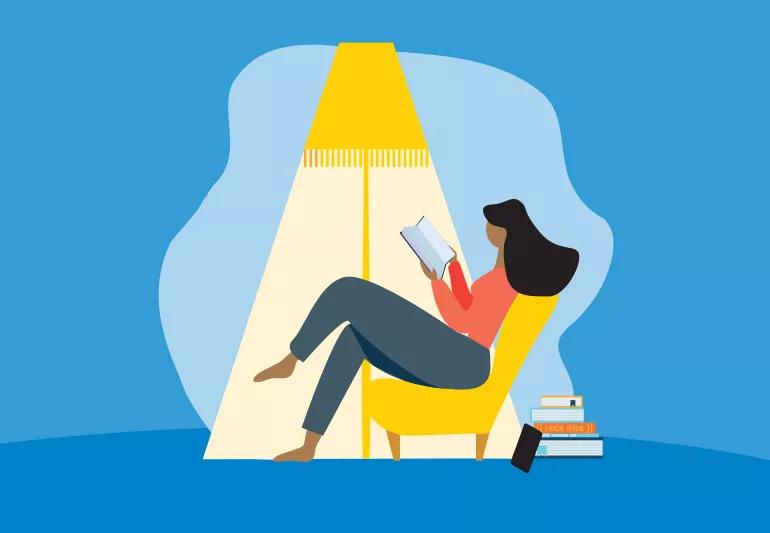
- Create a wind-down ritual: light, non-digital activities like reading a paper book, journaling, stretching, or a warm shower.
- Move devices out of reach: charge your phone in another room or in a basket away from the bed.
- Choose low-light options: dim lamps or warm bulbs to support melatonin release.
- Replace TV bingeing with one curated show: make it a post-detox treat earlier in the evening rather than right before bed.
- Track progress: note how you sleep and feel in a simple log for a week.
For more practical strategies and worksheets, the Lifeline toolkit provides step-by-step instructions on how to do a digital detox and how to notice benefits and barriers (Lifeline toolkit).
Tools and tech to support your detox
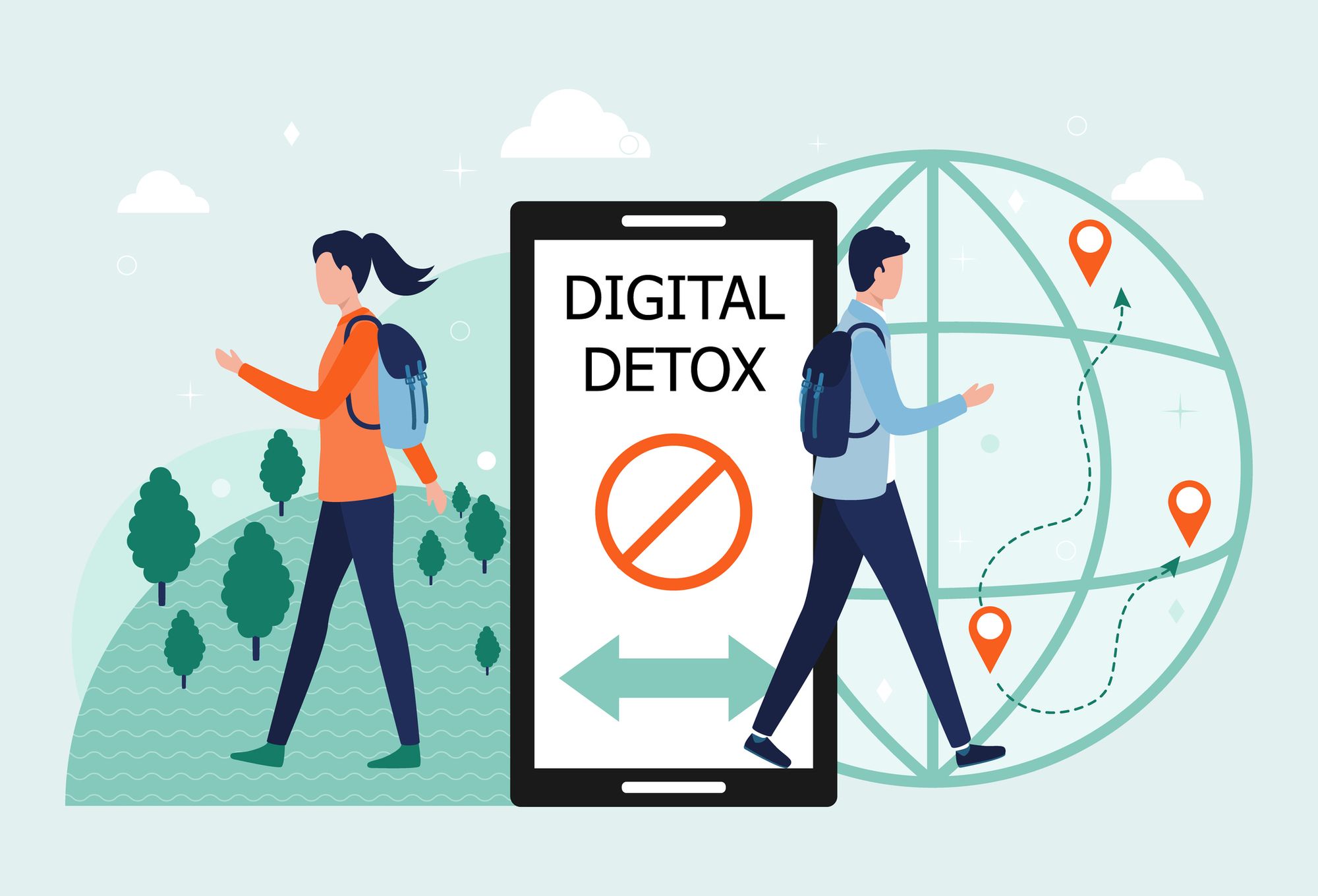
You don’t need to quit technology forever. Use tech to help you unplug:
- Focus or downtime modes: Use Do Not Disturb or scheduled focus modes on your phone to limit alerts.
- Screen-time reports: Track usage to spot habits you want to change.
- App limits: Set limits for specific apps (social media, news) during evening hours.
- Analog replacements: Keep a bedside book, pen, or puzzle to replace the default to reach for your phone.
When a stricter detox helps
Some people benefit from a weekend or multi-day digital detox—especially if you feel burned out, anxious, or overwhelmed by constant connection. Nuffield Health notes that many start a detox on a Friday afternoon to reset before the workweek (Nuffield Health guide).
Real-life tips from people who tried it
Personal stories often show how small changes add up. One reporter’s account on Verywell Mind shares the sleep and mood improvements they experienced after committing to regular digital-free periods. If you find yourself checking your phone often at night or feeling anxious, you could benefit from a detox too (Verywell Mind: I tried it).
Video: Evening Digital Detox Guide
Overcoming common barriers
Starting a new habit feels hard at first. Here are common obstacles and how to beat them.
“I use my phone as an alarm”
Use a simple alarm clock or set your phone to airplane mode and place it away from the bed.
“I need to catch up on news or shows”
Schedule a short, defined time earlier in the evening to watch or read. Avoid feeding a habit of endless scrolling.
“I feel FOMO (fear of missing out)”
Try a gradual approach: one screen-free hour builds confidence, then increase time as you notice benefits.
When to seek professional help
An Evening Digital Detox can help with sleep and anxiety for many people. But if you have chronic insomnia, severe anxiety, or mood issues, consult a healthcare professional. Online resources like Lifeline and WebMD provide guidance on next steps and when to get help (Lifeline toolkit, WebMD).
Sample 7-day evening detox challenge
Try this friendly challenge and note changes in your sleep and mood.
- Day 1: One hour screen-free before bed.
- Day 2: Add a 10-minute evening walk.
- Day 3: Replace social media with reading for 30 minutes.
- Day 4: Try a tech-free dinner with a friend or housemate.
- Day 5: Keep devices out of the bedroom overnight.
- Day 6: Meditate or journal for 10 minutes before sleep.
- Day 7: Reflect—note improvements and set a sustainable plan.
Tips for staying consistent
Small wins lead to habits. Keep these tips in mind:
- Make the detox a shared activity—partner, housemate, or friend.
- Reward consistency (a favorite tea, book, or hobby time).
- Track sleep quality and mood across the week to see progress.
- Adjust expectations—consistency matters more than perfection.
Resources and further reading
Want more trusted reading? Here are links used in this article:
- Verywell Mind: first-person digital detox story — good for practical experience and motivation.
- Cleveland Clinic: Why to do a digital detox — medical perspective on sleep and wellbeing.
- Lifeline toolkit — step-by-step how-to guidance and worksheets.
- Nuffield Health: digital detox tips — ideas for weekend detoxes and planning.
- WebMD: benefits of a digital detox — tracking and practical suggestions.
Final thoughts
An Evening Digital Detox is an approachable way to reclaim calm, improve sleep, and sharpen focus. It doesn’t require drastic change—just intention and small, repeatable steps. Start with one hour tonight and build from there.
Ready to try it? Turn off your screen an hour before bed tonight and notice the difference tomorrow.
Explore more guides and practical wellness tips at zenpulsehub.com—your path to calmer evenings starts here.
How long should my evening digital detox be?
Start with 60 minutes before bed. If that feels doable, increase to 90–120 minutes. Even short breaks help, and consistency matters more than length.
Will an evening detox improve my sleep right away?
Many people notice improved sleep within a few nights, especially if they remove bright screens and late notifications. For some, benefits build over 1–2 weeks.
Can I still watch TV in the evening?
Yes—watch earlier in the evening and avoid stimulating shows right before bed. Prefer calm, low-arousal content if you watch closer to sleep time.
What if I rely on my phone for work?
Set clear boundaries: finish active work earlier, use scheduled Do Not Disturb, and discuss availability expectations with colleagues to protect your evening wind-down.