
How to Improve Sleep Without Gadgets
How to Improve Sleep Without Gadgets is a question many of us ask after late nights scrolling or tinkering with sleep tech. This guide gives simple, proven steps you can use tonight to sleep better — without relying on devices or apps. You’ll get easy routines, environment tips, and small habit changes that add up to deeper, more refreshing rest.

Why choose to improve sleep without gadgets?
Many sleep gadgets promise big gains, but they can also create new problems: extra costs, notifications, and more screen time. Choosing to improve sleep without gadgets helps you build lasting habits that don’t depend on batteries or updates. Plus, the science shows that reducing technology in the bedroom often improves sleep quality — see the Sleep Foundation’s overview of how electronics affect sleep for more on this topic (SleepFoundation.org).
Real benefits you can expect
- Faster time to fall asleep
- Fewer nighttime awakenings
- Feeling more rested on waking
- Lower dependency on external trackers or alarms
Simple evening routine to improve sleep without gadgets
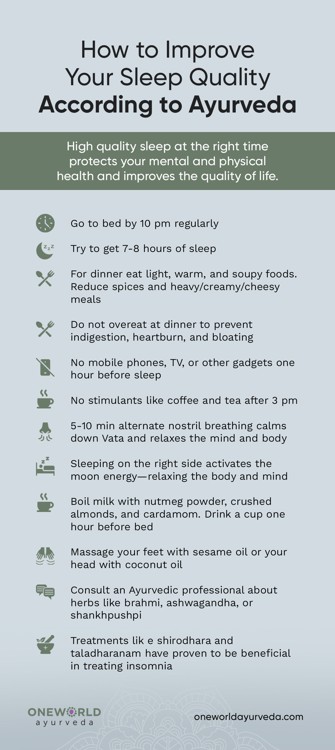
Creating a short, consistent evening routine signals your body that it’s time to wind down. Aim for 30–60 minutes of tech-free time before bed. Here’s a practical routine that works for busy people:
A 30–60 minute, gadget-free wind-down
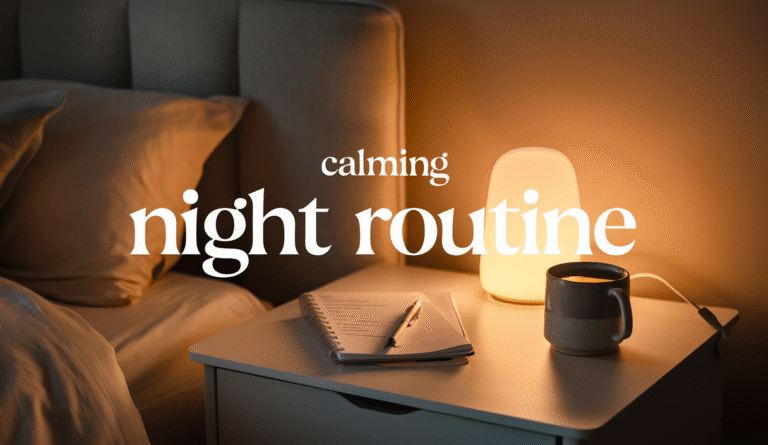
- Dim the lights: Lower overhead lights and switch to a lamp or warm bulbs.
- Hydrate sensibly: Sip water or herbal tea, but avoid large drinks right before bed.
- Do a brief movement: 10 minutes of gentle stretching or yoga eases tension.
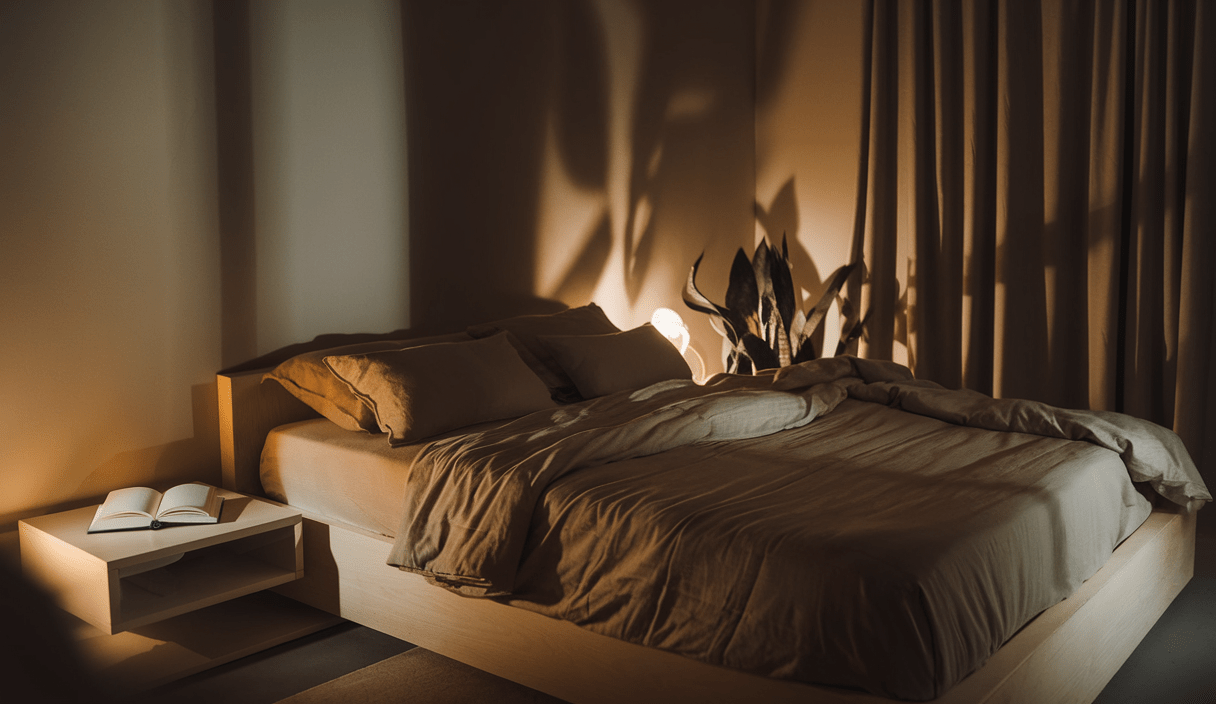
- Read on paper: Choose a relaxing book or magazine (see the image below on reading before bed).
- Write a quick brain-dump: Spend 5 minutes listing tomorrow’s tasks to reduce worry.
- Practice breathing: Try 4-4-8 breathing (inhale 4, hold 4, exhale 8) for two to five minutes.

Bedroom setup: optimize without gadgets
Your bedroom should support sleep naturally. Small, inexpensive changes often beat expensive tech.
Key, gadget-free bedroom tips
- Darkness: Use blackout curtains or an eye mask to keep light out.
- Quiet: Use earplugs or white noise from a fan — no smart devices needed.
- Temperature: Keep the room cool (around 60–68°F / 15–20°C).
- Comfort: Invest in bedding that suits your sleep style; a good pillow and mattress are worth it.
- Declutter: Keep work and screens out of the sleeping area to reduce stress cues.
If you’re curious about how bedroom technology can help or hurt, the Sleep Foundation also covers technology in the bedroom and how it affects sleep routines (SleepFoundation.org – Technology in the Bedroom).
Daily habits that strengthen sleep — no technology required
Good daytime habits make it easier to sleep without gadgets at night. Here are simple, science-backed practices you can start now.
Morning and daytime
- Get sunlight early: 10–20 minutes in the morning helps set your circadian rhythm.
- Limit long naps: Keep naps under 30 minutes and avoid late afternoon naps.
- Stay active: Regular movement improves sleep depth and reduces insomnia risk.
- Watch caffeine: Avoid caffeine after early afternoon.
Evening
- Finish heavy exercise earlier: Aim to complete intense workouts at least 2–3 hours before bed.
- Choose light evening meals: Avoid heavy, spicy meals close to bedtime.
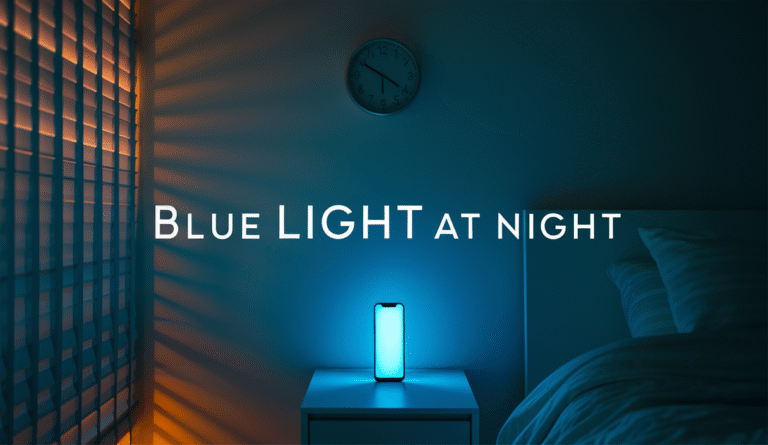
- Avoid bright screens: Try to power down devices at least 30–60 minutes before sleep.
Gentle relaxation techniques — no apps, just practice
Relaxation practices calm the nervous system. They’re effective and require no technology.
Tech-free practices to try tonight
- Progressive muscle relaxation: Tense and relax muscle groups from toes to head for 10–15 minutes.
- Mindful breathing: Focus on slow, steady breaths to lower heart rate.
- Guided imagery: Picture a calm scene in detail, like a quiet beach or forest.
- Soothing rituals: Warm shower, chamomile tea, or light reading can cue sleepiness.
When sleep gadgets help — and when they don’t
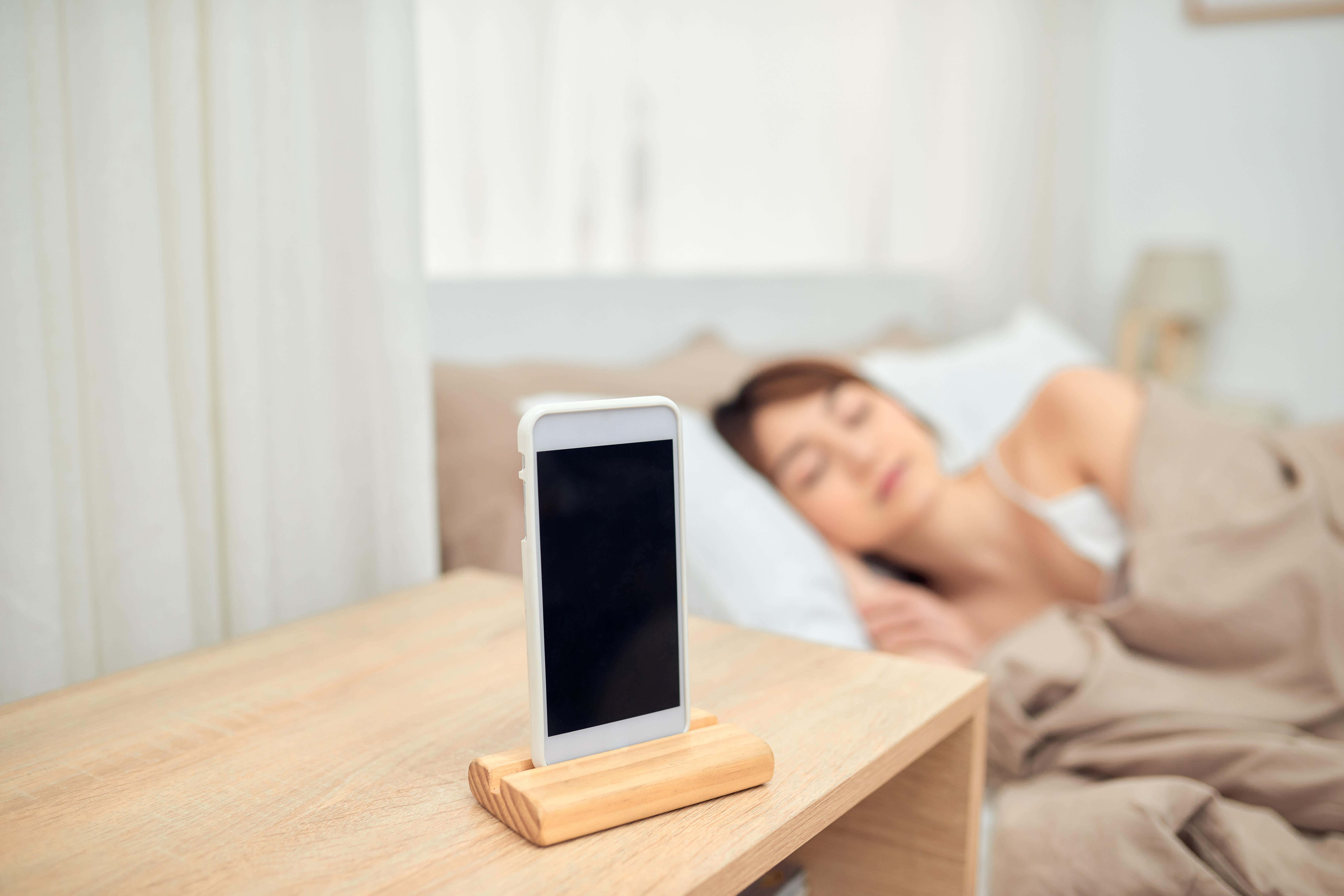
Technology can be useful for some people. But many devices create dependency or increase anxiety about sleep. A balanced approach works best: use tech for learning, then apply simple, gadget-free tools night after night.
Research and reviews (including discussions about sleep technologies) suggest that while devices can quantify sleep, they don’t always improve how you feel in the morning — and sometimes overwhelm users (Springer chapter on sleep tech).
Practical rule
If a device helps you build a good habit (for example, a sleep schedule), use it temporarily. Then keep the habit and switch to low-tech maintenance.
Low-tech replacements for common sleep gadgets
If you want similar benefits without devices, try these substitutes:
- Alarm clock: Use a simple dial or battery alarm instead of phone alarms.
- White noise machine: Run a small fan or use a mechanical sound device.
- Sleep mask or blackout curtains: These block light without screens. (See the sleep mask example above.)
- Bedtime reminders: Set a regular schedule and use calendar habits rather than an app mentality.

How to measure progress without a tracker
It’s easy to know if your sleep is improving without gadgets. Use simple, repeatable markers:
- How long it takes you to fall asleep.
- Number of nighttime awakenings.
- How refreshed you feel in the morning on a scale of 1–10.
- Daytime alertness and mood.
Jot results in a small notebook for a week to see trends. Many people find this low-tech tracking less stressful than nightly app metrics.
How to Improve Sleep Without Gadgets: quick checklist
Use this checklist tonight to start building better sleep habits without devices:
- Start a 30–60 minute tech-free wind-down.
- Dim lights and lower room temperature.
- Do light stretching or breathing practice.
- Read a paper book or write a short brain-dump.
- Keep a simple sleep journal for one week.
Resources and further reading
If you want to learn more about how electronics affect sleep, the Sleep Foundation article is a good starting point (how electronics affect sleep). For an overview of bedroom tech and how it fits into your routine, see Sleep Foundation’s look at technology in the bedroom (technology in the bedroom).
For perspectives on the flood of sleep gadgets and how reviewers test them, see reviews such as the Hatch Restore 2 review and product articles that weigh pros and cons (Hatch Restore 2 review).
Finally, if you’re exploring commercial sleep tech vs. simple solutions, the question of whether advanced devices improve quality of life or overwhelm users has been discussed in academic sources (Technologies for Quantifying Sleep (Springer)).
Embed: Guided breathing (video)
Below is a short guided relaxation video you can watch once — then practice the techniques without the screen.
Video: Guided Sleep Meditation — use once, then practice the steps without screens.
Common questions
Many readers ask whether ditching gadgets means giving up progress. The answer is no: habits, consistency, and a supportive environment often beat one-off gadget fixes. You can always learn from a device and then leave it behind.
How many times to mention it? (Yes, the phrase again)
Remember, How to Improve Sleep Without Gadgets is not about rejecting useful tools — it’s about building durable, healthy sleep routines that don’t depend on technology every night.
Short-term plan: 7-day reset
Try this 7-day plan to reset your sleep without gadgets:
- Day 1: Set a consistent bedtime and wake time for the week.
- Day 2: Create a 30-minute tech-free wind-down.
- Day 3: Adjust room temperature and lighting for comfort.
- Day 4: Start a simple sleep journal.
- Day 5: Add breathing or progressive muscle relaxation before bed.
- Day 6: Practice a full wind-down routine and note results.
- Day 7: Review your journal and keep the elements that helped most.
By the end of the week you’ll understand which changes give the biggest payoff.
Final tips
- Be patient: Habits take a week or two to feel natural.
- Customize: Not every tip works for everyone. Try, tweak, and keep what helps.
- Seek help if needed: If sleep problems persist, consult a healthcare provider.
How to Improve Sleep Without Gadgets is a practical, low-cost approach that helps you sleep better by design, not by devices. Start small, stay consistent, and notice the difference in energy, mood, and focus.
Call to action: Ready for more simple, science-backed guides? Explore more tips and step-by-step routines at zenpulsehub.com to keep improving your sleep naturally.
FAQs
Do I need to stop using my sleep tracker to improve sleep?
No. You can use a tracker to learn how your habits affect sleep, then rely on low-tech routines for long-term improvement. If tracking causes anxiety, try a tech-free period and note changes in a journal.
What if I share a bedroom with a partner who uses devices?
Agree on tech boundaries: dim lighting, silent phones, and a shared wind-down time. Small compromises, like moving charging stations out of the bedroom, can help both partners sleep better.
How long until I notice improvement?
Many people notice small improvements in 1–2 weeks if they keep consistent bedtime routines and a supportive bedroom environment. Track subjective measures like sleepiness and alertness to see progress.
Can I still use white noise apps if I want low tech?
Yes — try a small fan or a mechanical white-noise device instead. These deliver similar benefits without screens or notifications.