

Daily Habits That Boost Calm & Energy
Looking to feel calmer and more alert each day? These Daily Habits That Boost Calm & Energy are simple, practical routines you can start today. They use short, focused steps so you won’t feel overwhelmed while building real momentum toward steady energy and a quieter mind.

Daily Habits That Boost Calm & Energy: Core Practices
These core practices are proven to lift mood, clear mental clutter, and raise steady, usable energy. Aim to pick two or three to try for a week and then add another. The key is consistency, not perfection.
1. Start with a short, anchored morning routine
Why it works: A brief, repeated start to your day signals safety and focus to your brain. This reduces stress and sets the tone for steady energy.
Try a 10-minute routine that includes:
- 2–3 minutes of slow breathing or a short guided meditation (helps calm racing thoughts)
- 1–2 minutes of light stretching to wake the body
- A glass of water and a nourishing protein-rich snack if needed
Research shows routines help reduce decision fatigue and promote steady energy across the day. For guidance on daily routines and how to align them with energy cycles, check out this practical guide on creating a daily routine from Calm.
2. Move your body — even in short bursts
Why it works: Exercise produces feel-good endorphins and interrupts rumination. Short movement breaks can quickly raise alertness without leaving you drained.
- Aim for 10–20 minutes of brisk walking or a short HIIT burst midday.
- If your schedule is tight, do 5 minutes every hour of standing, stretching, or walking.
Regular activity also reduces stress and supports long-term energy. For more detail on exercise and stress, see the Mayo Clinic’s overview on how physical activity helps stress management: Mayo Clinic: Exercise and stress.
3. Use nature and light to reset
Sunlight and time outside have a calming effect and boost alertness. Even a 10-minute walk in a nearby park can improve mood and cognitive clarity.
UC Davis highlights how regular time outdoors helps your ability to recover from mental fatigue — an easy, natural energy boost: How nature improves health.
Food, hydration, and natural energy
Food and drink choices strongly affect calm and energy. Use meals to support steady fuel rather than quick spikes and crashes.
4. Prioritize steady fuel
Choose balanced meals with protein, fiber, and healthy fats to stabilize blood sugar and mental focus. Keep healthy snacks handy to avoid the hangry slump.
- Breakfast idea: Greek yogurt with berries and a sprinkle of nuts
- Snack idea: Apple slices with almond butter
For natural energy boosters and nutrition tips, see Cleveland Clinic’s piece on natural energy boosters.
5. Use caffeine intentionally
Caffeine can help when timed well. Try smaller, earlier doses and pair with water and protein to avoid crashes.
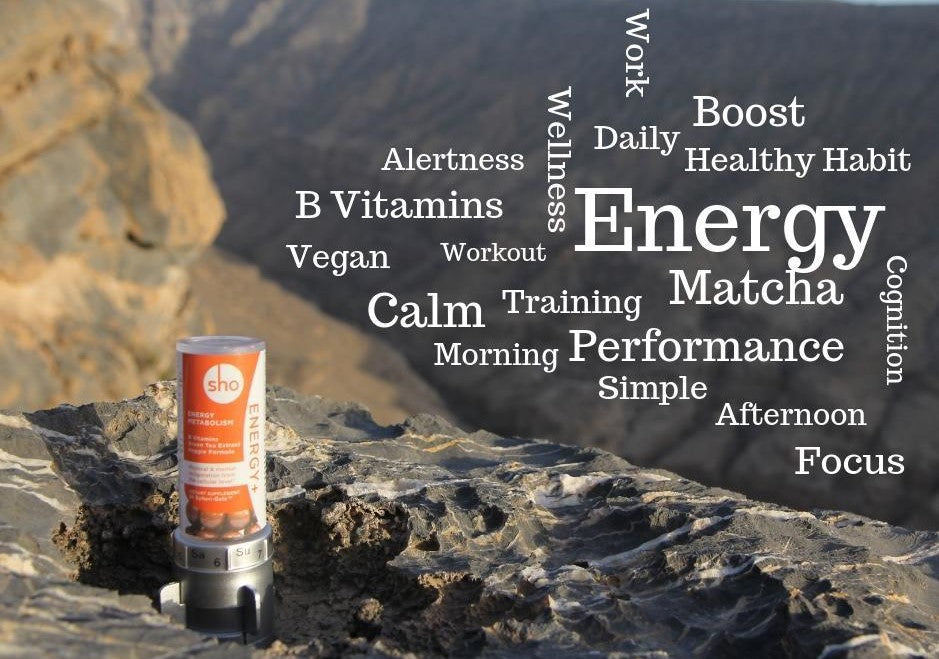
Matcha or green tea offer a gentler lift thanks to L-theanine, which supports calm focus compared with strong coffee spikes. For ideas on balanced energy-supporting supplements and beverages, resources like the matcha and B-vitamin guides can help—choose what fits your needs and consult a health provider if uncertain.

Mindful pauses that restore energy
Small, mindful breaks are powerful. Use them to clear your head, reset your nervous system, and return to work with fresh focus.
6. The 5-4-3-2-1 grounding reset
When tension rises, try this quick grounding exercise:
- Name 5 things you can see
- Name 4 things you can touch
- Name 3 things you can hear
- Name 2 things you can smell
- Name 1 thing you can taste or a positive thought
This takes under a minute and can shift your state from worry to presence. It’s a top tool among the Daily Habits That Boost Calm & Energy.
7. Short breath breaks
Try box breathing (inhale 4, hold 4, exhale 4, hold 4) for 1–3 minutes. It calms the nervous system and increases oxygen flow for clearer thinking and stable energy.
Evening habits to preserve calm and morning energy
How you end the day sets up your next morning. Gentle evening habits reduce nighttime arousal and improve sleep quality, which equals better daytime energy.
8. Wind-down routine
Make a 30–60 minute pre-bed routine that signals rest: dim lights, lower screens, stretch lightly, and jot a quick list of tomorrow’s top 3 priorities.
Consistent sleep timing is also key to rhythm. For practical tips on healthy habits for sleep and calm, resources like Calm’s healthy habits guide provide simple, sustainable ideas: Calm: Healthy habits.
9. Keep naps short and strategic
If you nap, keep it to 10–20 minutes and avoid late afternoon naps that can disrupt sleep at night.

Habit stacking and tracking: make change stick
Habit stacking means attaching a new habit to an existing one. This makes new routines easier to remember. For example, after your morning coffee, do a 2-minute breath practice. After brushing your teeth, write one line in a journal.
To track progress, use a simple checklist or calendar. Small wins build confidence and sustainable energy over time.
Sample micro-routine
Here’s a simple routine you can try tomorrow:
- Wake: Drink water, breathe for 2 minutes
- Morning: 10 minutes of light movement and stretch
- Midday: 10–20 minute walk outside or quick exercise
- Afternoon: 2-minute grounding when focus drops
- Evening: 30–60 minutes screen-free wind-down
Troubleshooting common barriers
If you feel too busy to start, remember: micro-habits (tiny actions) matter. Try 60 seconds of a habit first. If energy dips midday, check hydration, recent meals, and movement. For persistent low energy or anxiety, consult a healthcare provider.
When to seek professional help
Low mood, chronic fatigue, or sleep problems that don’t improve with these habits may need medical support. Reach out to a primary care doctor or mental health professional for tailored care.
Why these daily habits work
Each habit targets either nervous system regulation, fuel, or movement — the three pillars of calm and steady energy. Repeating them regularly trains your body and brain to default to a calmer, more alert state.
Daily Habits That Boost Calm & Energy are small, science-aligned changes you can start today. They compound: do a little each day and you’ll feel the difference within weeks.
Helpful resources
Want to read more research and practical tips? These articles are great starting points:
- Calm: Healthy habits — concise tips for daily routines and exercise benefits.
- Mayo Clinic: Exercise and stress — how activity improves mood and energy.
- UC Davis: How nature helps — benefits of outdoor time for mental clarity.
- Cleveland Clinic: Natural energy boosters — practical nutrition and lifestyle tips for energy.
Video guide: Calm energy routine
Below is a short video you can follow for a calm, energizing mini-routine. Use it on mornings when you want a guided start.
Quick checklist: daily wins
Use this mini-checklist to track progress each day. Even checking two items is a win.
- Hydrated within 30 minutes of waking
- 2 minutes breathwork or meditation
- 10 minutes of movement or time outside
- Balanced meals with protein and fiber
- Short grounding break when stressed
- Consistent bedtime routine
Daily Habits That Boost Calm & Energy are about gentle progress and repetition. Pick what fits your life, start small, and build. Over time, these small practices create a calmer mind and steadier energy that supports everything you do.
Ready to try one small change today? Start with a 2-minute breathing break and notice how you feel.
Explore more routines, tips, and science-backed guides at zenpulsehub.com and keep building calm, steady energy.
How quickly do these habits start to help?
Many people notice small benefits within days—better focus after breathwork or a short walk. Lasting change usually appears after 3–6 weeks of consistent practice.
Can I pick only one habit to start?
Yes. Start with a tiny habit you can keep daily, like 2 minutes of breathing or a short walk. Once it feels automatic, add another.
What if I still feel drained after trying these?
Check sleep quality, hydration, and nutrition first. If low energy or mood persists, consult a healthcare professional to rule out medical causes.
Are these habits backed by research?
Yes. Exercise, nature exposure, breathwork, and consistent sleep routines all have research supporting their role in reducing stress and improving energy. See the Mayo Clinic, UC Davis, and Cleveland Clinic links above for more.