
Essential oils for relaxation: Calm Guide
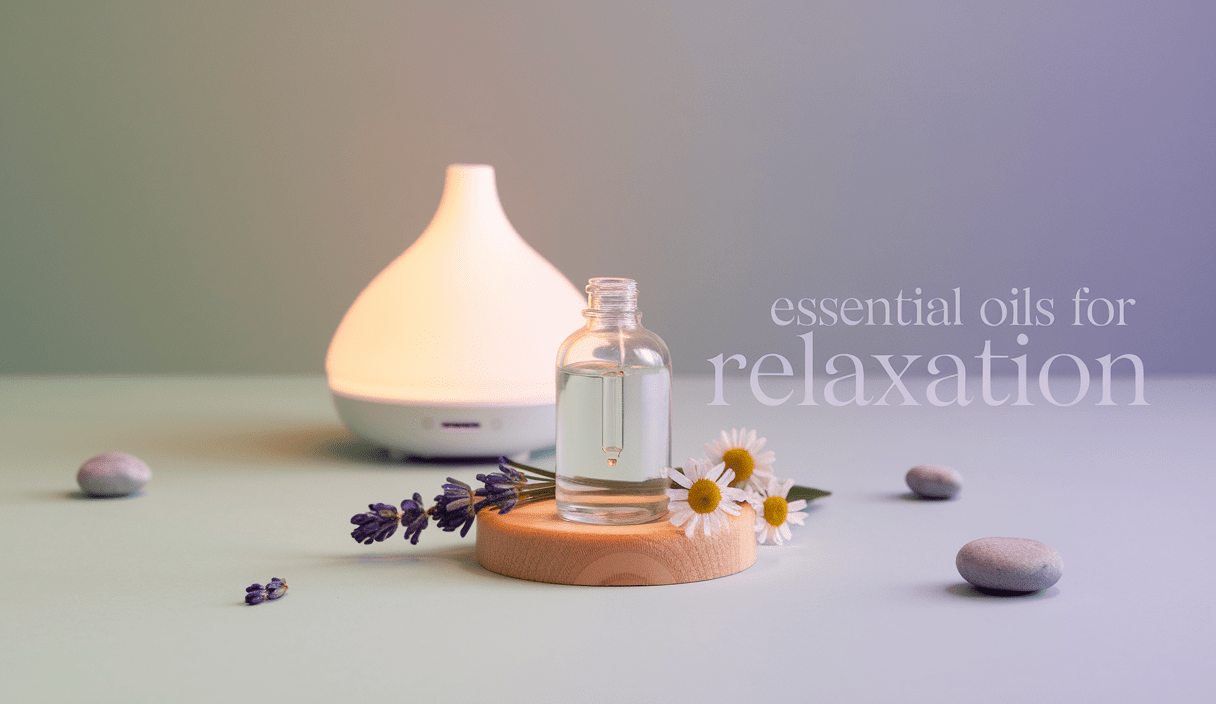
Essential oils for relaxation are one of the simplest, most natural ways to calm your mind after a busy day. In this guide you’ll learn which oils work best, safe ways to use them, and easy diffuser and topical recipes to try at home.

Why try essential oils for relaxation?
Essential oils provide an accessible way to create calming rituals that fit into busy schedules. A quick inhale at your desk, a diffused blend in the evening, or a gentle massage can signal your nervous system to relax. Research and clinical notes suggest certain scents help with stress and sleep — for example, lavender is frequently highlighted for relaxation and sleep support (Healthline). For hospital settings, aromatherapy using lavender has even been linked to reduced stress and improved sleep quality among ICU patients, according to a Cleveland Clinic summary of recent findings Cleveland Clinic.
Best Essential oils for relaxation
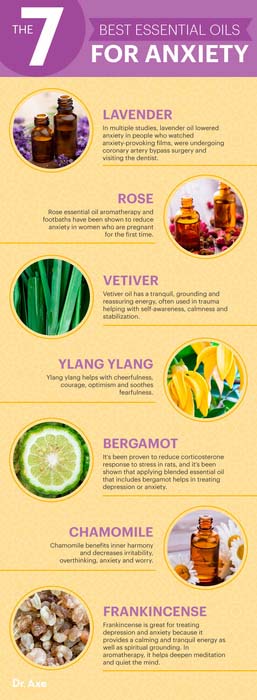
Below are widely used essential oils that support calm, each with a short note on what they’re best for. These selections are supported by clinical summaries and popular aromatherapy practice (see sources at the end).
Top calming oils
- Lavender — gentle, floral, great for sleep and daily relaxation.
- Chamomile — soothing and often used for sleep support.
- Bergamot — citrusy, uplifting but calming; used to ease anxiety.
- Ylang-ylang — sweet and floral; helps reduce stress and lower blood pressure.
- Frankincense — grounding scent ideal for meditation and focus.
- Clary sage — calming and hormone-balancing for some people.
- Vetiver — deep, earthy; excellent for grounding and relaxation.
- Neroli & Rose — gentle floral scents often used for anxiety relief.
How to use them safely
When using essential oils for relaxation, safety comes first. These are concentrated plant extracts — a little goes a long way. Follow these basic rules:
- Dilute for topical use: Use a carrier oil (fractionated coconut, sweet almond, jojoba) at 1–3% for adults for everyday use. That’s roughly 6–18 drops of essential oil per ounce (30 ml) of carrier oil.
- Patch test: Apply a small diluted amount to your inner forearm and wait 24 hours to check for sensitivity.
- Use a diffuser: Diffusing is safe for most people; limit diffusion sessions to 30–60 minutes at a time.
- Avoid ingestion: Don’t ingest essential oils unless supervised by a qualified healthcare provider.
- Special populations: Pregnant people, infants, children, and pets need extra caution. Consult a clinician before use.
Quick topical dilution guide
For a calming roll-on: add 10 drops total of essential oil to a 10 ml roller bottle, fill the rest with carrier oil. For a full-body massage, keep the dilution at 1%.
Diffuse, inhale, massage: practical ways to relax
Using essential oils for relaxation can be simple and adaptable. Here are accessible ways to incorporate them daily.
Diffuser blends (easy, fast)
- Evening unwind: 3 drops lavender + 2 drops bergamot + 1 drop frankincense.
- Pre-bed calm: 4 drops chamomile + 2 drops lavender.
- Midday reset: 2 drops ylang-ylang + 2 drops bergamot + 1 drop vetiver.

Quick inhalation
Place 1 drop of lavender on your palms, rub gently, cup your hands over your nose and mouth, and inhale deeply for three slow breaths. This micro-practice can be done anywhere and helps shift your nervous system.
Topical calming roll-on
Make a pocket-sized roll-on for on-the-go stress relief. Blend lavender + bergamot diluted in carrier oil — apply to wrists, behind ears, or inner elbows.
Blends and products: what to buy
Many brands sell stress-relief blends that combine the calming oils above. Look for 100% pure essential oils and transparent sourcing. Retailers like Plant Therapy offer targeted collections for stress and anxiety (Plant Therapy).

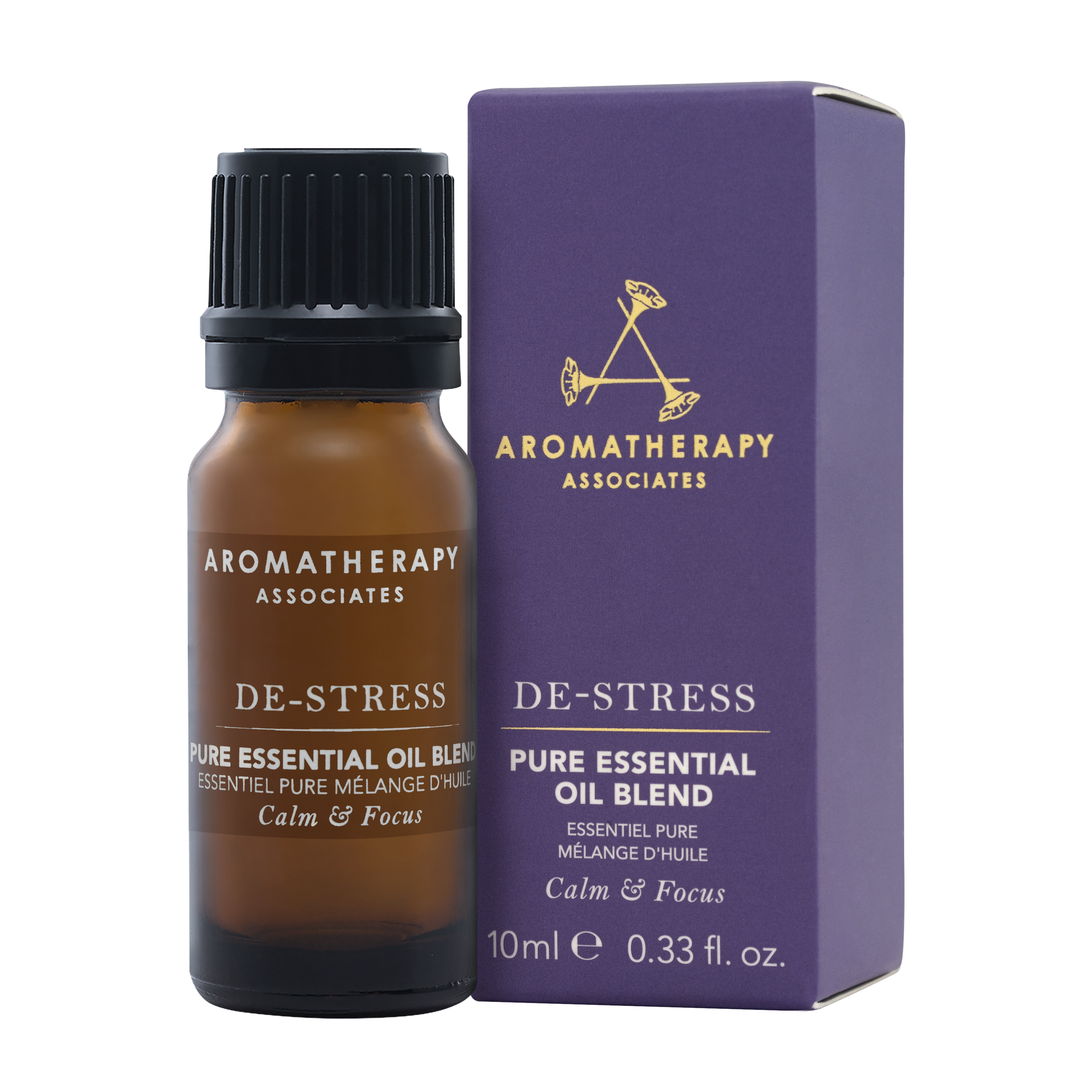
If you’d rather purchase a pre-blended option, consider well-reviewed stress blends or single oils like lavender. Luxury aromatherapy brands also offer curated blends — for example, Aromatherapy Associates sells a “De-Stress” blend crafted for calming moments De-Stress Pure Essential Oil Blend.
What the research says
Interest in aromatherapy has grown alongside modern research. Reviews and studies note benefits for relaxation, anxiety reduction, and sleep when certain oils are used in appropriate ways. For an accessible summary of oils that may relieve anxiety, see this list from Medical News Today Medical News Today, which highlights bergamot, chamomile, clary sage, lavender, and others. Johns Hopkins offers a balanced look at aromatherapy and clinical evidence, answering the question “do essential oils really work?” with practical guidance Johns Hopkins.
For a practical consumer guide, Healthline provides a quick look at the best essential oils for stress and what they’re best used for — such as lavender for relaxation and chamomile for sleep Healthline.
DIY recipes for calm
Here are easy recipes you can make in minutes.
1. Bedtime pillow spray
- 10 drops lavender
- 5 drops chamomile
- Mix in 2 oz (60 ml) distilled water with 1 tsp witch hazel in a spray bottle. Shake before use and mist your pillow lightly.
2. Calming bath soak
- 10 drops lavender
- 5 drops bergamot
- Mix with 1/4 cup carrier oil or 2 tbsp unscented bath gel and add to warm bath water.
3. On-the-go roll-on
- 6 drops lavender + 4 drops bergamot in a 10 ml roller with carrier oil.
- Apply wrists or behind ears during stress or travel.
Common questions about essential oils
Here are quick answers to frequent concerns.
Are essential oils safe around pets?
Some essential oils can be harmful to pets, especially cats and small animals. Use caution, limit diffusion time, and consult your veterinarian before using oils around pets.
Can I use essential oils if I’m pregnant?
Pregnant people should consult a healthcare provider. Some oils (like clary sage) may be contraindicated, especially in later pregnancy.
Do essential oils really help with anxiety?
Research shows some oils can reduce stress and improve sleep in certain settings. They are supportive tools and work best alongside good sleep hygiene, therapy, or medical care when needed. For summaries of clinical findings, see resources from Johns Hopkins and the Cleveland Clinic (Johns Hopkins, Cleveland Clinic).
Tips for making aromatherapy part of your routine
- Pick two go-to oils (one floral, one grounding) and build blends around them.
- Create rituals: a 5-minute inhalation practice, a bedtime spray, or a diffused 30-minute session before sleep.
- Keep labels and dilution notes so you can repeat what works.
- Buy from reputable brands that provide GC/MS testing and clear sourcing information.
Product & sourcing notes
Quality matters. Look for 100% pure essential oils, GC/MS test results, and transparent sourcing. If you prefer ready-made options, popular marketplaces and specialty stores offer stress-relief blends — read reviews and ingredient lists carefully. Plant Therapy, for example, has curated collections aimed at anxiety and stress relief Plant Therapy.
Watch: a short guide
Below is a concise video to help you get started with simple blends and safety tips.
When to see a professional
If stress or anxiety feels overwhelming or persistent, essential oils are a supportive tool but not a substitute for professional care. Speak with a therapist, primary care provider, or mental health professional for personalized guidance.
Essential oils for relaxation can be a gentle, effective part of your self-care toolkit when used thoughtfully and safely. Try small experiments: one new oil, one new ritual, and track how you feel over a week.
Ready to explore more? Check detailed guides from reliable sources to deepen your knowledge: Healthline’s quick oil guide Healthline, the Cleveland Clinic review of clinical findings Cleveland Clinic, and an overview from Medical News Today Medical News Today.
Final thoughts
Start small, be consistent, and pay attention to what helps you personally. Whether you diffuse, inhale, or wear a roll-on, essential oils can support calmer days and better sleep.
Try essential oils for relaxation this week: pick one oil, make a simple blend, and notice the difference five days in a row.
Call to action: Ready for more practical wellness tips? Explore our guides and recipes at zenpulsehub.com and keep your calm toolkit growing.
How soon will I notice benefits from essential oils?
Many people report immediate short-term relief (a few minutes after inhaling). For lasting improvements in sleep or anxiety, practice consistent use and combine oils with other healthy habits like good sleep hygiene.
Can I mix essential oils together?
Yes. Blends are common and often more balanced than single oils. Follow dilution guidelines and try small batch tests to find combinations you like.
What should I do if I have a skin reaction?
Stop using the product immediately, wash the area with mild soap and water, and seek medical advice if irritation persists or is severe. For future use, always do a patch test first.