

How Breathing Rates Affect Stress
How Breathing Rates Affect Stress is a key idea to understand if you want fast, practical ways to feel calmer. Your breathing rate — how many breaths you take per minute — links directly to your nervous system and emotions. In the next sections you’ll learn the science behind breathing and stress, simple practices to shift your state, and evidence-based tips to make breathing a reliable tool for daily calm.
Why breathing matters
Breathing is automatic, but it’s also one of the few body processes you can control. That means small changes in breath pattern can create big shifts in how you feel. When stressed, most people breathe faster and more shallowly. This influences heart rate, blood pressure, and muscle tension — and it can make stress feel worse.
How breathing links to stress: the basics
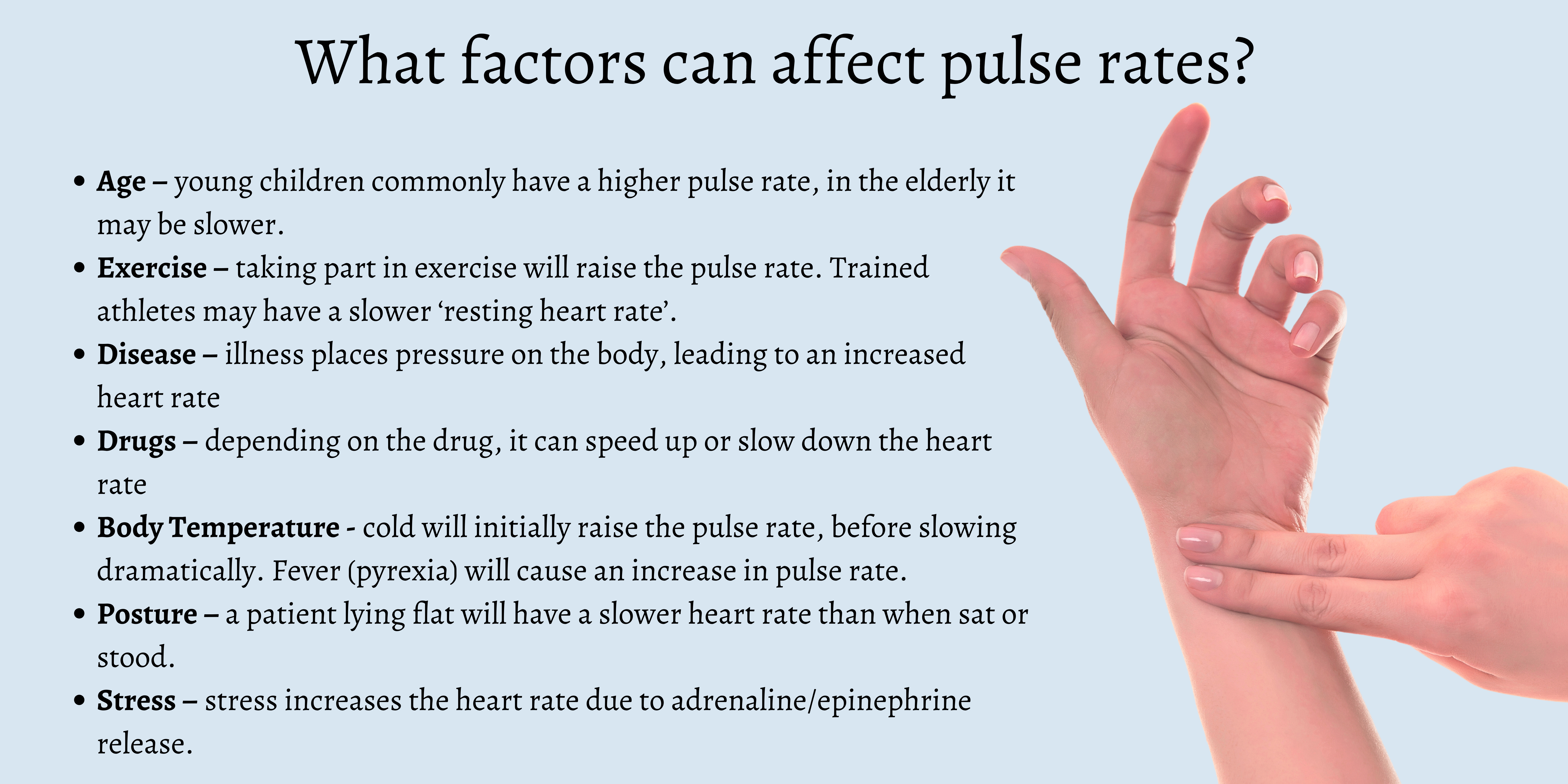
When you’re stressed, your body triggers the fight-or-flight response. Your breathing rate often increases, and the pattern changes from slow, diaphragmatic breaths to quick, shallow chest breaths. Those faster breaths feed the alarm signal, which raises heart rate and sends stress hormones into circulation.
Research shows that the respiratory system responds quickly to mental stress — increased rate and changed patterns are common findings in lab studies. For an accessible review of how breathing shifts during stress, see this overview of respiratory responses to mental stress on PubMed Central: The respiratory response to mental stress.
How Breathing Rates Affect Stress: the science
Understanding How Breathing Rates Affect Stress requires looking at two systems: the autonomic nervous system (ANS) and heart–lung interactions. The ANS has two branches: sympathetic (fight/flight) and parasympathetic (rest/digest). Slower, deeper breathing tends to activate the parasympathetic side, which calms the body.
Heart rate variability (HRV) — a measure of the variation between heartbeats — is often used to index nervous system balance. Slow, controlled breathing (around 4–7 breaths per minute for many people) can increase HRV and promote calm. Note: some HRV studies warn that measuring HRV without accounting for breathing can be misleading, because slow breaths can change HRV measures directly (see heart rate variability research).

Fast breathing vs slow breathing
Fast breathing (more than ~20 breaths per minute) tends to:
- Increase heart rate and blood pressure.
- Produce light-headedness or a sense of panic in some people.
- Reinforce the sympathetic stress response.
Slow breathing (around 4–10 breaths per minute) tends to:
- Activate the parasympathetic nervous system through the vagus nerve.
- Increase heart rate variability (HRV) and feelings of calm.
- Lower perceived stress and improve focus.
Practical breathing techniques to reduce stress
Breathing exercises are free, portable, and backed by evidence. Below are simple techniques you can use in moments of stress.
1. Diaphragmatic breathing (belly breathing)
Purpose: Encourage full, slow breaths and reduce shallow chest breathing.
- Sit or lie comfortably with one hand on your chest and one on your belly.
- Breathe in through your nose for 4 seconds, letting your belly rise.
- Exhale slowly through your mouth for 6 seconds, letting your belly fall.
- Repeat for 5–10 minutes.
2. Box breathing (square breathing)
Purpose: Calm the mind and regulate breath rate.
- Inhale through your nose for 4 seconds.
- Hold for 4 seconds.
- Exhale through your mouth for 4 seconds.
- Hold for 4 seconds.
- Repeat 4–6 cycles.
3. 4-6-8 breathing
Purpose: Quick downshift for acute stress or before sleep.
- Inhale for 4 seconds through your nose.
- Hold for 6 seconds.
- Exhale for 8 seconds through your mouth.
- Repeat 4 times.
How Breathing Rates Affect Stress: practical evidence
Multiple studies and expert resources note that stress changes respiratory rate and pattern. For a plain-language guide on typical respiratory rates and when to be concerned, the American Lung Association and public health resources are useful: Normal respiratory rate and what it means. For step-by-step breathing guidance that connects breathing to decreased stress, see public health summaries like Breathing to reduce stress.
Heart rate, HRV, and breathing
Slowing your breathing often increases heart rate variability (HRV), a marker of adaptability and resilience. However, researchers caution that slow breathing can change HRV readings directly, so measurement should consider breathing rate (HRV and respiration study).

When breathing gets intense: shortness of breath and stress
Stress and strong emotions can cause respiratory symptoms such as shortness of breath and rapid breathing. The American Psychological Association explains how stress affects the body and breathing; if you get persistent or severe breathing changes, it’s important to consult a healthcare provider: Stress and the body.
If breathing becomes painfully fast, you feel faint, or your lips/face turn blue, seek emergency care. For everyday concerns, tracking your resting respiratory rate can help you see patterns — typical resting adult rates are ~12–20 breaths per minute, and consistent rates below 12 or above about 25 while at rest may warrant a check-in with a clinician (respiratory rate guidance).
Quick breath-check routine (1 minute)
Use this micro-routine when stress hits:
- Sit with a straight back and relax shoulders.
- Place one hand on your belly. Breathe in for 4 counts, out for 6 counts.
- Repeat for 6 cycles. Notice heart rate and how you feel.
Doing this once or twice a day trains your body to shift toward calmer breathing patterns, so acute stress is easier to manage.
Guided practice video
For a short guided breathing session, try this embedded video. Follow the voice and match your breath to the guidance.
Video: Guided breathing session for calming the nervous system

Practical tips to keep breathing healthy
- Practice daily. Even 5 minutes a day strengthens the calming effect.
- Use rhythm. A steady pattern (like 4–6–8) is easier for the nervous system to follow.
- Combine with posture. Sit or lie comfortably to allow the diaphragm to work.
- Avoid over-breathing. If you feel dizzy, slow the pace and breathe more gently.
- Track patterns. Note when you breathe fast (meetings, commuting, late nights) to create triggers for short practices.
Common myths about breathing and stress
Myth: More oxygen is always better
Fact: Fast, deep breathing doesn’t necessarily give more oxygen to tissues — it can cause carbon dioxide levels to drop and create lightheadedness. Calm, balanced breathing is more helpful.
Myth: You must breathe very slowly to get benefits
Fact: Benefits come from controlled, steady breathing. For some people, extremely slow breathing feels stressful. Find a pace that feels safe and comfortable (many people benefit in the 4–10 breaths per minute range).
When to get professional help
If stress-related breathing feels unmanageable, causes panic attacks, or is linked with chest pain, fainting, or major changes in daily life, reach out to a healthcare professional. Breath training works well with therapy, medication when needed, and medical evaluation. For persistent respiratory concerns, consult resources like the American Lung Association and your primary care team: respiratory rate guidance.
Frequently asked questions
What is a normal breathing rate at rest?
Adults at rest usually breathe about 12–20 breaths per minute. Rates consistently below 12 or above 25 at rest may need medical attention. For general info, see respiratory rate resources like the American Lung Association: learn more.
Can breathing change my mood quickly?
Yes. Because breathing affects the autonomic nervous system, a 1–5 minute controlled-breathing session can reduce acute stress and improve mood. Regular practice builds stronger and faster results.
How often should I practice breathing exercises?
Start with 5–10 minutes once or twice daily. Short micro-practices (1 minute) during stressful moments are also very effective. Consistency matters more than duration.
Are there risks to breathwork?
For most people, gentle breathwork is safe. Avoid extreme breath retention or hyperventilation techniques without guidance. If you have heart or lung conditions, pregnancy, or epilepsy, check with a clinician before starting a new breathwork practice.
Summary: breathe to change stress
How Breathing Rates Affect Stress is both simple and powerful: faster, shallow breaths tend to increase stress, while slower, controlled breathing supports calm and resilience. Use short daily practices, learn a few reliable techniques, and notice how your breathing shapes your energy and focus.
Ready to try it? Start with a 3-minute diaphragmatic breathing session now. Visit more guides and practical practices at zenpulsehub.com to build a daily calm routine.






