
Sleep Hygiene: Build a Night Routine
Sleep Hygiene is the foundation of good rest — and building a calm, repeatable night routine is one of the best ways to improve sleep quickly. This guide walks you through clear steps, science-backed tips, and practical examples so you can design a routine that fits your life.

Why Sleep Hygiene and a Night Routine Matter
Good sleep is about more than time spent in bed. Sleep hygiene is the set of habits and environmental changes that help your brain and body switch into rest mode. A consistent night routine creates a clear signal to your nervous system: it’s time to unwind. According to resources like the Sleep Foundation, a predictable pre-sleep pattern helps people fall asleep faster and stay asleep longer.
What research and experts say
Trusted sources such as the Cleveland Clinic and Harvard Health recommend routines that include consistent bedtimes, a calm environment, and limiting stimulating activities near bedtime. These small changes add up — and they are simple to try.
:max_bytes(150000):strip_icc()/what-is-sleep-hygiene-5085887-FINAL-831b8421e75249f0952fbf4efb0adda7.png)
Core Principles: What a Night Routine Should Do
A strong night routine aims to:
- Lower arousal — calm your mind and body.
- Reduce blue light and stimulation from screens and tasks.
- Signal consistency so your internal clock knows when it’s time to sleep.
- Prepare the environment — temperature, light, and noise matter.
Simple starting rules
Begin with these easy steps and add more as you adapt:
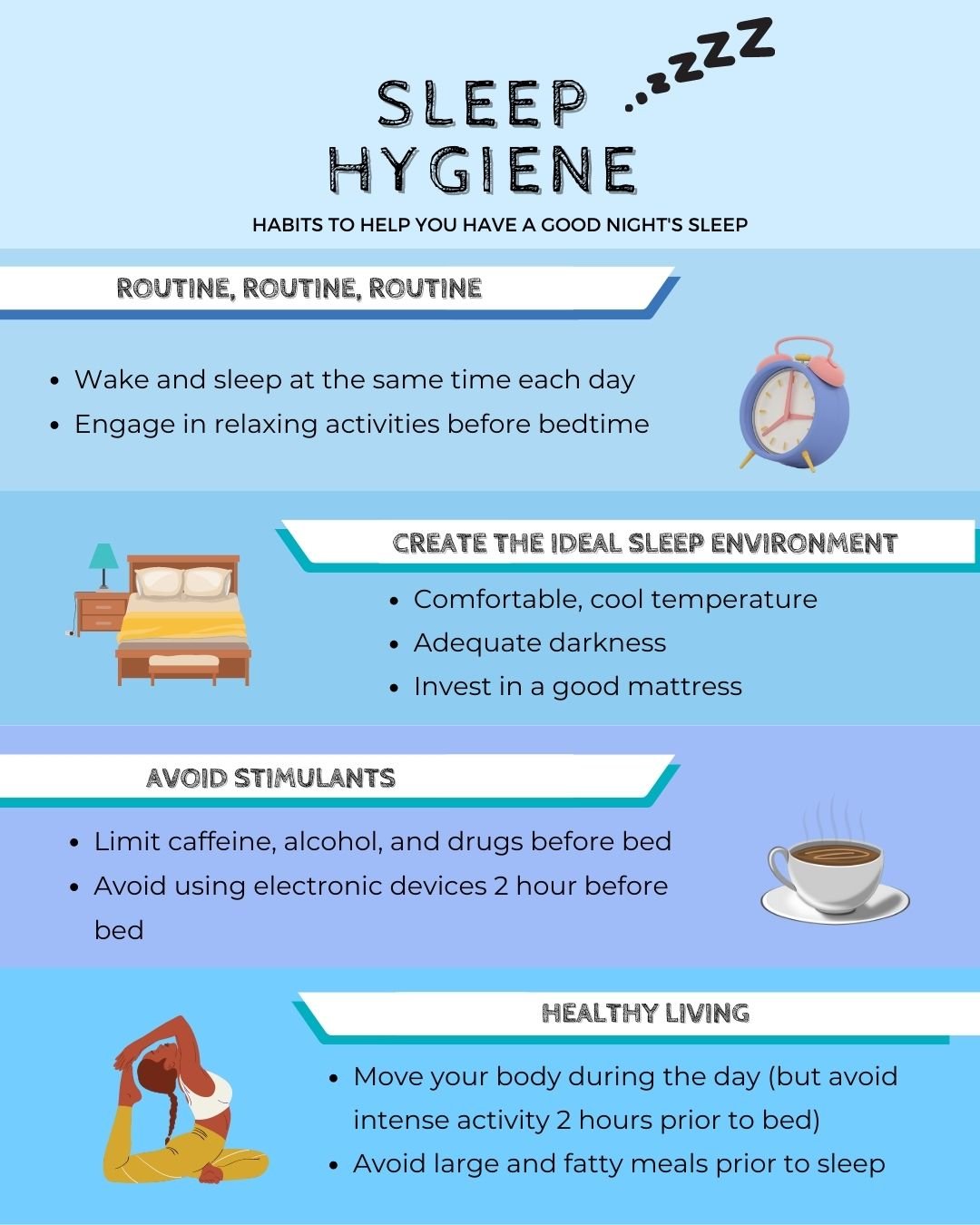
- Pick a consistent wake time and target a consistent bedtime.
- Start winding down 30–90 minutes before bed depending on how much time you need to relax.
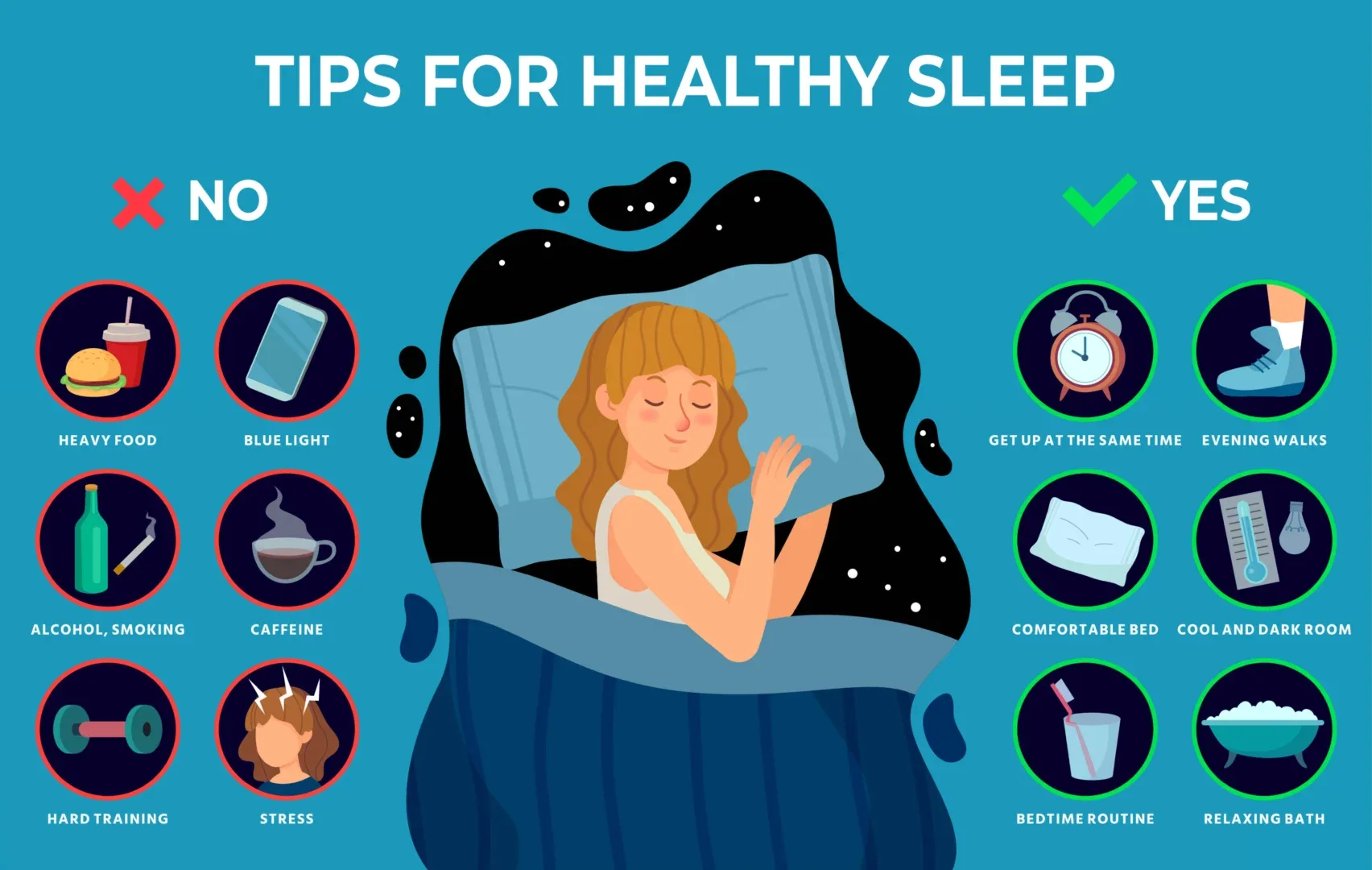
- Turn down bright lights and limit screens during wind-down time.
How to Build a Night Routine (Step-by-Step)
Here’s a flexible plan you can adjust. The goal is a steady, repeatable pattern you enjoy.
60–90 minutes before bed: Begin the wind-down
- Dim the lights and create a relaxing atmosphere. Dim lighting cues melatonin release (see the Calm blog for tips on dimming lights and white noise: Calm Blog).
- Finish heavy tasks at least an hour before bed. Avoid intense problem-solving or emotional conversations.
- Limit caffeine after the afternoon; if you nap, keep it short and early (Harvard Health notes the timing of exercise and naps can affect sleep).
30–60 minutes before bed: Calm activities
- Read a short, pleasant book or listen to a calm podcast.
- Practice gentle stretching, deep breathing, or a brief meditation.
- Take a warm shower or bath — it can help lower core temperature and promote sleepiness.
10–15 minutes before bed: Final cues
- Brush teeth and follow your personal hygiene ritual — simple, consistent actions help your brain register bedtime (see Healthline’s tips on nighttime routines for practical rituals: Healthline).
- Set a low-volume alarm or place a glass of water by the bed if you tend to wake thirsty.
- Use a short, calming breathing exercise to settle into sleep.

Sample 90-Minute Night Routine (Adaptable)
Use this as a template and tailor to your life:
- 90 min: Dim lights, stop heavy work, finish any prepping for the next day.
- 60 min: Warm shower, light stretching, or low-intensity activity.
- 30 min: Read or listen to a calming audio; jot down tomorrow’s top 3 tasks so your mind is clear.
- 15 min: Brush teeth, skincare, brief breathing or progressive muscle relaxation.
- Bedtime: Lights out, keep bedroom cool and dark, use white noise if helpful.
Bedroom Setup: Environment Matters
Creating a sleep-friendly bedroom supports your routine. Focus on these elements:
- Temperature: Keep it cool (around 60–67°F / 15–20°C tends to work well).
- Light: Block streetlights and use blackout curtains if needed.
- Noise: Use white noise or earplugs to mask disruptive sounds.
- Bedding: Comfortable mattress and pillows tuned to your sleeping position.
Special Considerations: ADHD, Autism, and Sensory Needs
Not everyone finds the same cues calming. If you have neurodivergent traits, small adjustments can make routines far more effective.
Ideas include:
- Predictable rituals: Visual schedules or checklists can reduce bedtime anxiety.
- Sensory tools: Weighted blankets, soft lighting, or specific textures may help.
- Short, consistent steps: Keep routines concise so they are easy to follow every night.
For more tailored strategies, see resources like Neurodivergent Insights, which offers practical tips for ADHD and autism sleep routines.
Common Roadblocks and How to Fix Them
Stuck awake after lights out
If you can’t fall asleep within 20–30 minutes, get up and do a quiet, low-light activity until you feel drowsy. Avoid checking your phone or doing anything stimulating.
Waking in the night
Limit fluids before bed, keep the bedroom cool, and avoid bright screens if you wake up. If worry wakes you, keep a notepad by the bed to jot down thoughts and return to sleep more easily.
Irregular schedule
Work on stabilizing your wake time first — it’s the anchor for sleep. Over a few weeks, move your bedtime earlier or later in 15-minute steps to reach your target.
Technology, Naps, Exercise, and Diet
These factors influence sleep quality. Here are practical principles backed by experts:
- Screens: Reduce screen time in the hour before bed; use night mode if needed.
- Naps: Keep naps short (20–30 minutes) and early in the day to avoid disrupting nighttime sleep.
- Exercise: Regular daytime exercise improves sleep, but avoid high-intensity workouts within two hours of bedtime (Harvard Health suggests scheduling exercise to support sound sleep).
- Evening meals and drinks: Avoid heavy meals and excessive alcohol close to bedtime; both can fragment sleep.
Tracking Progress: Small Tests, Big Wins
Try a two-week experiment: pick one element to change (consistent wake time, a 60-minute wind-down, or cooler bedroom) and track your sleep quality. Use a simple sleep journal or an app. Small improvements compound quickly.
Watch and Learn: Video Guide
Follow this short video walk-through for a calm, visual guide to building your night routine.
Video: How to Build a Night Routine
Troubleshooting: When to Seek Help
If you consistently follow good sleep hygiene and still struggle with daytime sleepiness, loud snoring, or difficulty staying asleep, consider consulting a medical professional or sleep specialist. Persistent problems may indicate a treatable sleep disorder.
Quick Checklist to Start Tonight
- Set a consistent wake-up time (even on weekends).
- Begin winding down 60 minutes before bed.
- Dim lights and avoid screens during wind-down time.
- Design a short, calming ritual you enjoy.
- Check your bedroom: cool, dark, and quiet.
Sleep Hygiene is simple but powerful. With a calm, repeatable night routine you can improve how quickly you fall asleep, reduce nighttime wakefulness, and wake up feeling more refreshed. For more step-by-step tips and guided routines, see resources like the Sleep Foundation, the Cleveland Clinic, and practical guides on the Calm Blog.
Start small, stay consistent, and notice how your energy and focus improve. Good sleep hygiene gives you the rest you need to be your best self.
Ready to build your routine? Explore more guides and printable checklists at zenpulsehub.com to customize a plan that fits your life.
How long does it take for a night routine to improve sleep?
Many people notice small improvements within 1–2 weeks when they consistently apply a night routine. Larger shifts in sleep timing and quality can take 3–4 weeks as your internal clock adjusts.
Can I use screens if I use blue light filters?
Blue light filters help, but it’s best to avoid stimulating content close to bedtime. Instead, choose low-arousal activities like reading or a calming podcast during wind-down time.
Is it better to focus on bedtime or wake time first?
Start with a consistent wake time; it’s the most powerful cue for your circadian rhythm. Once your wake time is steady, adjust bedtime gradually to get the desired sleep duration.
What if I have a partner with a different schedule?
Create a shared, quieter wind-down period when possible. Use earplugs, eye masks, or separate wind-down spaces if needed. Small shared rituals can still help both partners relax.