
Sleep Hygiene for Insomnia: Practical Bedtime Tips
Sleep hygiene for insomnia means creating daily habits and a bedroom environment that help you fall asleep faster and stay asleep longer. If you struggle with sleepless nights, small, consistent changes can make a big difference. This guide walks you through practical, science-backed routines and bedroom tweaks that support better sleep.
Why sleep hygiene matters for insomnia
Insomnia often has both medical and behavioural roots. While you should check with a clinician for persistent sleep problems, improving sleep hygiene for insomnia is a powerful first step. Good habits support your body’s natural sleep-wake cycle, reduce nighttime arousal, and improve sleep quality over weeks—not hours.
How sleep habits affect sleep
Daily rhythms, light exposure, caffeine, stress, and your bedroom all shape whether your brain is ready to sleep at night. By adjusting routines and the environment — the core of sleep hygiene — you can make falling asleep easier and reduce wakefulness after sleep onset.
Simple bedroom changes that help
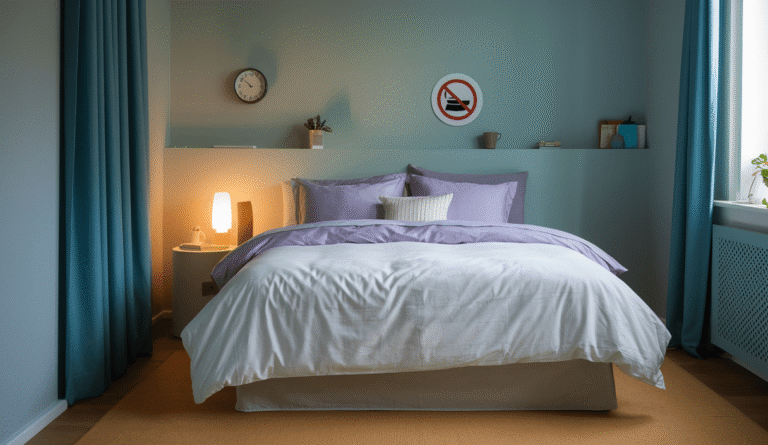
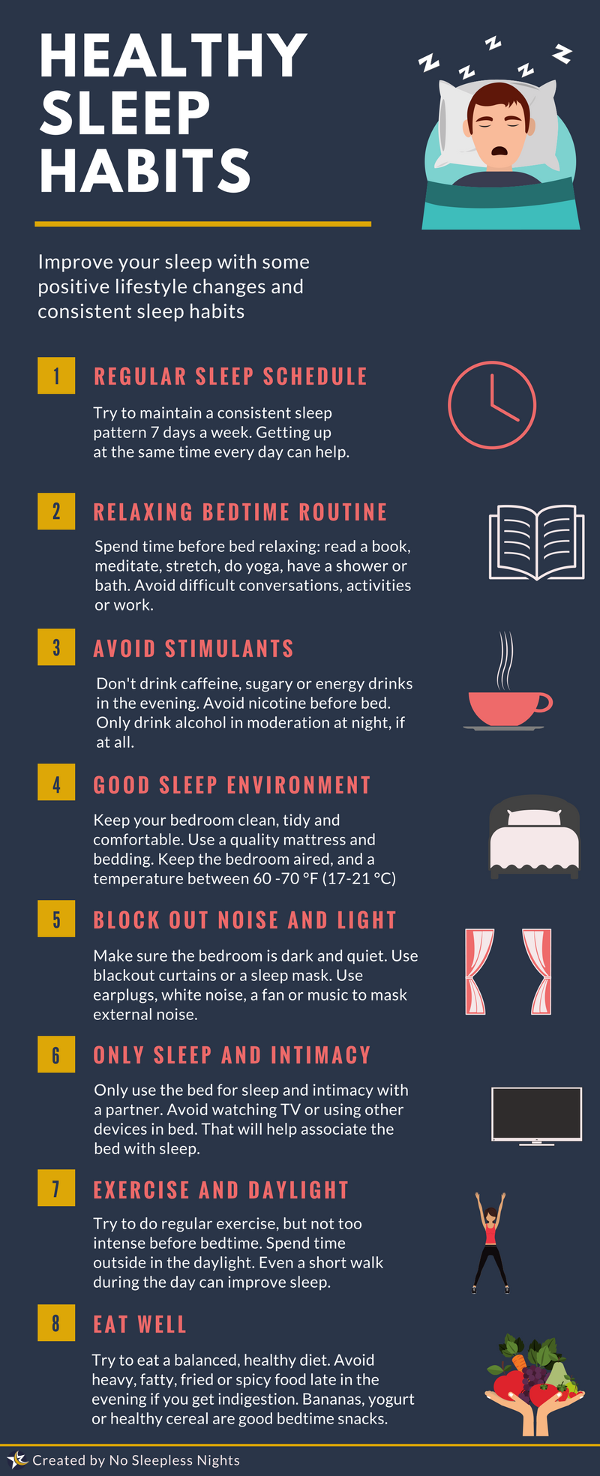
Start with the space where you sleep. The right environment makes it easier for your brain to switch into rest mode.
- Keep it cool: Aim for 60–67°F (15–19°C) when possible.
- Darken the room: Use blackout curtains, eye masks, or dimmer night lights to limit light exposure.
- Reduce noise: Try earplugs, white-noise machines, or a fan to mask intermittent sounds.
- Comfort matters: Replace old mattresses or pillows that cause discomfort or frequent awakenings.
- Reserve the bed for sleep and sex only: Avoid working, watching TV, or scrolling in bed so the brain links the bed with sleep.
:max_bytes(150000):strip_icc()/what-is-sleep-hygiene-5085887-FINAL-831b8421e75249f0952fbf4efb0adda7.png)
Daily routines that reinforce sleep
When you practice consistent habits, your body learns the rhythm of wake and sleep. Try these evidence-informed routines to support sleep hygiene for insomnia.
Morning light and activity
Get at least 20–30 minutes of natural light soon after waking. Morning light helps reset your circadian clock and promotes nighttime sleepiness at the right time. Pair light exposure with gentle movement — a short walk or stretching can help.
Limit stimulants and heavy meals
Avoid caffeine and nicotine at least four to six hours before bedtime, and limit alcohol in the evening — while alcohol can make you sleepy initially, it fragments sleep later. Finish large meals at least 2–3 hours before bed for more comfortable, uninterrupted sleep (source: NCBI).
Evening habits to wind down
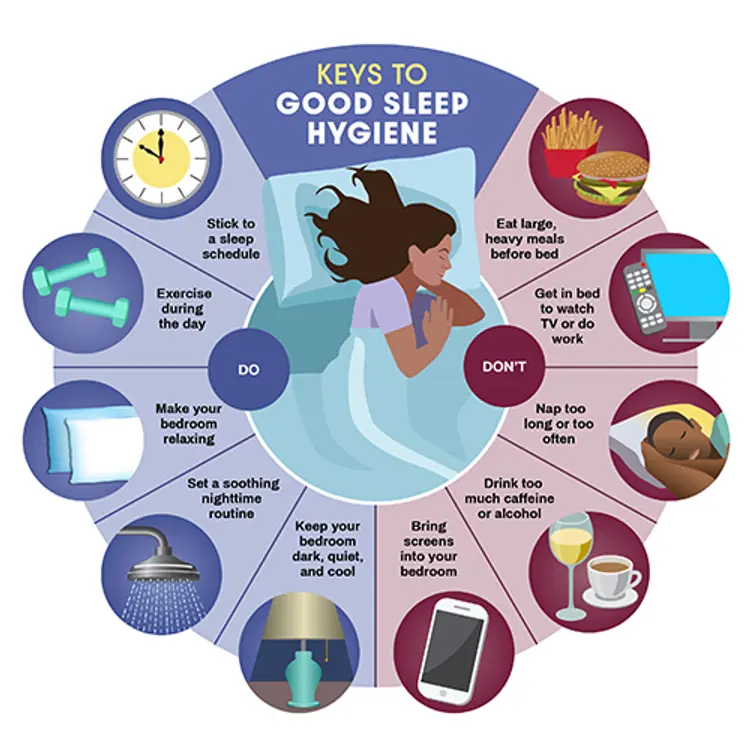
Evening routines cue your brain to slow down. A predictable wind-down helps reduce nighttime anxiety and racing thoughts.
- Set a consistent lights-out time: Wake and sleep within a 30–60 minute window each day.
- Develop a short pre-sleep ritual: Read, journal, practice relaxation breathing, or do a 10–20 minute meditation.
- Limit screens: Turn off blue-light devices at least 60 minutes before bed. If you must use devices, enable night mode or wear blue-light-blocking glasses.
- Avoid naps late in the day: If you nap, keep it under 20 minutes and before 3pm.
Behavioral strategies when sleeplessness hits
Even with great habits, nights of poor sleep will happen. How you respond matters. Avoid watching the clock or staying in bed awake for long stretches.
Stimulus control
If you can’t sleep within 20 minutes, get out of bed and do a quiet, low-light activity until you feel sleepy, then return to bed. Repeating this helps rebuild the bed-sleep connection over time.
Sleep restriction
Under professional guidance, limiting time in bed to only the hours you actually sleep can consolidate sleep and improve sleep efficiency. This is best done with a sleep diary and, ideally, a clinician or therapist (see resources below).
:max_bytes(150000):strip_icc()/what-is-sleep-hygiene-5085887-FINAL-831b8421e75249f0952fbf4efb0adda7.png)
The science and trusted resources
For reliable guidance on sleep hygiene for insomnia, consult evidence-based organizations. The Sleep Foundation offers clear, actionable steps on setting a sleep schedule and nightly routine (Sleep Foundation), and Harvard Health shares practical tips for making your sleep environment comfortable (Harvard Health).
The National Center for Biotechnology Information provides an overview of sleep hygiene recommendations, including avoiding stimulants and following consistent routines (NCBI), and some health authorities caution about long-term medication use for sleep because it can interfere with building good habits (CCI WA).
When to seek professional help
Try sleep hygiene changes for several weeks. If your sleep does not improve, or if you experience severe daytime sleepiness, mood changes, or symptoms of sleep disorders (like loud snoring, gasping, or restless legs), contact a sleep specialist or your healthcare provider. The NHS also provides practical steps to fall asleep faster and when to get help (NHS guidance).

Step-by-step 4-week sleep hygiene plan
Consistency matters. Use this simple plan to build momentum and see measurable improvements in sleep quality.
Week 1: Foundations
- Pick a wake time and lights-out time and stick to them every day.
- Begin a 30-minute wind-down routine each night (no screens).
- Make the bedroom dark, cool, and quiet.
Week 2: Strengthen daytime habits
- Get morning light for 20–30 minutes and move your body daily.
- Cut caffeine after midday and avoid heavy late meals.
- Keep naps short and early if needed.
Week 3: Fine tune behavior
- Practice stimulus control: leave bed if you can’t sleep in 20 minutes.
- Track your sleep in a brief diary to spot patterns.
Week 4: Solidify and seek help if needed
- Keep consistent schedules and note improvements.
- If sleep remains poor, talk to a healthcare provider about CBT-I (cognitive behavioral therapy for insomnia) and other options.
Common myths about sleep hygiene
Separating fact from fiction helps you focus on what works.
- Myth: You can “catch up” sleep on weekends. Fact: Irregular schedules disrupt your circadian rhythm. Aim for consistency.
- Myth: Alcohol helps you sleep well. Fact: Alcohol fragments sleep later in the night and reduces quality.
- Myth: Exhaustion guarantees good sleep. Fact: Excess stress or irregular habits can still cause insomnia even when you’re tired.
Quick checklist: Bedtime routine for better sleep
Use this short checklist most nights to strengthen sleep hygiene for insomnia:
- Same wake time every day
- Evening wind-down for 30 minutes
- No screens 60 minutes before bed
- Comfortable, cool, dark bedroom
- Avoid caffeine and nicotine 4–6 hours before bed
- Use stimulus control if you can’t sleep
Helpful video: Gentle guidance on sleep routines
Watch this concise guide for calming bedtime practices and practical sleep hygiene tips.
5 trusted resources to learn more
For further reading and trusted recommendations, check these sources:
- Sleep Foundation — Practical steps to set a sleep schedule and nightly routine (see their July 2025 update).
- Harvard Health — Tips to make your sleep environment comfortable and reduce interruptions.
- NCBI overview — Evidence-based recommendations on stimulants and routine.
- CCI WA guidance — Notes on medication dependence and building good sleep habits.
- NHS advice — Straightforward routine tips and signs to seek help.
Final tips: A sustainable approach
Effective sleep hygiene for insomnia is not about perfection — it’s about small, consistent improvements. Keep track of what helps and be patient: it can take several weeks for new routines to noticeably improve sleep. If you’ve tried smart behavioral changes and still struggle, reach out to a sleep clinic or mental health professional for tailored care.
Ready to start tonight? Pick one habit from the checklist and try it for a week. Over time, these steps add up to deeper, more restorative sleep.
Want more guides like this? Explore additional articles and practical sleep tips at zenpulsehub.com.
Frequently Asked Questions
Can sleep hygiene alone cure insomnia?
Improving sleep hygiene helps many people and is a recommended first-line approach, but it doesn’t cure all forms of insomnia. Chronic or severe insomnia may need targeted therapies like cognitive behavioral therapy for insomnia (CBT-I) or medical evaluation.
How long until sleep hygiene changes work?
Some people notice small improvements in days, but most experience meaningful change after 2–6 weeks of consistent habits. Track your sleep to spot trends and stick with the plan.
Is napping bad if I have insomnia?
Short naps (20 minutes) early in the afternoon can be restorative. However, long or late naps can reduce sleep drive and make nighttime insomnia worse. If naps interfere with sleep, skip them.
Should I use sleeping pills?
Medications can help in the short term, but ongoing reliance may hinder building lasting sleep habits and lead to dependence. Discuss risks and alternatives with a healthcare provider (see CCI WA guidance).
Take the first step tonight — try one change, track your progress, and visit zenpulsehub.com for more practical sleep guides.