
Sleep Hygiene for Older Adults: Simple Tips
Sleep hygiene for older adults matters more than many expect. As we age, our sleep patterns shift — lighter sleep, earlier bedtimes, and more awakenings are common. Good sleep hygiene can help restore consistency, reduce daytime fatigue, and improve mood and memory. This guide breaks down practical steps you can use tonight to sleep better and feel more energized tomorrow.

Why sleep hygiene for older adults is important
Getting quality sleep affects nearly every part of health — heart, memory, mood, balance, and immune function. Older adults who practice good sleep hygiene often report better daytime energy, fewer naps, and improved concentration. The National Institute on Aging recommends following a regular schedule and learning about common sleep problems; their easy-to-read booklet is a great starting point for anyone wanting a deeper dive (NIA booklet).
Common sleep changes with age
It helps to know what’s typical so you can spot what isn’t. Common changes include:
- Less deep (slow-wave) sleep and more light sleep.
- Earlier sleep and wake times (a tendency to wake up at 4–5 AM).
- More nighttime awakenings and longer time to fall back asleep.
- Increased daytime napping, which can affect nighttime sleep.
When a change may be a problem
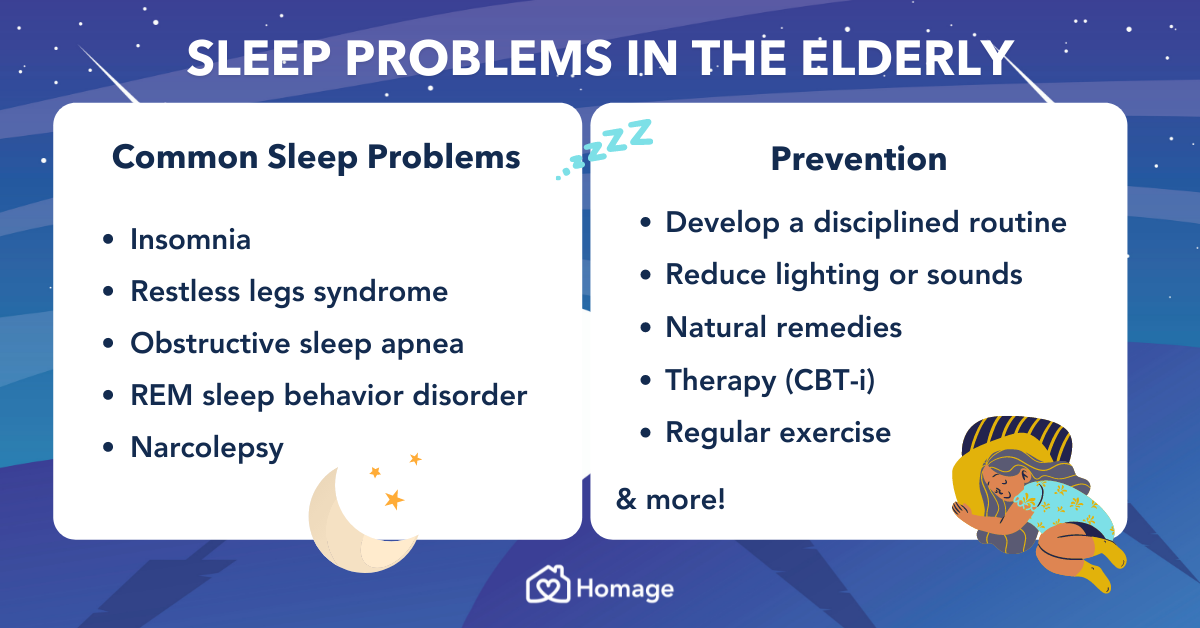
If sleep loss leads to persistent daytime sleepiness, mood changes, memory problems, or more falls, it’s time to investigate underlying causes. Sleep disorders like sleep apnea, restless legs, and insomnia become more common with age and may need medical evaluation. For clinical research on interventions, see related studies at PubMed (PubMed review).

Practical sleep hygiene tips (easy to start tonight)
Here are evidence-based, easy-to-follow habits to improve sleep. These form the backbone of effective sleep hygiene for older adults.
1. Keep a consistent sleep schedule
Go to bed and wake up at the same times every day — yes, even on weekends. This trains your internal clock and improves sleep quality. The NIA recommends this exact strategy and offers clear guidance on making a schedule work for everyday life (NIA: Sleep and Older Adults).
2. Create a calming bedtime routine
Wind down for 30–60 minutes before bed. Try gentle stretching, reading a book, or a warm bath. Avoid bright screens and exciting activities. A calm routine signals your brain that it’s time to sleep.
3. Make the bedroom a sleep sanctuary
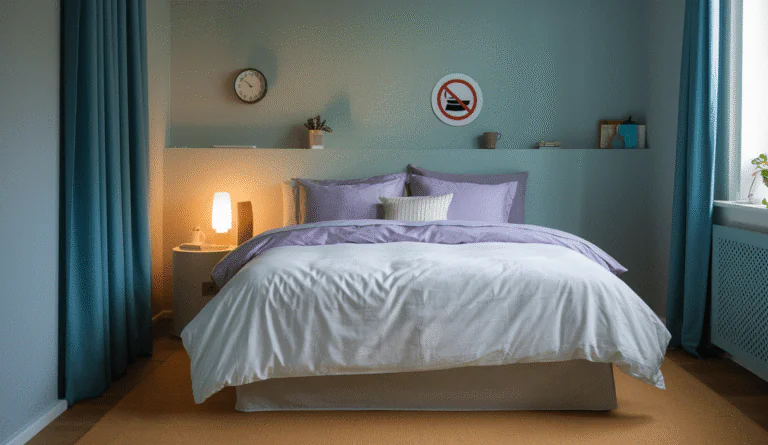
- Keep the room cool and dark.
- Use blackout curtains and reduce noise with white noise or earplugs.
- Reserve the bed for sleep and intimacy — avoid working or watching TV in bed.
4. Mind naps and daytime activity
Short naps (20–30 minutes) can boost alertness but long or late naps make it harder to fall asleep at night. Balance daytime rest with light activity like walking, gardening, or gentle strength exercises to improve sleep drive.
5. Watch what and when you eat and drink
Avoid heavy meals, alcohol, and large amounts of fluid within two to three hours of bedtime. Some beverages — chamomile tea, warm milk, and tart cherry juice — may help some people fall asleep, though results vary. For more practical beverage and food tips, see the HelpGuide resource (HelpGuide: Sleep and Aging).
6. Get daylight and manage evening light
Morning sunlight helps set your circadian rhythm. Try a 20–30 minute walk outdoors early in the day. In the evening, dim lights and avoid blue-light screens an hour before bed to encourage melatonin release.
Medication, supplements, and sleep aids
Many older adults consider pills or supplements. Use caution:
- Prescription sleep meds can help short-term but may cause daytime drowsiness, balance problems, and dependency.
- Over-the-counter antihistamines often cause morning grogginess and are generally not recommended for older adults.
- Melatonin may help reset sleep timing for some people but talk to a clinician before starting any supplement.
If sleep medications are being considered, review them with a healthcare provider to weigh benefits and risks.
Problems that need medical attention
Not all sleep trouble is solved by hygiene alone. See a provider if you have:
- Loud snoring, gasping, or choking during sleep (possible sleep apnea).
- Legs that twitch or kick frequently at night (possible restless legs or periodic limb movement).
- Persistent insomnia lasting weeks despite good habits.
- Excessive daytime sleepiness that affects daily safety and function.
For comprehensive information on sleep disorders in older adults, the Sleep Foundation offers detailed guides (Sleep Foundation), and the NIA page lists common conditions and tips (NIA: Sleep and Older Adults).
Practical routines and sample schedules
Below are sample routines that respect common age-related shifts. Tailor them to your natural timing.
Sample 1: Early bird routine
- 6:30 AM — Wake, get 20 minutes of sunlight while having coffee or tea.
- 9:00 AM — Light physical activity (walking, tai chi).
- 12:30 PM — Lunch; avoid heavy late meals.
- 1:30 PM — Short nap (20 minutes) if needed.
- 7:30 PM — Light dinner; dim lights after 9 PM.
- 9:30 PM — Bedtime routine (bath, read, relax).
Sample 2: Later schedule for night owls
- 8:00 AM — Wake, light exposure or short walk.
- 10:00 AM — Moderate activity (swimming, strength class).
- 2:00 PM — Avoid long afternoon naps; keep naps short.
- 11:00 PM — Calming routine and bed.
Sleep hygiene for older adults: Troubleshooting common obstacles
Here are quick fixes for frequent challenges.
I wake up too early
Try delaying your bedtime by 15–30 minutes to shift your wake time later. Limit caffeine after noon and avoid late naps.
I can’t fall back asleep after waking
Get out of bed and do a quiet, low-light activity (read or stretch) until you feel sleepy again. Avoid checking the phone or bright lights.
Frequent bathroom trips wake me
Limit fluids in the two hours before bed but stay hydrated earlier in the day. Talk to your clinician if nocturia persists; it can be a sign of medical conditions that are treatable.

Role of caregivers and family
If you support an older adult, your help with routine, environment, and medical follow-up can make a big difference. Encourage daytime activity, a predictable schedule, and a calm nighttime environment. For specific caregiver tips, resources like the National Council on Aging can be useful (6 Sensible Sleep Tips).
When to try structured therapy
For chronic insomnia, cognitive behavioral therapy for insomnia (CBT-I) is the gold-standard, non-drug treatment. Many older adults respond well to CBT-I techniques, which teach ways to change habits and thoughts that interfere with sleep. Ask your provider about CBT-I or behavioral sleep medicine referrals.
Technology and tools that help
Simple tools can support better sleep:
- Low-blue-light settings or apps to reduce screen stimulation at night.
- Smart lighting that mimics sunrise and sunset.
- Wearables and sleep trackers — useful for patterns, but don’t obsess over nightly numbers.
Video: Quick tips for better sleep
Video: Sleep tips and strategies for older adults
Putting it all together: a 4-week plan
Small, steady changes work best. Try this simple 4-week plan:
- Week 1: Pick a consistent wake-up time and get morning light every day.
- Week 2: Build a 30–60 minute bedtime routine and dim lights one hour before bed.
- Week 3: Limit naps to 20 minutes and schedule daily moderate activity.
- Week 4: Review medications and sleep aids with your clinician and try sleep-friendly food choices.
If progress stalls, ask your clinician about CBT-I or a sleep medicine referral. Research supports combining education, behavioral changes, and interdisciplinary care for older adult sleep problems (PubMed review on interventions).
Key takeaways
- Sleep hygiene for older adults centers on consistent timing, a calm sleep space, daytime activity, and thoughtful habits around food, fluids, and naps.
- If symptoms persist, evaluate for sleep disorders like sleep apnea, restless legs, or chronic insomnia.
- Non-drug therapies like CBT-I are effective and recommended for long-term improvement.
Resources and further reading
Trusted sources to explore:
- NIA: Sleep and Older Adults — practical tips and an easy-to-read booklet.
- NIA easy-to-read booklet — printable guide on sleep hours and disorders.
- HelpGuide: How to Sleep Well as You Age — lifestyle tips and routines.
- NCOA: 6 Sensible Sleep Tips — caregiver-friendly suggestions.
Sleep changes with age are common, but many can be managed with the right habits and care. Use these steps to build better nights and brighter days.
Call to action: Try one change tonight — pick a consistent wake-up time or dim lights one hour before bed — then explore more guides on zenpulsehub.com to keep improving your sleep and wellbeing.
Frequently Asked Questions
How many hours of sleep do older adults need?
Most adults, including older adults, need about 7–9 hours per night. Quality matters as much as quantity. If you feel alert and functional during the day, your sleep is likely sufficient. For more details, see the NIA booklet (easy-to-read booklet).
Is it normal to nap during the day as you age?
Short naps (20–30 minutes) can be helpful for energy and are normal. Long or late naps can interfere with nighttime sleep. Keep naps brief and earlier in the afternoon.
When should I see a doctor about my sleep?
See a clinician if you have loud snoring, gasping at night, persistent insomnia, severe daytime sleepiness, or symptoms like frequent leg movements. These may indicate treatable sleep disorders such as sleep apnea or restless legs.
Are sleep medications safe for older adults?
Some prescription sleep aids can help short-term but carry risks like daytime drowsiness, falls, and dependence. Over-the-counter antihistamines are usually not recommended for older adults. Discuss options with your healthcare provider and consider non-drug therapies first.
Can exercise improve sleep?
Yes. Regular physical activity, especially earlier in the day, can improve sleep quality. Aim for moderate exercise most days, but avoid vigorous workouts right before bedtime.