
Sleep Hygiene for Students: Simple Tips
Sleep hygiene for students is one of the simplest and most powerful ways to boost concentration, memory, and mood during college and beyond. With changing schedules, late-night study sessions, and social life pressures, students often sacrifice sleep — but small, consistent habits can make a big difference.
Why good sleep habits matter for students
College and university life can be exciting — and exhausting. Poor sleep habit patterns lead to reduced learning, impaired judgment, and mood swings. Research shows that college students often have variable sleep schedules and behaviors (like caffeine and alcohol) that harm sleep quality. See one study on variable schedules and student behaviors for more detail: PubMed: student sleep patterns.
Sleep Hygiene for Students: Top Tips
Below are practical, evidence-based steps you can start using this week. These tips are designed for busy students who must balance studying, part-time work, and a social life.
1. Keep a consistent sleep schedule
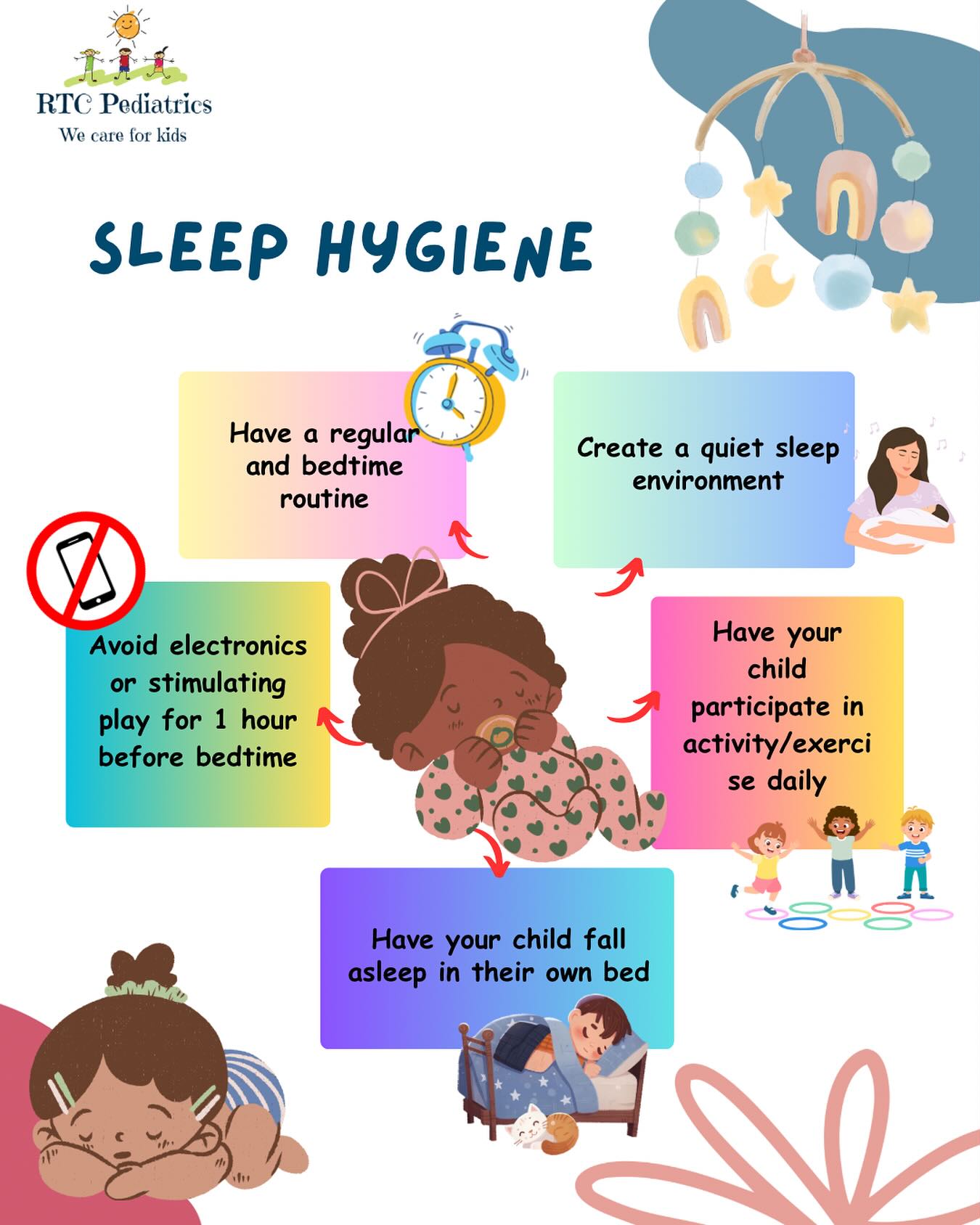
Go to bed and wake up at the same time every day, even on weekends. Your body’s internal clock (circadian rhythm) rewards regularity with easier sleep onset and better quality. If you need to shift your schedule, move by 15–30 minutes each day.
2. Create a short pre-sleep routine
A 20–30 minute routine signals your brain that sleep is coming. Include calming activities such as:
- Dim lights and quiet time
- Light reading (paperbook or e-ink)
- Gentle stretching or breathing exercises
- Journaling to clear your thoughts
3. Manage light exposure
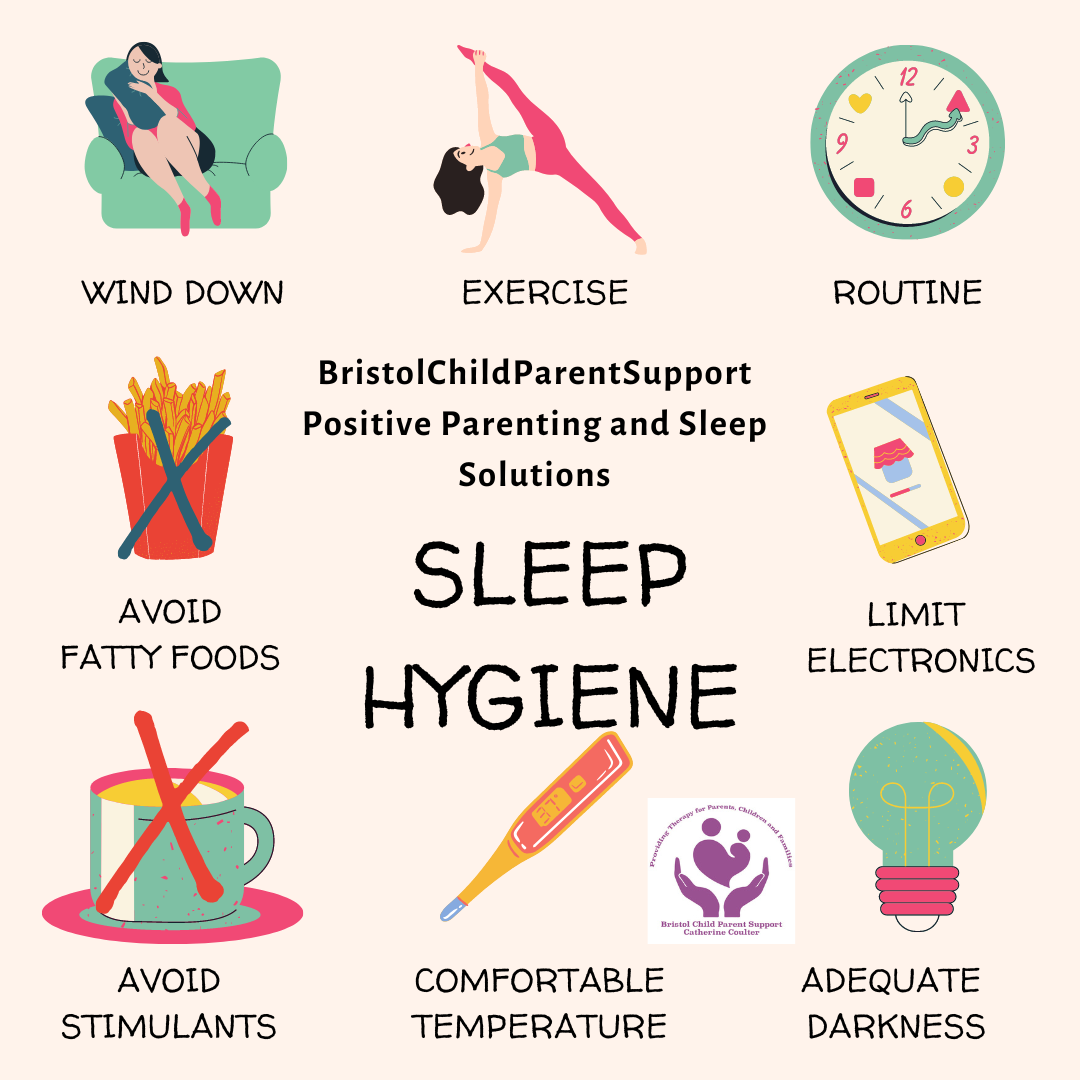
Light strongly influences sleep timing. During the day, get natural light exposure — especially in the morning. In the 1–2 hours before bed, reduce bright and blue light by using night mode, blue-light filters, or better, avoiding screens when possible.
4. Watch caffeine, alcohol, and late meals
Caffeine can stay in your system for hours. Avoid caffeine 6–8 hours before bedtime. Alcohol may help you fall asleep but fragment sleep later in the night. Heavy meals close to bedtime can also disrupt comfort and digestion.
5. Make your sleep space do the heavy lifting
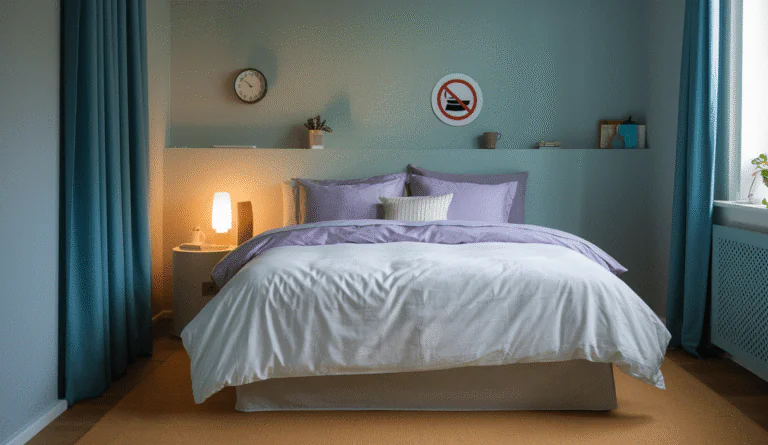
Optimize your room for sleep: cool temperature, minimal noise, and a comfortable mattress and pillow. If noise is an issue, try earplugs or white noise.
Study hacks that protect sleep
Studying effectively doesn’t require all-nighters. Try these strategies to protect sleep without sacrificing grades:
- Use focused study blocks (e.g., Pomodoro 25/5 or 50/10) to increase efficiency.
- Prioritize tasks: Tackle high-value tasks earlier in the day when concentration is highest.
- Schedule review sessions across multiple days rather than cramming the night before.
- Keep a short “worry list”: write down tomorrow’s tasks before bed to reduce rumination.
Technology and sleep: practical boundaries
Phones, laptops, and social apps can be major sleep stealers. Set simple rules:
- Turn off nonessential notifications at night.
- Use app limits or a ‘wind-down’ mode 30–60 minutes before bed.
- Keep devices off the bed — charge them across the room.

Common student sleep problems and quick fixes
Many students report poor sleep quality and inconsistent routines. Studies show inadequate sleep hygiene practices among university students, and other research finds reduced subjective sleep quality in medical students specifically: PubMed: sleep quality in medical students. Here are fixes for common issues:
Problem: Falling asleep takes a long time
Fixes: shorten evening screen time, add a relaxing pre-sleep routine, and try progressive muscle relaxation or 4-7-8 breathing.
Problem: Waking up tired
Fixes: improve sleep regularity, check room temperature (aim for 16–19°C / 60–67°F), and limit late-night alcohol. For ongoing fatigue, consider tracking your sleep or speaking with health services.
Problem: Nighttime studying keeps you wired
Fixes: move mentally-stimulating tasks earlier and replace late-night cramming with spaced review. If you must study late, finish at least 30–60 minutes before bed and follow a calming activity.

When to seek help
If you’ve tried improving sleep habits for several weeks and still experience persistent daytime sleepiness, loud snoring, pauses in breathing, frequent awakenings, or signs of mood or academic decline, talk to campus health services or a sleep specialist. Clinical assessments can uncover conditions like sleep apnea or circadian rhythm disorders that need treatment.
For more evidence on how student habits affect sleep, see this older analysis of college behaviors and sleep patterns: Tandfonline: college sleep behaviors.
Quick sleep hygiene checklist for students
- Same wake-up time daily
- 30–60 minute wind-down before bed
- Limit caffeine after mid-afternoon
- Optimize the bedroom: cool, dark, quiet
- Use focused study blocks to avoid late-night cramming
Practical week-by-week plan
Follow this small-step plan to build better sleep in four weeks:
- Week 1: Set a fixed wake time and get morning light.
- Week 2: Move bedtime earlier by 15–30 minutes and add wind-down time.
- Week 3: Remove screens 30–60 minutes before bed and limit caffeine.
- Week 4: Optimize sleep environment and refine study schedule to avoid late nights.
Extra resources
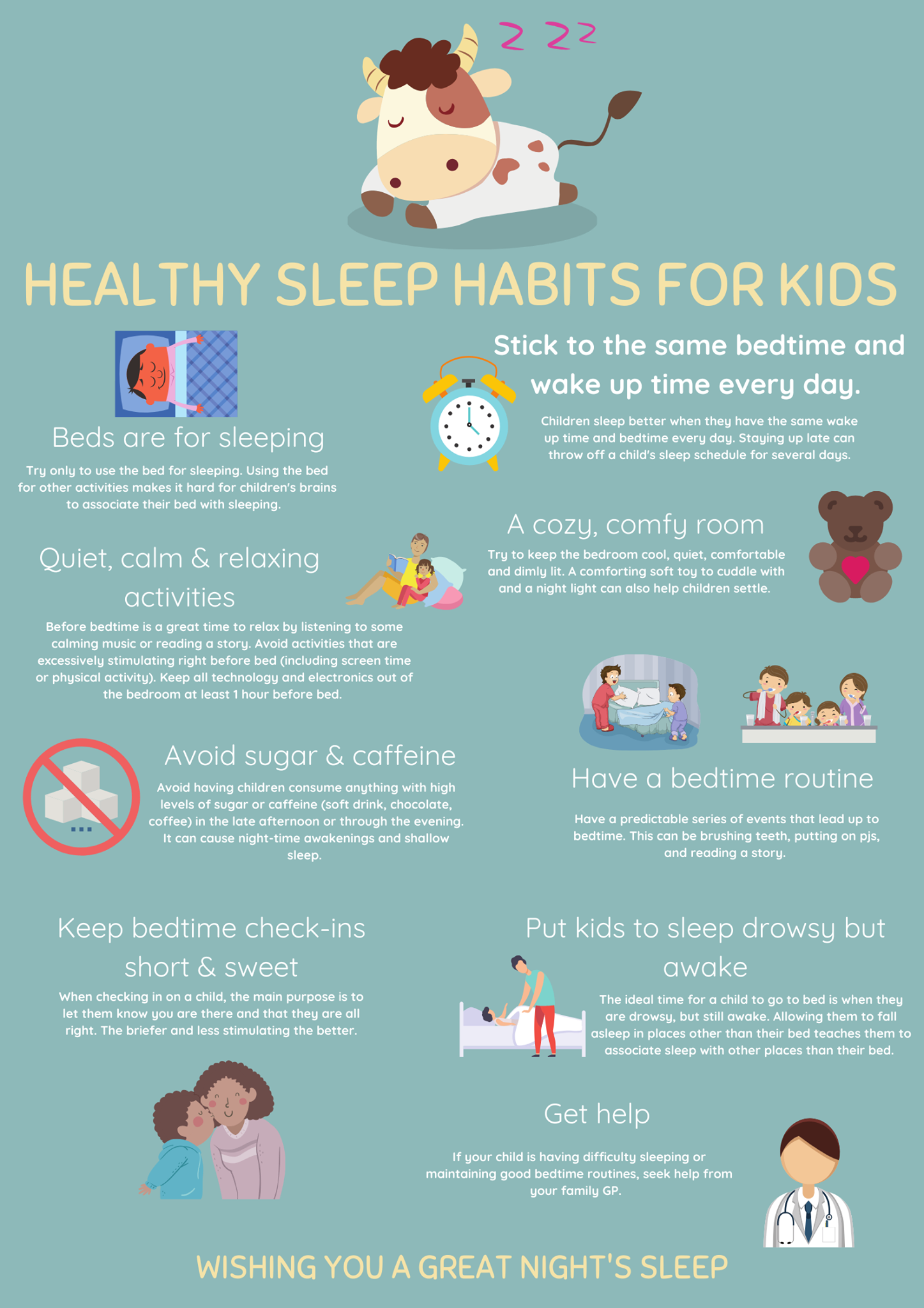
Want to dive deeper into strategies and research? Check out sleep health resources for kids and basic sleep strategies (helpful for families and students who are also caregivers): Sleep Foundation: sleep strategies. For peer-reviewed findings on student sleep behaviors and outcomes, read the open-access article at PMC: PMC10276586.
Short-term fixes when you need a quick reset
If you know you’ll have a late night (exam or project), try these immediate actions to limit harm:
- Nap smartly: 20–30 minutes early afternoon nap to boost alertness.
- Hydrate and eat light — avoid heavy comfort foods late at night.
- Use caffeine strategically: small dose earlier in the night, avoid large late doses.
- Plan recovery: schedule an earlier bedtime the next night and avoid piling on extra responsibilities for 24–48 hours.
Wrapping up
Sleep hygiene for students is not about strict rules — it’s about creating a friendly routine that helps your brain learn, remember, and recover. Start with one small change this week: pick a consistent wake-up time or begin a 20-minute wind-down before bed. Small, steady habits add up fast.
Want more guides? Explore additional articles and practical checklists at zenpulsehub.com to build resilient sleep habits, sharper focus, and better well-being.
Frequently Asked Questions
How many hours should a student sleep?
Most young adults do best with 7–9 hours of sleep nightly. Quality matters, so aim for consistent timing and uninterrupted sleep when possible.
Is napping bad for nighttime sleep?
Short daytime naps (20–30 minutes) can improve alertness without harming nighttime sleep. Long or late naps may make it harder to fall asleep at night.
Can exercise improve my sleep?
Yes. Regular moderate exercise improves sleep quality. Try to finish vigorous workouts at least 2–3 hours before bedtime to avoid being too energized at night.
When should I see a doctor about sleep issues?
If poor sleep persists despite good sleep hygiene, or if you have loud snoring, breathing pauses, or severe daytime sleepiness, consult your campus health center or a sleep specialist.