


Breathwork Routines for Focus at Work
Breathwork Routines for Focus at Work are simple, science-backed breathing patterns you can do at your desk to sharpen attention, lower stress, and reset your energy in minutes. In this guide you’ll get easy step-by-step routines, quick tips for using them during the workday, and links to trusted resources so you can practice safely and effectively.

Why breathwork helps you focus
Breathing is one of the fastest ways to influence your nervous system. By changing the rhythm and depth of your breath you can move out of reactive stress patterns and into a calmer state that supports clear thinking, better decision-making, and sustained attention. Multiple studies show that breath awareness and structured breathing exercises can reduce anxiety and improve concentration — which is exactly what you need during a busy workday (research overview).
Science in brief
Focused breathwork affects the parasympathetic nervous system, lowers heart rate, and can reduce cortisol levels. Clinical and wellness sources such as the NHS recommend simple breathing techniques for stress and panic because they are accessible and fast to practice (NHS guide).
Quick breathwork routines to use at work
Below are five practical routines designed for different moments at work: quick resets, mid-meeting grounding, pre-presentation calm, and deeper resets between tasks. Use them in short bursts (1–10 minutes) and adapt counts to your comfort.
1. One-minute reset (for emails or after a meeting)
A fast routine to re-center when you feel scattered.
- How: Sit tall. Inhale quietly for 4 counts, exhale gently for 6 counts. Repeat 6–8 times.
- Why it works: Longer exhales stimulate the vagus nerve and promote calm, helping you return to focused work.
- When: After task switches, quick breaks, or small spikes of anxiety.
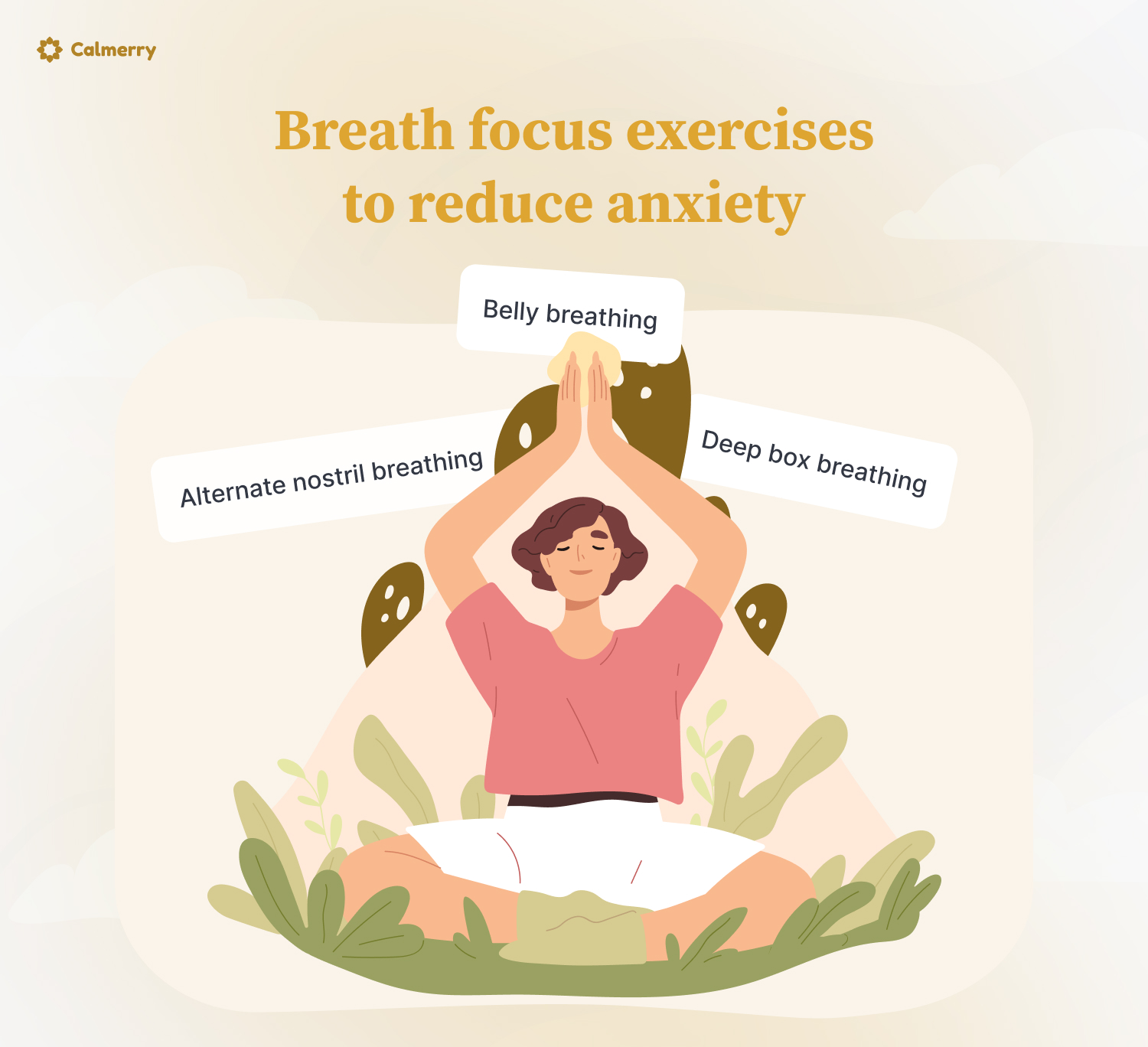
2. Box breathing — steady and reliable
Box breathing (equal counts for each phase) builds steady focus and is popular with professionals for its simplicity.
- How: Inhale 4, hold 4, exhale 4, hold 4. Repeat 4–6 cycles.
- Benefits: Regulates attention, reduces jitteriness, and fits easily into a 2–5 minute break.
3. 4-7-8 breathing — calm and grounding
This pattern helps lower anxiety quickly and is useful before presentations or stressful calls.
- How: Inhale 4, hold 7, exhale 8. Repeat 3–5 times. If 7-second holds feel long, reduce to 4-4-6 to start.
- Tip: Keep inhalations gentle — the power is in the extended exhale.
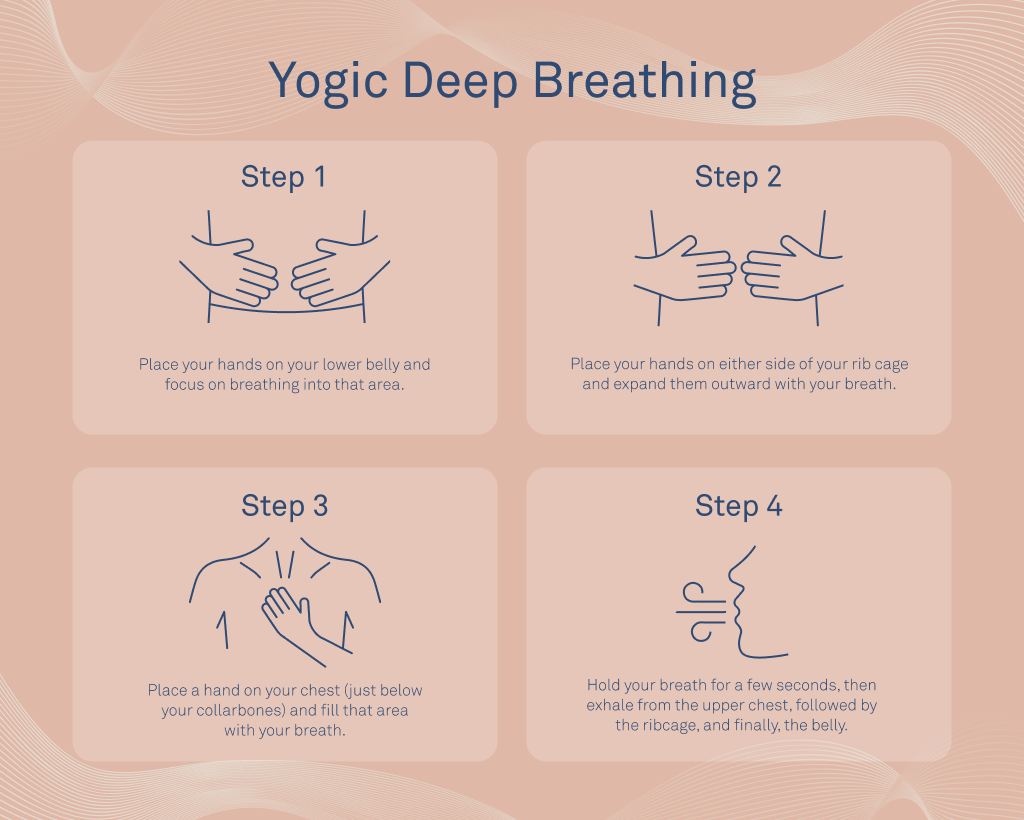
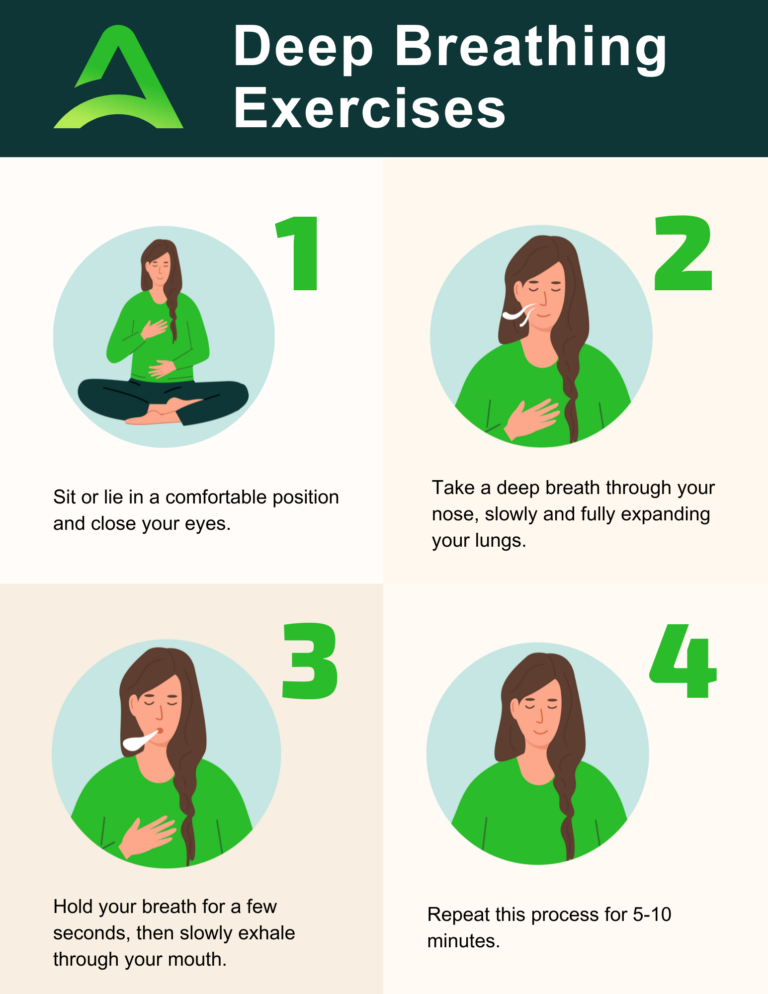
4. Diaphragmatic breathing (5–10 minutes)
Also called belly breathing, this technique improves oxygen exchange and reduces shallow chest breathing that increases fatigue.
- How: Place a hand on your belly. Inhale through the nose for 4 counts, feel the belly rise. Exhale for 6 counts, feel the belly fall. Continue 6–10 minutes.
- Best for: Midday energy slump and longer focus sessions after lunch.
5. Pomodoro breath combo (between work cycles)
Use breathwork between focused Pomodoro sessions (25 minutes of work): a 60-second reset primes you for the next block.
- How: After your Pomodoro, sit up. Do three rounds of box breathing, then finish with three slow diaphragmatic breaths.
- Result: A quick mental reset that signals your brain it’s time to start the next focus block.
How to fit breathwork into a busy day
Consistency beats duration. Short, regular practices add up to better attention over time. Try these low-friction ways to make breathwork habitual:
- Link a breathing routine to an existing habit: before your morning coffee, after a meeting, or when you close an email.
- Use calendar reminders or a Pomodoro app to build micro-habits.
- Practice during short breaks — even 60–120 seconds helps.
- Consider guided sessions from apps and tools for structure and progress tracking (RelaxFrens app).
Breathwork at your desk or in a meeting
Many routines are discreet and workplace-friendly. For meetings, stick to subtle techniques: slow belly breaths, extended exhales, or a brief box-breathing cycle during agenda transitions. These keep you composed without drawing attention.
Practical tips to get the most from breathwork
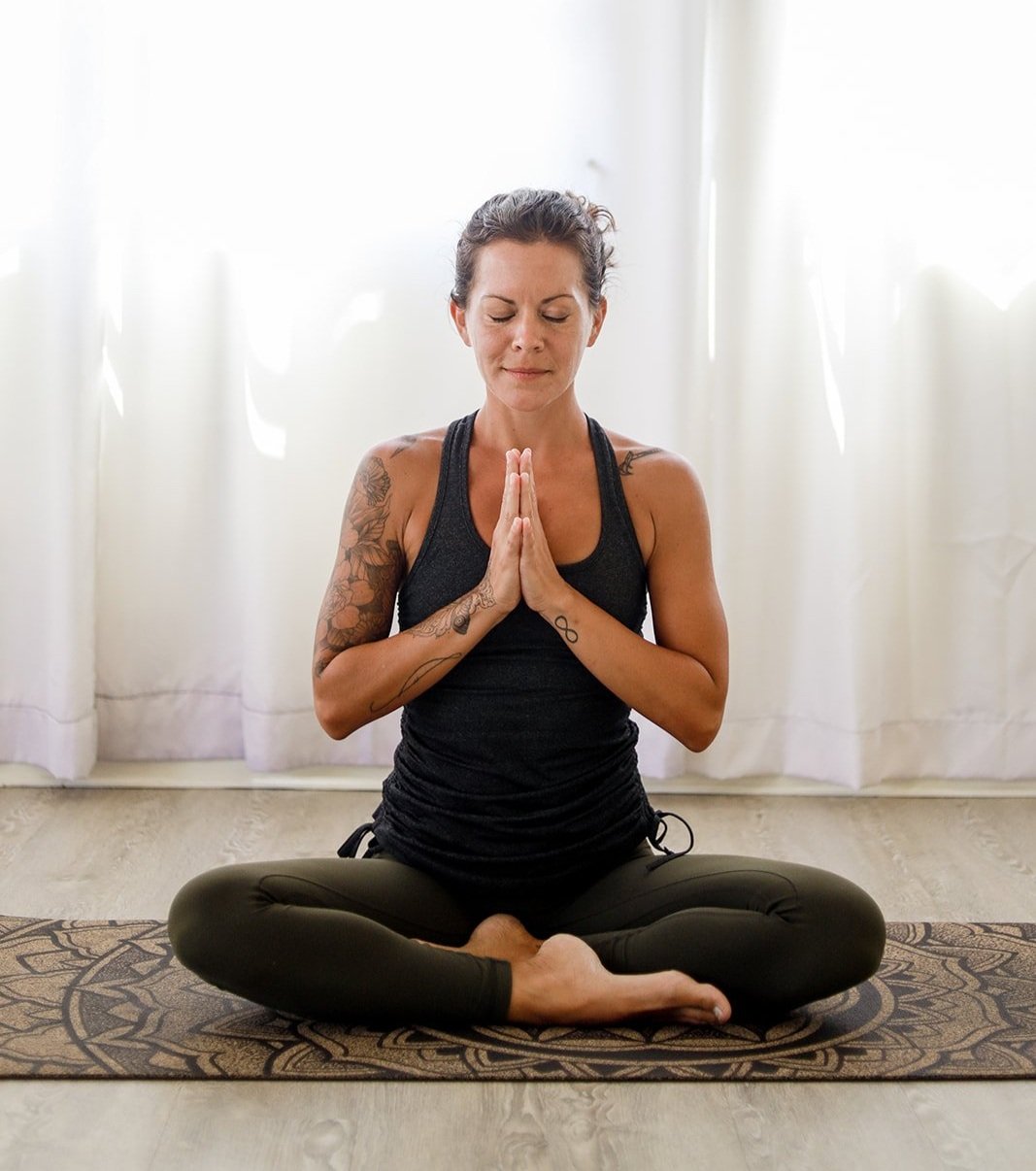
- Posture matters: Sit or stand tall to allow full lung expansion.
- Start small: 1–3 minutes a few times daily is better than long sessions you can’t keep up.
- Be consistent: Daily practice improves baseline focus and resilience over weeks.
- Combine with movement: A short walk with intentional breathing amplifies benefits — useful after long computer sessions. (See practical movement suggestions at Healthline.)
Safety notes and when to modify practice
Breathwork is low risk for most people, but it’s important to modify if you experience dizziness, tingling, or lightheadedness. Stop and return to normal breathing if this happens. People with respiratory conditions, cardiovascular issues, or pregnancy should check with a healthcare provider before trying longer or intense breath holds. For general safety guidance and calming techniques for panic and anxiety, the NHS provides clear, practical instructions (NHS breathing exercises).
How breathwork compares to other focus tools
Breathwork is complementary to other strategies like mindfulness, structured breaks, and sleep hygiene. The Mayo Clinic lists breath awareness as a core mindfulness practice that can help decrease job burnout and improve sleep — making it a powerful companion to broader self-care routines (Mayo Clinic on mindfulness).
Use with movement and tracking
If you use wearable trackers or activity reminders, pair breathwork with movement cues to reinforce the habit. Short exercise breaks plus calm breaths can boost both mood and cognitive performance (see exercise and rest guidance at PMC study).
Guided breathwork and apps
If you prefer guided sessions, several apps and platforms provide structured programs and progress tracking. These can help beginners stay consistent and learn proper timing. For example, the RelaxFrens app offers science-backed breathing sessions for stress relief, sleep, and focus (RelaxFrens).
Putting it together: a sample 10-minute focus routine
Try this short routine before a demanding task or meeting:
- Minute 0–1: Sit tall and do the One-minute reset (4 in, 6 out) — 8 cycles.
- Minute 1–3: Box breathing — 4 cycles of 4-4-4-4.
- Minute 3–6: Diaphragmatic breathing — slow 4 in, 6 out.
- Minute 6–8: Gentle stretch or short walk while maintaining deep belly breaths.
- Minute 8–10: Finish with two rounds of 4-7-8 to anchor calm before you start work.
This combination uses pacing and longer exhales to shift your nervous system into a focused, calm state — ideal before presentations, creative work, or high-concentration tasks.
How often to practice
For steady gains, aim for short daily practices. A simple recommendation: 3 micro-sessions (1–3 minutes) plus one longer 10–15 minute session 3–4 times per week. Over a few weeks you’ll likely notice better baseline focus and less reactive stress.
Final thoughts
Breathwork Routines for Focus at Work are a low-cost, accessible way to improve attention, reduce stress, and boost clarity during the day. Start with small, regular practices and adapt counts to what feels comfortable. Use apps or wearables if you want guided structure, and consult healthcare guidance if you have medical concerns. For more on practical breath techniques and daily mental performance tips, check resources like the NHS breathing guides and reputable health sites (NHS, Mayo Clinic, Healthline).
Ready to try it? Pick one routine and practice it for a week. You’ll likely notice clearer thinking, steadier mood, and smoother transitions between tasks.
End with a mindful breath — inhale clarity, exhale distraction.
Call to action: Explore more guides and routines at zenpulsehub.com to build a practical focus toolkit that fits your workday.
How often should I practice breathwork for better focus?
Short daily practices (1–3 minutes) plus one longer 10–15 minute session a few times per week are effective. Consistency is more important than lengthy sessions — frequent micro-practices build sustained benefits.
Can breathwork replace coffee for focus?
Breathwork and caffeine work differently. Breathing reduces stress and improves attention without the jitteriness or crash of caffeine. Many people use both: coffee for alertness and breathwork for calm, focused attention.
What if I feel lightheaded during exercises?
Stop and return to your normal breathing if you feel dizzy or tingling. Try gentler counts (for example, 4-4-6 instead of 4-7-8). If symptoms persist, consult a healthcare professional. Trusted resources like the NHS breathing guide offer safe, beginner-friendly techniques.
How long before I see results?
Some benefits (calm, clearer thinking) can be felt immediately after a short session. More enduring improvements in baseline focus and stress resilience often appear with consistent practice over several weeks.






