
Foods That Improve Sleep Quality Tonight
Foods that improve sleep quality can help you fall asleep faster, stay asleep longer, and wake up more refreshed. Small changes at dinner and before bed—like choosing kiwi, almonds, or chamomile—make a big difference in how well you rest. This guide explains the best foods, the science behind them, and practical tips you can use tonight.
Why food affects sleep
What you eat influences sleep through nutrients that change brain chemistry, hormones, and body temperature. For example, foods that contain tryptophan, magnesium, or melatonin precursors help the brain make calming chemicals. Conversely, heavy high-sugar meals or late-night snacks can fragment sleep. For an accessible review of how diet affects sleep, see the Sleep Foundation summary, which highlights herbal teas like chamomile and other sleep-friendly options.
Foods That Improve Sleep Quality: top picks
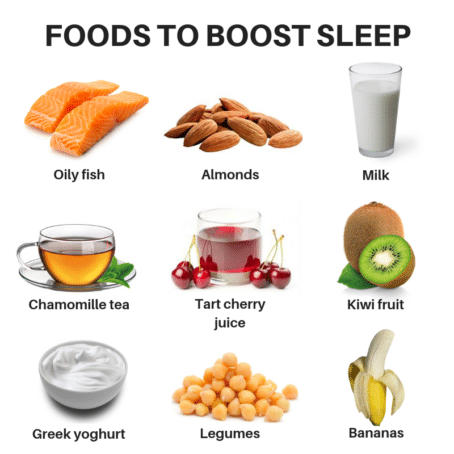
Here are evidence-backed choices you can add to your routine. Each supports sleep through different mechanisms—some raise melatonin, others boost GABA or magnesium.
1. Tart cherry juice
Tart cherries are a natural source of melatonin. Studies show that drinking tart cherry juice can modestly increase sleep time and improve quality. Try 4–8 ounces in the evening or earlier in the afternoon if you’re sensitive.
2. Kiwi
Kiwi is rich in antioxidants and serotonin precursors. Small clinical trials suggest eating two kiwis one hour before bed improved sleep onset and duration. It’s a light, low-calorie option for a late snack.
3. Almonds and other nuts
Almonds provide magnesium and a small amount of melatonin. Magnesium relaxes muscles and supports GABA, a calming neurotransmitter. A handful of almonds or walnuts before bed can be a simple habit to improve sleep.
4. Fatty fish
Salmon, mackerel, and trout contain omega-3 fats and vitamin D—both linked to better sleep. Studies find that higher omega-3 intake can help regulate sleep and reduce sleep disturbances.
5. Chamomile tea
Chamomile is a classic bedtime herbal tea. Research suggests it can reduce anxiety and improve sleep quality for some people. For evidence and context, the Healthline review lists chamomile among effective bedtime drinks.

Nutrients that support better sleep
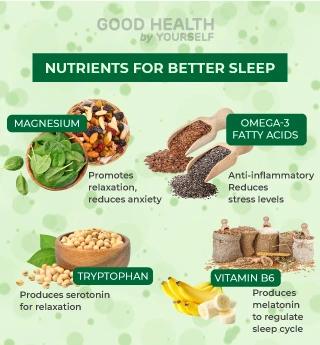
Understanding key nutrients helps you pick foods that improve rest. Here are the main players:
- Tryptophan: An amino acid found in turkey, dairy, and nuts. The brain converts it to serotonin and melatonin.
- Melatonin: Found in tart cherries and some foods; the hormone that signals sleep.
- Magnesium: Present in almonds, spinach, and pumpkin seeds; helps muscles and nervous system relax.
- Omega-3 fatty acids & Vitamin D: Found in fatty fish; linked to sleep regulation.
- Antioxidants: Fruits like kiwis and berries reduce oxidative stress that can disturb sleep.
Science-backed tips
Long-term diet patterns matter. A study reviewed on PubMed Central notes that late-night heavy eating often hurts sleep. Focus on balanced meals earlier in the evening and light, nutrient-rich snacks close to bedtime.
Simple meal and snack ideas
Try these approachable combos to support sleep without feeling overly full:
- Greek yogurt with a drizzle of tart cherry juice and a few almonds.
- Whole-grain toast with peanut butter and sliced banana (tryptophan + carbs).
- Baked salmon with a side of steamed spinach (omega-3s + magnesium).
- Two kiwis or a small bowl of mixed berries 45–60 minutes before bed.
- A cup of chamomile tea 30–60 minutes before lights out.
When to eat
Timing matters. Eating a large meal right before bed can cause indigestion and disturb sleep. A light snack that includes protein and a complex carb 30–60 minutes before bed can be beneficial, but avoid heavy, spicy, or high-sugar foods late at night. For more on meal timing and its sleep effects, Medpark Hospital summarizes practical advice in their guide: 6 Foods to Improve Your Sleep Quality.

Foods to avoid close to bedtime
Some foods and drinks work against sleep. Avoid these within 2–3 hours of bedtime:
- Caffeine: Coffee, many teas, and some sodas can stay in your system for several hours.
- Alcohol: It can make you drowsy initially but fragments sleep later in the night.
- Large, fatty meals: These can cause reflux and restless sleep.
- Spicy foods: They may trigger indigestion or raise body temperature.
Practical plan: a one-day menu for better sleep
This sample day focuses on whole foods and sleep-supportive nutrients:
- Breakfast: Oatmeal with sliced banana and a sprinkle of walnuts.
- Lunch: Grilled salmon salad with mixed greens, pumpkin seeds, and quinoa.
- Snack: Greek yogurt and a handful of almonds.
- Dinner: Turkey chili with brown rice and steamed spinach.
- Before bed: A small bowl of cherries or 2 kiwis and a cup of chamomile tea.
How much effect can food have?
Food alone won’t fix chronic sleep disorders, but it can meaningfully improve sleep quality for many people. Lifestyle factors like stress, light exposure, exercise, and bedtime routines also play major roles. ColumbiaDoctors provides a helpful overview of nutrients and food groups that support sleep: Eat Right, Sleep Right.
What the research says
Clinical studies and reviews suggest modest but consistent benefits from certain foods (kiwi, tart cherries, magnesium-rich nuts, and chamomile). A broader review on nighttime eating noted that heavy late-night intake can harm sleep, highlighting the balance needed between timing and food choices (PMC study).

Watch: quick tips and recipes
Below is a short video that highlights five foods to try. It’s a quick watch if you prefer visual tips.
Video: 5 Foods That Improve Sleep Quality
Top tips to make food changes stick
- Start small: Add one sleep-supportive snack this week, like a kiwi or a small handful of almonds.
- Plan dinner timing: Finish large meals 2–3 hours before bed.
- Balance meals: Combine protein, healthy fats, and complex carbs to stabilize blood sugar at night.
- Track improvements: Keep a simple sleep log to notice trends after dietary tweaks.
When to see a doctor
If sleep problems persist despite diet and lifestyle changes, seek medical advice. Chronic insomnia, loud snoring, or daytime sleepiness are signs to consult a clinician. Nutrition helps, but it’s part of a bigger picture that includes sleep disorders and mental health.
Helpful resources
For deeper reading, these trusted sites cover nutrition and sleep science:
- Sleep Foundation: Food & Drink to Promote Good Sleep
- Healthline: 9 Foods to Help You Sleep
- Medpark Hospital: 6 Foods to Improve Your Sleep Quality
- PMC: Night Eating and Sleep
Wrap-up
Small, consistent changes to what you eat can help you sleep better. Try adding one or two of the foods above this week and notice how your sleep responds. Consuming foods that improve sleep quality—like tart cherries, kiwi, almonds, and chamomile—can be a gentle, natural way to support rest.
Ready to sleep better? Explore more guides and practical how-tos at zenpulsehub.com for step-by-step tips to improve rest naturally.
Which single food improves sleep the most?
Tart cherry juice and kiwifruit both have good evidence. Tart cherry juice provides melatonin, and kiwi may boost antioxidants and serotonin precursors. Results vary by person, so try one at a time to see which helps you most.
Can I eat before bed without hurting sleep?
Yes—if you choose a light, nutrient-dense snack like a small handful of almonds, yogurt, or a kiwi. Avoid heavy, spicy, or sugary meals within 2–3 hours of bedtime to reduce the risk of disrupted sleep.
Do supplements work as well as food?
Some supplements (magnesium, melatonin) help certain people, but whole foods provide additional nutrients and benefits. Check with a healthcare provider before starting supplements, especially if you take medications.
How long until I notice improvements?
Some people notice changes within a few nights; for others, consistent adjustments over 2–4 weeks produce clearer results. Track your sleep and stick to a routine for the best insight.