
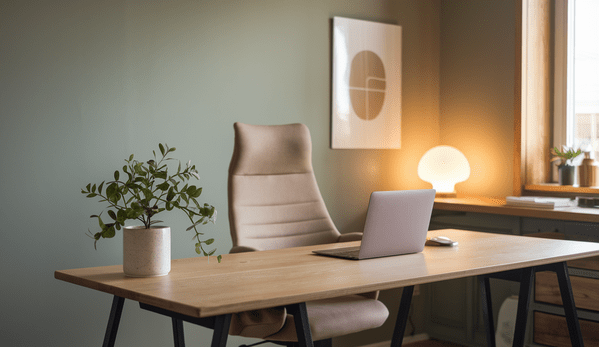

Creating a Stress-Free Home Office: Simple Steps
Creating a Stress-Free Home Office starts with small, intentional choices that cut clutter, improve comfort, and protect your focus. This practical guide walks you through layout, lighting, ergonomics, and daily habits so your workspace supports calm, productivity, and well-being.

Why a calm workspace matters
Working at home can blur lines between tasks and rest. A stress-free workspace helps you keep energy high, manage deadlines, and feel better at the end of the day. Small changes in design and routine can cut daily tension and improve focus.
Quick setup: Essentials to reduce stress fast
Start with five essentials that make the biggest immediate difference:
- Declutter: Clear surfaces and limit open storage.
- Ergonomics: Chair, desk height, and screen position matter.
- Light: Add natural light or soft task lighting.
- Noise control: Headphones, rugs, or white noise.
- Boundaries: Clear work hours and a dedicated zone.
Creating a Stress-Free Home Office: Layout & Light
How you position your desk and lights affects mood and productivity. Natural light boosts alertness and reduces stress hormones, while a thoughtfully arranged layout cuts friction in your day.

Position your desk
Place your desk so you have some view of the room and, if possible, natural light from the side. Avoid harsh backlighting that causes screen glare. If a window sits behind you, use curtains or an anti-glare monitor hood.
Lighting tips
- Use layered lighting: ambient + task lights.
- Choose warm-white bulbs for calm; cool-white for energetic tasks.
- Install a dimmer or adjustable lamp to tune brightness throughout the day.
Ergonomics: Comfort reduces physical stress
Poor posture leads to neck pain, headaches, and mental fatigue. Ergonomic adjustments minimize discomfort and help you stay focused longer.
Chair and desk setup
- Feet flat on the floor or a footrest.
- Elbows at 90 degrees when typing.
- Top of the screen at or slightly below eye level.
Small investments that help
Invest in a good chair, an external keyboard, and a monitor or laptop stand. These items pay off quickly by reducing aches and boosting comfort.

Declutter, organize, and simplify
Clutter increases stress by creating a sense of chaos. Use simple systems to keep your workspace tidy and your mind clear.
Declutter checklist
- Clear all surfaces; only keep daily essentials out.
- Use closed storage for paperwork and supplies.
- Digitize receipts and notes where possible.
- Adopt a 15-minute daily tidy ritual.
Colors, plants, and natural elements
Integrating natural elements calms the brain. Add a plant, a natural-fiber rug, or muted wall colors to create a soothing backdrop.
Research shows plants lower stress and improve air quality — a simple step recommended by many workplace experts like those at Forbes who note the benefits of integrating plants in work environments.

Tech, noise, and distraction control
Technology makes remote work possible but also brings interruptions. Put clear systems in place to tame digital noise and create predictable focus windows.
Noise management
- Use noise-cancelling headphones or soft background sound.
- Try white noise apps or a fan to mask abrupt sounds.
- Set expectations with household members about work hours.
Focus tech tips
- Disable non-essential notifications during deep work.
- Use a single task manager and calendar to avoid context switching.
- Keep chargers, cables, and peripherals organized to prevent friction.
Healthy routines and boundaries
Clear routines reduce decision fatigue. Decide when you start, take breaks, and stop. Protecting these boundaries lowers stress and improves work-life balance.
Daily rhythm
- Start with a short ritual: stretch, make a drink, open blinds.
- Work in focused blocks (e.g., 50 minutes on, 10 minutes off).
- Take a real lunch break away from the desk.
- Close work at a set time and step into a non-work activity.
Stress relief tools and micro-breaks
Small rituals during the day can reset your mind. Use a simple toolkit to restore calm in minutes.
- 2-minute breathing: Inhale 4s, hold 4s, exhale 6s.
- Stretch circuit: Neck rolls, shoulder rolls, wrist stretches.
- Fidget or tactile tool: A magnetic desk toy can help restless hands focus — consider items like magnetic fidget sculptures available on Amazon for short, mindful breaks.
Maintenance: weekly and monthly habits
Keep your workspace easy by scheduling simple upkeep tasks so small chores don’t pile up and cause stress.
- Weekly: Declutter surfaces, empty inbox of small action items, wipe screens.
- Monthly: Review storage, donate unused items, update lighting or plant care.
- Quarterly: Reassess layout and ergonomics as your needs change.
Resources and further reading
Want more ideas? These resources offer practical tips to build a calm home office:
- ZenBusiness: The stress-free home office — an easy guide on creating productive, low-stress workspaces.
- Engage for Success — tips for employers and remote workers about boundaries and comfort.
- Forbes — why plants and small design choices matter in workplace wellbeing.
- Cherry Tree Centre — decluttering, calming colors and other home-focused stress reduction strategies.
Watch: A quick video guide
Here’s a short walkthrough with practical tips you can apply today:
Checklist: Your stress-free home office in 30 minutes
- Clear the desk: remove everything except essentials (10 minutes).
- Adjust chair and screen height (10 minutes).
- Add one plant and a soft light (5 minutes).
- Set a 50/10 focus timer and commit to one deep task (5 minutes).
Final notes on designing a personal sanctuary
Remember, the goal is not perfection but consistency. When creating a stress-free home office, prioritize what reduces your stress today and iterate over time. Small changes add up.
Ready to make a change? Start with one item from the checklist and build momentum. For more in-depth guides and practical templates, explore more articles at zenpulsehub.com.
Frequently Asked Questions
How long does it take to set up a stress-free home office?
Basic improvements (declutter, ergonomics, lighting) can be done in 30–90 minutes. Deeper investments like a new chair or layout may take a few days to research and order.
What’s the cheapest way to reduce stress at my desk?
Decluttering, adding a plant, improving lighting with a desk lamp, and setting clear work hours are low-cost changes that provide quick benefits.
Can plants really reduce stress in a home office?
Yes. Studies and reputable sources like Forbes note that plants improve mood and air quality. Even one small plant can help create a calmer environment.
What should I do if household noise is unavoidable?
Try noise-cancelling headphones, white-noise apps, or schedule focus blocks during quieter times. Set clear expectations with housemates to protect certain hours.
Conclusion: Take one small step today and your workspace will thank you. Explore more guides at zenpulsehub.com to keep improving your home office.






