
Wellness Gadgets Worth Investing In
Wellness gadgets are becoming essential tools for people who want to improve sleep, manage stress, and track health—all from home. In this guide you’ll learn why these devices are worth the investment, how to choose them, and which types deliver the biggest return on wellbeing.
Why Wellness Gadgets Belong in Your Routine
Investing in wellness gadgets is about more than cool tech. It’s about consistent, measurable improvements to everyday health. These devices often turn vague goals—like “sleep better” or “reduce stress”—into concrete actions with feedback. That feedback makes habits stick.
Real benefits you can expect
- Better sleep through trackers, smart lights, and sleep masks.
- Lower stress using breath trainers, biofeedback devices, and tone/HRV monitors.
- Improved fitness with accurate activity trackers and recovery tools.
- Clearer skin from LED devices and at-home skin scanners.
When chosen well, these tools save time and money by replacing repeated clinic visits or ineffective products. They help you act earlier—often before small issues become bigger ones.
How to Choose the Right Wellness Gadgets
Not all gadgets are equal. Here’s a simple checklist to evaluate gear before buying:
- Evidence: Look for clinical studies or peer-reviewed backing. Sites like Juvent highlight devices with research behind them.
- Reviews and editors: Trusted reviewers and shopping editors (like those on ZDNet) can point to high-value buys.
- Purpose: Buy for a clear need—better sleep, stress management, pain relief—not impulse.
- Data privacy: Understand how your health data is stored and shared.

Questions to ask about claims
Promotional claims can oversell benefits. Ask:
- Is the result backed by a clinical trial?
- Are the benefits sustained or temporary?
- Does the product require ongoing subscriptions or hidden costs?
Top Types of Wellness Gadgets That Deliver Value
Below are categories that consistently show benefit and have options at multiple price points.
1. Sleep tech
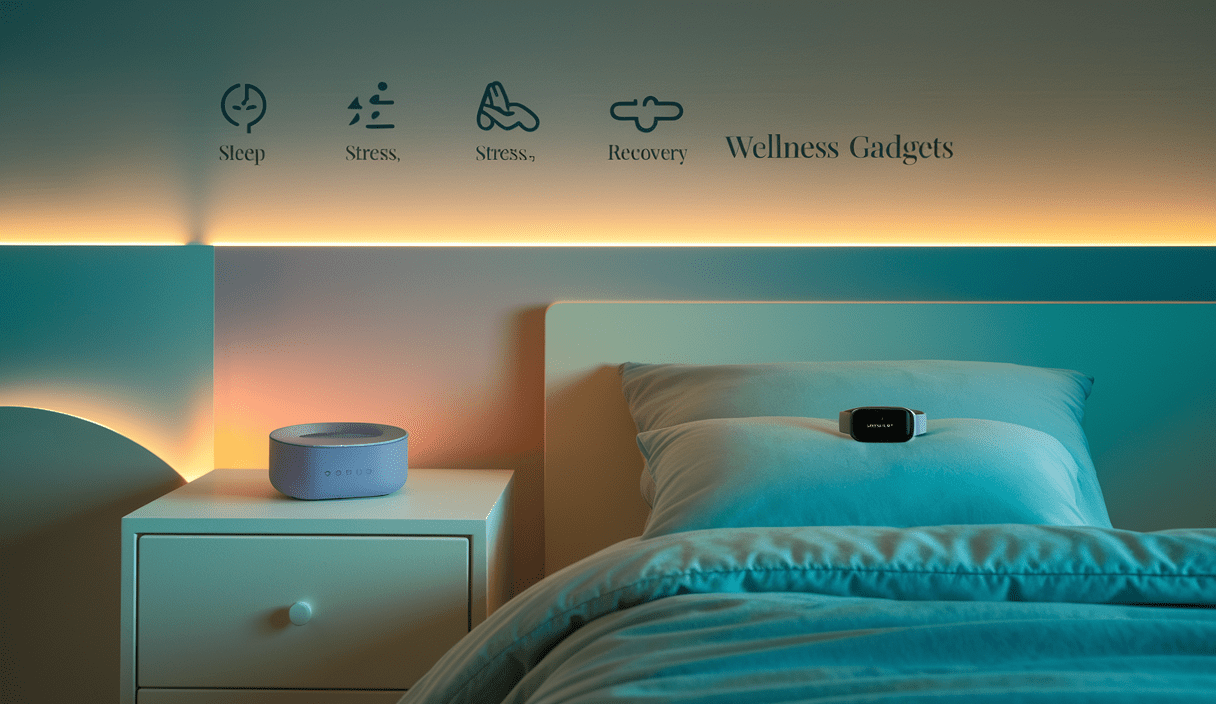
Devices like smart lights, sleep trackers, and sound machines help you understand and improve sleep quality. If you struggle with sleep latency or waking at night, small targeted tools can have an outsized effect.
2. Stress and recovery tools
Biofeedback devices, heart-rate variability monitors, and guided-breathing trainers can lower baseline stress. Many people see reduced anxiety and better focus within weeks of consistent use.
3. At-home skin and beauty tech
Devices such as handheld LED masks, microcurrent tools, and skin scanners let you track changes and apply treatments consistently. Publications like NZ Herald cover the next wave of beauty technology and what’s worth investing in.

4. Hydration and water tech
Innovations like hydrogen water devices claim wellness benefits. Some users report improved sleep or recovery, though value varies by product. The Independent covered personal experiences with hydrogen water and cost considerations in their review on high-priced devices (The Independent).
5. Home fitness and recovery
Smart fitness devices, percussive therapy tools, and wearable trackers help you train smarter and recover faster. These tools pay dividends by preventing injuries and optimizing workouts.

How to Maximize Return on Your Wellness Gadget Investment
Buying the gadget is only half the battle. To get the most benefit, follow these steps:
- Set clear goals: Define what success looks like (e.g., fall asleep within 20 minutes).
- Use consistently: Most devices need daily or nightly use to show effects.
- Track outcomes: Keep a simple log or use the device’s app to monitor progress.
- Combine tools: Pair tech with small habit changes (lighting, routine, hydration).
When a gadget might not be worth it
A device is less worth it if it duplicates something you already have, makes unrealistic claims, or requires expensive consumables. For unbiased perspective on whether gadgets and wearables are worth the price, see this practical take from FitnessCFGyms.
Practical Examples: What People Are Buying in 2025
Shopping editors and wellness writers often test a wide range of products. Recent roundups show favorites for different budgets. For example, ZDNet’s list of nine top wellness picks is a good place to spot seasonal deals (ZDNet).
Brands are improving quality and adding science-backed features. If you’re curious about at-home skin scanners or handheld LED masks, reviews like those on Rx Rejuvenate provide a solid breakdown of what works and why.

Budget vs premium picks
If you’re on a budget, prioritize one device that addresses your main pain point. If you have more to spend, build a small ecosystem: a sleep tracker, a stress biofeedback device, and a recovery tool. This layered approach often leads to the greatest improvements.
Short Case: From Curiosity to Habit
Meet Sam: he bought a simple breath trainer and a sleep light. Within a month he reduced nightly wake-ups and felt more focused during work. The tech didn’t change everything—Sam still adjusted his caffeine and screen time—but it gave him measurable data and a reason to change routines.
Common Myths About Wellness Gadgets
Let’s bust a few myths so you make smart purchases:
- Myth: All gadgets are expensive. Fact: Plenty of effective devices cost under $100.
- Myth: Gadgets replace medical advice. Fact: They supplement care and can flag when professional help is needed.
- Myth: More features equal better results. Fact: Simpler devices used consistently often beat complex ones used rarely.
Helpful Resources and Further Reading
Want to dive deeper? These sources provide reliable perspectives and product rundowns:
- NZ Herald — coverage on beauty-in-tech and next wave devices.
- Juvent — discusses which wellness gadgets have science behind them.
- FitnessCFGyms — practical view on value and use of wearables.
- Rx Rejuvenate — guides on skin tech and home devices.
- ZDNet — shopping editor picks and seasonal deals.
Watch: Quick Overview of Top Picks
Here’s a short video summary showing five popular devices and how they fit into daily life:
Final Thoughts
Wellness gadgets can be worth investing in when they solve a clear problem, are backed by evidence, and are used consistently. Whether you pick a sleep tool, recovery device, or skin tech, the right gadget can accelerate progress and help build healthier habits.
Remember: start with one need, research the product, and track outcomes. That’s the best formula for seeing real value from wellness tech.
Frequently Asked Questions
Are wellness gadgets safe to use daily?
Most consumer wellness gadgets are safe for daily use when you follow the manufacturer’s instructions. For medical conditions or if you take medication, consult a healthcare professional first.
How long until I see results from a wellness gadget?
Results vary. Some people notice changes in sleep or stress within 1–2 weeks; others need consistent use for several months. Track progress to judge effectiveness.
Do expensive wellness gadgets always perform better?
Not always. Price can reflect build quality or brand, but simple, well-designed devices used regularly often outperform flashy, expensive gadgets used rarely.
Can wellness gadgets replace professional care?
No. These tools supplement care and help with prevention and daily management. If you have serious health concerns, seek professional medical advice.
Ready to explore more guides and honest reviews? Visit zenpulsehub.com for practical tips and product roundups that help you choose the best wellness gadgets for your life.