
5 Reasons You’re Not Sleeping Well
5 Reasons You’re Not Sleeping Well is a question many of us ask after another rough night. If you wake up tired, wake during the night, or struggle to fall asleep, this guide will walk you through the most common causes and clear, practical fixes you can try tonight.
 Source: www.rightathome.net
Why this matters
Poor sleep affects mood, concentration, and health. If you are not sleeping well, small changes can make a big difference. Below we cover the 5 Reasons You’re Not Sleeping Well, practical fixes, and when to seek professional help.
1. Poor sleep habits and screen time
One of the most common reasons people are not sleeping well is modern sleep habits: irregular bedtimes, late-night screen use, and stimulants before bed. Blue light from phones and laptops suppresses melatonin and keeps your brain alert.
What to change:
- Set a consistent wake-up time — even on weekends.
- Stop screens 60–90 minutes before bed. Read a book or try low-light activities.
- Create a wind-down routine: dim lights, calm music, gentle stretching.
- Use blackout curtains and remove bright LEDs from the bedroom.
For more on how light and habits affect sleep, see the tips at Harvard Health, which explains how changing patterns and environment can reduce sleep quality as we age.
2. Stress, anxiety, and mental health
Worry and racing thoughts are huge reasons people are not sleeping well. Anxiety and depression both commonly disrupt falling and staying asleep.
Quick fixes:
- Practice a short evening mindfulness or breathing routine (5–10 minutes).
- Write down worries before bed to clear your mind.
- Limit news or work talk in the hour before bed.
- If symptoms of anxiety or depression persist, talk to a healthcare professional. Mood disorders often require targeted treatment to restore healthy sleep.
GoodRx’s overview on common sleep causes highlights how depression and mood issues can affect both falling and staying asleep: GoodRx – Why Can’t I Sleep.
3. Diet: caffeine, alcohol, and late meals
Your evening food and drink choices can easily be one of the 5 Reasons You’re Not Sleeping Well. Caffeine can stay in your system 6–8 hours; alcohol might help you fall asleep but fragments sleep later in the night.
Actionable changes:
- Limit caffeine after early afternoon. Try switching to decaf or herbal tea.
- Avoid heavy or spicy meals within 2–3 hours of bedtime.
- If you drink alcohol, allow several hours between your last drink and bedtime.
- Small, sleep-friendly snacks (like a banana or small yogurt) are fine if you’re hungry before bed.
Healthline notes how lack of sleep itself can also affect weight and cravings — sleep and diet influence each other a lot: Healthline – Sleep and Weight.
4. Medical issues, pain, and medications
Medical conditions — from chronic pain and acid reflux to sleep apnea and side effects of medications — are major reasons people are not sleeping well. Pain, breathing problems, or frequent bathroom trips interrupt sleep cycles.
Signs you may need medical help:
- Loud snoring, gasping, or choking during sleep (possible sleep apnea).
- Night sweats, frequent urination, or persistent pain.
- New sleep problems after starting a medication.
If you suspect a medical cause, consult a doctor. The Mayo Clinic has an excellent overview of insomnia causes and when to see a specialist.
5. Environment, schedule, and lifestyle
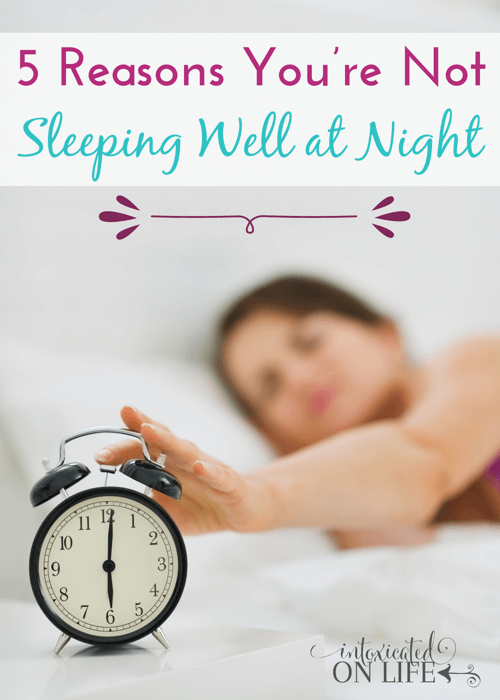
Your bedroom and schedule are two more of the 5 Reasons You’re Not Sleeping Well. Shift work, irregular sleep times, noisy neighbors, and uncomfortable temperature all break sleep.
Practical fixes:
- Keep your room cool (about 60–67°F / 15–19°C) and comfortable.
- Use earplugs or a white-noise machine if noise wakes you.
- If you work shifts, try to keep sleep blocks consistent and use blackout shades.
- Limit naps to 20–30 minutes early in the afternoon. Long or late naps can make it hard to sleep at night.
Harvard’s guide on reasons you might be losing sleep points to changes in sleep-wake patterns with aging and daily schedule as important factors: Harvard Health – Top 4 Reasons.
Other common sleep disruptors
Beyond the five core reasons above, a few additional issues often play a role:
- Medications and supplements with stimulating side effects.
- Irregular exposure to daylight — get bright light in the morning.
- Too much evening exercise for some people — try moving workouts earlier.
- Underlying sleep disorders like restless legs or circadian rhythm issues.
If your sleep problems continue despite good sleep habits and lifestyle changes, the Mayo Clinic explains when insomnia becomes chronic and why medical evaluation can help: Mayo Clinic – Insomnia Causes.
Quick, practical nightly routine to improve sleep
- Wind down 60–90 minutes before bed. Dim lights and avoid screens.
- Do a short relaxation practice (breathing, light stretching, or journaling).
- Keep sleep and wake times consistent, even on weekends.
- Make the room dark, cool, and quiet. Reserve the bed for sleep and intimacy.
- If you can’t fall asleep in 20 minutes, get up and do a quiet activity until you feel sleepy.
Watch: Simple tips to start sleeping better
Below is a short video that summarizes practical ways to improve sleep habits and address common disruptors.
When to see a doctor
Seek professional help if you have:
- Recurring daytime sleepiness that affects work or safety.
- Loud snoring, pauses in breathing, or gasping during sleep.
- Persistent insomnia despite trying sleep hygiene for several weeks.
- Severe mood symptoms, unexplained weight change, or medical issues disrupting sleep.
Reliable resources like Mayo Clinic and Harvard Health explain common medical causes and when to get evaluated.
How to address all 5 Reasons You’re Not Sleeping Well
To fix sleep you’ll often need to combine small changes across habits, environment, and health. Here’s a simple 2-week plan:
- Week 1: Set a consistent wake-up time, stop screens 90 minutes before bed, and adopt a wind-down routine.
- Week 2: Adjust diet and naps (no caffeine after 2pm, naps under 30 minutes), optimize bedroom environment, and practice nightly relaxation.
If improvements are limited after two weeks, book a visit with your primary care provider to check for medical causes or medication effects.
Final thoughts
There are many reasons people aren’t sleeping well. The good news: in many cases small, consistent changes — improving habits, reducing evening stimulation, fixing the bedroom, and addressing health issues — help a lot. Remember the 5 Reasons You’re Not Sleeping Well and try one simple change tonight.
Ready to sleep better? Start with one change tonight and keep a short sleep diary to track progress.
For more guides and simple sleep-friendly tips, explore our resources at zenpulsehub.com and keep learning how to rest better, feel better, and live better.
Frequently Asked Questions
Why do I wake up at 3 AM every night?
Waking around the same time can be tied to stress, late caffeine or alcohol use, a bathroom need, or a medical issue like sleep apnea. Try reviewing evening habits and room comfort, and consult a doctor if it continues.
Can my phone really stop me from sleeping?
Yes. Blue light and stimulating content delay melatonin release and keep the brain alert. Stop screens 60–90 minutes before bed and replace them with a calming routine.
Is it okay to nap during the day?
Short naps (20–30 minutes) early in the afternoon can be helpful. Long or late naps can make it harder to fall asleep at night, which may be one of the 5 Reasons You’re Not Sleeping Well.
When should I see a sleep specialist?
If sleep problems persist after lifestyle changes, if you snore loudly or stop breathing during sleep, or if daytime sleepiness impairs daily life, see your primary care doctor for referral to a sleep specialist.